
We’ve all had that moment. You’re standing in front of the mirror after a long day, wondering if your skin is just tired or quietly asking for a little more care. Somewhere between serums, moisturizers, and late-night scrolling, one word keeps coming up. Peptides.
So what do peptides do for skin, really? Are they just another trend, or something worth understanding before adding to our routine? The answer is more grounded than the hype. Peptides are often described as small building blocks that help support how our skin functions over time, from how it holds moisture to how it feels day to day.
We’re going to take a closer look at what that actually means. Not in a complicated way, and not with big promises. Just a clear, honest breakdown of how peptides work, what they may help with, and how they show up in real products you’re probably already seeing everywhere.
Here are a few peptide-based skin care products that show how this ingredient is used in real routines. Each one supports the skin in a slightly different way, depending on what your skin needs that day.
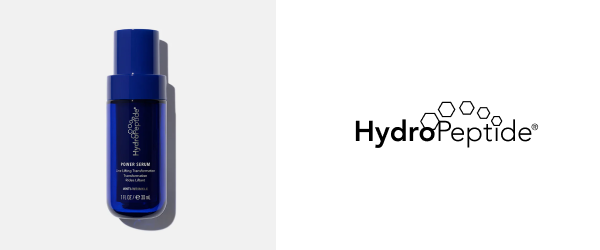
The HydroPeptide Anti Aging Power Face Serum is the kind of formula we reach for when our skin starts to feel a little off. Maybe dull, maybe tired, maybe just not bouncing back the way it used to.
It’s built around peptide complexes, supported by amino acids and hyaluronic acid, with the goal of helping the skin hold onto moisture, stay resilient, and support the skin barrier over time, especially when dealing with aging skin.
Check Hydropeptide Anti Aging Power Face Serum
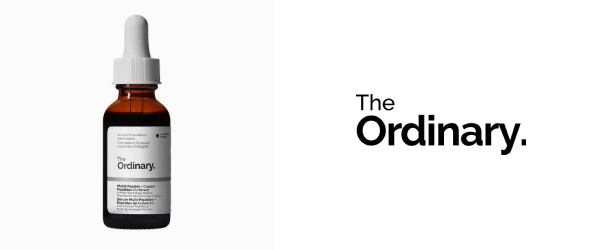
The Ordinary Multi-Peptide + Copper Peptides 1% for Wrinkles and Skin Elasticity is a lightweight serum built around a mix of topical peptides designed to support how our skin cells function over time.
It’s often used as part of a simple skin care routine, helping maintain skin health by supporting collagen production and improving the overall feel of the skin across different skin types, rather than acting as a quick fix.
Check The Ordinary Multi-Peptide
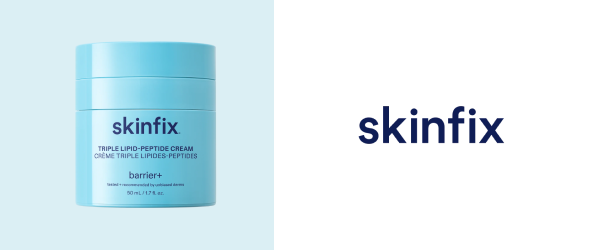
The Triple Lipid-Peptide Cream is a richer, cream-based formula that leans more into nourishment than a typical peptide serum, combining lipids and peptides to support long-term skin comfort and balance.
It’s designed to help improve skin hydration, reinforce the skin’s structure, and gradually refine skin texture, while supporting a more even-looking skin tone and improving the feel of skin firmness over time, with ingredients that may include advanced peptide complexes such as copper peptides.
Check Triple Lipid-Peptide Cream
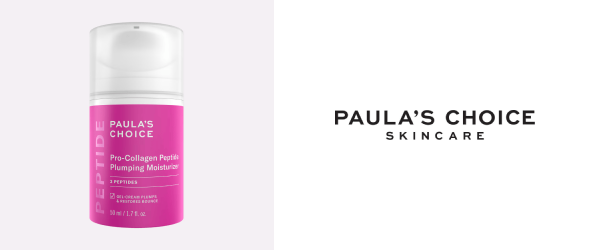
The Pro-Collagen Peptide Plumping Moisturizer is the kind of product we reach for when our skin feels a little flat or tired and needs something steady, not overwhelming. It focuses on incorporating peptides, which are chains of amino acids, to help support the skin over time, especially when we start noticing early fine lines and wrinkles, subtle expression lines, or other everyday skin concerns.
Check Pro-Collagen Peptide Plumping Moisturizer
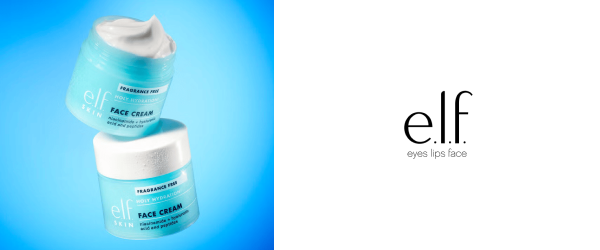
The Holy Hydration! Face Cream Fragrance Free is the kind of moisturizer we reach for on days when our skin feels a little overwhelmed and we just want to keep things simple. In a world of complicated skin care, this one focuses on comfort first, helping support healthy skin while fitting easily into a steady skincare routine, especially when we’re dealing with dryness, daily stress, or even a bit too much sun exposure.
Check Holy Hydration! Face Cream Fragrance Free
Peptides serve as quiet support for the skin, helping it hold onto key proteins like collagen and elastin, which are essential structural proteins tied to how our skin feels and looks over time. When we hear about the benefits of peptides, it often comes back to this idea of support, the same way we start paying closer attention to the basics of care, whether it’s a serum or even something as simple as choosing the best body wash that fits into our routine.
Not a quick fix, not a dramatic shift, but a steady way to help the skin maintain balance and move toward smoother looking skin and a more youthful looking skin appearance. Some peptides also work in ways that feel a little more targeted. They can help reduce expression lines by softening the effects of repeated movement, while still supporting overall skin function.
And because peptides are generally considered peptides safe for most routines, they’re one of those ingredients we can come back to without overthinking it. Over time, that consistency is what helps the skin feel more settled, more even, and a little more like itself again.
Here are the ways peptides in skincare can help support firmer, smoother-looking skin over time.
Peptides in skincare are often described as support ingredients because they work with the skin, not against it. Many formulas use different peptides, including collagen peptides, to help boost collagen production and support elastin production, both of which play a role in maintaining structure and resilience. Over time, this can help improve skin firmness and make the skin feel more balanced day to day.
One of the reasons peptides show up so often in skincare products is their connection to visible aging. By supporting the skin’s natural processes, they can help create smoother skin and reduce the appearance of fine lines and wrinkles gradually. Some types are also known to relax facial muscles slightly, which may soften expression lines without creating dramatic or immediate changes.
Certain peptides, such as copper peptides, are known for their ability to support skin recovery and improve skin firmness over time. These types are often included in formulas designed for aging skin, where maintaining strength and resilience becomes more noticeable in everyday routines.
Not all peptides function the same way, and that’s where things can get a little more nuanced. Some focus on hydration and barrier support, while others are linked to repair or firmness. Research also shows that specific peptide complexes can visibly improve skin wrinkles, which is why many formulations combine multiple types to address different concerns at once without relying on a single approach.
Here are the main ways peptides for skin function, based on how different types support skin health and appearance over time.
Signal peptides are commonly used in peptide products because they help with stimulating collagen and maintaining collagen and elastin levels. This support can help skin firm gradually and smooth fine lines, which is why they’re often included in routines focused on visible signs of aging.
Carrier peptides help transport essential minerals into the skin, supporting repair and overall balance. This makes them useful in a skincare regimen that looks beyond surface concerns and supports deeper skin health over time.
These peptides target muscle movement by helping relax facial muscles, which can minimize wrinkles linked to repeated expressions. Some describe this effect as similar to prescription skincare approaches, offering a softer way to address expression lines without dramatic changes.
Enzyme inhibitor peptides slow the breakdown of collagen and elastin, which naturally decline with skin senescence. By helping preserve what’s already there, they support smoother-looking skin and help maintain structure as the skin ages.
One reason peptides suitable for daily use are so common is that they are generally well tolerated across most skin types. Certain peptides also have anti-inflammatory effects that can calm visible redness and soothe irritated skin, making them easier to include in everyday routines.
Peptides are most effective in leave-on products like serums and moisturizers, where they have time to absorb into the skin and support results gradually. And just like the rest of our routine evolves over time, even the small details we choose day to day, like finding a scent that fits us, can shift too, whether that’s sticking with a favorite or exploring something like the best smelling cologne for men.
Start with clean skin so products can absorb properly. Apply a peptide serum after cleansing and before creams or oils, then follow with moisturizer to lock everything in.
Peptides can be used both morning and evening. Consistency matters more than timing, so using them daily as part of your routine helps support better results over time.
Results from peptide-rich products usually take time. Most people start noticing changes in about 4 to 12 weeks with regular use, depending on the formula and consistency.
You can, but it’s best to be mindful. Avoid layering peptides with very acidic ingredients like strong vitamin C or exfoliating acids at the same time, since this can affect how well they work.
Peptides are generally easy to include in most routines and tend to work across different skin types. They focus on supporting the skin rather than forcing change, which makes them a flexible option.
We’ve all been there, standing in front of a lineup of products and wondering if we’re choosing right or just choosing what looks good in the moment. With peptides, it’s easy to feel like we need answers fast, especially with so many skin products with peptides showing up everywhere. But most of the time, it’s less about finding the “perfect” formula and more about noticing what your skin actually responds to.
Some products lean into hydration, others help maintain firmness, and even other peptides across different formulas can support the skin in quiet, steady ways. Your skin goals don’t have to be complicated. Sometimes it’s just about finding something that fits your rhythm, and letting your skin meet you there over time.
Disclaimer: All products featured on Instinct Magazine are independently selected by our editors. However, we may receive compensation from retailers and/or from purchases made through links on this page. Each platform was evaluated using the Instinct Magazine Review & Recommendation Standards .








Instinct Magazine Staff
AuthorThe Instinct Magazine Staff brings together seasoned editors, writers, and researchers with over 20 years of experience in digital publishing and LGBTQIA+ media. The team...