


Fifty years is a long time for Georgie to live rent-free in culture. Long enough for a song to be banned, rediscovered, analyzed, misremembered, and then suddenly treated like it was always obvious it mattered.

When Rod Stewart released The Killing of Georgie (Part I and II) on the album A Night on the Town in 1976, it didn’t exactly arrive quietly. It arrived with a full narrative arc, a gay protagonist, a New York backdrop, and a level of emotional sincerity that clearly made some broadcasters feel like they had accidentally tuned into something they weren’t prepared to emotionally process.
RELATED: Bar at the Heart of Portland’s Gay Nightlife Comes Back to Life
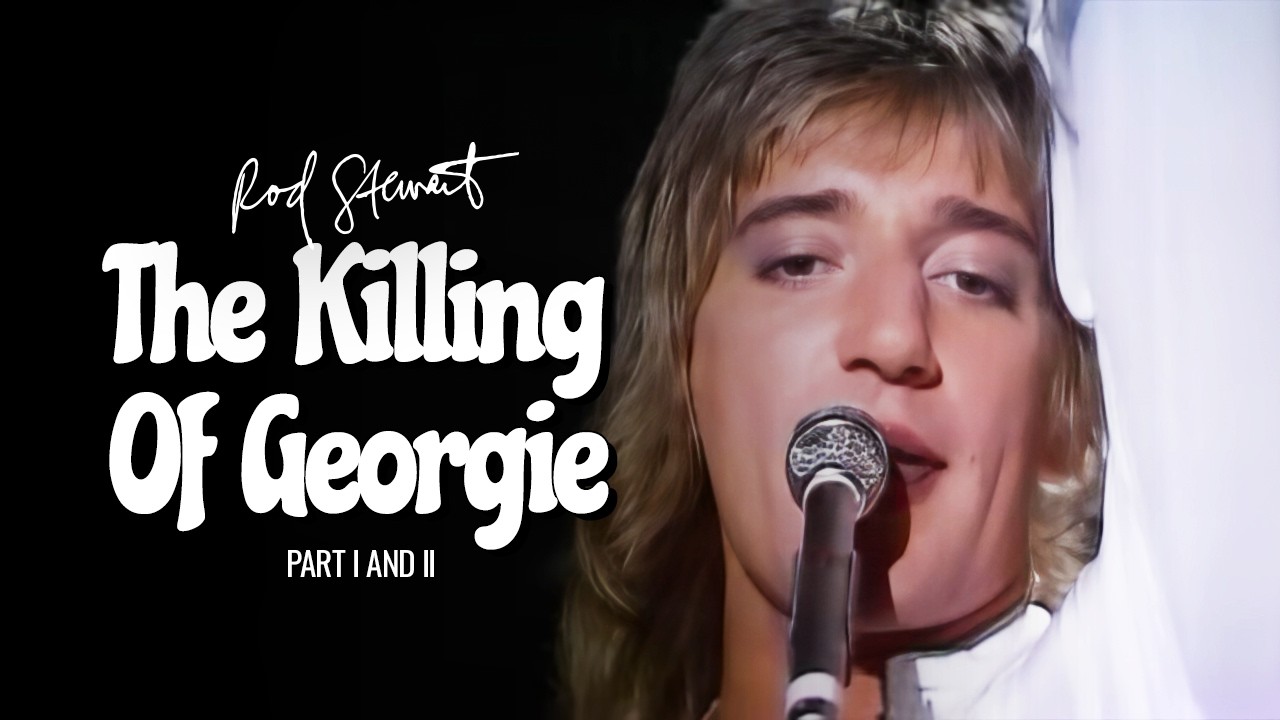
The BBC reportedly banned it, which in hindsight feels less like a cultural decision and more like the musical equivalent of covering your eyes during a scene and hoping nobody notices you’re still listening. It didn’t work. The song still climbed to No. 2 in the UK charts and did what good storytelling tends to do when people try to shut it out: it spread anyway.
Rod Stewart, Accidental Emotional Architect
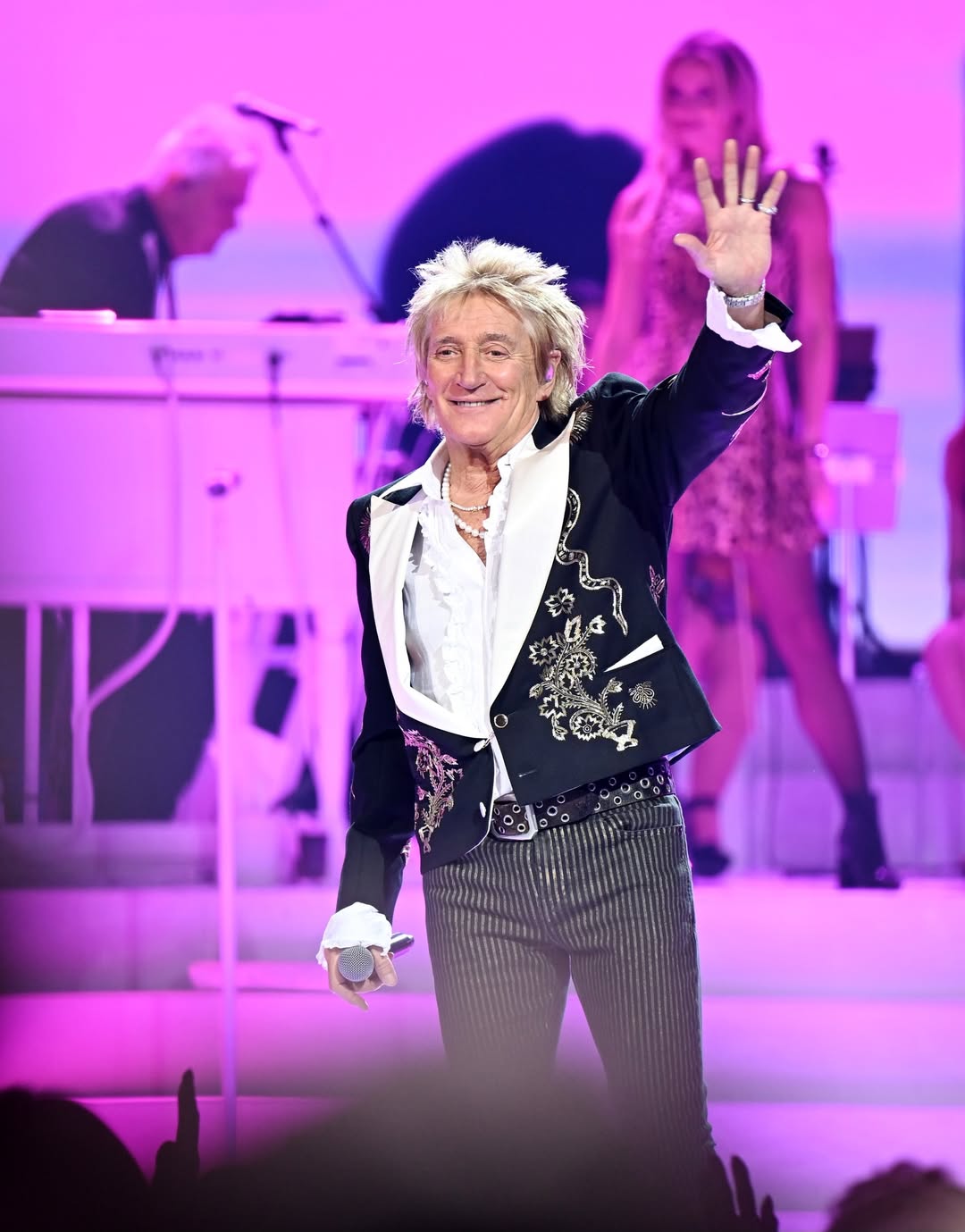
Now, half a century later, Stewart has been reflecting on the song’s afterlife—not as controversy bait, but as something that quietly landed in people’s lives when they needed it most. And this is where things get unexpectedly tender in a very un-rock-and-roll way.
“Let me tell you something about that song which is most gratifying is you know now. Through the years guys have come up to me and when they were younger and said thank you for writing that song because I was in a dark place and it got me through that period. You know, I was unsure of my sexuality and that got me through.”
@mindwarplab the song the BBC banned 🚨 #rodstewart #musicfacts #viralclips #musichistory
Which is not exactly what you expect to hear in the legacy of a 1970s rock hit that once made broadcasters panic—but here we are. Turns out the song didn’t just tell a story. It also accidentally became a lifeline for listeners who weren’t exactly drowning in representation at the time.
RELATED: Gay Adult Star Milo Miles Speaks Out About His 10-Year U.S. Ban
Georgie: The Main Character Who Didn’t Ask to Be One
The story at the center of The Killing of Georgie is deceptively simple: Georgie gets rejected at home, moves to New York, finds a version of freedom, and then loses it all in a moment of violence. No metaphor fog. No coded language. No “figure it out yourself” energy. Just Georgie living his life in a way that, for 1976 mainstream rock, felt almost radical in its straightforwardness.
Rock music at the time was perfectly comfortable with heartbreak, rebellion, excess, and the occasional existential crisis shouted into a microphone. But a gay man’s life told with empathy—not satire, not scandal, not tragedy-as-spectacle—was still not exactly standard playlist material. Which is partly why the song still gets talked about. It didn’t frame Georgie as a statement. It framed him as a person who existed, loved, left, and was missed.
The Ban That Didn’t Stick and the Story That Did
The BBC ban now feels like one of those historical decisions that aged about as well as milk left in a studio control room. Because the more interesting reality is what happened despite it: the song kept moving, listeners kept finding it, and Georgie kept existing in people’s heads long after the broadcast panic faded.
That’s the funny thing about trying to suppress a story that actually connects with people—it tends to do the opposite of what was intended. It just gets louder in quieter spaces.
A Night on the Town: Glamour, Chaos, and Emotional Whiplash
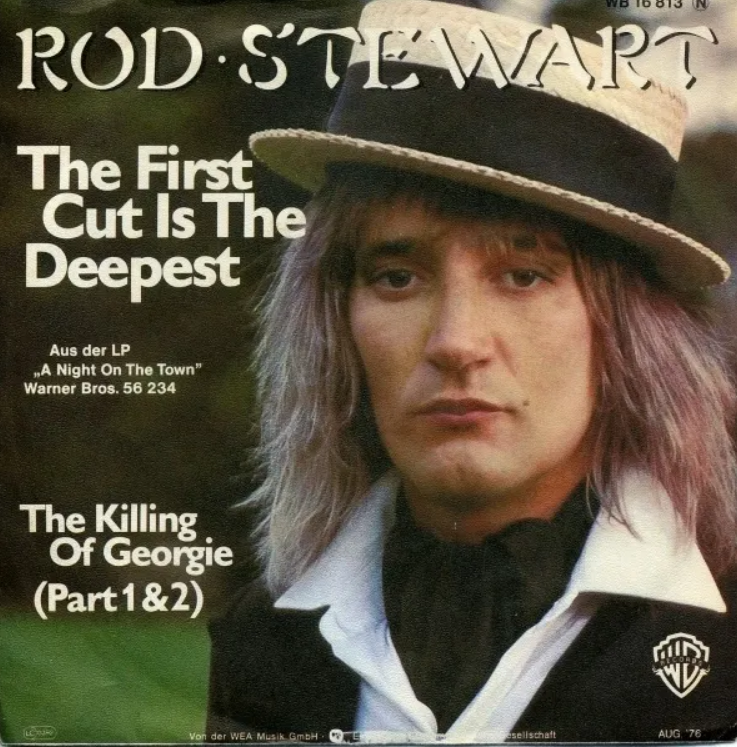
The album A Night on the Town wasn’t subtle about its ambitions either. It split itself into “slow” and “fast” sides like it was organizing emotional weather patterns for the listener. It worked. The record topped charts across multiple countries and cemented Stewart’s status as a global star rather than just a British rock figure still trying to outrun his Faces-era shadow.
But it’s The Killing of Georgie that aged with the most emotional weight. Not because it was the biggest hit, but because it did something rarer: it actually stayed honest to its own sadness.
For balance—and because the universe enjoys contrast—the same album also gave the world Tonight’s the Night (Gonna Be Alright), a song that caused its own broadcast headaches, just for very different reasons.
So on one hand: a song about love, rejection, and loss that made people uncomfortable. On the other: a song about desire that made people equally uncomfortable. 1976 was apparently not a year for making everyone happy.
Fifty Years Later: The Song That Didn’t Stay in Its Lane
What stands out now is how little The Killing of Georgie behaves like a “period piece.” It doesn’t feel like it’s trying to teach a lesson or position itself as historically important. It just tells a story and refuses to over-explain it.
That’s probably why it still lands. Not because it was perfect, or because it was ahead of its time in some carefully branded way, but because it treated Georgie like a real person when that wasn’t the default setting of mainstream rock storytelling.
And in a way, that’s what makes Stewart’s reflections so striking today. The song that once got banned for being too direct about who it cared about ended up becoming the kind of track people quietly turned to when they needed to hear exactly that kind of care.
Fifty years on, it’s no longer just a Rod Stewart deep cut with a controversial history. It’s a reminder that sometimes the most enduring songs aren’t the loudest ones. They’re the ones that accidentally tell the truth—and then refuse to stop existing because of it.