

HBO’s polished period drama finally puts queer love on screen, but its secretive storyline begs a bigger question: Does representation still count if it hides in the shadows?
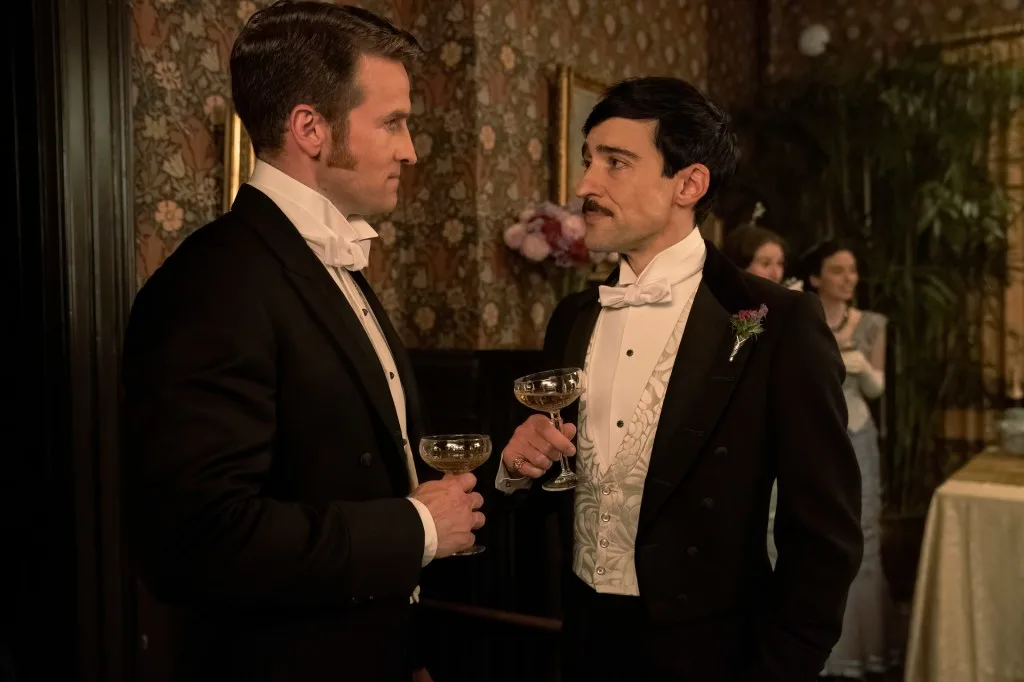
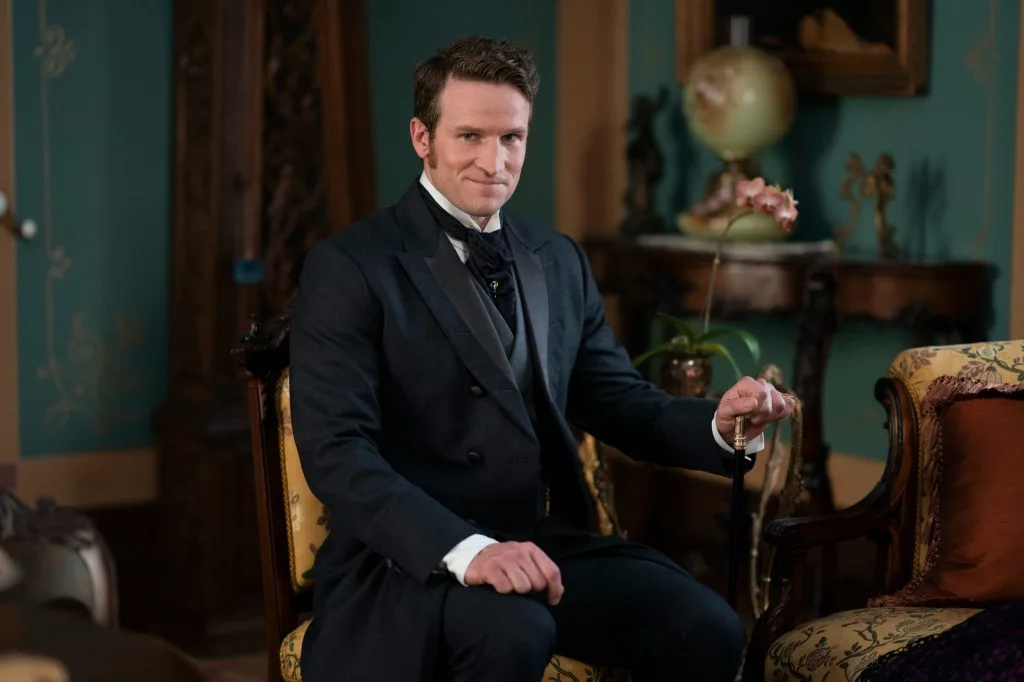
Let’s begin with a confession worthy of HBO’s The Gilded Age: I adore a man in a waistcoat hiding a scandal behind a silk curtain. And no one does this better than Oscar Van Rhijn — a character who glides through 1880s New York society like a dandy shark in velvet gloves. He’s gay. He’s closeted. He’s sleeping with one man while plotting to marry another — or rather, a woman. And we, the audience, are meant to clutch our pearls, sip our tea, and whisper, finally. Representation.
But let’s pause. Is this really what progress looks like?
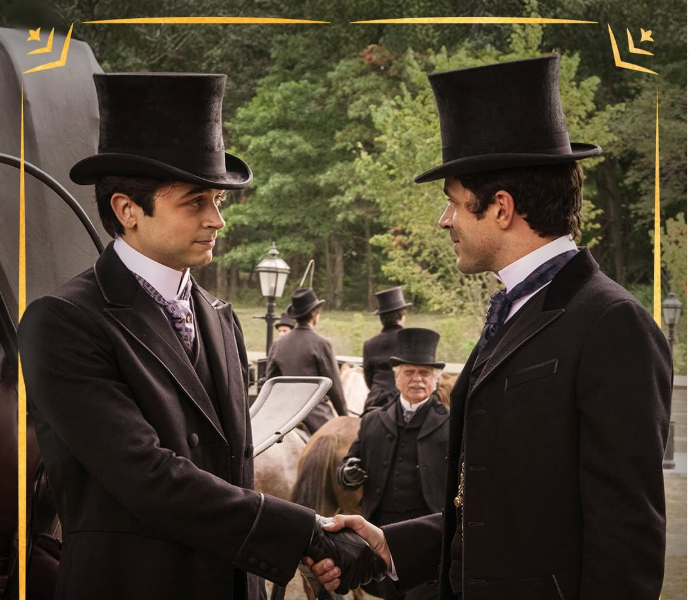
Don’t get me wrong — it’s a step up from decades of period dramas where queer characters were as absent as dental hygiene. Oscar’s secret affair with the kind-hearted John Adams isn’t treated as a punchline or a pathology. It’s nuanced. It’s layered. It’s based in history. And yes, it’s riveting. But as Oscar manipulates his way toward a sham relationship with Gladys Russell while John pines dutifully in the shadows, one has to wonder: Is this a story about us, or against us?
The Visibility Trap
Representation is a tricky business — especially when it’s laced with repression. Yes, Oscar’s storyline is historically accurate. So was cholera. Just because it happened doesn’t mean we want to linger on it. For too long, queer characters have been confined to cautionary tales, coded villains, or tragic victims. Oscar, in his handsome duplicity, threatens to revive all three.
We are, once again, being shown — not celebrated.
That’s not to say every gay character must be a flawless beacon of light, hand-in-hand with a lover as violins swell. But must our stories always be shrouded in shame?
Is there room, even in corseted fiction, for queer joy? Queer agency? Queer resistance?
Because here’s the rub: John — the one who actually feels, who stands in quiet integrity — is left with barely a storyline at all. (Spoiler: it doesn’t end well.) He’s not so much a character as he is a conscience — noble, yes, but hollowed out. It may serve the plot, but it starves the heart.
A Bigger Closet Than We Thought
Some will argue this is the point. That The Gilded Age is merely reflecting the suffocating societal constraints of its era. Fair. But TV, even historical TV, is never just about the past. It’s about what we choose to center in the present. And in 2025, we might reasonably ask: Why does queer love still have to come with an asterisk?
There is a long, unbroken line from Oscar Van Rhijn to the queer characters in prestige TV before him — the tortured genius, the sexual deviant, the tragic hero. These portrayals may be complex, but they’re rarely liberating. They show us, yes. But they do not see us.
Progress in a Pinstripe Waistcoat
That said, let’s give The Gilded Age its due. It’s a rare show that even attempts to thread queerness into the historical fabric of American wealth and power. It acknowledges that we were there — not just in the servants’ quarters but in the drawing rooms, manipulating stock deals and dinner party guest lists. That matters.
But here’s what matters more: Telling stories where queer people aren’t just surviving the times. They’re reshaping them.
Imagine if, alongside Oscar’s scheming, we saw a hidden network of queer allies. A glimpse — just a glimpse — of joy. Because the truth is, we weren’t all lonely. We weren’t all sad. We loved, we laughed, we made art and mischief. Even under threat. Especially under threat.
What We Deserve
So, is The Gilded Age “good for the gays”? It’s a start. A lush, intelligent, well-acted start. But if representation is the first course, we’re still waiting for the entrée.
We want stories that don’t just acknowledge our pain but celebrate our resilience. Not just closets — but courage.
Not just subtext — but substance.
Oscar Van Rhijn may be a man of his time. But the rest of us? We’ve moved on.
And it’s time our television did too.
Rob Shuter is a celebrity journalist, talk-show host, former publicist, and author of The 4 Word Answer. He hosts Naughty But Nice with Rob, a top 20 iTunes podcast. Follow his latest columns at robshuter.substack.com.
Why sugarcoat and create a false history? We’ve made great progress, but we short-change and belittle those who were struggling in the quest to get us here if we pretend they had agency when they didn’t. We devalue them as not being brave when the cost was too high. They found ways to cope but that is just about it. The truth can be empowering.
Representation should meet us where we are. There are still MANY people in the closet. Thats representation. Representation means showing all the LGBTQ+ people across the spectrum. Too often, we only get the effeminate gay men or the butch lesbians. Representation should include everyone!