

There are some truths best left between the sheets.
And then there are the ones that, once spoken aloud, ricochet through the internet—branding everyone involved forever.
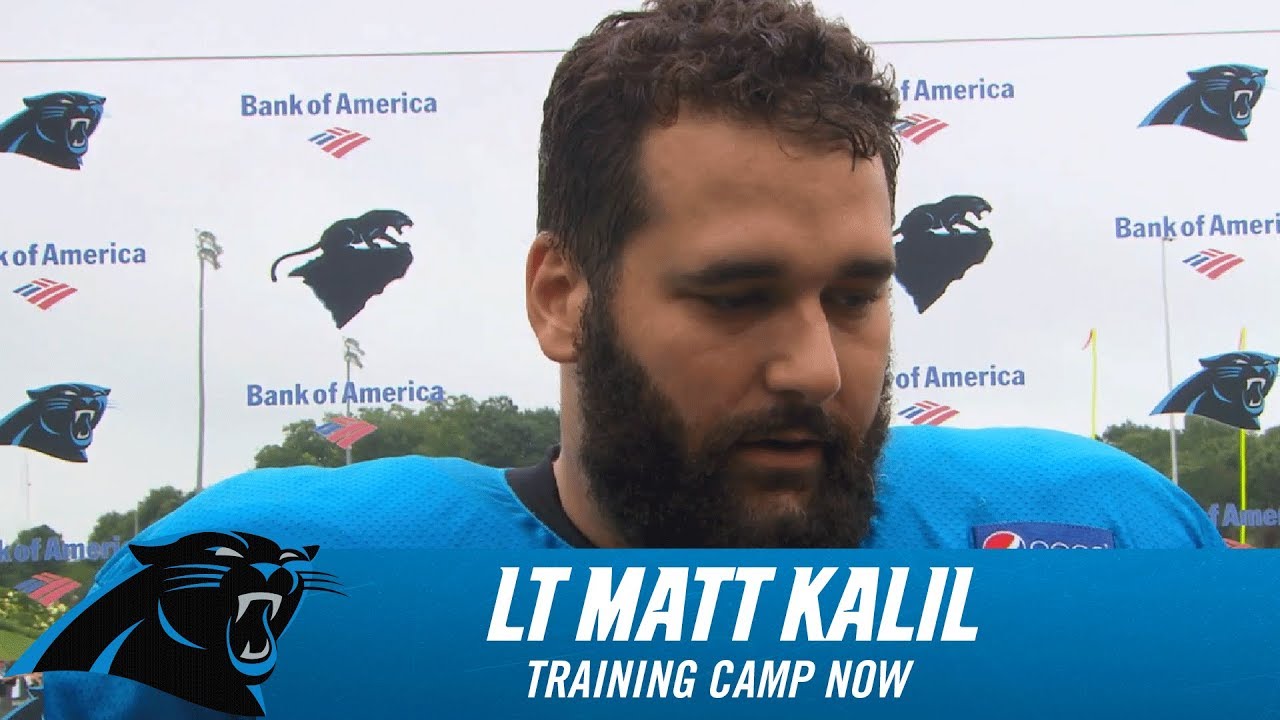
When influencer Haley Baylee told a Twitch audience that her ex-husband, former NFL star Matt Kalil, was “.01 percent of the population,” she wasn’t praising his sprint speed. Overnight, what was once private became a public sport.
Kalil, once known for blocking defensive ends, was suddenly fielding a $300,000 offer from adult site CamSoda to “showcase” what his ex had already described. The company spun it as empowerment. But behind the clickbait is a deeper question: Is it ever ethical—or even fair—to talk publicly about an ex’s anatomy?
The Case for “Radical Transparency”
Baylee defended her remarks, saying the viral clip ignored the “love and growth” she shared with Kalil. In her view, honesty—however awkward—is part of reclaiming her story. In today’s influencer economy, confession is currency. Transparency sells. Vulnerability trends.
Supporters liken her comments to memoir or stand-up comedy. If men can brag about sexual exploits on podcasts without consequences, why can’t women speak candidly about sexual disappointment? The double standard is real: a woman who discloses intimate frustration is often branded “vindictive.” Her fans say she’s simply refusing to stay quiet about what made her marriage untenable.
The Ethics of Exposure
Still, there’s a difference between self-expression and violation. Revealing intimate details about someone else’s body is nonconsensual exposure—digital flashing without the legal charge. Kalil didn’t agree, yet now his name and alleged measurements are part of permanent online record.
This kind of revelation can’t be undone. Even Baylee’s insistence that she “cares deeply” about his privacy rings hollow beside the soundbite that launched a thousand memes. Once a body becomes content, it stops belonging to its owner.
Does Size Change the Story?
Absolutely—not because it should, but because society still treats “big” and “small” revelations very differently. If Baylee had said her ex was very small, the reaction would have been far more brutal. What’s now viewed as oversharing might instead have been called public emasculation.
A claim of being “.01 percent” sounds rare and even flattering. But implying a man is small strikes at the cultural core of masculinity, where size is still shorthand for power and worth. The ridicule would have been merciless. The same media that laughed off her “TMI moment” might have condemned her for cruelty.
This reaction exposes a gendered hypocrisy. When men reduce women to body parts, it’s “locker-room talk.” When a woman does it, it’s “revenge.” Either way, intimacy is weaponized. The scale of outrage depends not on the facts, but on how those facts fit our myths about gender and dominance.
When Size Becomes a Cultural Weapon
Our culture treats measurement as meaning. From locker rooms to pop lyrics, masculinity is often quantified in inches. The fixation fuels insecurity, whole industries, and humiliation when someone doesn’t “measure up.”
Baylee’s story went viral not because of marital insight but because it struck a primal nerve about male adequacy.
If the couple were gay, the tone might have shifted—more voyeuristic curiosity than moral outrage. Gay men live in a subculture where physical specifics are openly discussed, sometimes even celebrated. But when a straight woman exposes a straight man, the power dynamic reverses. What once symbolized dominance becomes vulnerability. That tension drives both fascination and cruelty.
The Illusion of Consent
Modern relationships unfold in public—on podcasts, TikTok Lives, and “storytimes.” Oversharing isn’t a slip anymore; it’s a marketing strategy. But telling your story doesn’t mean you own theirs. Consent isn’t retroactive. You can’t sign someone else up for a lifetime of Google results about their genitals. The argument that “it’s my truth” collapses when that truth exposes another person’s body.
The Bigger Picture
In the attention economy, confession equals engagement, and engagement equals money. Baylee’s “size” anecdote boosted her profile and reinforced her comedic brand. But the cost—her ex’s dignity, her own credibility, and their shared intimacy—can’t be measured in clicks.
CamSoda’s “Big Confidence” offer made the cynicism obvious: humiliation can now be monetized. Shame becomes spectacle. It’s the influencer economy at its bleakest, turning pain into performance one viral soundbite at a time.
The Bottom Line
The real issue isn’t measurement—it’s exposure without consent.
When relationships end, what remains sacred isn’t what you keep—it’s what you protect.
Size might make headlines, but silence, in this case, would have shown real confidence.
Rob Shuter is a celebrity journalist, talk-show host, and former publicist who has represented an A-list roster including Jennifer Lopez, Alicia Keys, Kate Spade, Diddy, Jon Bon Jovi, Tyra Banks, Naomi Campbell, Jessica Simpson, and HRH Princess Michael of Kent.
He is the author of The 4 Word Answer, a bestselling self-help book that blends Hollywood insight with deeply personal breakthroughs. Rob hosts Naughty But Nice with Rob, a Top-20 iTunes entertainment podcast, and previously served as the only dedicated entertainment columnist at The Huffington Post. A veteran of television, magazines, and red-carpet crisis management, he also led OK! Magazine during its most competitive era.
Rob’s latest exclusives and insider reporting can be found at robshuter.substack.com.
His forthcoming novel, It Started With A Whisper, is now available for pre-order