

The world lost a Hollywood legend this week. Robert Redford, the man who embodied the rugged charisma of American cinema for decades, passed away at the age of 89. His death, as confirmed by his publicist Cindi Berger, was peaceful—he died in his sleep, surrounded by loved ones in Sundance, Utah. But while the curtain may have closed on his life, his cultural footprint remains as indelible as ever. From leading roles to groundbreaking social activism, Redford’s life story isn’t just about fame—it’s about breaking barriers, championing equality, and even showing us the value of love in all its forms.
RELATED: Meme Featuring Robert Redford, Certified Midcentury Hottie, Exposes a Generational Divide
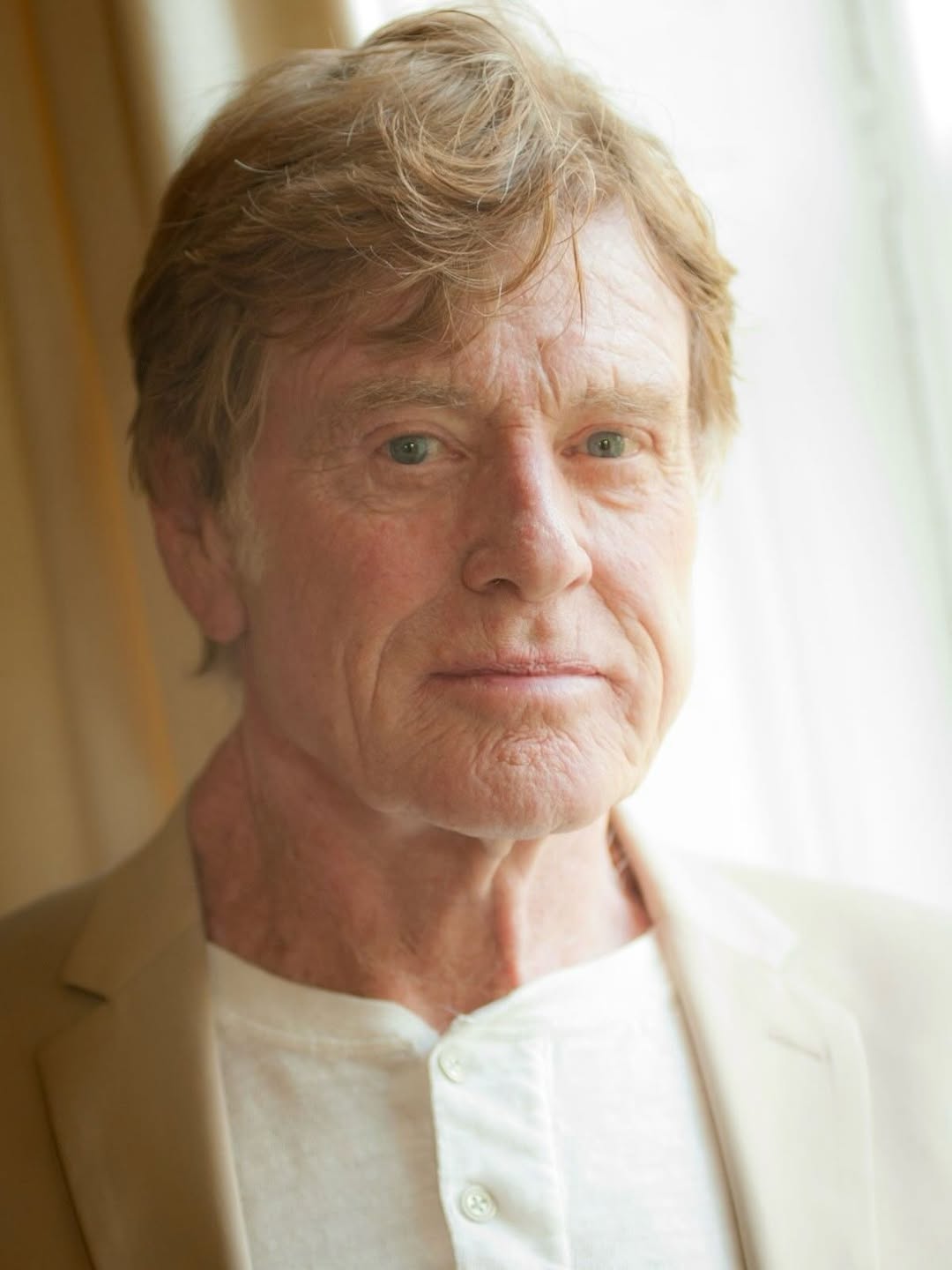
Redford’s star power first lit up the screen in the 1960s, but it was a 1965 role in Inside Daisy Clover that showcased his early commitment to challenging societal norms. Playing the bisexual actor Wade Lewis, Redford’s portrayal wasn’t just groundbreaking in a cinematic sense—it was groundbreaking for the era. At a time when LGBTQ+ representation was rare and often fraught with stereotypes, his nuanced performance paved the way for a more complex conversation about sexuality and identity in mainstream media.
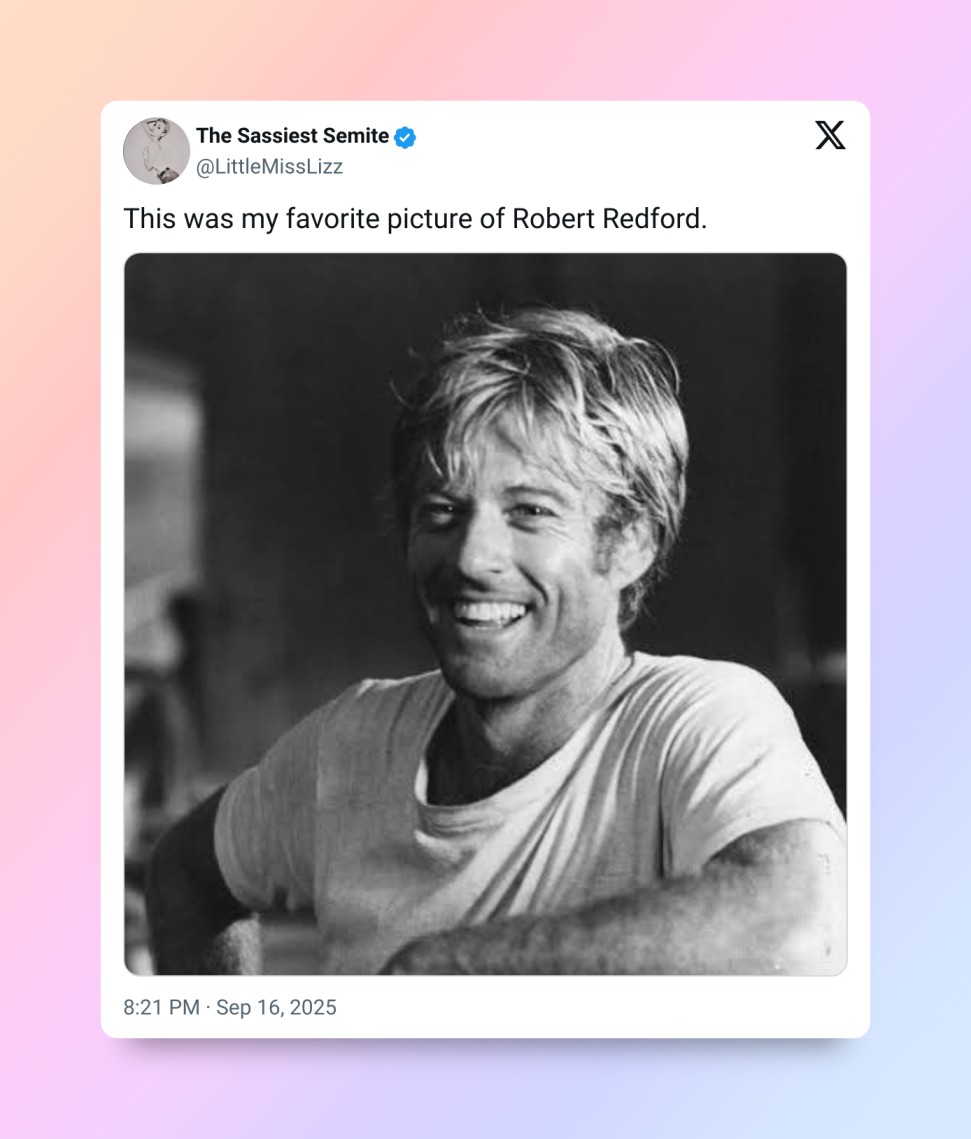
In a moment that encapsulated the ambition of his early career, Redford earned the Golden Globe for Most Promising Male Newcomer. It’s easy to forget that back then, bisexuality wasn’t even on most moviegoers’ radar, let alone the subject of a mainstream film. But Redford had already begun to demonstrate an impressive range, setting the stage for a career that would define decades of American cinema.
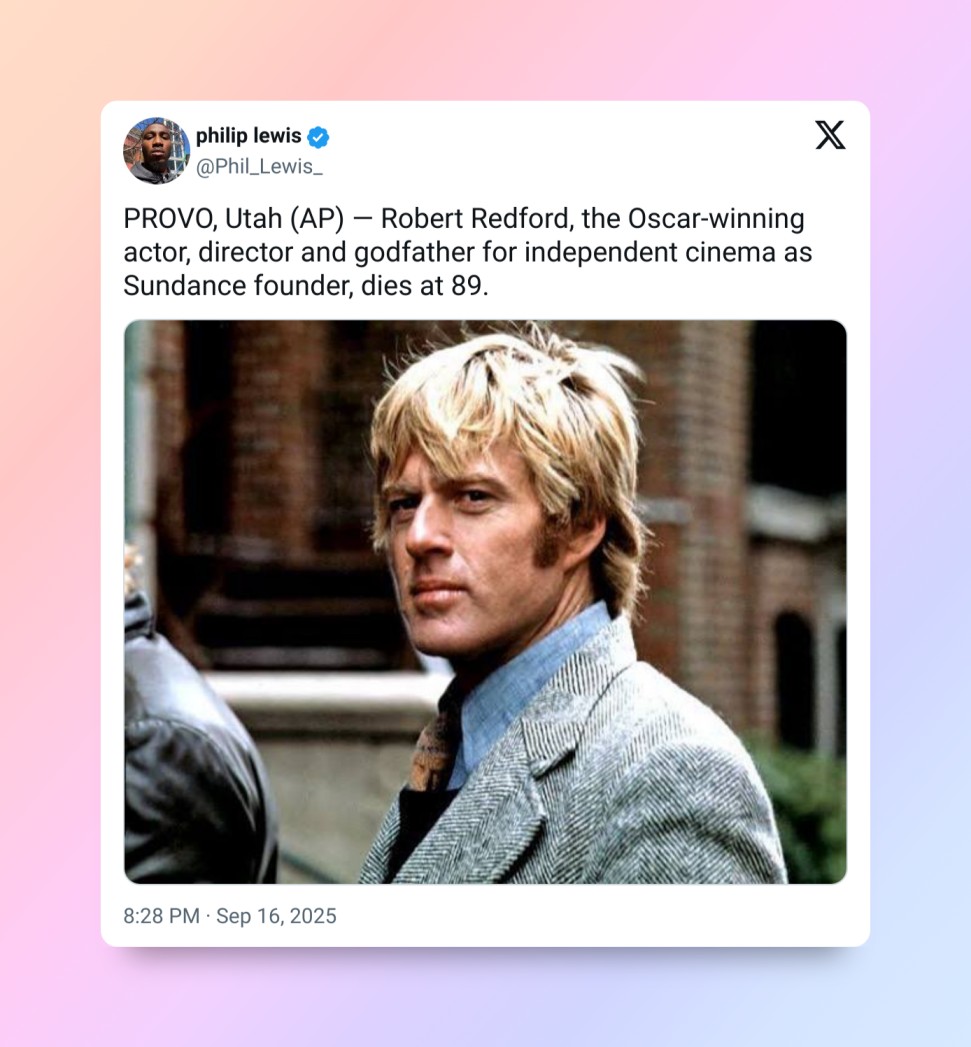
Redford’s legacy didn’t just consist of playing lovable rogues like the Sundance Kid. He was more than that—he was an ally, an advocate, and an activist. In the early 2010s, Redford became a vocal supporter of same-sex marriage. While many Hollywood stars have spoken out for LGBTQ+ rights, Redford’s words were particularly poignant due to their authenticity and the influence of his years in the industry. At a 2013 Equality Utah event, he declared it “un-American” to discriminate against gay people. “I’m here for the same reason you are—equal rights for all,” he passionately told the crowd.
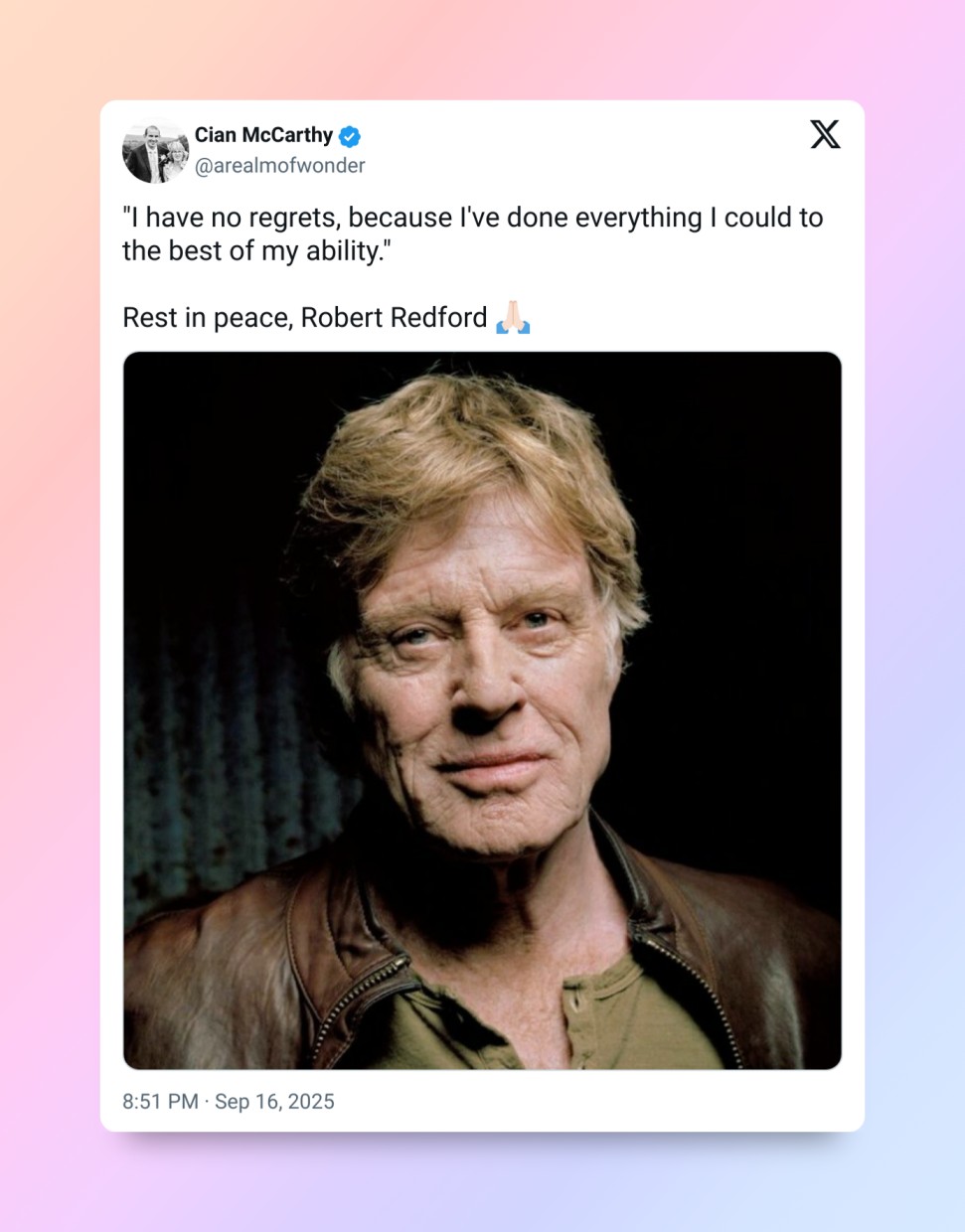
His advocacy wasn’t just about words. Redford’s involvement with the Sundance Film Institute, which he founded in 1981, allowed him to influence not only the type of films we see but also who gets to make them. In doing so, he empowered countless filmmakers—many of whom were members of marginalized groups—to tell their stories, often breaking social taboos along the way. It’s impossible to overstate how crucial Sundance has been in making space for queer voices in cinema, a fact that surely makes Redford’s role as its founder even more meaningful.
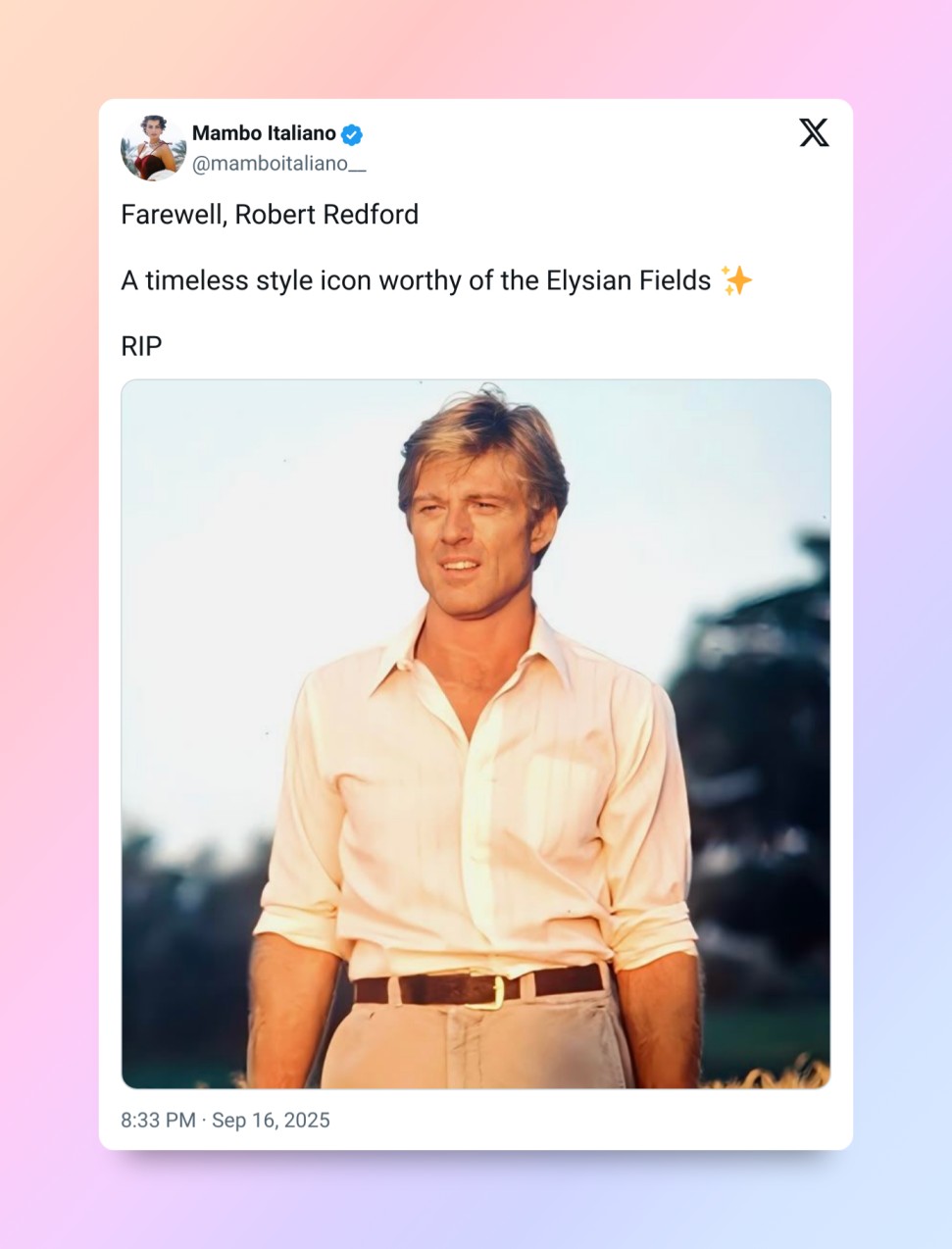
But it’s not just his professional and political milestones that made Redford an icon. It was his on-screen partnerships, too. Whether it was sparring with Paul Newman in Butch Cassidy and the Sundance Kid or sweeping Barbra Streisand off her feet in The Way We Were, Redford demonstrated a level of chemistry with his co-stars that felt both organic and effortless. And while we’re on the topic of The Way We Were, let’s not forget that the screenplay was written by gay legend Arthur Laurents, who based the film partly on his own tumultuous life. There’s a subtle brilliance in how Redford’s character, Hubbell, played into the themes of love, loss, and identity. Even then, Redford seemed to understand that relationships, like people, come in many different forms.
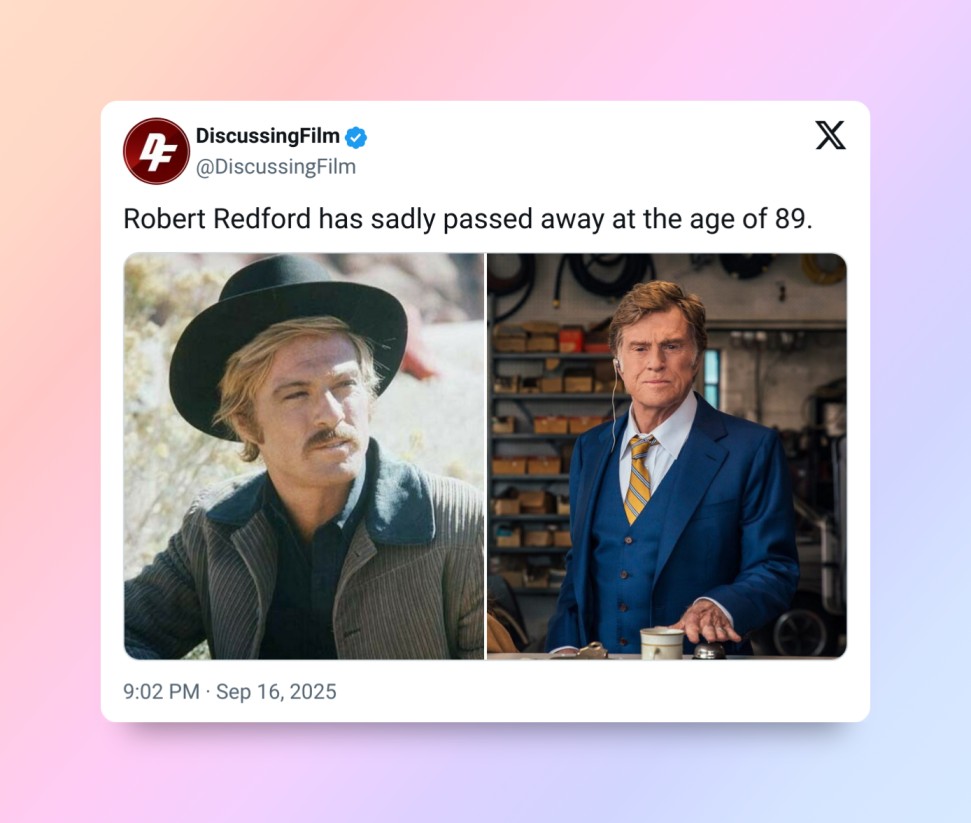
As the years passed, Redford’s artistic pursuits only expanded. He went on to direct Ordinary People, which won him an Academy Award for Best Director. His transition from leading man to behind-the-scenes creative force seemed almost seamless. In his later years, he even dipped his toes into the Marvel universe, playing the complex Alexander Pierce in Captain America: The Winter Soldier and Avengers: Endgame. These appearances were a testament to his versatility and ability to remain relevant in an ever-changing industry, even in his eighties.
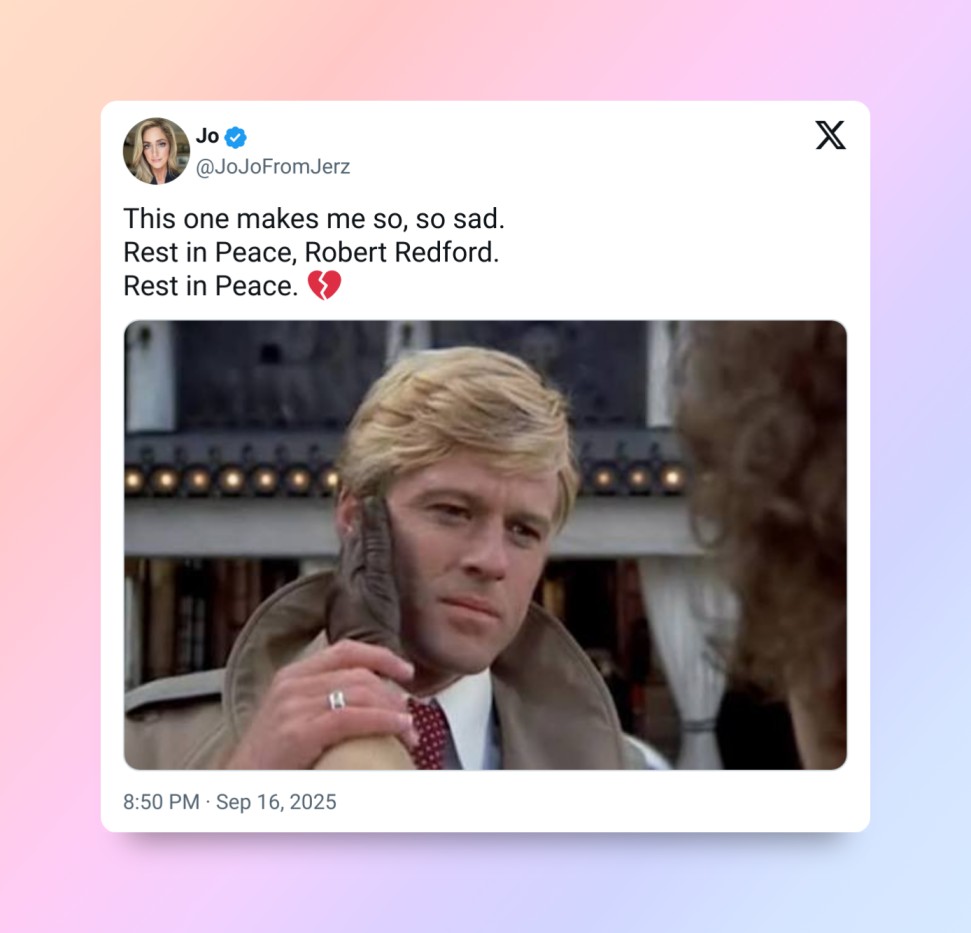
Still, it’s the humanity he brought to his roles—and to his life—that stands as his greatest achievement. Redford didn’t just make movies; he made statements. Whether it was his unwavering support for LGBTQ+ rights, his passionate fight against discrimination, or his subtle challenge to Hollywood’s conventions, Redford lived his life with a sense of purpose that went beyond the screen. “There are good people in Utah,” he said in 2013, speaking about his push for same-sex marriage. “More people want to change the discriminatory laws than want to keep them.” His belief in progress, equality, and love in all forms resonated far beyond the confines of the film industry.
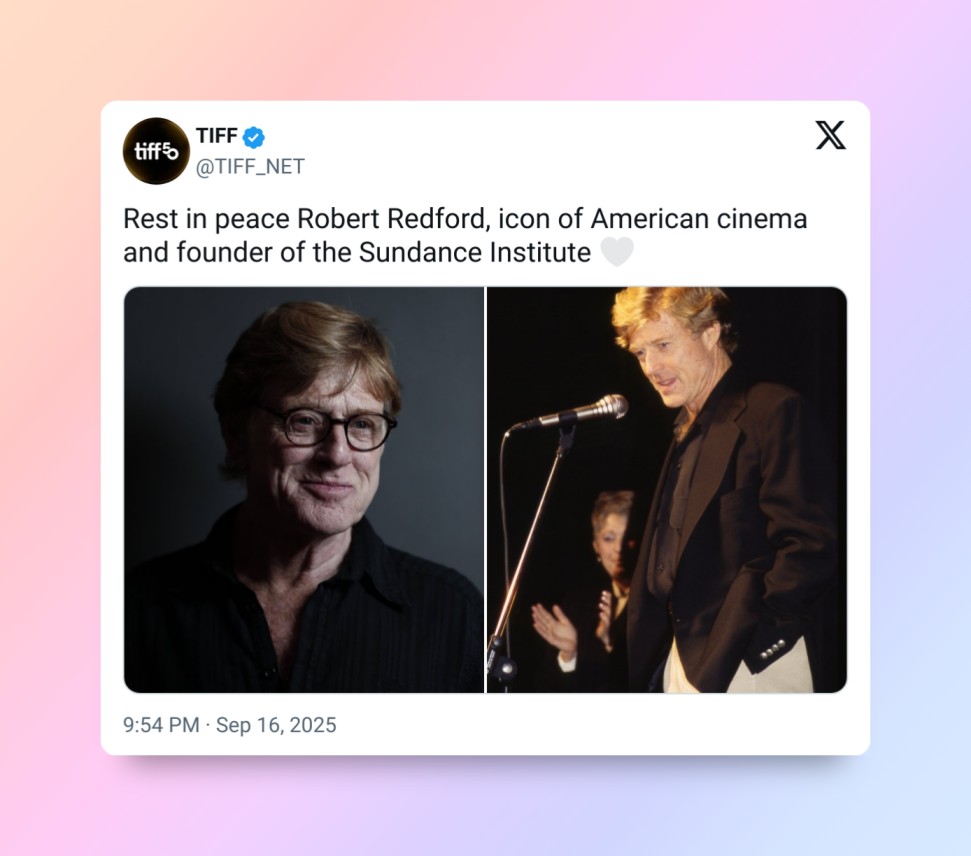
As we reflect on his passing, it’s impossible not to think about the many lives Robert Redford touched—both as an actor and as an activist. He was a man who understood the value of not just performing on screen, but of performing his values in the real world. It’s a legacy that doesn’t just live on in the films he made, but in the societal shifts he helped foster along the way. He might be gone, but his impact, especially in the fight for LGBTQ+ equality, will endure.
Rest in peace, Robert. You’ll be missed greatly, but your voice, your films, and your advocacy will never fade away
He was Hubbell Gardner, our Bob Woodward, our Jay Gatsby, our Sundance Kid. He was one of the finest actors and directors and created an opportunity for future generations to join the cinema profession.
Hail the traveler. He may be gone, but his influences will be felt forever!
“Good night, sweet prince, and flights of angels sing thee to thy rest!”