

On the night of 19 August 1989, a group of 126 gay men set out on a festive evening aboard the Marchioness, a pleasure boat gliding along the River Thames. The air was thick with anticipation as the boat swayed gently in the moonlight, ready to host the 26th birthday bash of Antonio Vasconcellos, a merchant banker, and his boyfriend Jonathan Phang, a photographic agent. Little did they know, by the time the clock struck 1:46 AM, the river would have claimed 51 lives, and a tragedy would forever change the gay community in London.
RELATED: Male Model Arrested After Husband Found Dead in Harlem
The Marchioness was a favorite spot for partygoers, a floating venue offering the promise of music, dancing, and cocktails. It was a vessel of liberation and joy—until the fateful moment when disaster struck.
A larger dredger ship, the Bowbelle, barreled down the river, heading in the opposite direction. There was no sign of the Marchioness until it was too late. The Bowbelle—bigger, heavier, and traveling faster—plowed directly into the smaller boat, essentially running it over. The impact was so sudden, so catastrophic, that the Marchioness sank almost immediately. In a matter of minutes, the bright lights and sounds of the party turned into the deafening silence of death.
RELATED: The Heartbreaking Death of Barbie’s Visionary Creators
Chaos and Survival in the Dark of Night
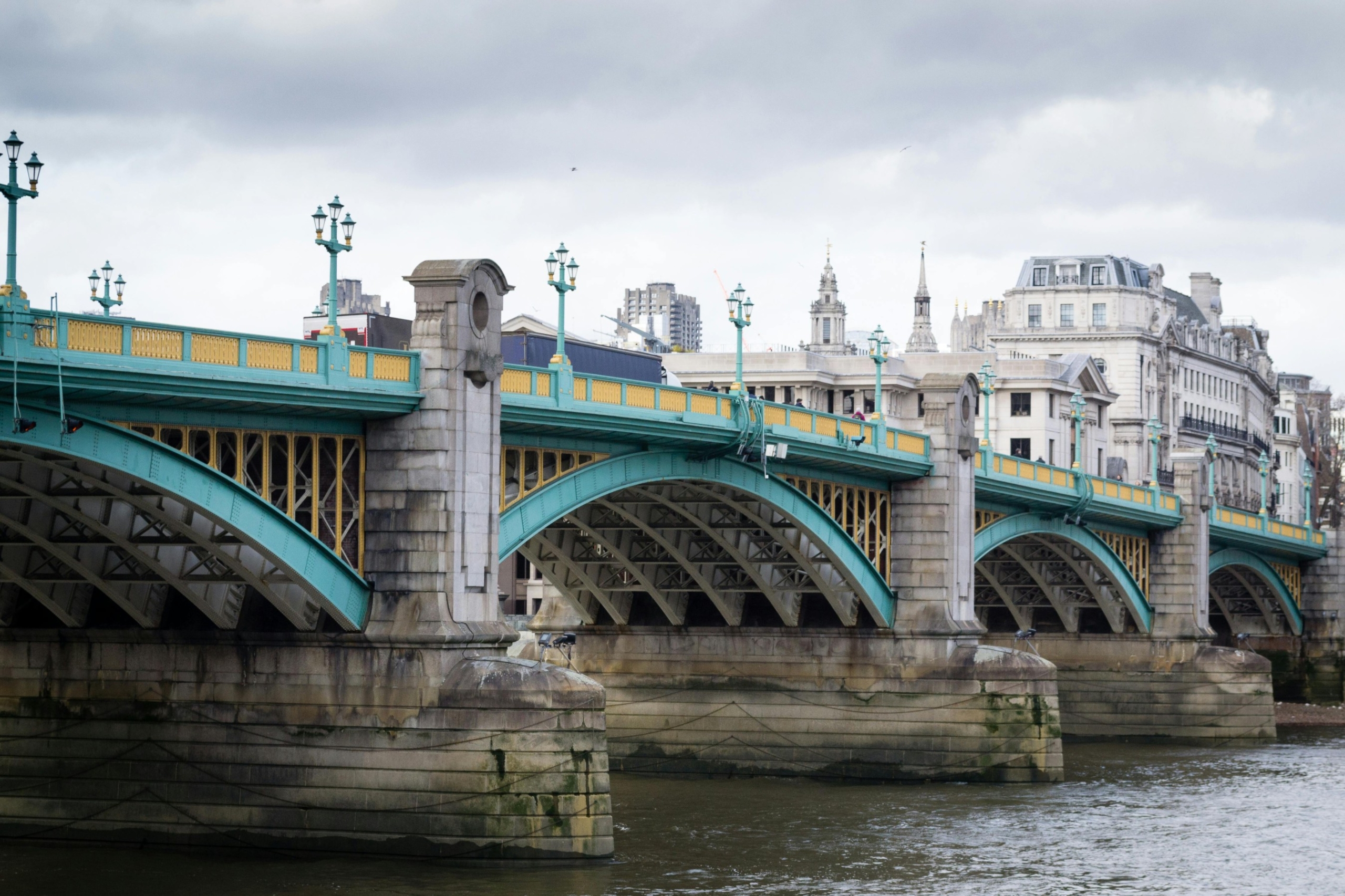
The crash happened just after the Marchioness had passed under Southwark Bridge and was nearing Canon Street Bridge. Amid the pandemonium, many of the party guests were caught unaware. With little time to react, and life-saving equipment out of reach or unreachable, only those lucky enough to be on the forward deck had a chance at survival. The swift sinking of the boat, coupled with inadequate life-saving provisions, turned what should have been a night of celebration into one of horror.
Survival came down to sheer proximity, timing, and luck. For many, there was no escaping the icy waters of the Thames, which, despite being familiar to Londoners, can be merciless. The safety procedures on the river, like the vigilance of the ships’ crews, were found to be woefully insufficient. The lack of proper lookout on both vessels was deemed the key cause of the tragedy.
As soon as the Bowbelle collided with the Marchioness, it was clear that the thrill of the night was over. The collision’s aftermath rippled across London, leaving a city stunned, heartbroken, and forever marked by the scale of the disaster.
Remembering the Lost
In the wake of the incident, the victims became more than names on a list. They were partygoers, lovers, friends, and community members. Each had a life, a story, a connection to the fabric of London’s vibrant gay scene. Among the victims was Antonio Vasconcellos, whose birthday was meant to be celebrated on the boat, and his close-knit circle of friends who had come to share in his joy.

Each person tells a story—some filled with promise, some with heartbreak. It was a loss that left an indelible mark on the LGBT community, especially in the wake of the 1980s, a time when the gay community in London was still emerging from the shadow of the AIDS crisis and the struggles of living under the legal and societal pressures of the time.
The Aftermath and Reflection
The tragedy of the Marchioness wasn’t just a public disaster; it was deeply personal for many in the gay community. The victims were not just numbers—they were part of a tight-knit world of friends, lovers, and allies. The death toll hit especially hard because it occurred at a time when the community was still rebuilding its strength, pride, and visibility.

In the years that followed, memorials were held, and the event became a somber reminder of the fragility of life. The accident also sparked a series of investigations into river safety and procedures on the Thames. But for the families and friends of the victims, no amount of regulation could ease the pain of loss.
The Marchioness disaster will always be remembered as one of the most tragic moments in London’s LGBTQ+ history, a night that began with joy and ended in incomprehensible loss.
We remember those who died not just as victims of an accident, but as individuals who had so much more to offer—a potential stolen too soon. To those we lost on that fateful night, we say: you are not forgotten.
Source: GTV