


In the late 1980s and early 1990s, the HIV/AIDS epidemic was not only a public health crisis but also a moral and economic one. For many gay men and others living with the disease, a diagnosis meant more than just facing a near-certain death—it meant financial devastation. Medical bills piled up, careers were interrupted, and support systems were stretched to their breaking point.
At the time, treatments were limited and often ineffective. It wasn’t until around 1995, when antiretroviral therapies began showing results in numbers, that survival started to become a possibility. Until then, people living with HIV were forced to make unimaginable choices just to survive and to find a modicum of happiness in their final months or years.
RELATED: Visual AIDS Is Responsible For What Became Known As The Red AIDS Ribbon
One of the most controversial—and in some ways lifesaving—industries to emerge during this period was viatical settlements. For those unfamiliar, this practice allowed companies or private investors to purchase a person’s life insurance policy for a percentage of its value, agreeing to cover its premiums, and in exchange, becoming the beneficiary. In simple terms: a person with AIDS could “cash out” their life insurance policy while still alive, receiving money they could use for treatment, living expenses, or even one final chance at joy. But there was a catch—the investor profited only when that person died. “Death equaled profit,” as the New Yorker has bluntly described it. The shorter your life expectancy, the more enticing you were to investors.
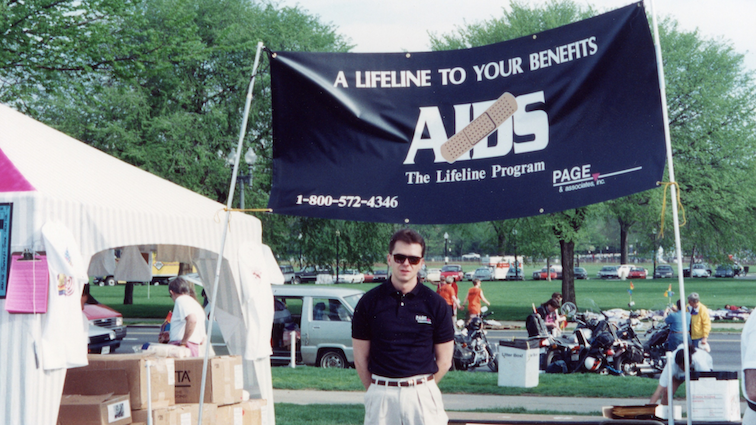 Source: Cashing Out | Catapult Film Fund
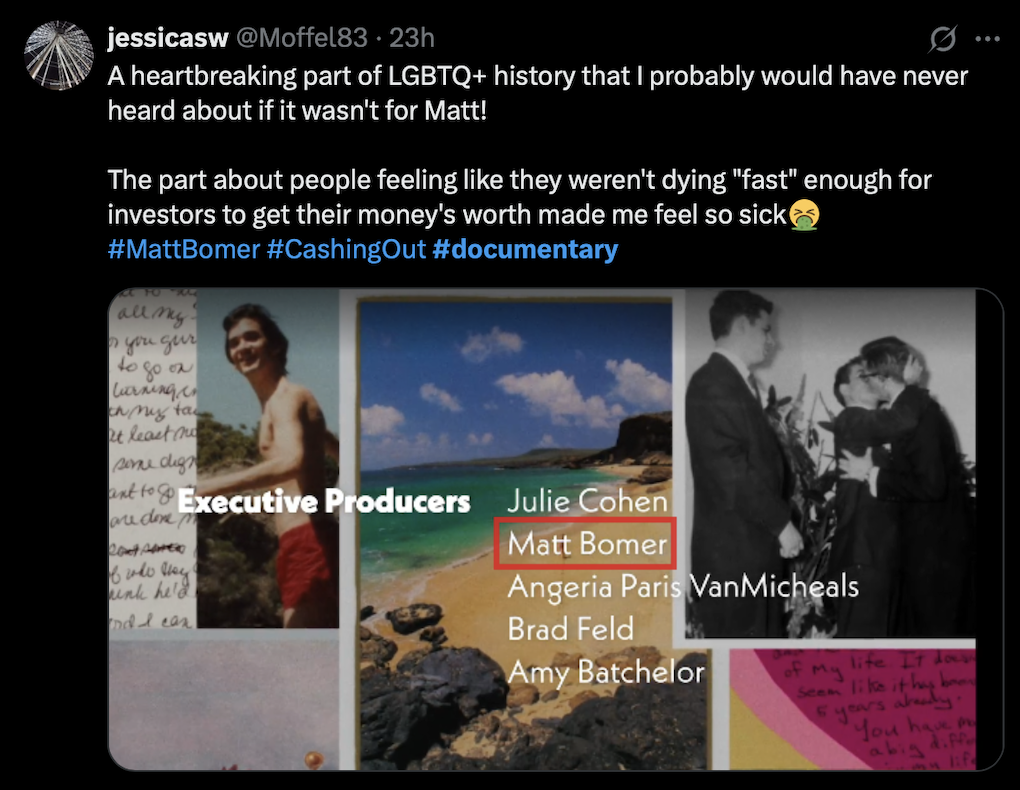
Enter Cashing Out, a new documentary directed by Matt Nadel and executive produced by Fellow Travelers actor Matt Bomer in collaboration with The New Yorker. The film revisits this morally fraught chapter of history, shining light on how viatical settlements offered both relief and exploitation in equal measure. For some, it meant dignity in their final months—being able to afford rent, travel, or simply a sense of control over their fate. For others, it highlighted the cruel reality that their deaths had become a business opportunity for strangers.
@fellow_travelers Is it too much to ask? 😩 #fellowtravelers #mattbomer #jonathanbailey #lovestory #historicaldrama
The New Yorker’s reporting on the project captures the unfortunate paradox perfectly: the industry offered what could feel like a dream life in the shadow of death. Imagine being handed the means to finally afford comfort, only because someone else was banking on your death. It’s the kind of moral dilemma that raises questions even today about capitalism, survival, and the value of human life.
What makes Cashing Out particularly poignant is that it reframes how we understand survival during the AIDS crisis. Not many of us knew of this harsh reality that was lived through by gay men who had the disease during those times. What we knew barely scratched the surface. Beyond the marches, the protests, and the desperate search for treatment, there were also quieter battles happening—men making deals to keep the lights on or to afford one last trip with a lover. The film doesn’t just revisit history; it forces us to reckon with the economic systems that preyed on the desperation of a community in crisis. It was truly a vulnerable moment in time.
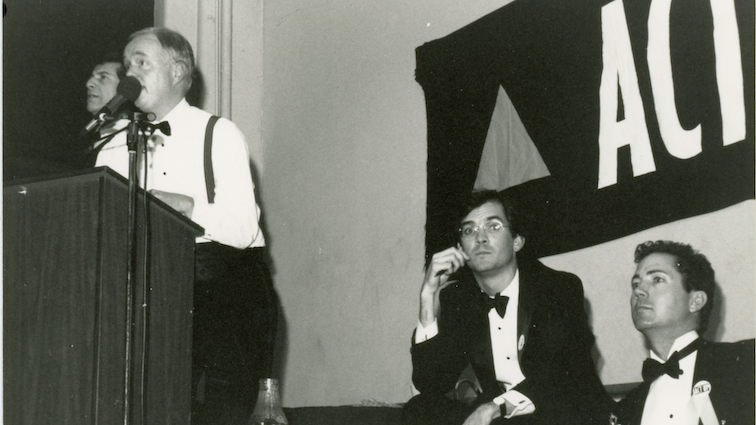 Source: Cashing Out | Catapult Film Fund
Bomer’s involvement ensures the story will reach audiences who might not otherwise have confronted this side of the epidemic. Known for his advocacy and openness about his own identity, Bomer brings a personal credibility to the project. His participation signals that this isn’t just a historical curiosity—it’s a story with resonance today, when access to healthcare and financial equity for queer communities remain pressing issues.
Ultimately, Cashing Out asks viewers to sit with uncomfortable truths: that survival in the face of AIDS wasn’t just about medicine, but about money. For many, it meant trading in the only asset they had left—their own life. And while viatical settlements may have bought people time or dignity, they also left behind a troubling legacy of profit built on the backs of the dying.
Joining Bomer as executive producer is Julie Cohen with director Matt Nadel and Luke Hodges as producers.
REFERENCE: The New Yorker
I love Matt Bomer and I support the lgbtqia communities. Yet so many in that community are pro apartheid state Israel and they have complete separation of the Gazans and the Jewish communities through their illegal occupation of Palestinian lands. I’ll just leave it at that.
Agreed 1000%.