


Luck has a funny way of showing up when we need it most — especially as one year ends and another waits impatiently at the door. As 2026 approaches, people everywhere are lighting candles, making lists, and quietly hoping the universe is listening. And while we may call ourselves modern, logical, and extremely online, we still love a good charm when it’s time for a fresh start.
 Photo Credit: sketchify via Canva.com
Across cultures, luck isn’t just a vibe — it’s a ritual. It’s something you wear, eat, touch, knock on, or sneak on under your outfit at midnight. New cultural insights from Lottoland UK reveal that despite different languages and landscapes, nations across Europe (and beyond) continue to cling lovingly to traditions meant to attract fortune, protection, and optimism.
Because when the future feels uncertain, a little symbolic magic never hurts.
RELATED: Fell In Love and Got Ghosted? Maybe They’re One of These 4 Zodiac SIgns
The UK & Ireland: Old-School Charms That Never Left
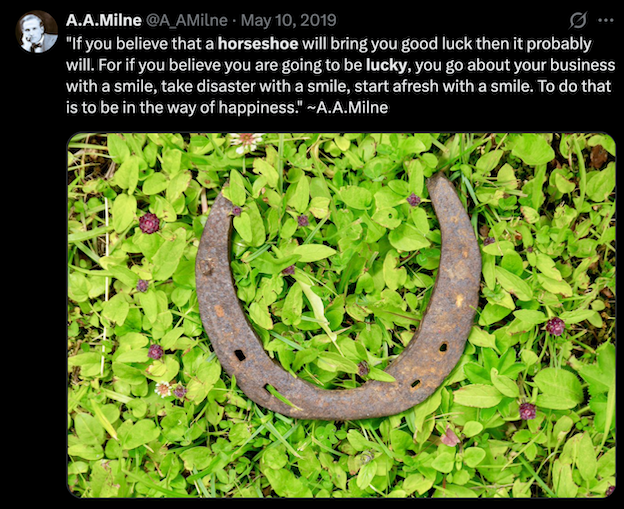
In the United Kingdom, luck is practically reflexive. You knock on wood without thinking, keep a lucky penny just in case, and hang a horseshoe like it’s interior décor and spiritual insurance. These customs are so ingrained they feel less like superstition and more like habit.
Ireland’s approach is equally iconic. The shamrock remains a beloved symbol of balance, protection, and fortune — deeply tied to history, identity, and yes, a bit of charm-fueled optimism.
France, Germany & Austria: Elegant, Playful, and Just Superstitious Enough
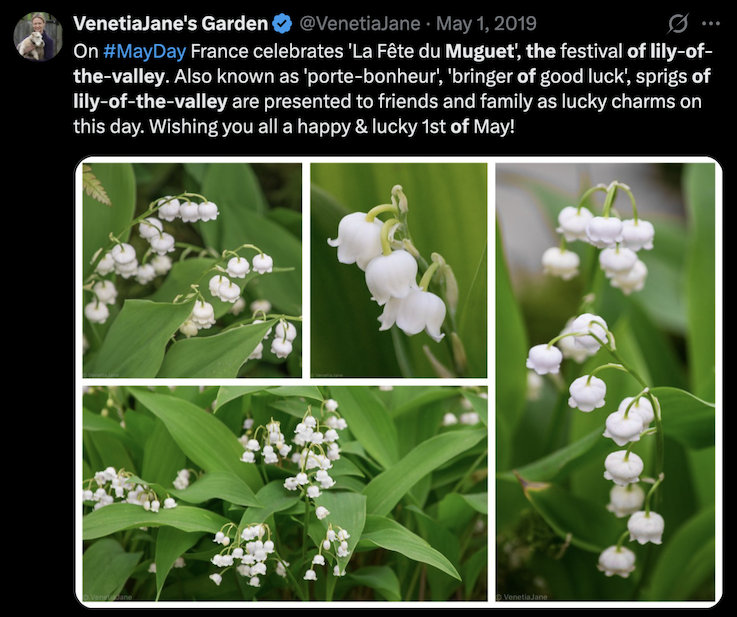
France does luck beautifully. Lily of the valley, or muguet, is gifted as a quiet wish for happiness and good fortune — a soft reminder that sometimes good fortune comes wrapped in flowers.
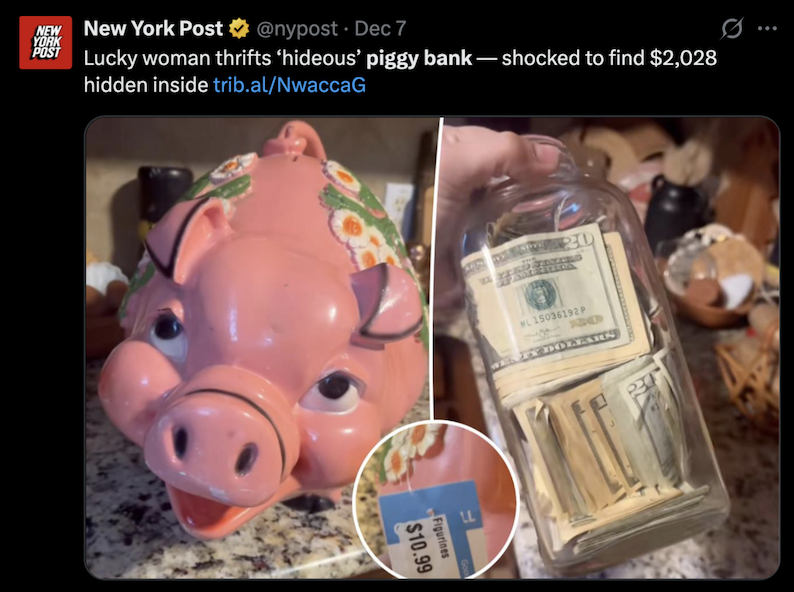
Germany and Austria, on the other hand, like their luck with personality. Chimney sweeps symbolize safety and prosperity, while pig figurines exchange hands during festive seasons like tiny, adorable promises of abundance. It’s whimsical, traditional, and weirdly comforting.
Italy & Spain: Loud, Passionate, and a Little Dramatic
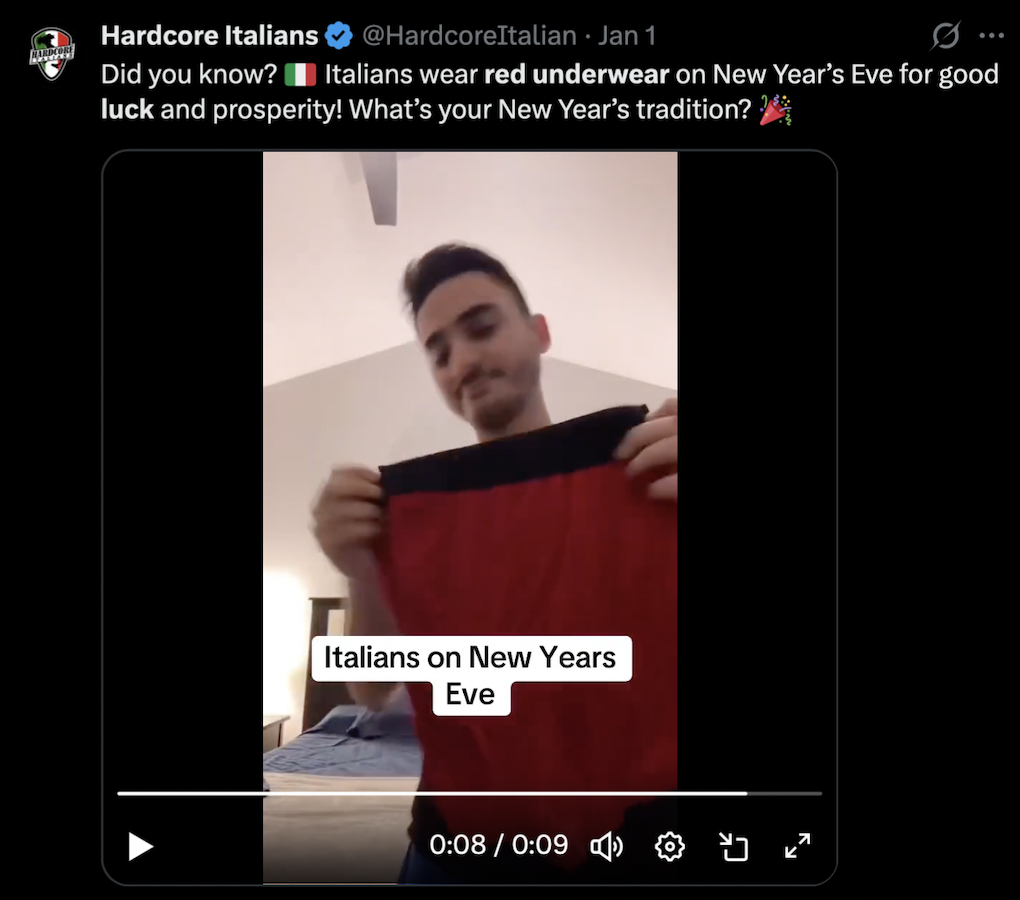
Italy brings flair to fortune. Red underwear is worn to attract positive energy, cornicello horns ward off bad energy, and protection is taken seriously — even if it’s hidden under a fabulous outfit. Is it superstition? Sure. Is it also iconic? Absolutely.
Spain turns luck into a spectacle. At midnight, grapes are eaten one by one, each bite representing a month of prosperity ahead. It’s chaotic, communal, and very on brand — because why manifest quietly when you can do it together?
Northern Europe: G, But Make It Resilient
In Norway and Sweden, luck leans symbolic rather than flashy. Horses, natural motifs, and endurance-driven imagery reflect cultures that value strength and stability. Here, fortune isn’t flashy — it’s earned, steady, and tied to resilience.
The Netherlands keeps things practical. Coins and piggy banks represent financial charms, reinforcing the idea that good fortune is something you build over time.
Greece & Poland: Protection Comes First
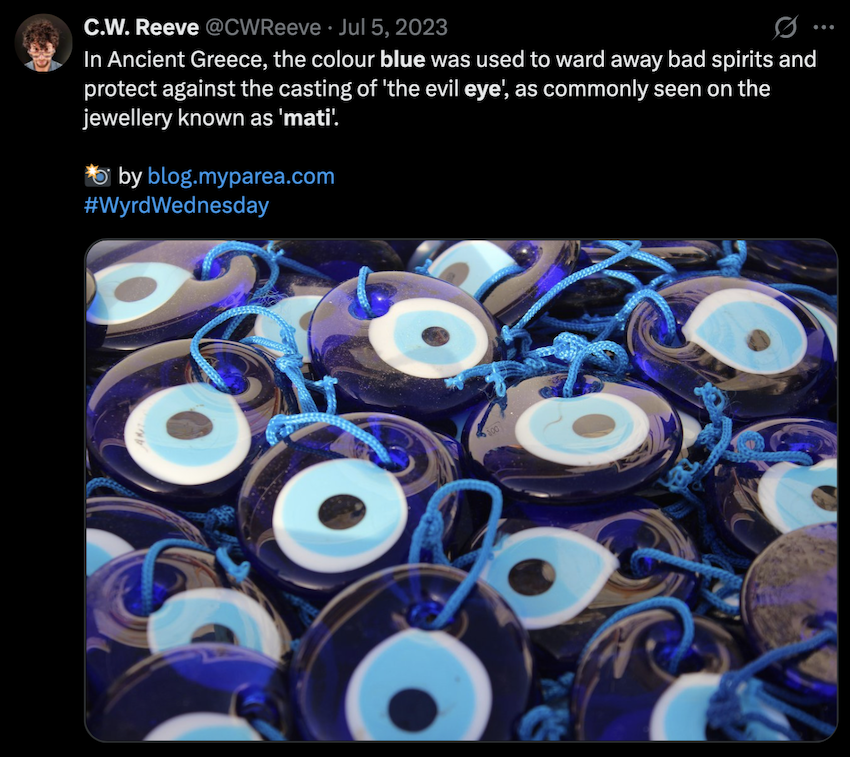
In Greece, the blue eye — or mati — is everywhere, guarding against envy and negative energy. It’s less about attracting luck and more about keeping bad vibes far away.
Poland’s carp motifs symbolize prosperity and success, rooted in abundance and continuity. Luck here is nourishing, sustaining, and meant to last.
The US & Australia: Casual Luck, Personal Rules
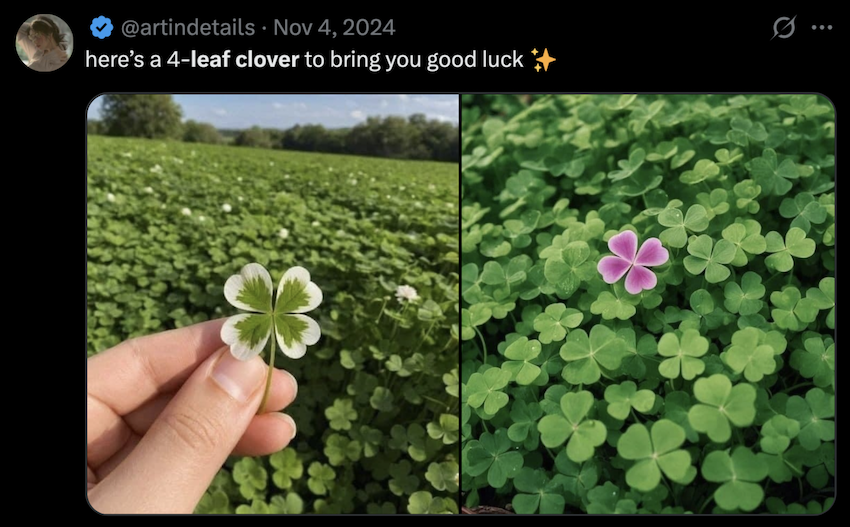
The United States treats luck as deeply personal. Four-leaf clovers, rabbit’s feet, and inherited family superstitions vary wildly, passed down more through storytelling than tradition.
Australia keeps things light. Opals and novelty charms reflect a culture that believes in hope — but prefers to keep things fun and not too serious.
Why Luck Feels Extra Important Right Now
According to Laura Pearson, VP of Global Corporate Affairs at Lottoland, timing plays a major role:
“Good luck charms tend to appear during moments of transition — the end of a year, new goals, or major life changes. While the symbols differ, they all reflect the same instinct: optimism about what’s next.”
As 2025 winds down, these rituals remind us that luck isn’t about guarantees. It’s about intention, hope, and daring to believe the next chapter might be brighter.
And honestly? Heading into 2026, we’ll take all the lucky energy we can get.