


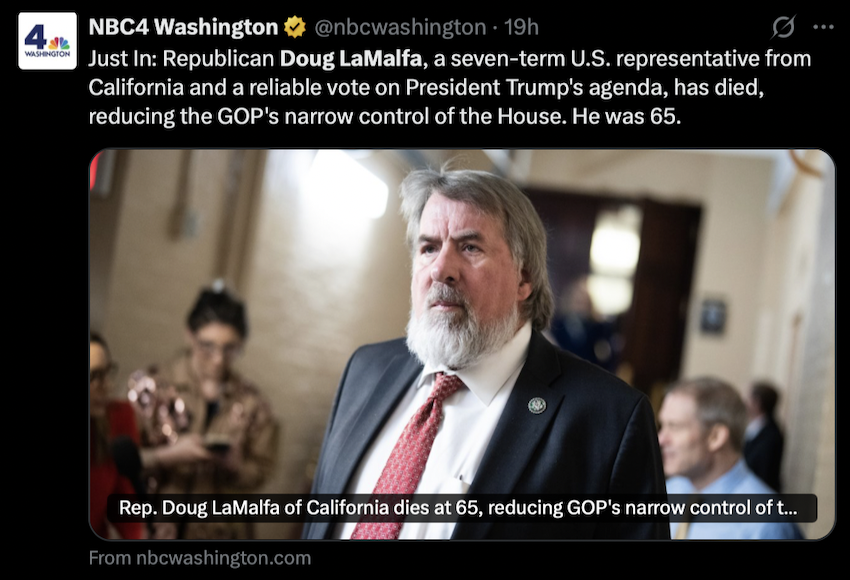
U.S. Rep. Doug LaMalfa, a Republican who represented California’s 1st Congressional District for more than a decade, has died at the age of 65 following a sudden medical emergency. According to local reporting, LaMalfa was transported by ambulance from his home and later died during emergency surgery at Enloe Hospital in California.
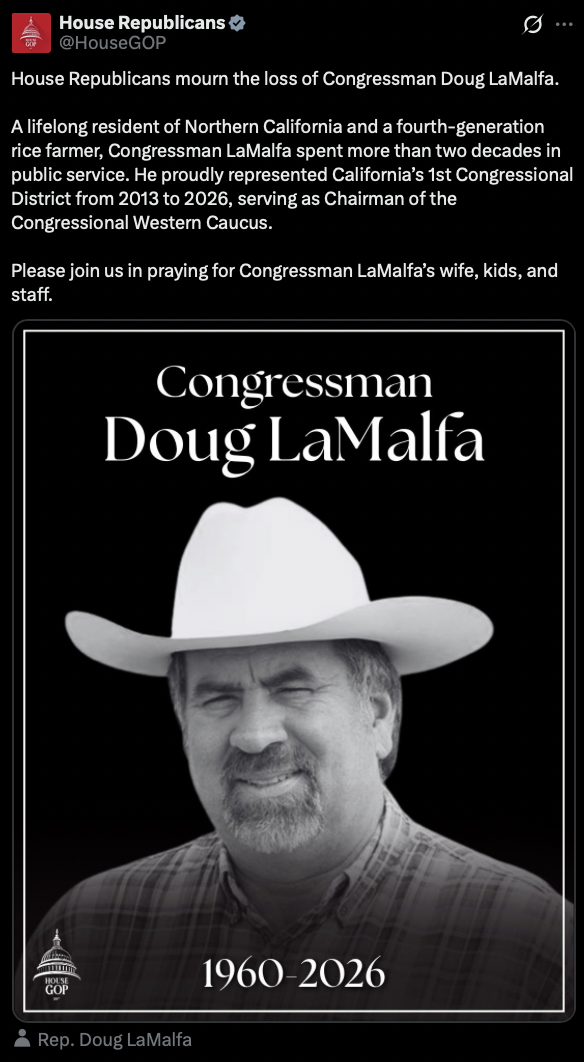
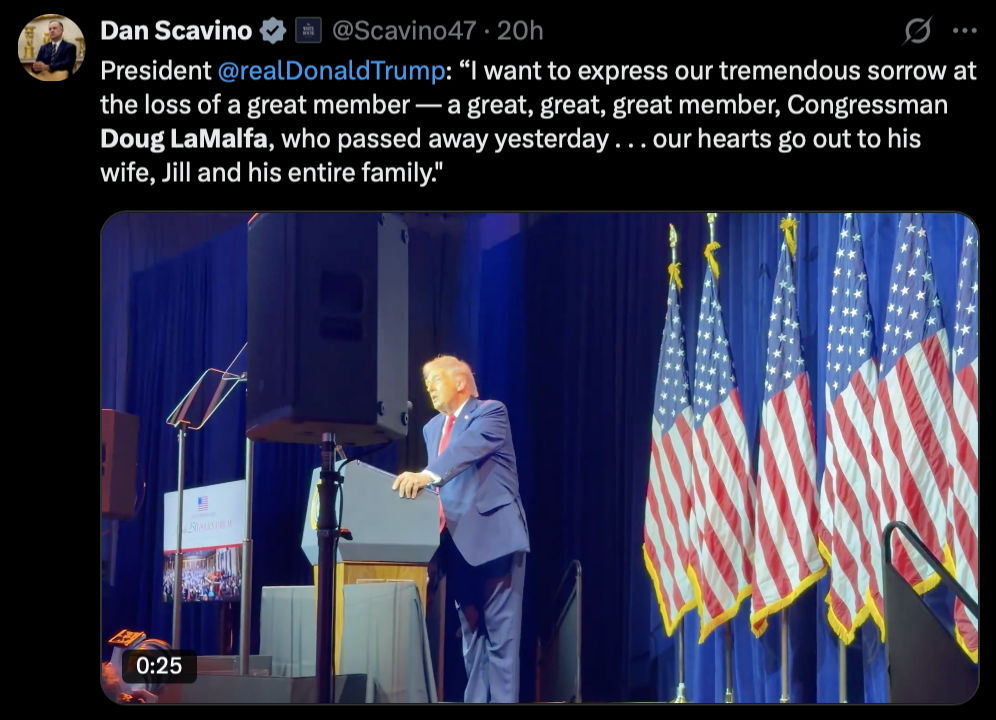
LaMalfa, a fourth-generation rice farmer, served in Congress from 2013 to 2026, spanning seven terms. His death narrows the Republican majority in the U.S. House and removes a long-standing conservative voice from federal politics. As news of his passing spread, colleagues across the political spectrum offered condolences, emphasizing his dedication to his district and years of public service.
For LGBTQ+ Americans, however, LaMalfa’s death reopens conversations about a political legacy deeply tied to opposition to LGBTQ+ equality—particularly transgender rights.
RELATED: Pedro Pascal Calls Out US Supreme Court Judges Who Are Against LGBTQ+ People
A Career Defined by Conservative Social Policy
Throughout his time in Congress, Doug LaMalfa was a reliable vote for socially conservative legislation. While he represented a largely rural district and often framed his positions as reflective of constituent values, his record placed him firmly among lawmakers opposed to LGBTQ+ civil rights advancements.
LaMalfa opposed marriage equality, supported ballot measures seeking to ban same-sex marriage, and consistently voted against legislation aimed at expanding LGBTQ+ protections. As national conversations shifted toward transgender inclusion and healthcare access, his focus increasingly centered on restricting transgender rights—especially those of young people.
Civil rights organizations and LGBTQ+ advocacy groups identified LaMalfa as a prominent figure in what they described as the Republican Party’s escalating campaign against transgender Americans.
Opposition to Transgender Rights and Healthcare
LaMalfa was a vocal opponent of protections for transgender students and repeatedly objected to policies allowing trans youth to participate fully in school life. His legislative record includes strong support for measures restricting gender-affirming care for minors, including his backing of—and advocacy for—the Protecting Children from Experimentation Act.
In public statements, LaMalfa frequently characterized gender-affirming healthcare as “medical experimentation,” a claim widely rejected by major medical organizations, including groups representing pediatricians, endocrinologists, and mental health professionals. LGBTQ+ health experts and advocacy organizations warned that such framing was misleading and stigmatizing, contributing to fear and misunderstanding around evidence-based care.
Advocates further cautioned that rhetoric like LaMalfa’s did not exist in a vacuum. They argued that it fueled increased harassment, discrimination, and health risks for transgender people—particularly trans youth, who already face disproportionately high rates of anxiety, depression, and suicide attempts.
Warnings From Advocates and Media Scrutiny
Over the years, LaMalfa’s positions drew sustained criticism from LGBTQ+ advocates in California and beyond. The Sacramento Bee editorial board documented his opposition to marriage equality and sharply criticized his comments about transgender students, describing his rhetoric as harmful and out of step with medical consensus.
Local and national LGBTQ+ organizations consistently challenged his claims, emphasizing that gender-affirming care is supported by leading health authorities and that denying such care can have serious consequences for young people’s well-being.
While LaMalfa rejected these critiques, advocacy groups maintained that his legislative efforts played a role in shaping a hostile environment for transgender Americans—one that extended beyond policy debates into lived experience.
Reactions to His Passing
Following his death, House Republicans released a statement mourning LaMalfa’s loss, noting that he “proudly represented California’s 1st Congressional District from 2013 to 2026” and highlighting his role as Chairman of the Congressional Western Caucus.
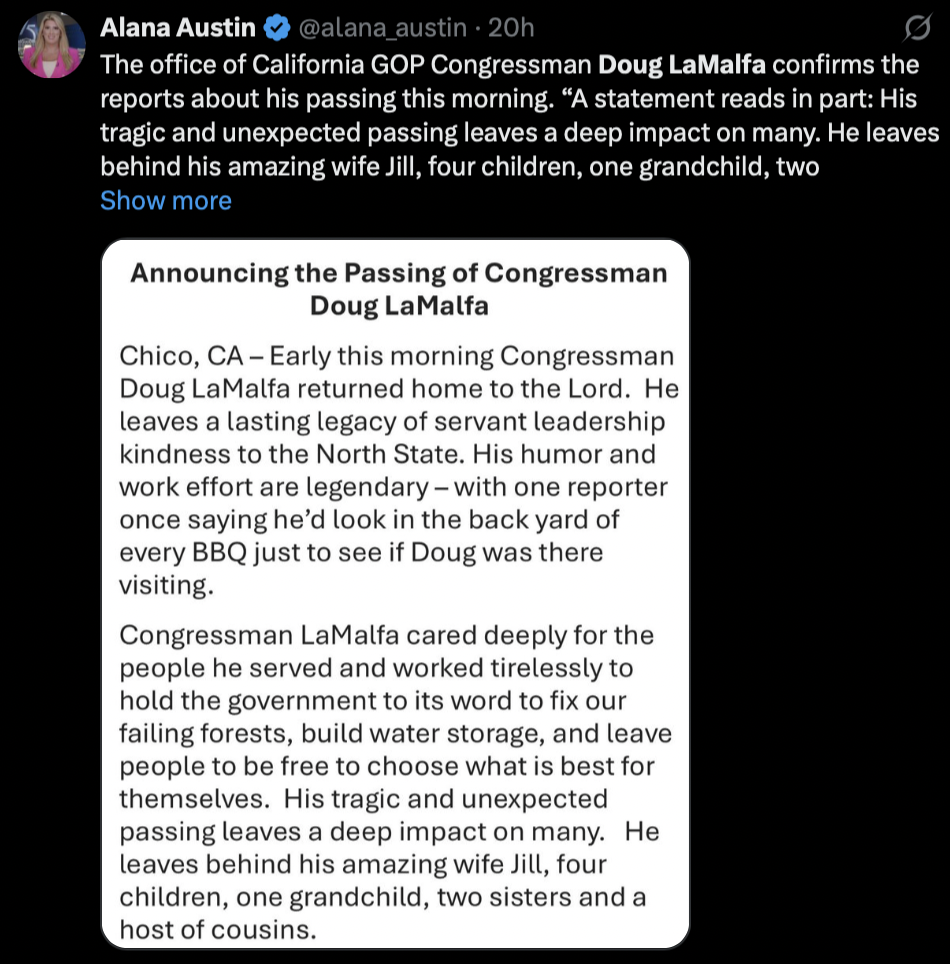
House Minority Leader Hakeem Jeffries (D-NY) also offered condolences, saying, “I join people across Northern California in mourning the untimely passing of Congressman Doug LaMalfa. Doug and I joined the Congress as classmates in 2013, and it was an honor to witness firsthand his passion and personal resolve for more than a decade.”
Such statements reflect the longstanding congressional tradition of honoring colleagues in death, even amid deep ideological differences.
Holding Space for Grief and Accountability
For LGBTQ+ communities, the death of Doug LaMalfa is not a moment of celebration, nor is it one that erases harm. It is possible—and necessary—to acknowledge a life lost while also naming the real-world impact of policies that denied dignity and safety to marginalized people.
LaMalfa’s passing marks the end of a political career that many LGBTQ+ Americans experienced as painful and threatening. It also serves as a reminder that legislation is never abstract: it shapes healthcare access, school safety, family recognition, and the daily lives of queer and trans people.
As Congress moves forward, advocates hope that the absence of one of the federal government’s most consistent opponents of transgender rights may create space for more compassionate, evidence-based policymaking—centered on care, inclusion, and the humanity of LGBTQ+ people.
Doug LaMalfa’s legacy will be debated in political circles for years. For LGBTQ+ Americans, it remains a cautionary chapter—one that underscores why representation, vigilance, and continued advocacy still matter.
i will not mourn nor celebrate