


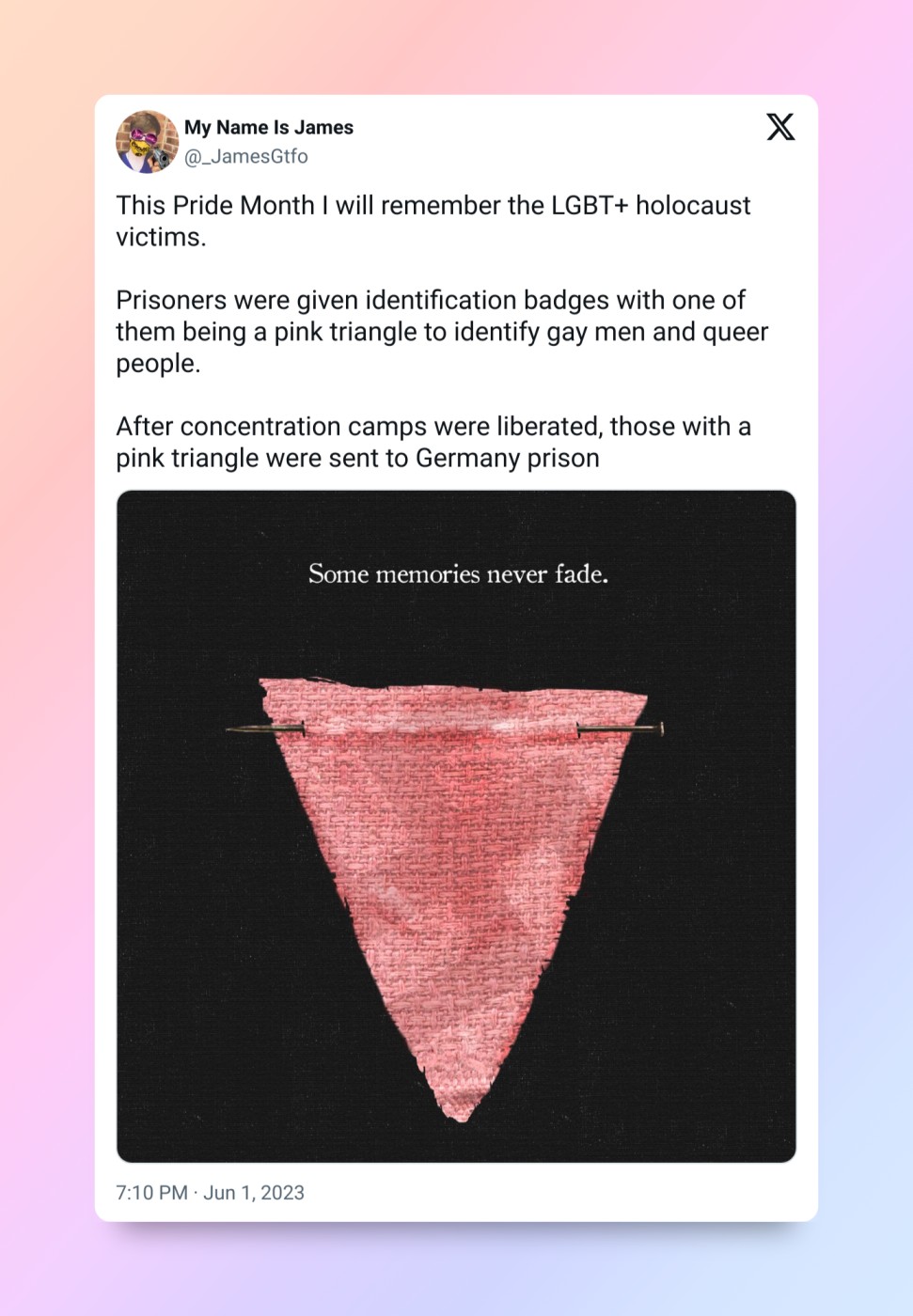
The pink triangle—a symbol once used by Nazis to oppress LGBTQ+ individuals—reminds us that annually, January 27, Holocaust Memorial Day, is a time to pause and remember the horrors of the Holocaust. It’s a day to honor the millions who lost their lives under Nazi rule, including the many LGBTQ+ individuals who were persecuted and killed simply for existing. This day serves as a somber reminder of the capacity for hatred to warp a society, but it’s also a chance to reflect on how we’ve turned symbols of oppression into icons of defiance and pride.
RELATED: After ICE Shooting, LGBTQ Fears and Asylum Questions Intensify
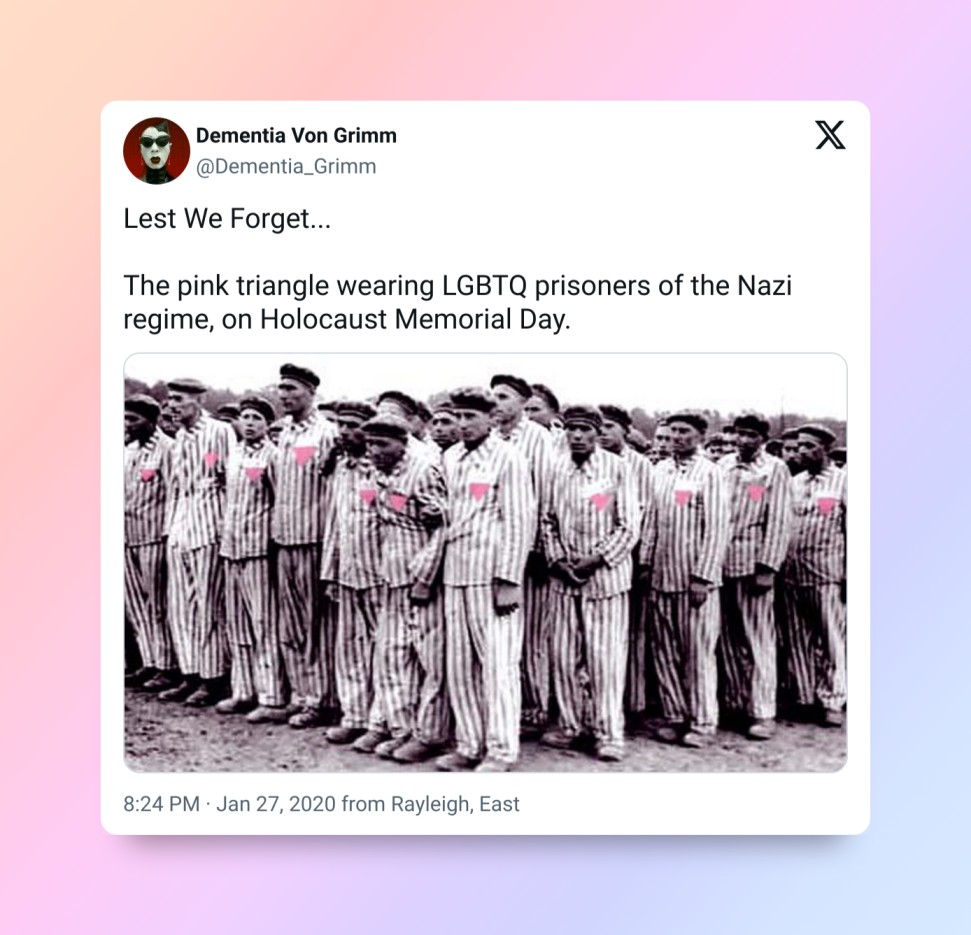
A Queer Utopia Lost: Berlin Before the Storm
Imagine Berlin at the turn of the 20th century: a vibrant, queer paradise. Over 100 LGBTQ+ bars, cafés, and clubs. A thriving community of queer activists pushing for equality and visibility. It was a time when being LGBTQ+ wasn’t just tolerated—it was celebrated, with publications, clubs, and social spaces where love knew no bounds.
RELATED: No Parade, No Problem? The Dark Side of Pride’s Financial Struggles
But then, as the Nazis rose to power, everything changed. Homosexuality was targeted as a threat to the Nazis’ twisted vision of an “Aryan” society. Gay men were particularly targeted because men were more likely to hold positions of power in society at the time. With the rise of Nazi rule, this queer utopia was quickly crushed.
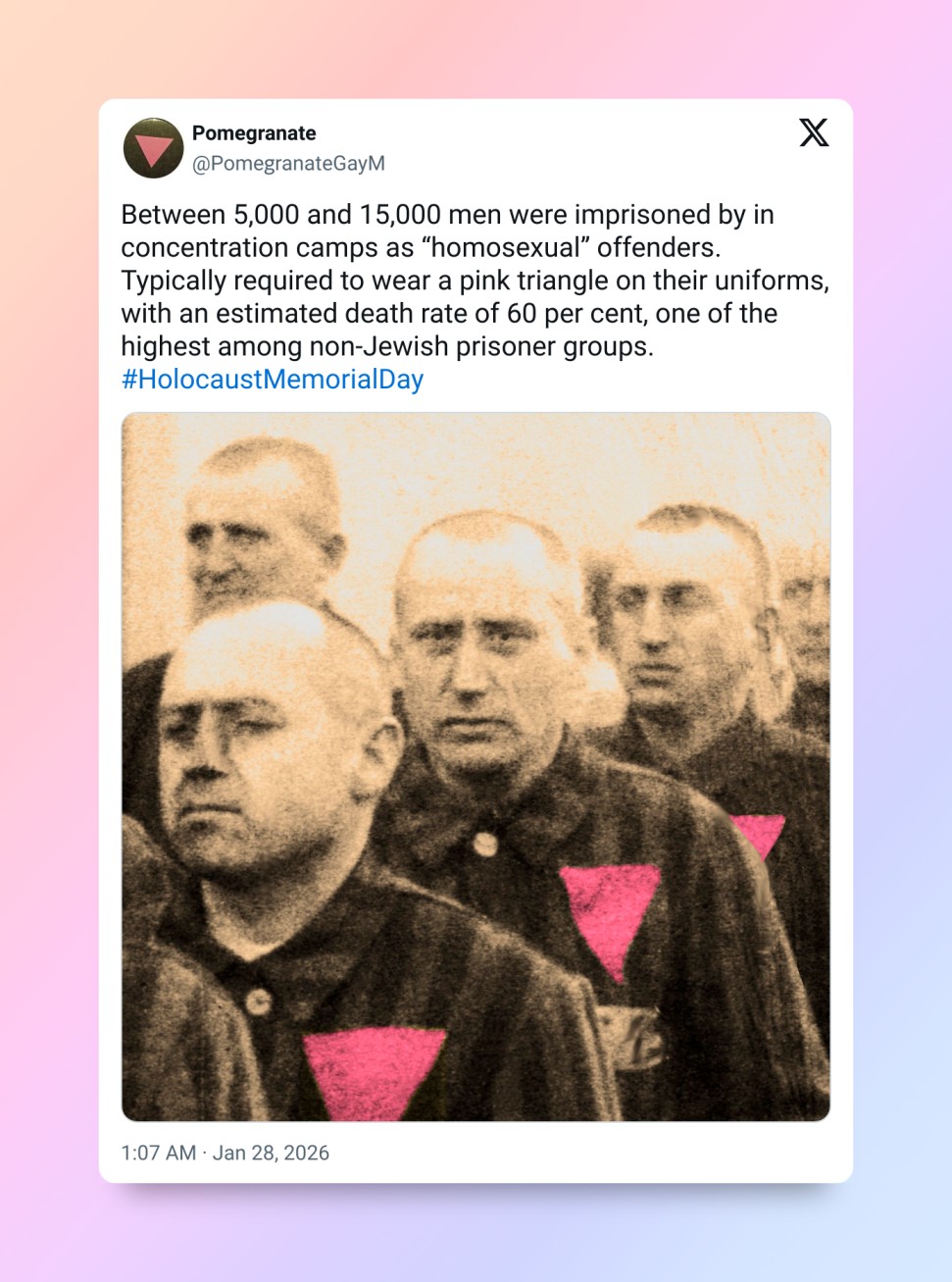
In concentration camps across Europe, it’s estimated that over 15,000 gay men were arrested, tortured, and sent to their deaths. These men were forced to wear the pink inverted triangle on their uniforms, a symbol that marked them as “inferior” in the eyes of their captors. The triangle wasn’t just a badge—it was a sign that they were considered expendable. Tragically, 60% of these men did not survive the brutal conditions of the camps.
Reclaiming the Pink Triangle: From Shame to Pride
Now, here’s where the pink triangle’s story takes a turn for the better. While the symbol was once used by the Nazis to humiliate and dehumanize, it was later reclaimed by the LGBTQ+ community as a symbol of resistance, pride, and solidarity. In the 1980s, during the AIDS crisis, LGBTQ+ activists—especially members of Act Up—flipped the pink triangle right side up and used it as a symbol in their fight for AIDS awareness and better treatment for those suffering from the virus.
The triangle became a reminder of both the community’s past suffering and its present strength. It symbolized survival, resistance, and the collective power to never let history repeat itself. No longer a badge of shame, the pink triangle was transformed into an emblem of pride, resilience, and rebellion.
Pink Triangle Day: Celebrating Resistance and Pride
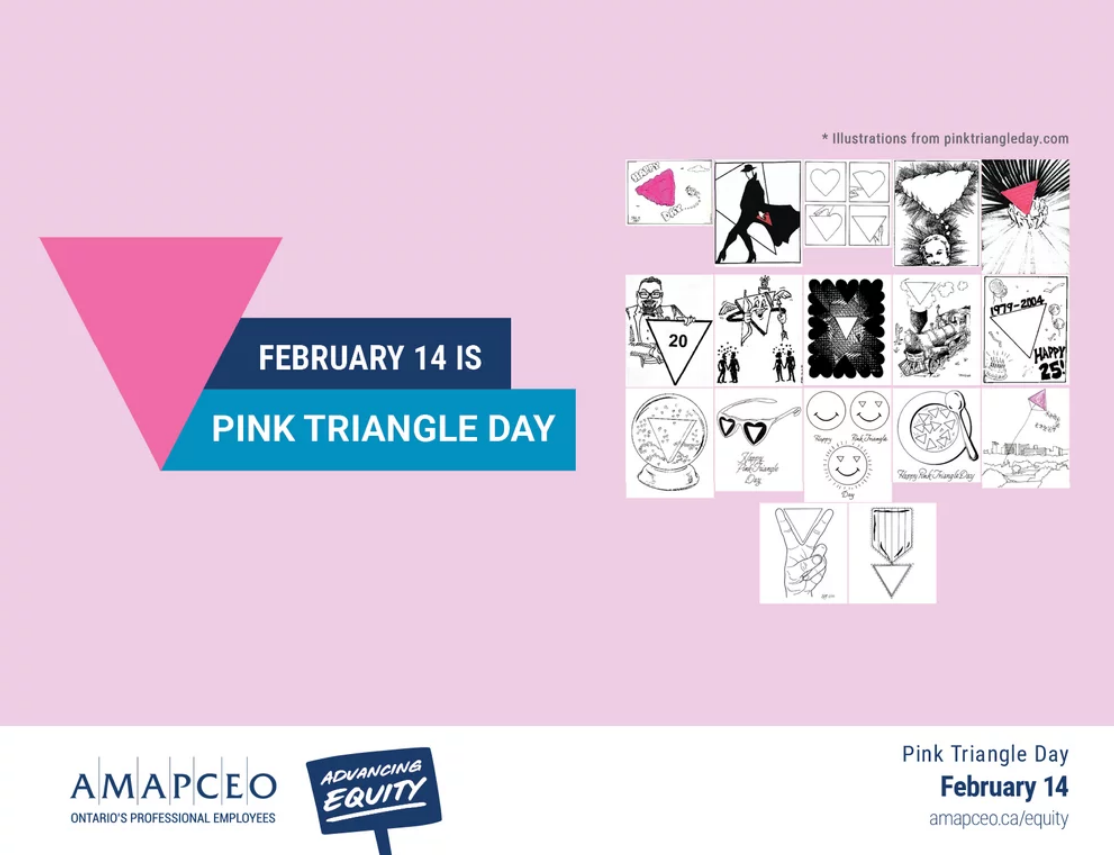
On February 14, we celebrate Pink Triangle Day—an annual event honoring the LGBTQ+ community’s ongoing fight for equality, love, and freedom. It’s a day to reflect on the dark history of the pink triangle, but also a celebration of how that very symbol was reclaimed by the community as a beacon of resistance and pride.
As we face anti-LGBTQ+ rhetoric, discriminatory policies, and the persistent fight for our rights, the pink triangle serves as both a warning and a call to action. We must remember what this symbol represents: not just the tragedy of over 15,000 gay men lost in the Holocaust, but the power of a community that refuses to be erased.
The Glow-Up of the Pink Triangle: Wear It with Pride
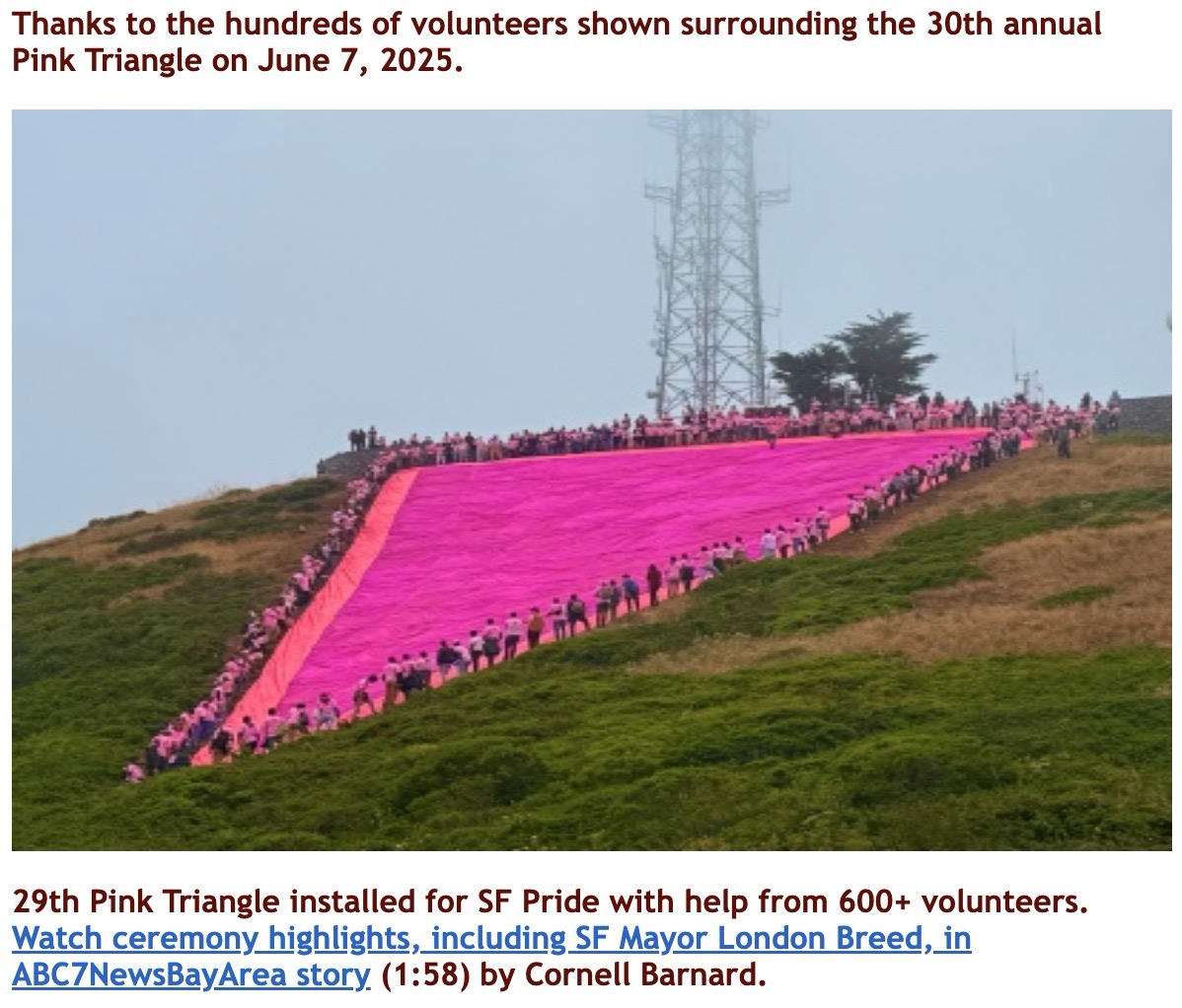
What was once a mark of humiliation has become a global symbol of resilience. Today, the pink triangle is everywhere—from protest marches to Pride parades to LGBTQ+ events across the globe. In San Francisco, it glows brightly over the city during Pride Month, reminding us that the fight for equality is far from over.
Let’s celebrate Pink Triangle Day with pride. Wear the pink triangle, wave it at a parade, share its story. It’s no longer a symbol of oppression—it’s a mark of survival, of strength, and of the fierce spirit that has carried us through dark times.
For more information about the pink triangle of San Francisco, head over to https://thepinktriangle.com/
Reclaim. Resist. Reimagine.
The pink triangle represents the horrific past, yes, but it also represents how far we’ve come. From the horrors of Auschwitz to the glorious defiance of today’s Pride celebrations, the pink triangle is a testament to the strength of the LGBTQ+ community.
So wear it with pride. Wave it high. The pink triangle is a symbol of what we’ve endured, and a promise of the future we’re building together. Let’s stand tall and remember: we are here, we will fight, and we will never stop striving for a world where love is free, and all are equal.
Never forget. Never stop fighting.
If we can reclaim such a figure, a horrific symbol and have it stand for power and solidarity, can we and haven’t we already reclaimed the word queer? Or do we have to wait for another generation, another couple of decades, before queer is able to be used as a word of power and not persecution?If we can do it for the deadly pink triangle…