


For many LGBTQ+ people, the word conversion carries painful memories and a troubling history. For New York congressional candidate Mathew Shurka, it is also the reason he stepped into politics. After surviving conversion therapy himself, Shurka says that banning the practice nationwide would be one of his top priorities if he wins a seat in Congress.
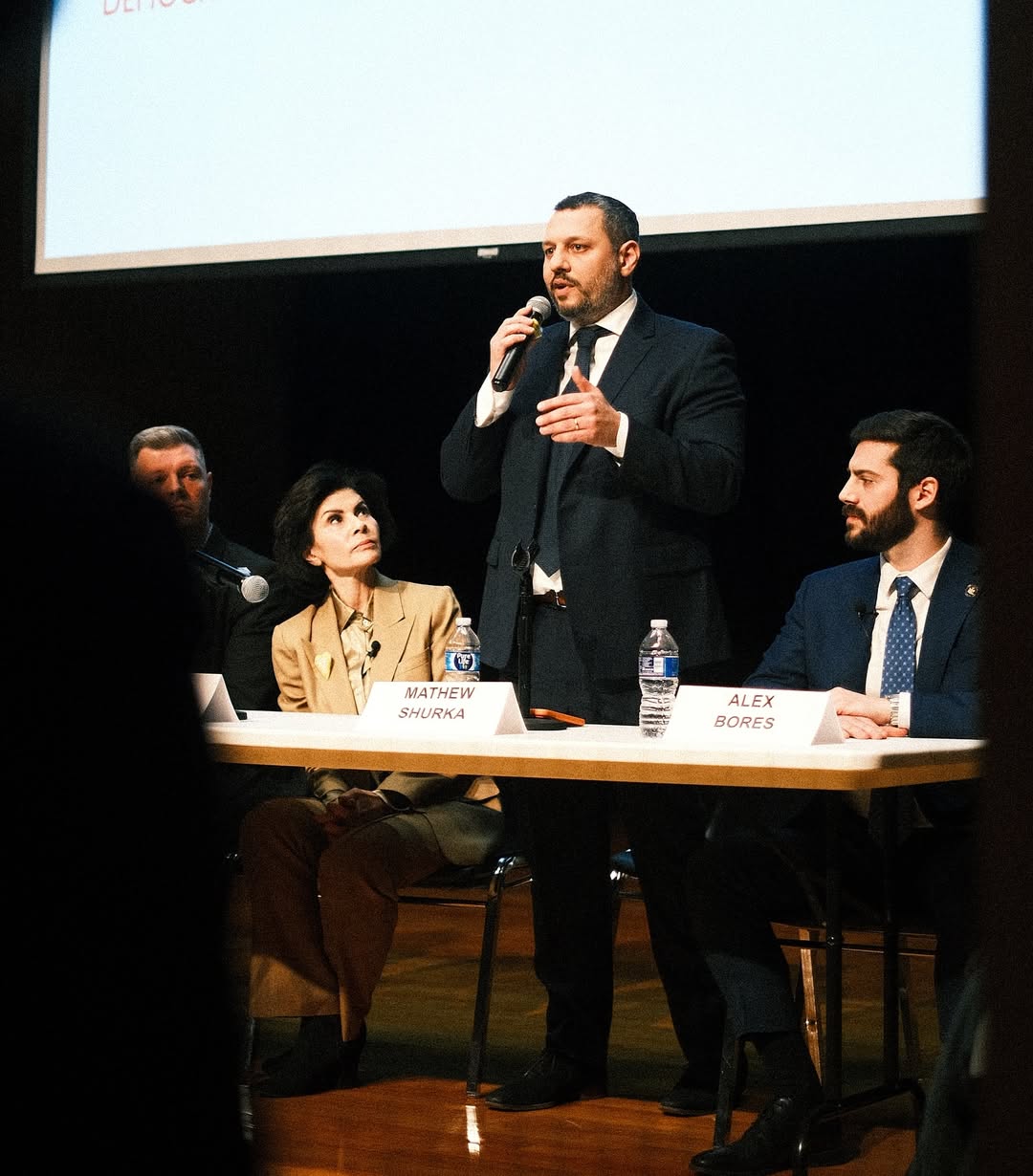
Shurka, a longtime LGBTQ+ activist, is running in the Democratic primary to replace longtime representative Jerry Nadler in New York’s 12th Congressional District. The race is expected to be competitive, especially with Jack Kennedy Schlossberg in the ring, but Shurka believes his personal story and advocacy work resonate strongly with voters who want change.
A Survivor’s Story
Shurka has spoken openly about his experience with five years of conversion therapy, a practice that attempts to change a person’s sexual orientation or gender identity. He says he was subjected to these programs from his mid-teens through his early twenties.
The experience deeply affected him and ultimately shaped the path he chose afterward. Instead of staying silent, Shurka turned his story into activism. He began speaking publicly about the harm caused by conversion therapy and worked with organizations dedicated to ending it.
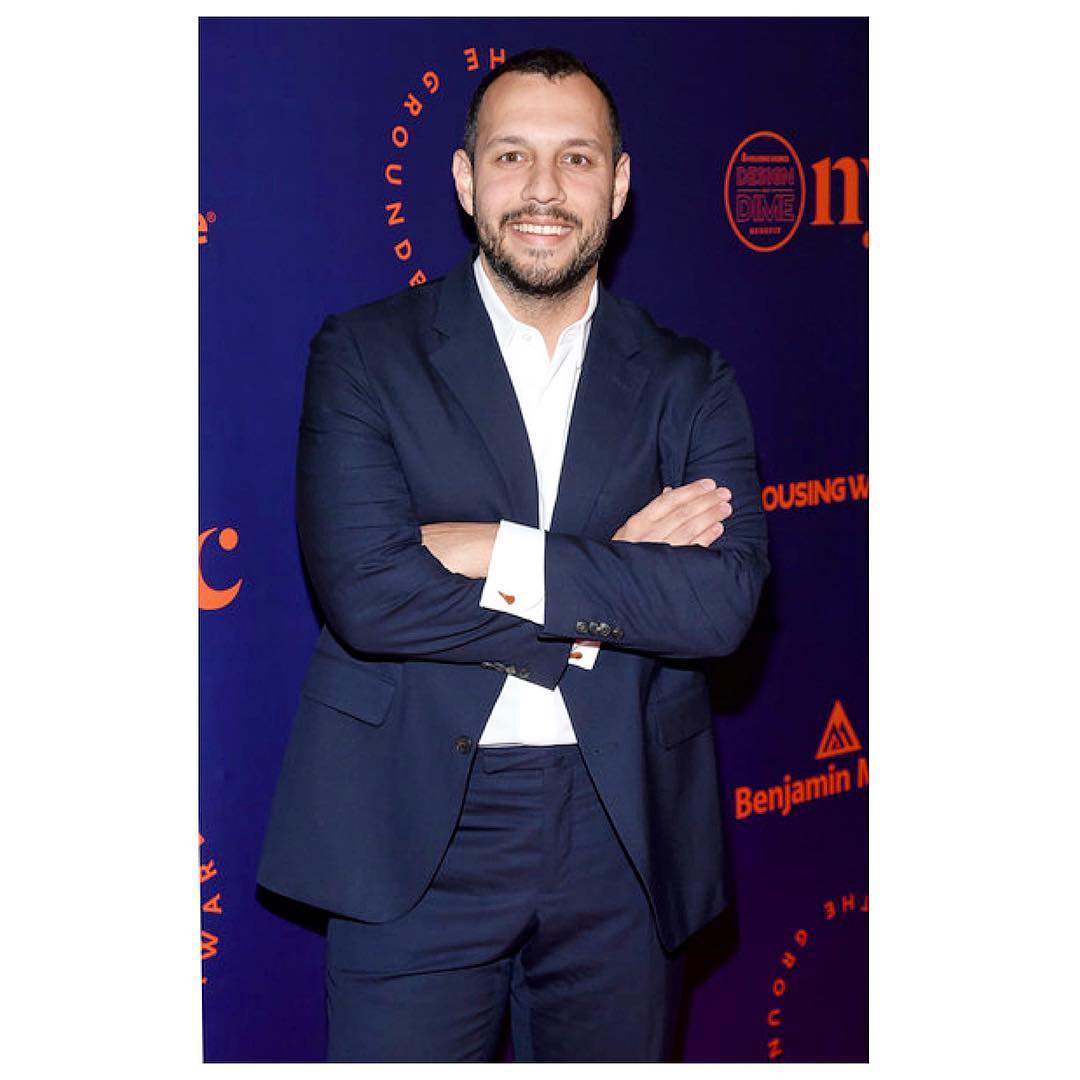
Medical experts overwhelmingly reject the idea that sexual orientation or gender identity can—or should—be changed. Major organizations such as the American Medical Association have condemned conversion therapy, citing serious risks to mental health.
Research has linked the practice to depression, anxiety, substance abuse, and even increased suicide risk among LGBTQ+ youth.
RELATED: Former LGBTQ+ Haven Quest Club Burns as Investigation Begins
The Born Perfect Campaign
In 2014, Shurka co-founded the Born Perfect campaign, a national effort aimed at ending conversion therapy in the United States. The initiative focuses on passing laws that protect LGBTQ+ young people from being forced into these harmful programs.
Through the campaign, Shurka traveled across the country working with lawmakers, advocates, and survivors. His advocacy helped support legislation banning conversion therapy in numerous states and cities.

The National Center for LGBTQ+ Rights launched Born Perfect to raise awareness about the damage caused by these practices and to push for legal protections for LGBTQ+ youth. The campaign’s message is simple but powerful: LGBTQ+ young people deserve safety, dignity, and acceptance.
For Shurka, the work has always been personal.
Taking the Fight to Congress
Now, Shurka wants to bring that advocacy to congress. If elected, he says he will push for federal legislation that bans conversion therapy nationwide.
Currently, bans exist in more than twenty states and Washington, D.C., but the rules vary widely depending on where someone lives. Advocates argue that a federal ban would create consistent protections for LGBTQ+ youth across the country.
Shurka has also expressed concern about ongoing legal battles that could threaten existing bans. Some court cases are challenging whether states have the authority to restrict conversion therapy for minors.
If those protections are weakened, advocates fear the practice could regain legitimacy in some areas.
That possibility is one reason Shurka believes national action is urgently needed.
Turning Pain Into Progress
For many voters, Shurka’s campaign represents more than a typical congressional race. It is also part of a larger conversation about protecting LGBTQ+ rights and ensuring young people grow up free from harmful practices like conversion therapy.
Shurka often emphasizes that his goal is simple: to make sure future generations never have to go through what he experienced.
If he succeeds, the issue of conversion—once a painful chapter in his life—could become the driving force behind national protections for LGBTQ+ youth.
And for many in the community, that would be a powerful step forward.