


Pride has never been especially good at following detour signs. You can close a square. You can reroute a subway. You can even put up enough metal barricades to make a pop concert jealous. What you apparently can’t do is convince LGBTQ people that Pride only exists if city officials approve the itinerary.
RELATED: Oregon Pride Wanted a Safer Celebration, March Canceled Instead
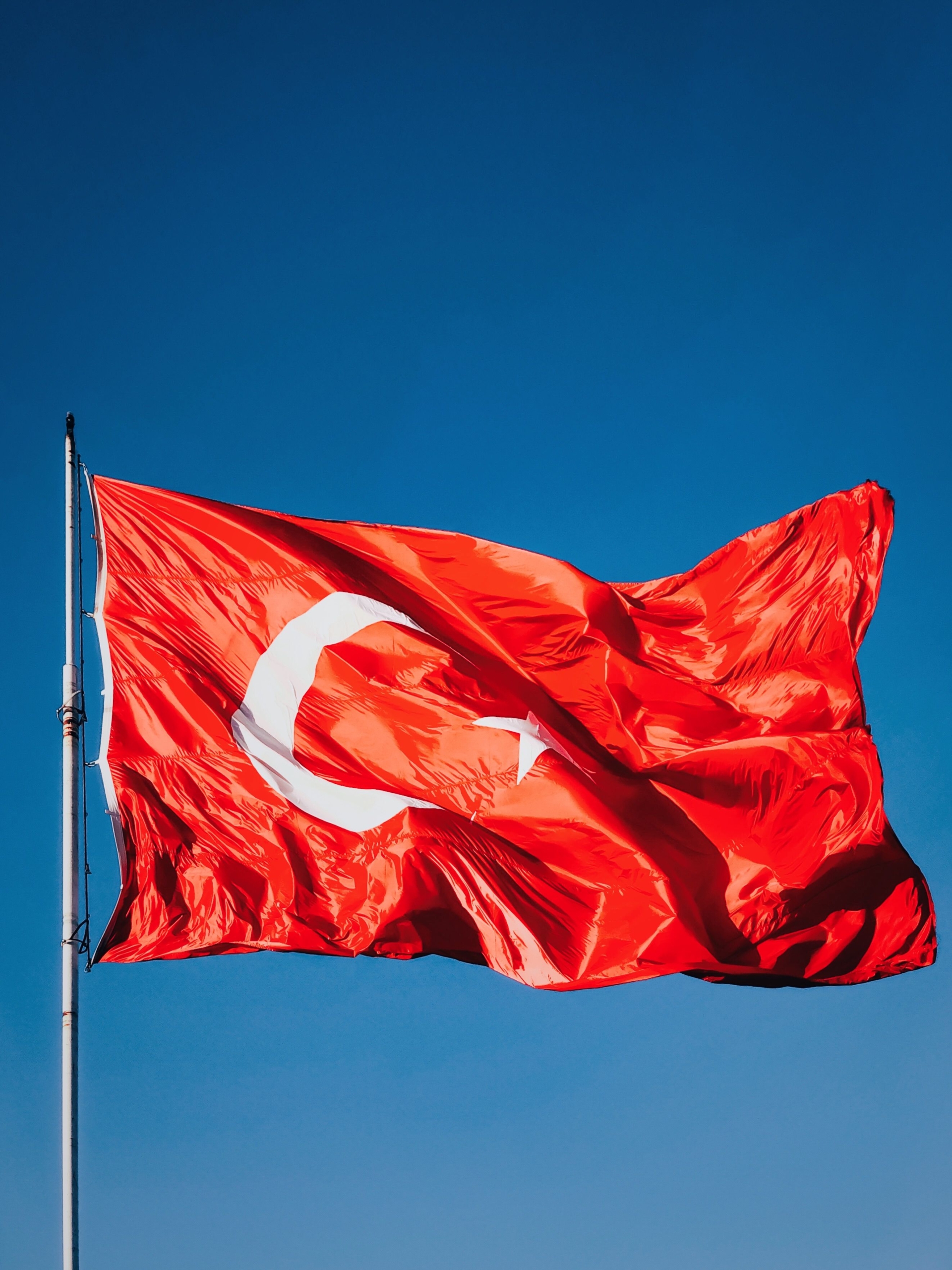
That lesson played out once again in İstanbul on Sunday, where Turkish police detained at least 50 people—including a journalist—as LGBTQ demonstrators gathered across the city despite an official ban on the annual Pride march. For a celebration rooted in resilience, Plan B has practically become part of the tradition.
İstanbul Pride refuses to fit inside one police barricade
Authorities spent the day trying to keep demonstrations from taking shape. Security was tightened around the city’s iconic Taksim Square, with iron barriers surrounding the area, while officials prohibited gatherings in several major locations, including the Asian-side district of Kadıköy. Subway service to several central stations was also restricted in an effort to curb access.
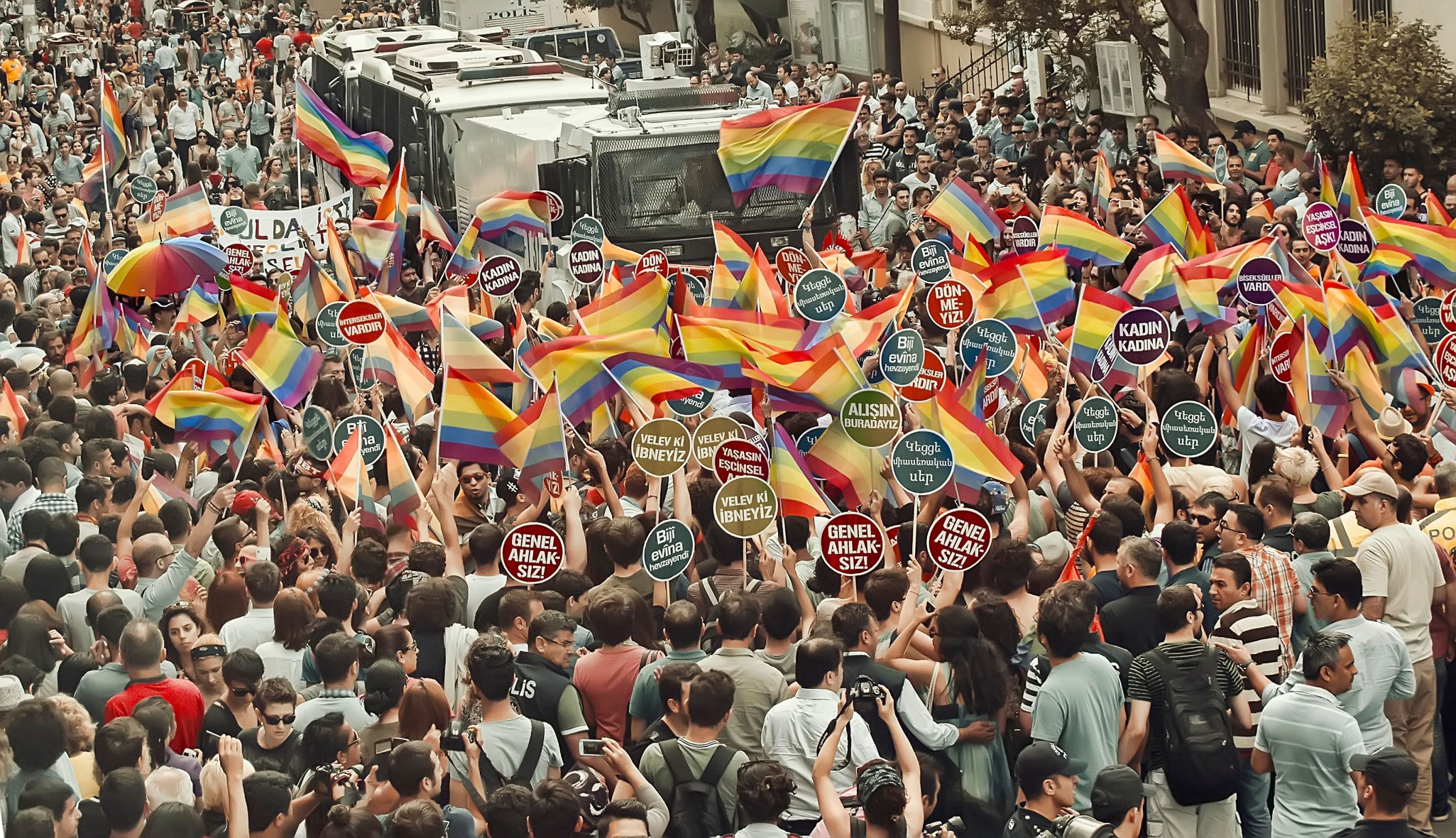
Rather than treating one blocked square as the end of the story, LGBTQ protesters gathered in several neighborhoods across İstanbul instead, proving that Pride is a community—not a postcode.
Police detained at least 50 people during the demonstrations, continuing a pattern that has become all too familiar since the city’s annual Pride marches began facing sweeping bans nearly a decade ago.
RELATED: Two Court Cases: Refusing Gay Weddings Paid More Than Coming Out.
A journalist was swept up in the arrests
Among those detained was journalist Müberra Ünsal, according to the Turkish Journalists’ Union, despite her holding a valid press card.
The union condemned the detention, saying:
“Journalists covering the İstanbul Pride March faced unlawful interference again this year. Despite repeatedly identifying herself as a journalist, Ünsal was also taken into custody.”
Gazeteci Müberra Ünsal, basın kartı olmasına rağmen gözaltına alındı!
Bu yıl da İstanbul Onur Yürüyüşü’nü takip eden gazetecilere hukuka aykırı müdahale edildi. Defalarca “basınım” demesine rağmen Ünsal da gözaltına alındı.
LGBTİ+’ların barışçıl biçimde hak ve özgürlüklerini… pic.twitter.com/6uo3B57Ncg
— Gazeteciler Sendikası (@TGS_org_tr) June 28, 2026
It’s difficult to document history when the people documenting it are also being detained.
Protesters answered with determination instead of silence
If authorities hoped arrests would quiet the demonstrations, the protesters had a different response.
They chanted:
“My love, today isn’t over yet. In fact, we’re just getting started. We’re not giving up. We’ll keep taking to the streets from every corner we’re in.”
That’s less a slogan and more a reminder that Pride has never depended on permission slips.
Support also came from the İstanbul Bar Association, which unfurled a large banner from its building on İstiklal Avenue reading:
“LGBT is human rights.”
Sometimes the shortest statement is also the clearest one.
The crackdown didn’t begin this year
Homosexuality is not illegal in Turkey, yet LGBTQ people continue to face growing political hostility. President Recep Tayyip Erdoğan has repeatedly targeted the LGBTQ community in public remarks, including blaming it for the country’s declining birth rate. Meanwhile, İstanbul’s once-massive Pride march has been almost systematically banned and dispersed by police every year since 2015.
Despite that history, activists continue showing up. If anything, the repeated bans have underscored how much visibility still matters.
Pressure extends beyond the Pride march
The weekend’s events weren’t limited to the demonstrations. On Saturday, Turkish authorities ordered an İstanbul gay bar owned by Mustafa Doğan Yılmaz to close over unspecified violations after Islamist groups campaigned against him online.
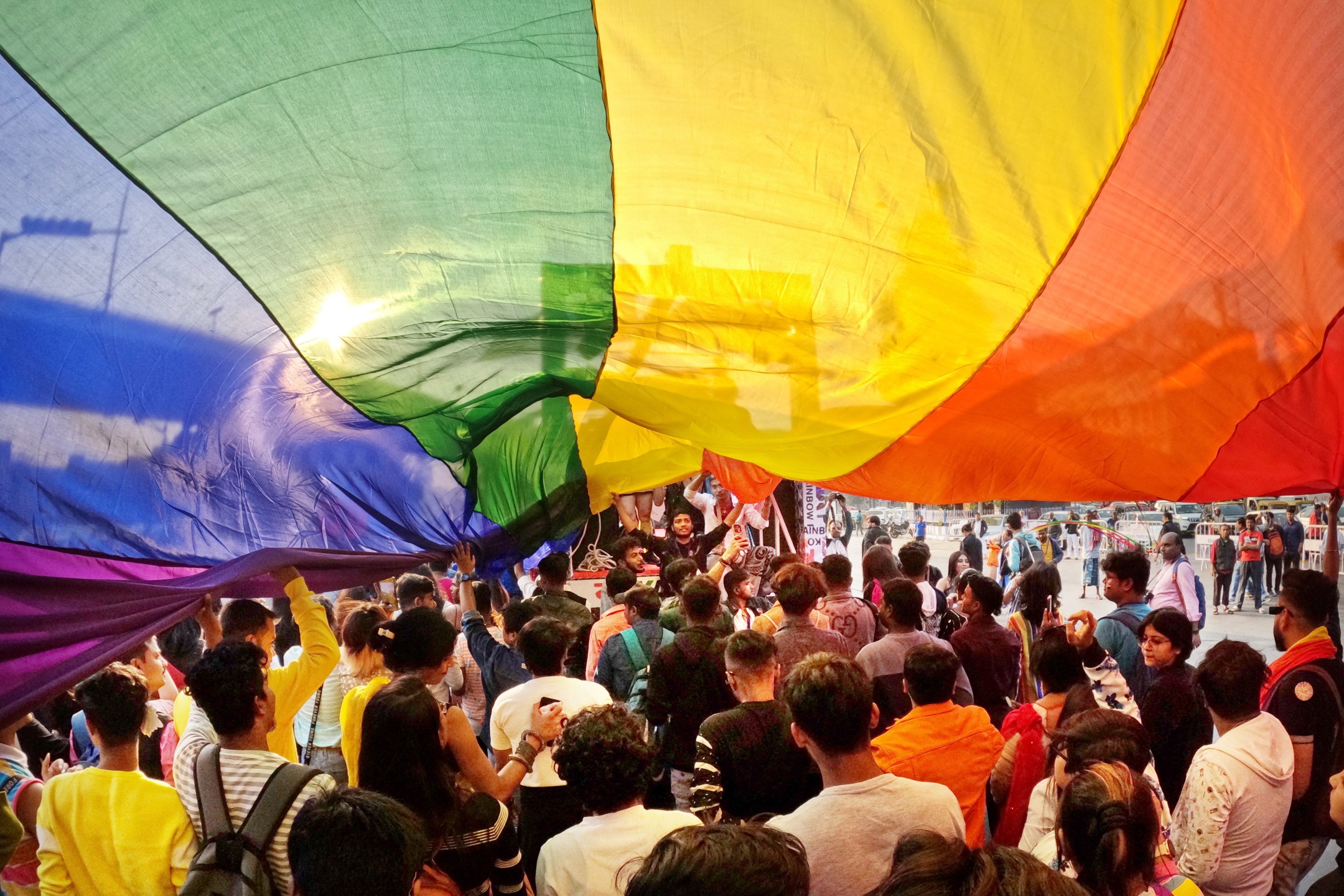
The campaign focused on a planned LGBTQ cruise that had been scheduled to dock in İstanbul on July 8. Critics claimed Yılmaz was organizing the Turkish portion of the trip, and pro-government newspaper Yeni Şafak later reported that the cruise operator had canceled the İstanbul stop.
Taken together, the developments paint a broader picture of the challenges facing Turkey’s LGBTQ community—not only during Pride, but also in businesses, public spaces, and everyday visibility.
Because here’s the thing about Pride: it’s remarkably difficult to cancel. You can block the streets, but people have an uncanny habit of finding another route. And as long as they’re still showing up, the story isn’t about the barricades—it’s about everyone who kept walking anyway.
Source: Turkish Minute and SCMP