

Picture it: Miami, early 2000s. Cargo pants were king, everyone still pretended to like low-rise jeans, and Ricky Martin was shaking his bon-bon on every TV screen on Earth. But backstage, behind the sheen of Latin pop glitter, there was a much less rhythmic beat playing — one of privacy, pain, and a media culture addicted to “gotcha” moments.
RELATED: Ricky Martin Is Heating Up the Beach—and the Stage
Billy Bush, at the time a fresh-faced “Access Hollywood” correspondent, stepped into that rhythm awkwardly, like someone two beats behind the music. On the podcast Literally! With Rob Lowe, Bush recently cracked open the vault on one of his career’s more infamous moments — and LGBTQ+ listeners, especially those who came of age during Ricky’s rise, might find the rewind bittersweet.
RELATED: Ricky Martin Flaunts Physique Ahead of Two-Night Las Vegas Concert
Bush recounted that the night before his 2003 interview with Martin, he chatted with eight strangers at a hotel bar. Their top concern? Not Ricky’s next album, not his philanthropy, not even whether his hips were insured. No — they wanted to know if Ricky was gay.
So, Bush did what many reporters of the era seemed to confuse with journalism: he asked. “He stiffens up in the chair and he goes, ‘What?’ And I go, ‘Oh boy,’” Bush recalled. Then things escalated: “You motherf–ker,” Martin snapped, ripping off his microphone.
“You want your headline … You piece of garbage.”

That sound you just heard? Every queer person cringing at once — not because Ricky reacted, but because we’ve been there. Caught between someone else’s curiosity and our own readiness. And too often, the room doesn’t pause to ask which matters more.
Bush admitted he panicked. His producer panicked. His bosses in LA? Furious. But in a moment of rare humility, Bush walked back into the room and offered an apology that sounded, frankly, a lot more sincere than most publicist-scripted mea culpas. “Ricky, I am so sorry for asking that question. I don’t know what I was thinking. It was a cowboy question. It was inappropriate. I’m so sorry, and I promise you this will never see the light of day.”
Martin’s response was graceful, honest, and painfully human: “I’ve been struggling with this my whole life. There will be a time, there will be a place. It will not be here on this program while I’m promoting this album.” He added, “It is deeply personal to me. I appreciate you coming back in here. I forgive you.”
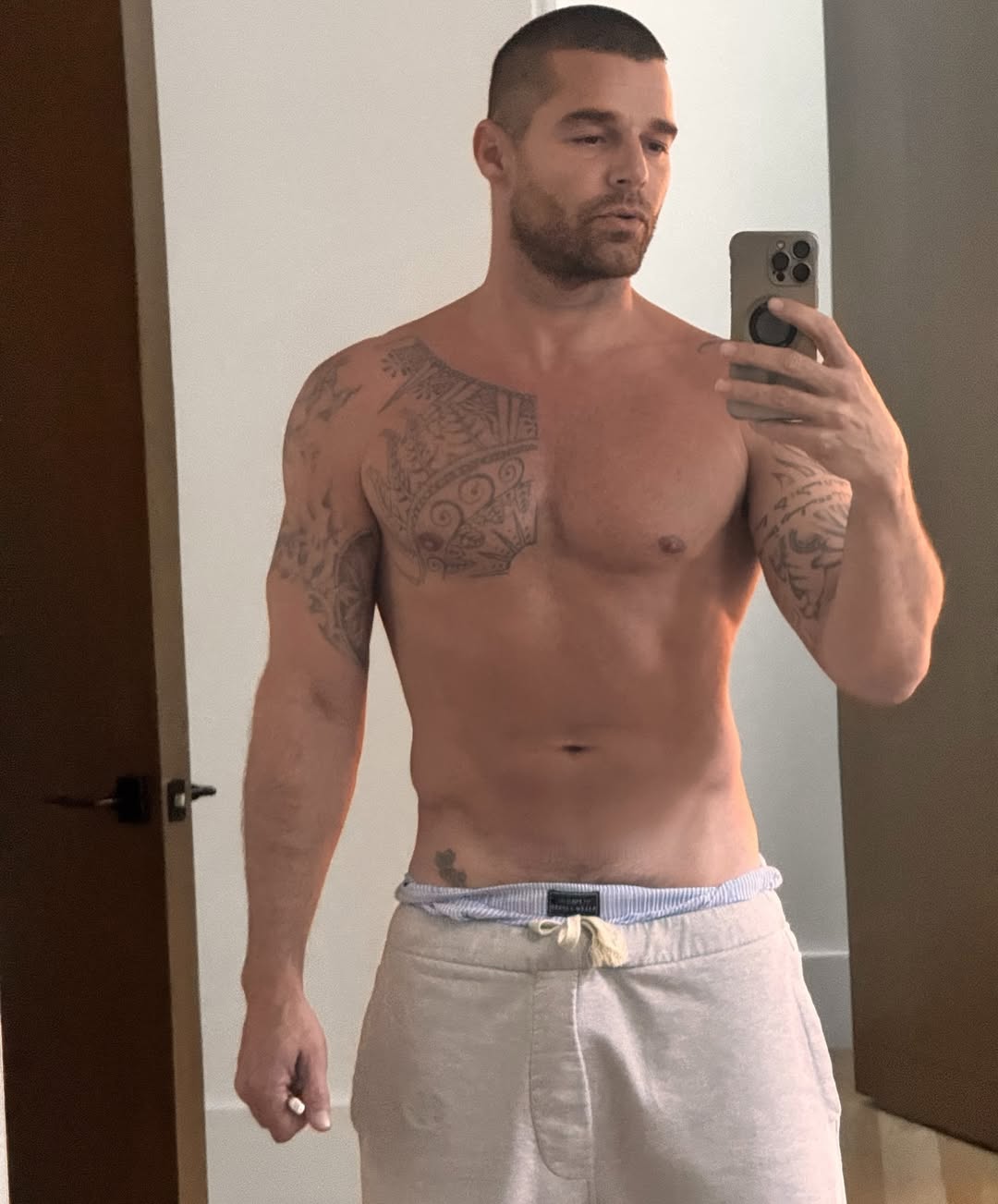
Let’s pause here. That moment right there? That’s what resilience looks like. That’s what a class act sounds like.
It would take another seven years for Martin to come out publicly. In 2010, he shared the news on his own terms, writing:
“I am a fortunate homosexual man.” He added, “These years in silence and reflection made me stronger and reminded me that acceptance has to come from within and that this kind of truth gives me the power to conquer emotions I didn’t even know existed.”
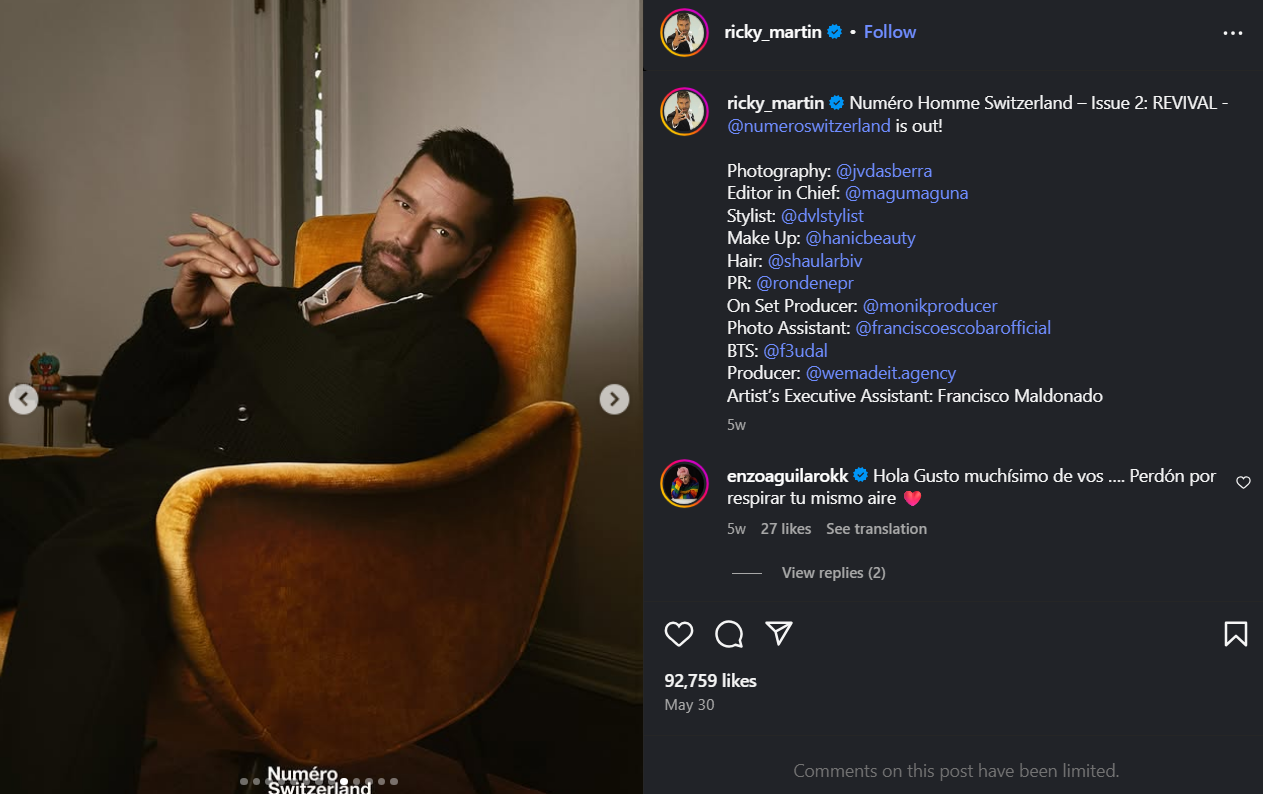
The silence wasn’t because he was ashamed. It was because he knew, even back then, that the world — and especially the entertainment industry — wasn’t always a safe space for queer artists. And this wasn’t the only time a journalist tried to force the door open. Barbara Walters herself asked Martin point-blank about the “rumors” during a 2000 20/20 interview. Years later, Martin confessed that the experience left him feeling “violated” and even with “a little PTSD.”
These weren’t just awkward moments — they were wounds. The kind queer people know all too well, when identity becomes a headline instead of a human journey.
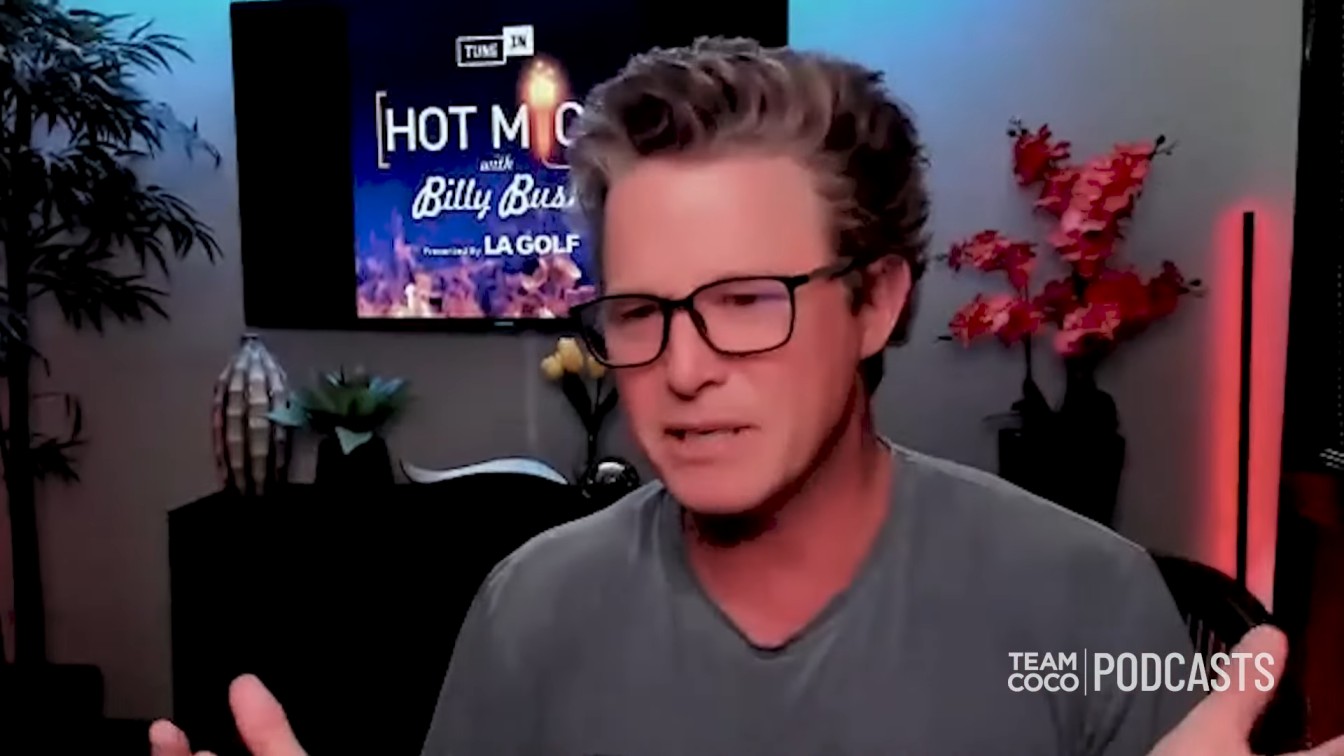
To his credit, Bush eventually got a second chance. Two years after the mic-drop moment, he and Martin ran into each other. “He gave me a great big hug,” Bush said. “And we had went through it and I learned a valuable lesson that day. Don’t be an asshole, don’t be an idiot. You have to find nuance in this business, who people are, where you can go, where you can’t.”
Nuance — now there’s a word that could have used a seat at the table back in the 2000s.
For queer audiences, especially those who lived through the eras of speculation and suspicion, the story is more than tabloid trivia. It’s a reminder that coming out isn’t a spectacle. It’s a sacred process. That the timing, the place, the how — it all belongs to the person living it, not the people asking.
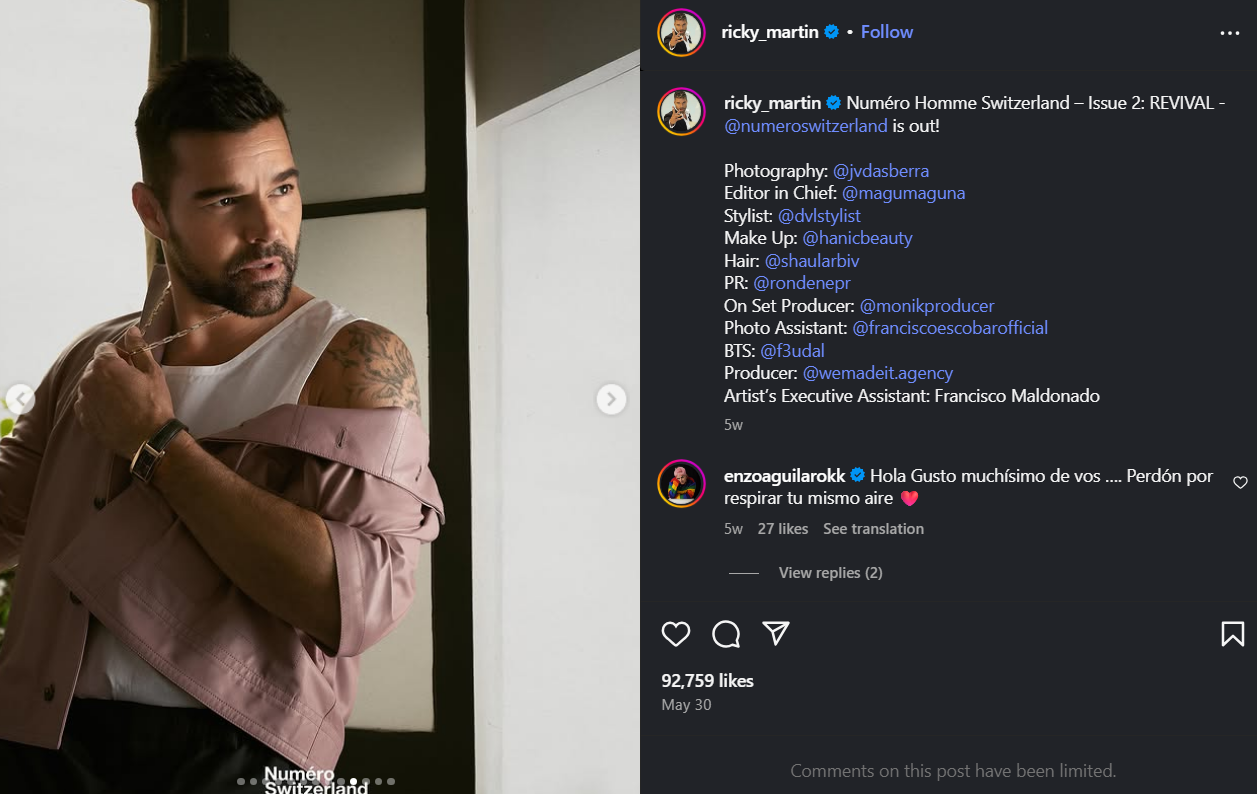
And for Ricky? He didn’t just come out. He came through. Stronger, prouder, and still shaking his hips like they hold the secrets of the universe.
To quote the man himself: Livin’ la vida loca — on his terms, finally. And thank god for that.