

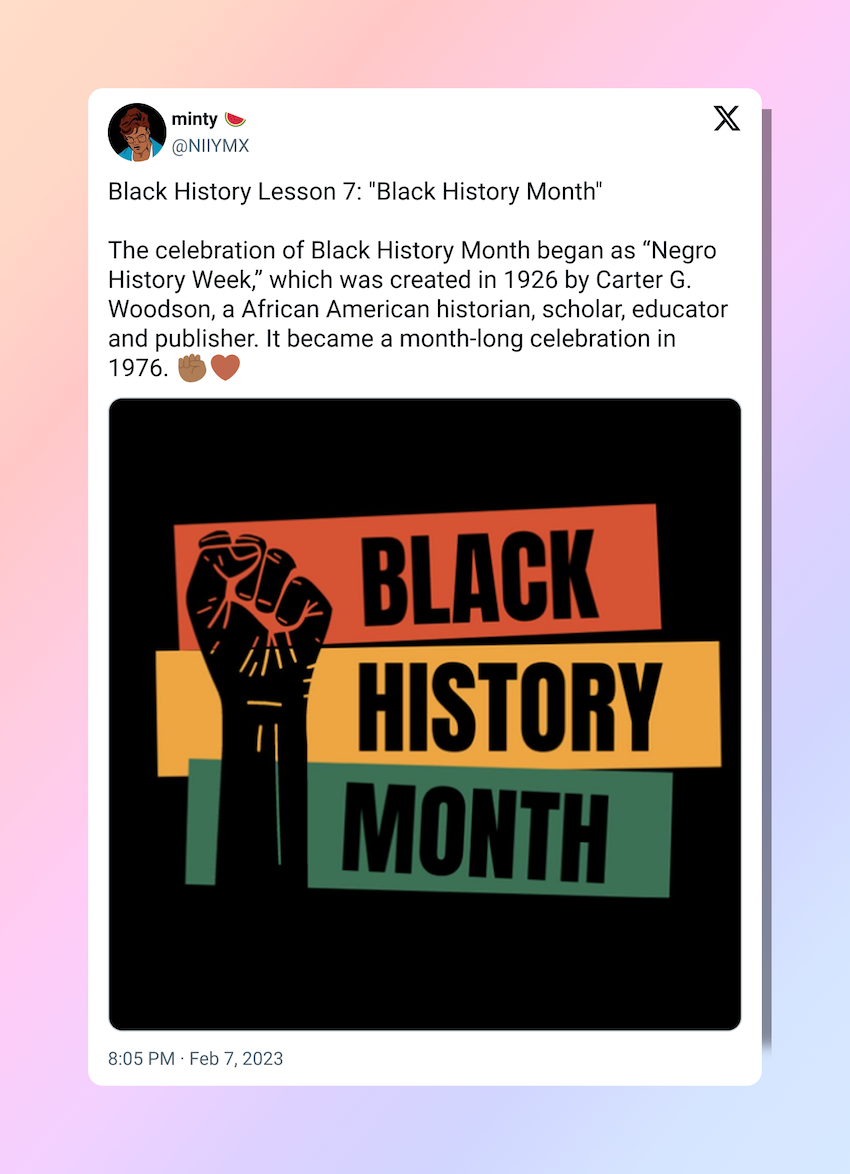
As Black History Month invites us to revisit the stories that shaped American culture, a new exhibition in Harlem-adjacent Manhattan is reminding us of a powerful truth: Black LGBTQ+ artists were not on the margins of the Harlem Renaissance—they were at its very heart.
A groundbreaking exhibition at the New-York Historical Society shines a long-overdue spotlight on the Gay Harlem Renaissance, a vibrant and courageous chapter of history that celebrates Black queer life, creativity, and resilience during the 1920s and 1930s.
A Movement Within a Movement
The Harlem Renaissance is often remembered for its explosion of Black art, music, fashion, and literature. What’s less frequently acknowledged is how deeply LGBTQ+ identity was woven into that cultural moment. According to associate curator Allison Robinson, the Gay Harlem Renaissance was a rare time when queer Black people could express themselves openly—through art, performance, and community—despite living in a society shaped by racism and homophobia.
These artists didn’t just create for themselves. They shaped American culture as we know it today, producing work that continues to be studied in schools and referenced across modern film, music, and literature.
The Icons You Know—and the Ones You Should
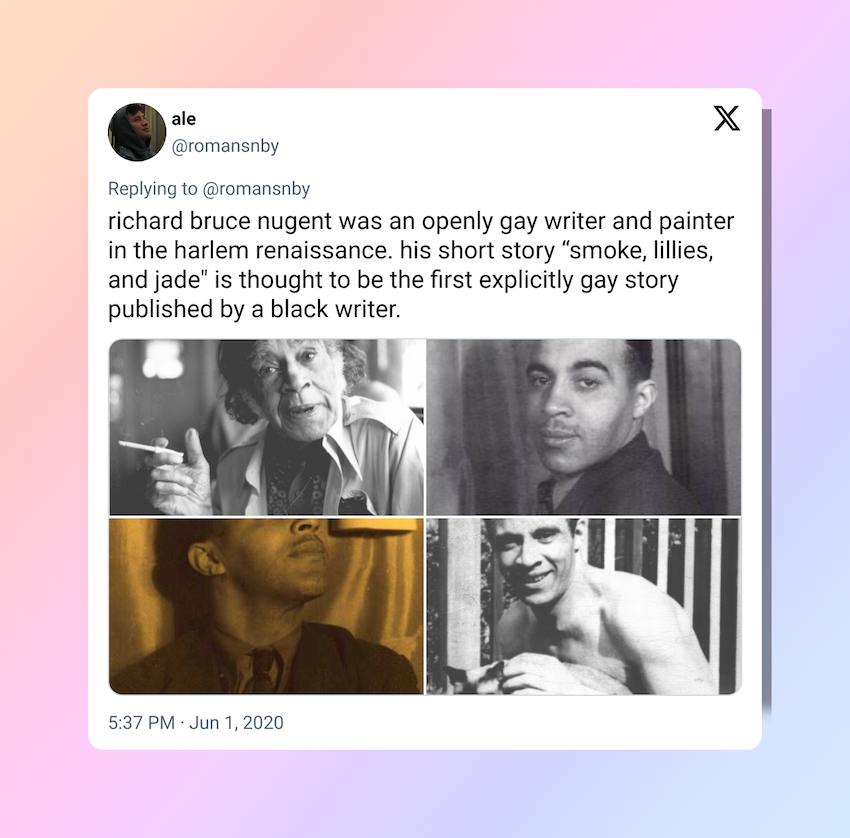
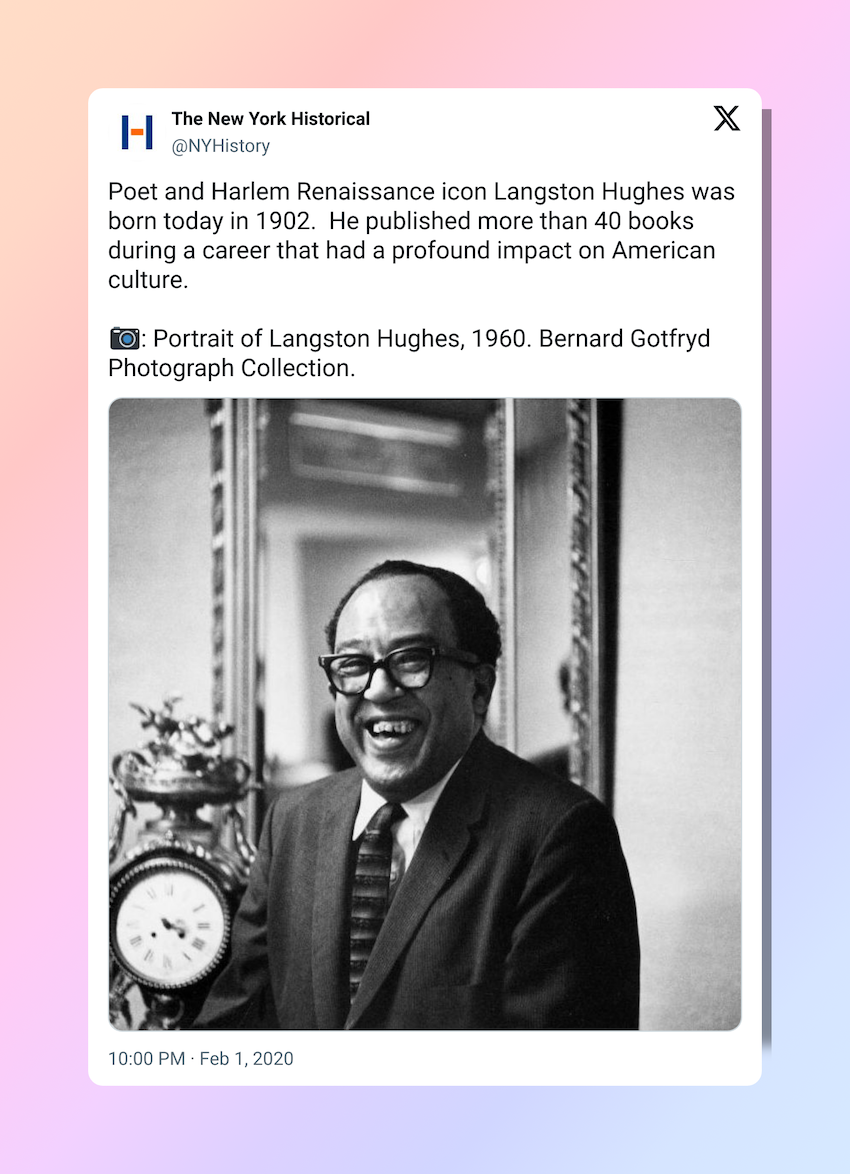
The exhibition honors around 30 influential figures, including literary giants like Langston Hughes and Countee Cullen, whose words captured Black life with honesty and emotional depth.
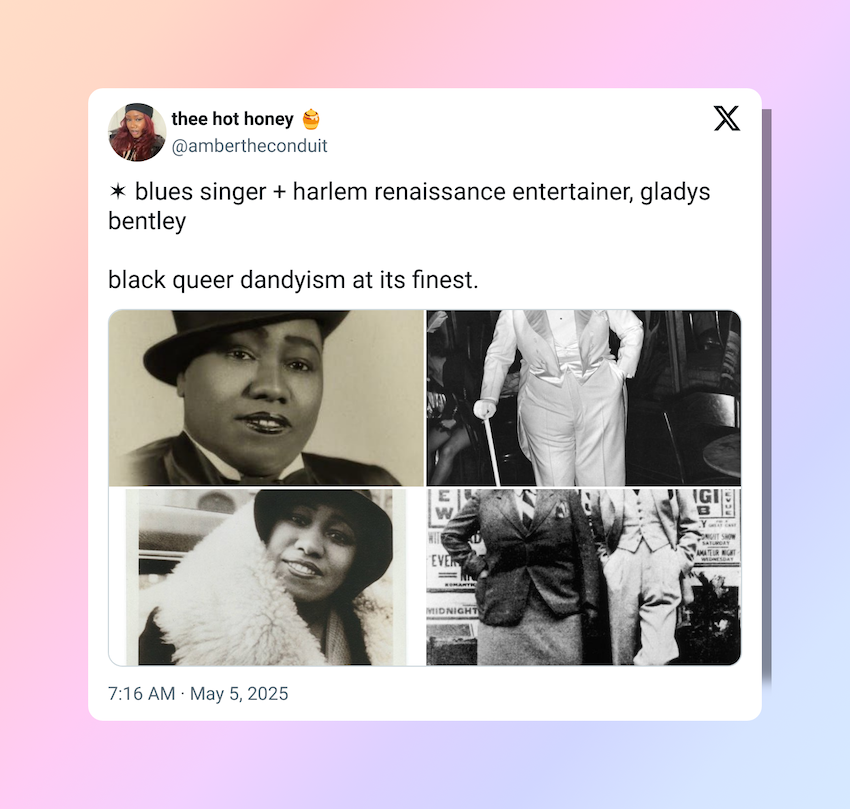
Music lovers will recognize blues legends Ethel Waters and Gladys Bentley, who defied gender norms and societal expectations. Bentley, famous for performing in a tuxedo and top hat, lived unapologetically—openly expressing her relationships with women at a time when such visibility was considered radical.
Alongside these well-known names, the exhibition also uplifts lesser-known trailblazers like Bonnie Clark, a drag performer whose fashion and performance artistry helped redefine self-expression. Together, these figures created a legacy that still echoes through today’s LGBTQ+ creative spaces.
Nightclubs, Rent Parties, and Chosen Family
One of the most striking elements of the Gay Harlem Renaissance was the way community formed. Harlem’s nightlife told many stories at once—from elegant, segregated clubs that catered to white downtown audiences, to intimate rent parties and basement speakeasies where Black LGBTQ+ people gathered freely.
In these spaces, lesbian, bisexual, transmasculine, and gay performers sang and danced for crowds that reflected Harlem itself: working-class, diverse, and joyfully interconnected. These venues became sanctuaries—places where identity could be explored without apology.
RELATED: Best AI Boyfriend Apps for Connection and Roleplay
Why This History Matters Now
Visitors to the exhibit describe it as eye-opening and deeply moving. Many are struck by how boldly these artists shaped their identities, even when the world offered little protection or acceptance. That bravery resonates today, especially as LGBTQ+ communities continue to face erasure and pushback.
As Robinson explains, the goal of the exhibition is not only to celebrate the Harlem Renaissance’s complexity, but to make it clear that LGBTQ+ people were foundational to its success—not a footnote, not an aside.
A Living Legacy
The exhibition coincides with the centennial of The New Negro, the influential 1925 anthology edited by Alain Locke, many of whose featured artists were gay or bisexual. Their mentorship, friendships, and creative circles helped sustain Harlem’s cultural explosion during the Great Migration, when Black Americans and Caribbean migrants transformed the neighborhood into the cultural capital of Black America.
Through paintings, photographs, artifacts, music, and archival documents, the Gay Harlem Renaissance exhibition celebrates creativity born from courage—and reminds us that queer Black history is American history.
This Black History Month, Harlem isn’t just being remembered. It’s being reclaimed, honored, and proudly celebrated.
REFERENCE: The New York Historical, ABC News 7