

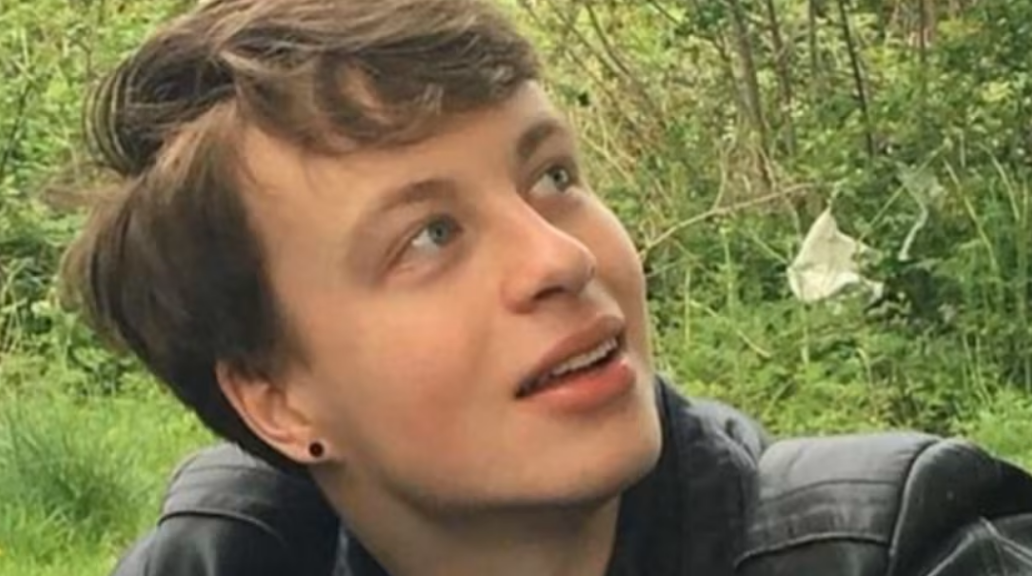
Ed Cornes, a gay teenager, should have been worrying about freshers’ week logistics — where to eat, who to befriend, how to survive London on a student budget. Instead, just two days into his first term at University College London, the 19-year-old was found dead in a hotel room near King’s Cross.
RELATED: ICE Agents on Grindr? News Anchors React After Protestors’ “Exposé”

Nearly four years later, his family is still asking the most basic question imaginable: what actually happened to our son? And they are still waiting for answers.
“My Best Friend, the Funniest, Sweetest Human Being”
Ed’s mother, Miriam Blythe, describes her son not as a headline or a statistic, but as “my best friend — the funniest, sweetest human being.” When ITV News asked what she misses most, her answer is devastating in its simplicity:
“I miss talking to him.”
RELATED: Grindr Date Turns Deadly: Was It Murder or Just Kink Gone Too Far?
The shock of Ed’s death came swiftly and brutally. “He got there (at university) on the Monday, and he was dead on the Wednesday morning,” Miriam said. “There was a knock on the door. Two detectives from the police were standing there. They said they’d found my son dead in a hotel in the centre of town.”
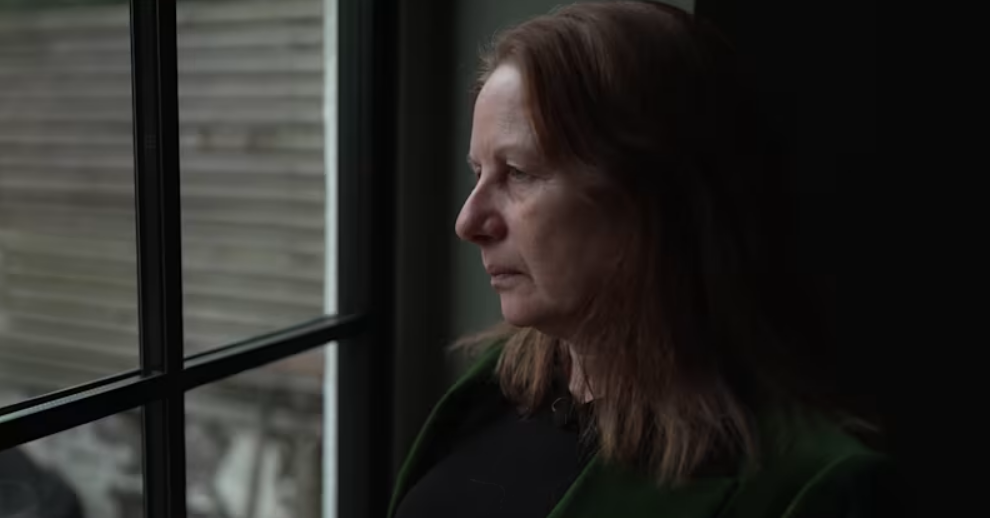
For Miriam and for Ed’s best friend since childhood, Sam Price, the moment fractured everything. “Utter despair and disbelief,” Miriam said. “The worst thing that could possibly happen had happened.”
“I just remember letting out this scream,” Sam said. “It was a crushing weight — knowing he was really gone.”
A Police Investigation Driven by Assumptions
What followed, they say, was not clarity or care — but a police investigation shaped by assumptions about who Ed was, rather than a determination to find out what happened to him.
According to the inquest, Ed left his halls in the early hours of the morning and met Matthew Butler, a man he had never met before, who took him to a hotel room where another man, Ian Casimir, was present. Several hours later, Ed Cornes was dead.
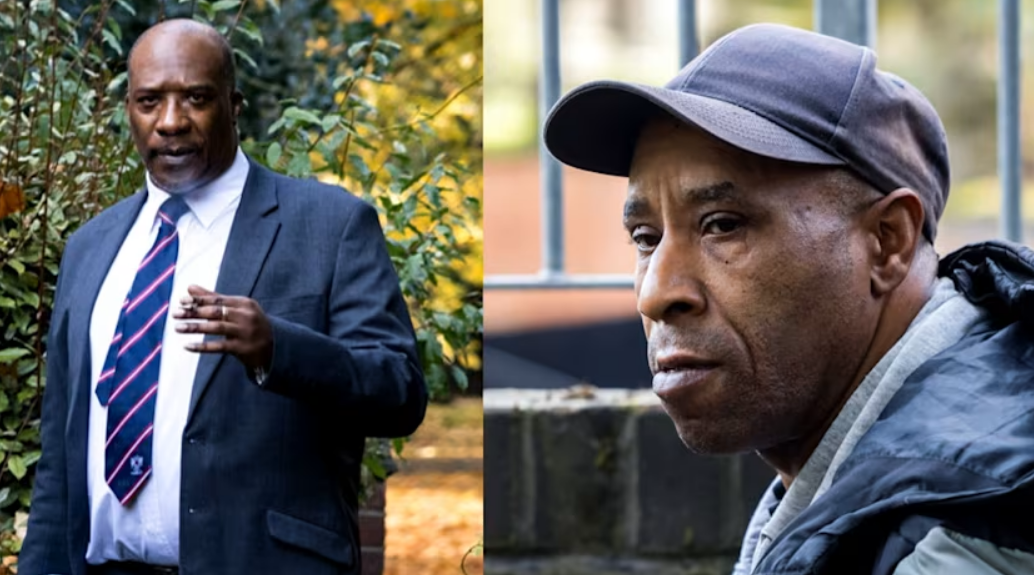
His body was found with 36 cuts and other injuries, and with high levels of GHB in his bloodstream. Butler and Casimir were arrested on suspicion of murder and later released without charge.
Missing Evidence and Unanswered Questions
Miriam believes the investigation went wrong almost immediately. She says police failed to interview key witnesses and allowed vital evidence to be lost — including CCTV footage and blood samples — while the case was still officially being treated as a potential murder.
“All the evidence was lost five days after he died,” she said. “And then the rest of the evidence went from a locked evidence room. Three months later, and this is glasses, mugs, sheets, towels, contents of a bin, a lampshade with a strange red stain on it.” An internal review later identified 27 failings.
The Gay Stereotype That Shaped the Investigation
But for Miriam and Sam, the most painful part wasn’t just incompetence — it was why they believe Ed’s death was mishandled. “They focused in on him being gay and whether he took drugs. His lifestyle and sexuality,” Miriam said. They say Ed being gay became a lens through which police viewed the case, shaping decisions about what evidence was pursued and what was dismissed.
GHB is sometimes associated with chemsex in gay communities, but it is also widely known as a date rape drug. One question, Miriam says, was never properly explored: whether Ed was even capable of consenting to taking drugs that night.
“From the beginning, I was saying, how could he consent?” she said. “They just said, ‘Well, he took drugs’. But there was all this evidence saying he was too drunk.”
When asked why she believes police failed to pursue this line of inquiry, Miriam didn’t hesitate. “There certainly is an element of homophobia,” she said. “A ‘well, he got what he deserved’ attitude.”
Homophobia and the Lack of Accountability
“The homophobia was there from the very beginning,” she said. “In police interviews I sat in, they kept going back to his lifestyle, what he was like, the fact that he was gay. Anything that didn’t fit that narrative was completely discounted.”
Just nine days after Ed’s death, police downgraded the case and transferred it to local CID as an unexplained death. “How does that leave you feeling?” “Very disgusted. Very angry. Deeply upset,” Miriam said.
She also says officers made overtly homophobic comments — comments that now feel almost unbelievable in their bluntness. “They said things like: ‘all gay men take trays of drugs, smuggle young boys in through fire escapes, that with gay sex — with man-on-man sex — anything can happen’.”
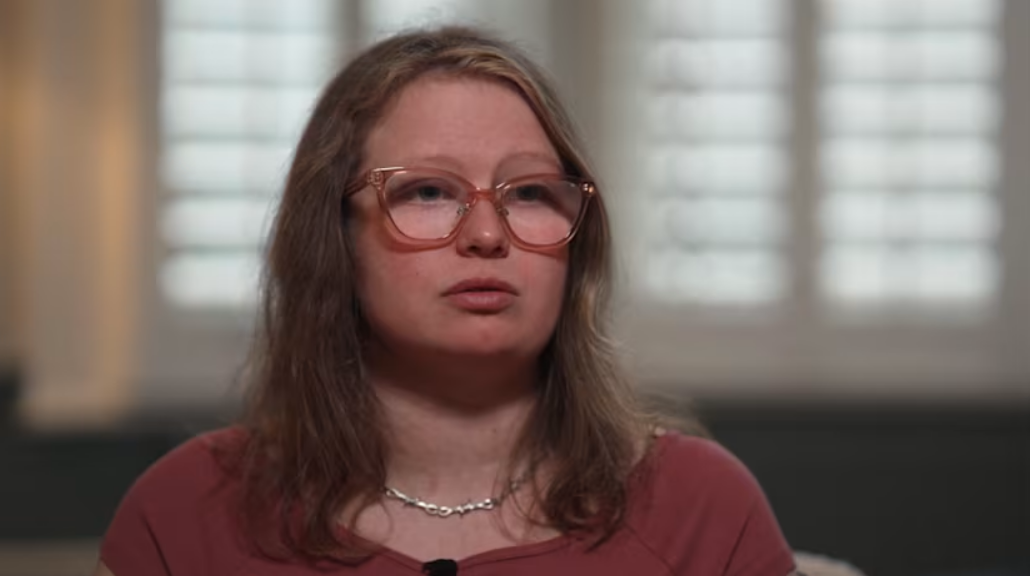
Sam remembers hearing those remarks vividly. “My blood was boiling with rage,” she said. “I can’t believe that another human would have those opinions of gay people, let alone a police officer who is supposed to be protecting all of us.”
The Police Apologize, But Is It Enough?
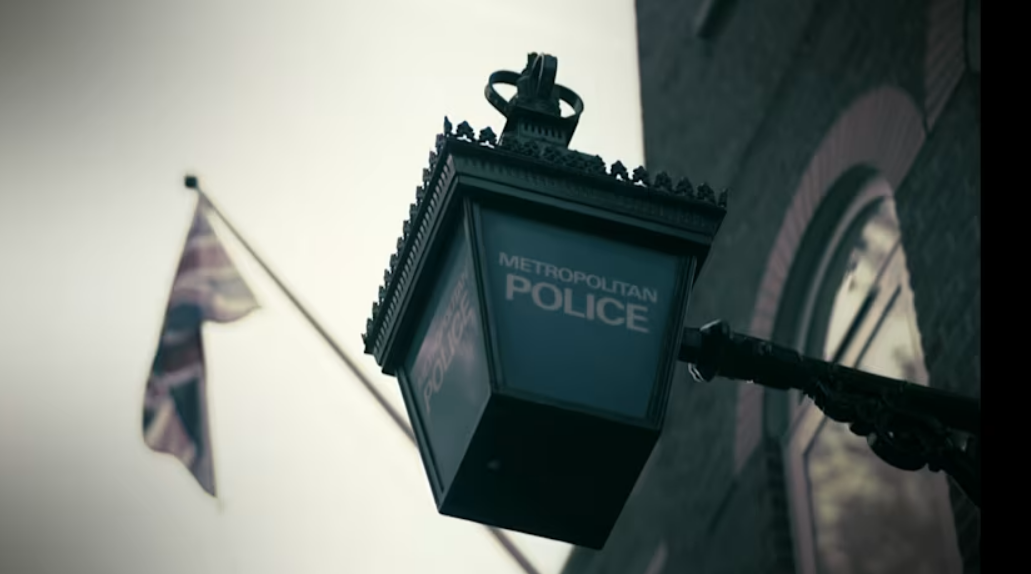
The Metropolitan Police has since acknowledged that an officer made those comments and apologised for the distress caused. But for Ed’s family, apologies without transparency ring hollow.
Despite multiple complaints to the police and its watchdog, Miriam was repeatedly told the investigation had been acceptable. Only after a serious case review — ordered by the watchdog — were the 27 failings formally identified.
“There are 26 failings that I have never heard about,” Miriam said. “They do highlight the CCTV, that’s 24 different tapes lost.” She has repeatedly asked to see the full review. She still hasn’t. “I’m assuming they’re worse than losing all the evidence,” she said.
Echoes of a Graver Tragedy
The case has uncomfortable echoes of the Stephen Port murders, where assumptions about sexuality proved deadly and allowed a serial killer to continue unchecked. Both Miriam and Sam now want the case reopened by a different police force and a fresh inquest into Ed’s death.
Asked whether she has faith in the Metropolitan Police, Sam’s answer was immediate. “None whatsoever. I’m almost scared of them.” “I have absolutely no faith in the police force,” Miriam said. “It’s cost me any faith in this country.”
The Ongoing Struggle for Justice
In a statement, Metropolitan Police Commander Stephen Clayman said the force accepts that “aspects of the way in which the case was handled did not meet the high standards we expect” and apologised to Ed’s family.
But four years on, Miriam says she is still haunted — not only by how her son died, but by the sense that his life was filtered through prejudice rather than protected by justice. Ed Cornes was not a stereotype. He was a teenager, a student, a best friend, a son.
And his family is still waiting for the system meant to protect him to treat his death as seriously as his life deserved.