



Another fight over transgender athletes is heading to the ballot box, this time in Nebraska. The state’s Supreme Court has ruled that a proposed constitutional amendment restricting trans athletes in girls’ and women’s sports can remain on the November 2026 ballot. And while the decision doesn’t mean the ban has officially become part of the constitution, it puts the issue directly in voters’ hands.
Why Was the Measure Challenged?
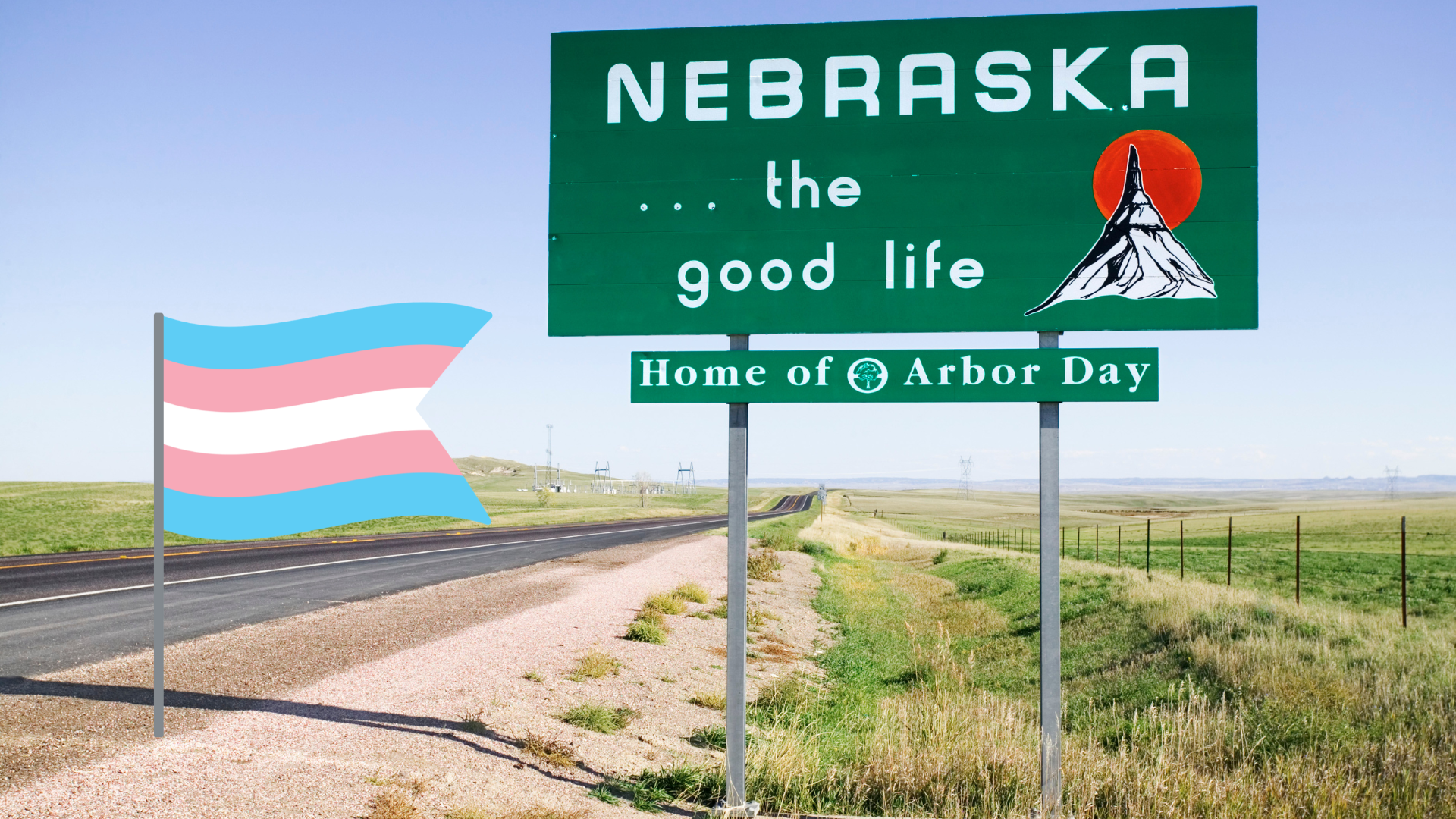
According to The Advocate, Nebraska voter Cara Ullman sued in August to have the initiative removed from the ballot. Her concern? The wording used to explain the proposal to voters.
The measure describes its purpose as protecting separate sports for males and females and ensuring equal athletic opportunities for girls and women. Ullman argued that this language failed to clearly explain how the amendment could restrict transgender athletes from competing in sports consistent with their gender identity.
As reported by the Nebraska Examiner, her lawsuit challenged whether the ballot summary gave voters a sufficiently clear picture of what the amendment would actually do.
Basically, critics argued that voters should understand the real-world consequences of a proposal before deciding whether to support it.
READ: Are Gay Men Smarter Than Straight Men? Science Has Entered the Chat
What Did the Supreme Court Decide?
In a unanimous ruling written by Justice Jason Bergevin, the Nebraska Supreme Court rejected the challenge. The justices determined that the ballot language met the state’s requirements for plain, understandable wording.
That distinction matters: the court did not rule on whether the proposed ban is fair or discriminatory. It ruled that the initiative’s description was legally sufficient for it to proceed to a public vote.
What Happens if Voters Approve It?
Nebraska already restricts transgender students’ participation in school sports based on sex assigned at birth. The state enacted that restriction in 2025.
If voters approve the new amendment in November, the restriction would be written into Nebraska’s constitution, potentially making it harder to change than an ordinary state law.
For transgender athletes, this could mean further legal barriers to participating in school sports in accordance with their gender identity.
A “Fairness for Girls” measure on Nebraska’s November ballot would ban transgender athletes from girls sports, with supporters and opponents sharply divided. https://t.co/GRIfFwQnpV https://t.co/wbumPyCtMG
— KETV NewsWatch 7 (@KETV) October 16, 2026
Why the Wording Matters
Supporters frame these policies as protecting fairness and opportunities for female athletes. Critics argue that such restrictions exclude transgender students and that voters deserve a transparent explanation of who could be affected.
And that’s what makes this case bigger than a technical disagreement over ballot wording. The language used to describe a law can shape how people understand it before they ever step into a voting booth.
Nebraska voters will now have the opportunity to decide the amendment’s fate. The court has cleared the path for that decision, but the debate over transgender inclusion in sports is far from over.
Boycott Nebraska!