

Orthodox rabbis issue a statement against conversion therapy.
For decades, LGBTQ+ people have been told — sometimes quietly, sometimes cruelly — that faith and queerness cannot coexist. That being gay means changing yourself, suppressing desire, or enduring so-called “therapy” in the name of religion. But this week, something remarkable happened: dozens of Orthodox rabbis publicly said enough.
In a sweeping and unprecedented declaration, Orthodox rabbis issued a clear ban against gay conversion therapy, calling it harmful, ineffective, and rooted in a false belief that same-sex attraction is a disorder. The statement, published on rabbisagainstconversiontherapy.com, doesn’t hedge, soften, or spiritualize the harm. It names it directly — and for many LGBTQ+ Jews and allies, it feels like a long-overdue exhale.
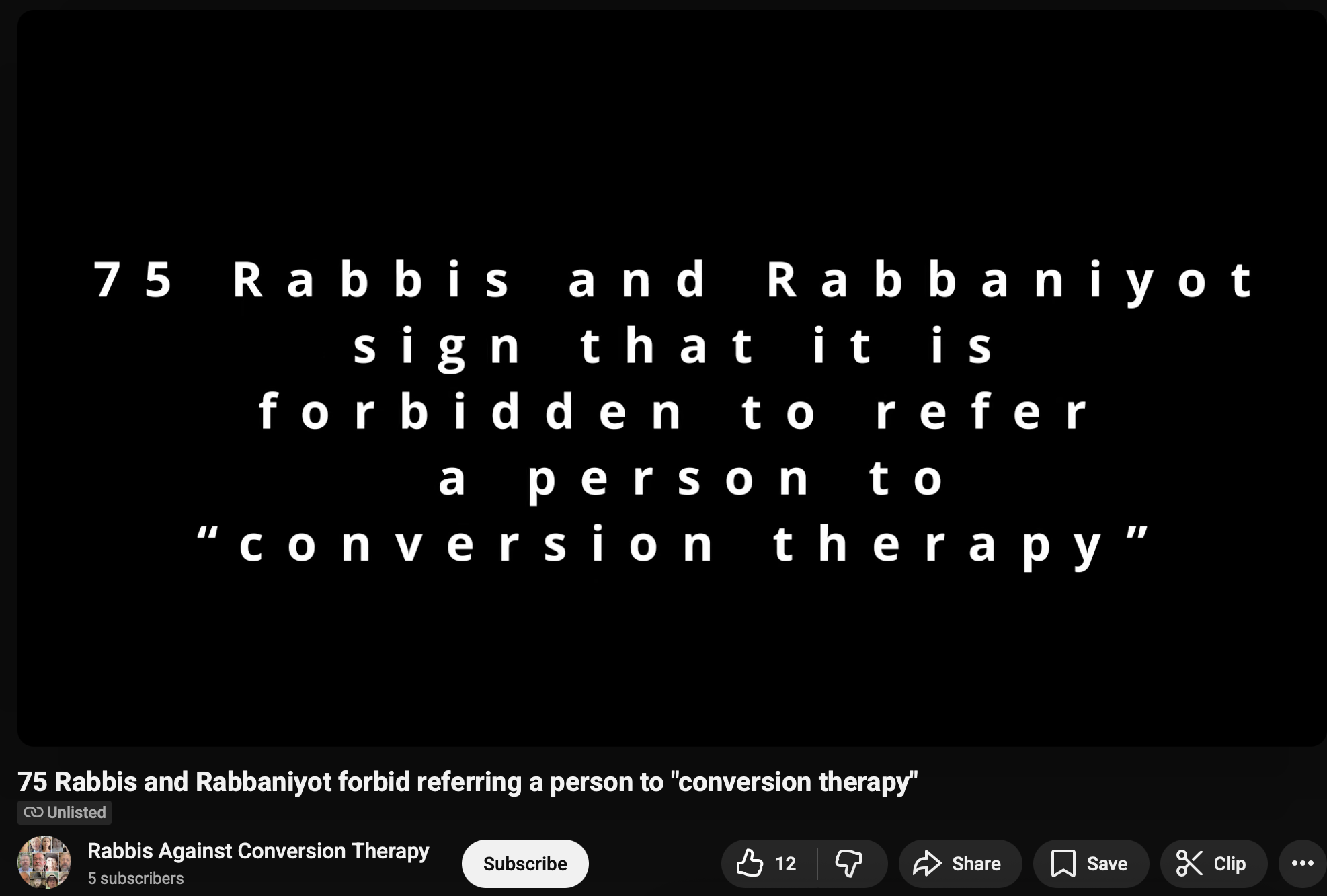 Source: Rabbis Against Conversion Therapy | YouTube
What the Rabbis Actually Said
The rabbinic statement leaves little room for interpretation. According to the signatories, no rabbi, educator, or therapist should recommend conversion therapy — ever. Not privately. Not gently. Not as “just an option.”
The rabbis argue that any attempt to change a person’s sexual orientation is degrading by nature, because it starts from the assumption that who the person is, at their core, is unacceptable. That assumption, they say, is what causes the deepest harm.
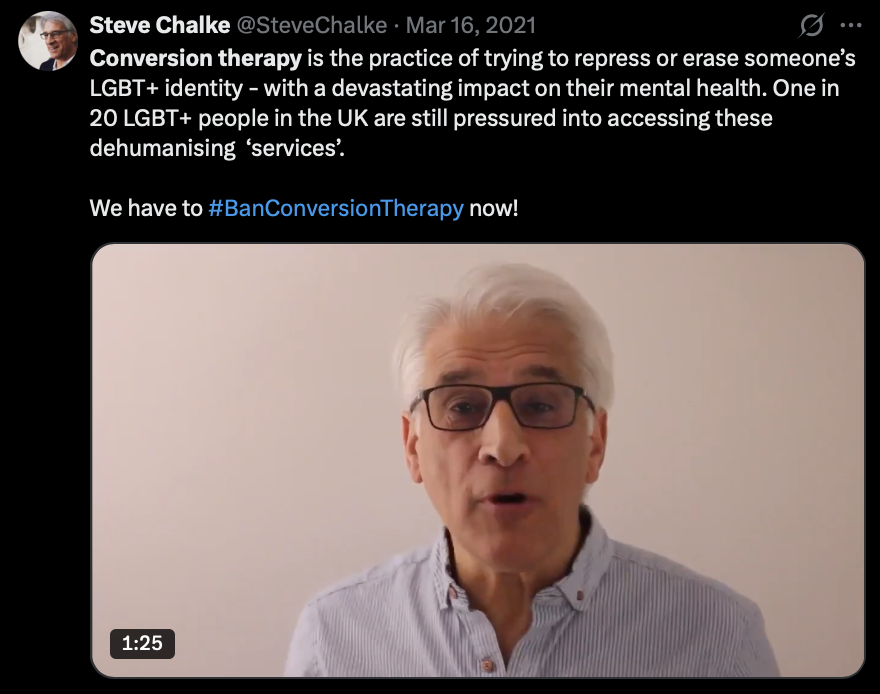
One of the rabbis behind the document, Rabbi Elkana Cherlow, put it plainly: the issue isn’t LGBTQ+ people — it’s the institutions around them. In his words, “The change that needs to happen is in the religious world, not among LGBTQ people.” He went further, calling for change in synagogues, religious schools, and in the outlook of rabbis themselves.
For a tradition that is often portrayed as immovable, this is no small statement.
RELATED: For the First Time, an Orthodox Seminary in the U.S. Ordains an Openly Gay Rabbi
Why Conversion Therapy Is Being Called Out
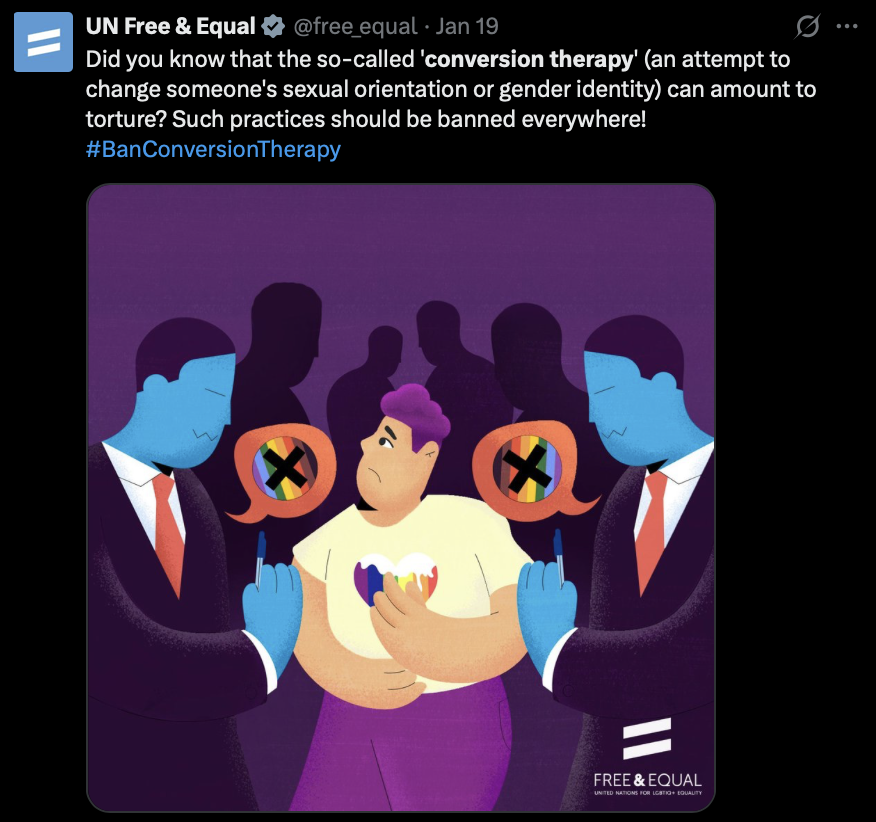
The rabbis don’t just oppose conversion therapy on moral grounds — they dismantle it methodically. They describe it as psychologically damaging, rooted in shame, and proven not to work. According to the statement, conversion therapy often leads to long-term anxiety, depression, isolation, and, in some cases, suicidality.
They also point out something LGBTQ+ advocates have said for years: even when conversion therapy claims “success,” it usually means nothing more than forcing someone to perform heterosexuality — not actually changing who they are or who they love. Desire doesn’t disappear. Attraction doesn’t switch. It just gets buried, often at a devastating emotional cost.
Importantly, the rabbis emphasize that same-sex attraction is not a mental health problem — a position long affirmed by global medical organizations and removed from psychiatric diagnostic manuals more than 50 years ago.
Faith, Ethics, and Human Dignity
One of the most striking elements of the statement is how firmly it grounds LGBTQ+ dignity in religious values. The rabbis invoke the idea that every person is created b’tzelem Elokim — in the image of God — and argue that degrading or shaming someone for their sexual orientation violates that core belief.
They also frame conversion therapy as an ethical failure, not just a theological one. From a Jewish legal perspective, the rabbis argue that it is forbidden to cause harm, to mislead someone about a treatment’s effectiveness, or to profit from something that causes suffering. In other words, recommending conversion therapy isn’t just misguided — it’s exploitative.
Why This Moment Matters for LGBTQ+ Culture
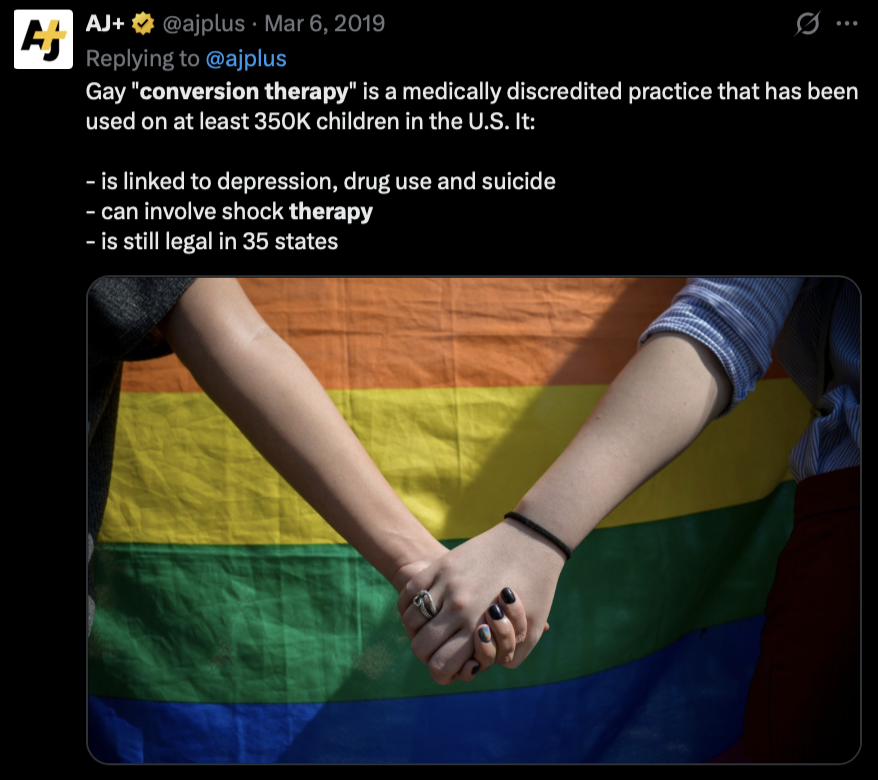
In a media landscape where religion is often portrayed as the enemy of queer joy, this declaration lands differently. It doesn’t erase decades of harm, rejection, or trauma — but it does disrupt the narrative that faith-based rejection is inevitable or universal.
For LGBTQ+ people raised in religious homes, statements like this can be life-altering. They offer language, legitimacy, and — perhaps most importantly — proof that queerness does not automatically put someone at odds with God.
For the broader gay entertainment and culture space, this moment is a reminder that progress doesn’t only happen on red carpets or TV screens. Sometimes, it happens in text-heavy documents signed by people willing to challenge their own institutions.
A Crack in the Wall — and a Door Opening
The rabbis behind rabbisagainstconversiontherapy.com are clear: attraction to the same gender does not require fixing, treatment, or intervention. What does require attention is the damage caused by rejection, stigma, and silence.
This statement may not end conversion therapy overnight — but it draws a moral line that will be hard to ignore. And for LGBTQ+ people who have been told to choose between faith and authenticity, it offers something powerful: the possibility that they never had to choose at all.
REFERENCE: rabbisagainstconversiontherapy.com
Thanks for sharing this hint that change is possible in orthodoxy.
thank you to each and every one of the Rabbis, and to the author for bringing it to the public.