

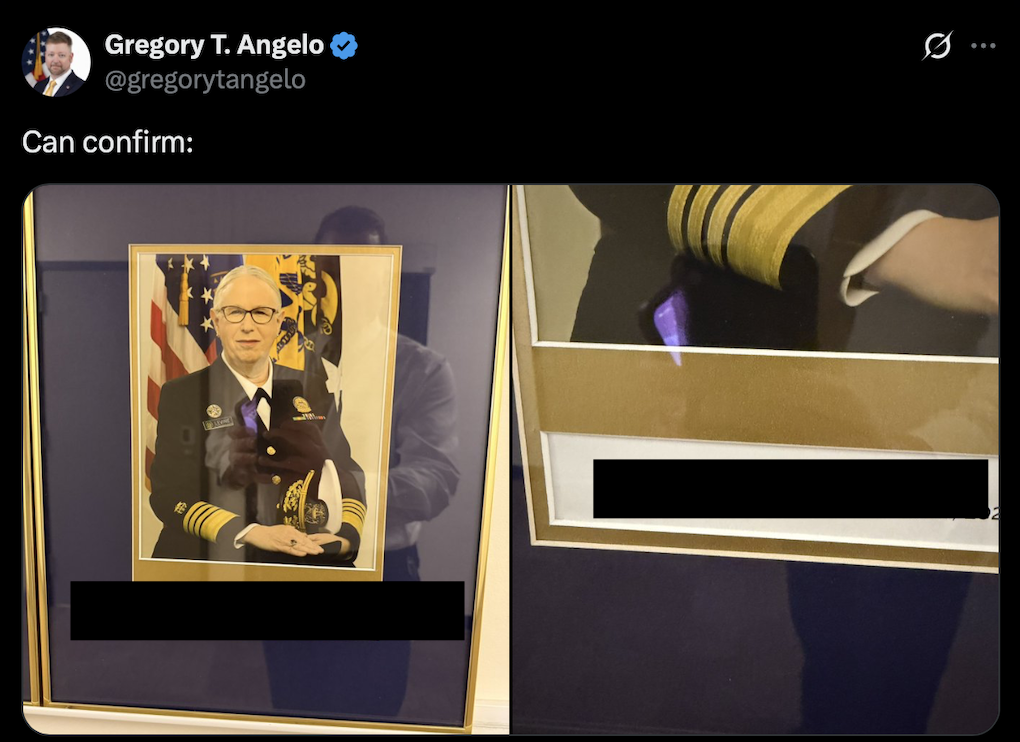
As first reported by NPR, the Department of Health and Human Services (HHS) is facing growing scrutiny after officials confirmed that the portrait of Admiral Dr. Rachel Levine—the first openly transgender federal official confirmed by the U.S. Senate—was altered during the recent federal shutdown. The Levine portrait hangs in a prominent hallway on the seventh floor of HHS headquarters in Washington, D.C., where former leaders of the U.S. Public Health Service Commissioned Corps are honored. But during the shutdown, Levine’s current legal name was removed and replaced with her previous name, typed on a label and placed beneath her photograph.
RELATED: Dr. Rachel Levine Makes History Once Again
Confirmation From HHS and Immediate Reactions to Levine
HHS acknowledged to NPR that the change occurred, igniting concern within the agency and prompting national attention. Levine served as Assistant Secretary for Health for four years under the Biden administration and was widely recognized for her leadership during several major public health crises. The decision to alter her portrait immediately raised questions about whether this was a politically motivated gesture and what it signaled about the treatment of transgender officials under the current administration.
Levine’s Team Condemns the Move
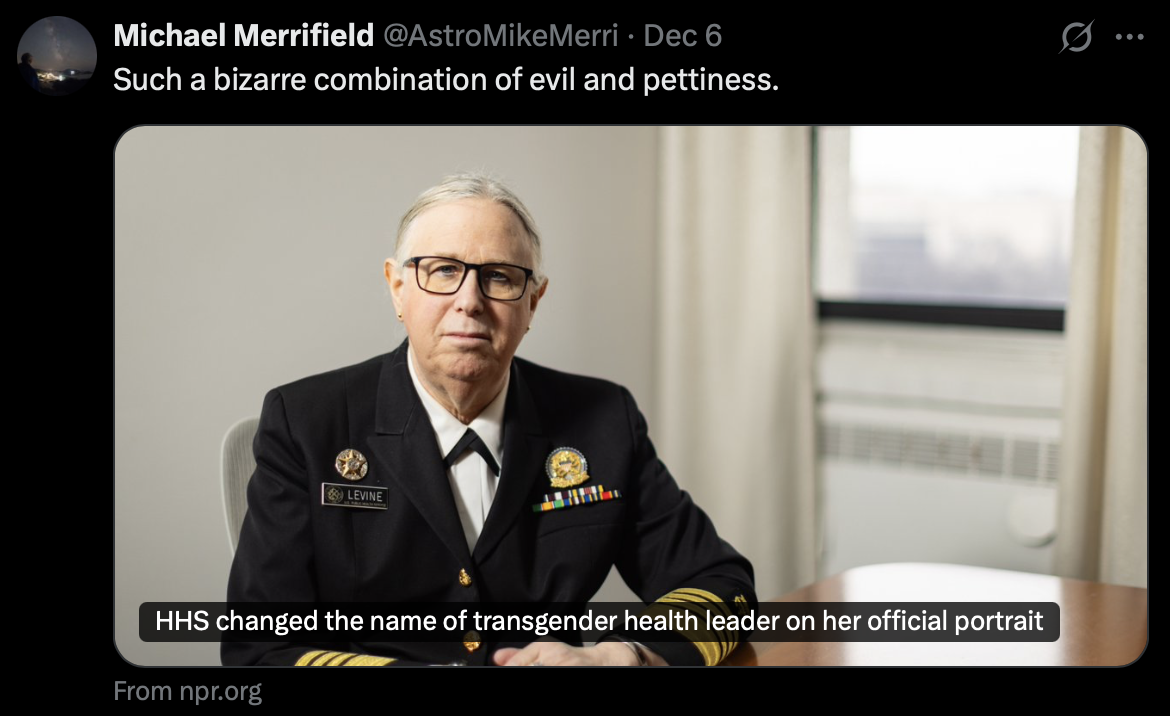
Adrian Shanker, spokesperson for Levine and a former colleague, denounced the alteration in stark terms. Speaking with NPR, Shanker said the decision was made by “current leadership” of the Office of the Assistant Secretary for Health. He described the action as “bigotry against her,” emphasizing that no other official in the hallway had ever had their portrait retroactively edited. Shanker highlighted that Levine’s contributions during the COVID-19 pandemic, the surge in syphilis cases, the ongoing HIV/AIDS response, and the opioid epidemic had earned her the same respect afforded to any high-ranking public health leader.
Levine Responds With Restraint
Levine herself responded with a brief, composed statement. She told NPR that it had been an honor to serve the American people as Assistant Secretary for Health and that she would not “comment on this type of petty action.” Her measured tone contrasted sharply with the stronger criticisms emerging from within HHS, where some staff members reported shock and discomfort.
HHS Defends Its New Direction Under Trump
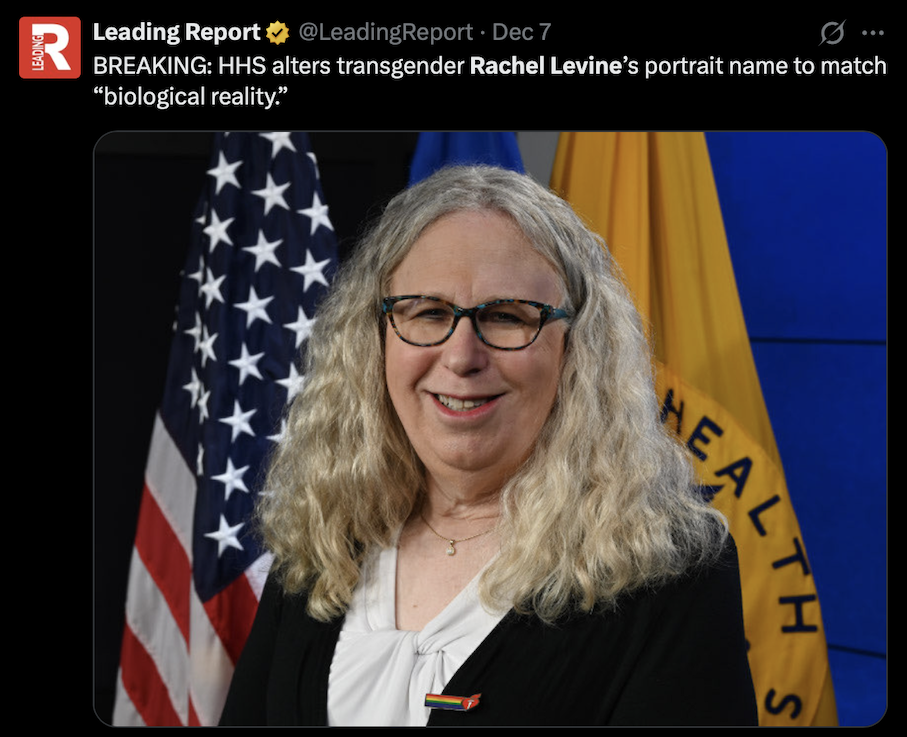
So who authorized the change to the Levine portrait? HHS spokesperson Andrew Nixon avoided addressing specific decision-makers. Instead, he highlighted the agency’s new priorities under the Trump administration. Nixon stated that HHS is now focused on ensuring “gold standard science” and reversing policies he described as harmful, while emphasizing that “biological reality” would guide public health policy. The new Assistant Secretary for Health is now Adm. Brian Christine, a urologist from Alabama confirmed in October.
Internal Concerns From Career Staff
Not everyone inside the agency is comfortable with the new direction. A current HHS employee, speaking anonymously due to fear of retaliation, called the portrait alteration “disrespectful.” They described it as part of a broader pattern of “erasure of transgender individuals by this administration.” The staff member said morale has been shaken, particularly for employees who saw the alteration as a symbolic but deeply personal attack on inclusion and identity.
Political Context and Targeting of Trans Policies
The controversy around the Levine portrait cannot be separated from the political reality that has shaped federal actions since Trump returned to office. During the 2024 campaign, Trump and GOP-aligned groups spent heavily on anti-trans messaging, often singling out Levine in ads and speeches. Since regaining the White House, Trump has instructed federal departments—including HHS, the Justice Department, the Department of Education, the Pentagon, and the State Department—to roll back protections for transgender and intersex Americans. These actions have already resulted in transgender servicemembers being discharged without benefits, the dismantling of inclusive passport policies, and a wave of public statements framing transgender Americans as societal threats.

The Importance of Chosen Names in Public Life
The Levine portrait controversy also highlights a broader principle: the right to be recognized by one’s chosen name. Historical examples show that name changes for personal or professional reasons are common and widely accepted. For instance, Senator Ted Cruz was born Rafael Cruz. In his 2015 autobiography, A Time for Truth, Cruz explained that he stopped going by Rafael in junior high partly due to teasing, as classmates noted that “Rafael” rhymed with every major corn chip on the market.
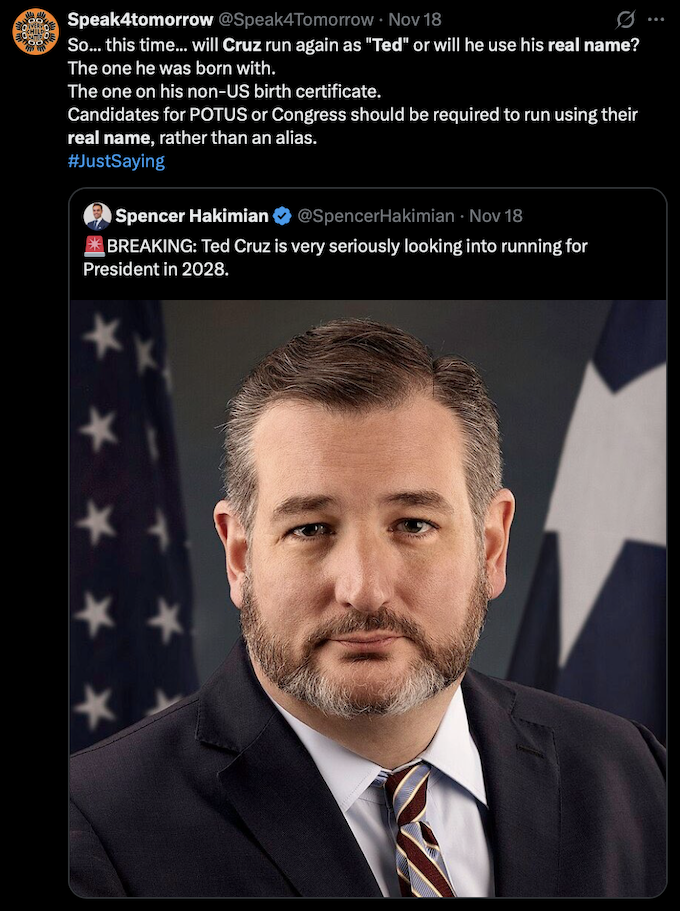
After consulting his mother, he chose Ted—a decision his father initially resisted. Cruz reflected that it had “never occurred to me that I had any input on my name.” Similarly, public figures like Beto O’Rourke have embraced preferred names that differ from their legal names, demonstrating the importance of honoring personal identity. While Levine’s situation involves gender identity rather than a nickname, the principle is the same: denying a person the right to be addressed by their chosen name undermines dignity and self-determination.
Why the Portrait Alteration Matters
Shanker told NPR that altering Levine’s official portrait is unprecedented and alarming, particularly because it undermines the integrity of an institution meant to honor public service. He argued that the agency should be focused on addressing pressing health concerns, not engaging in acts that serve purely political aims. To many observers, including longtime HHS employees, the decision to replace Levine’s name represents more than a bureaucratic change. It has become a signal of the political climate now shaping public health leadership. Whether viewed as an administrative choice or as an act of erasure, the altered portrait stands as a reminder of the power—and consequences—of representation inside one of the nation’s most influential health institutions.
REFERENCE: npr