


Some concerts transcend mere entertainment. They become portals — emotional time machines that reconnect us not only to our youth but to the very songs that helped shape our identities, desires, heartbreaks, and sense of belonging. The Generations Tour 2026, featuring three titans of British New Wave — Soft Cell, Alison Moyet, and The Human League — was exactly that kind of transcendent night at Salt Lake City’s stunning Red Butte Gardens. For the LGBTQ+ community and every “waver” who found refuge in synths, androgyny, and unapologetic emotional expression during eras that weren’t always kind to us, this was more than a nostalgia show. It was a reunion, a validation, and a powerful reminder that the music that carried so many of us through confusion, coming out, and survival still pulses with life, relevance, and communal joy in 2026.
Concert Review: The Generations Tour – Soft Cell, Alison Moyet & The Human League: A Queer New Wave Sanctuary and Triumphant Homecoming in Salt Lake City
Date: June 11 2026
Venue: Red Butte Gardens
City: Salt Lake City, UT
The anticipation had been building for months. Salt Lake’s beloved radio station “The Wave” — the soundtrack for generations of new wave fans, both old and young — may have been silenced last year when it was bought and shut down, but its spirit lives on in a tight-knit family of listeners who stayed connected. This show sold out within hours of tickets going on sale, drawing a multi-generational crowd of devotees who had waited decades to see these acts together on one bill. As the sun dipped over the gardens and the crowd settled in, there was a tangible sense of homecoming. We weren’t just fans; we were family — queer kids who once danced in secret or hidden corners of clubs, straight allies who embraced the scene’s openness, and everyone in between who found freedom in these sounds.
New Wave in the late ’70s and ’80s was more than fashion and synthesizers. For countless LGBTQ+ people, it was a lifeline. It offered androgynous icons, coded lyrics about desire and heartbreak, and dance floors where rigid gender norms and heteronormative expectations could be blissfully ignored, at least for a few hours. This tour brought those feelings rushing back, amplified by the sheer star power and emotional weight of three legendary acts.
Soft Cell: Marc Almond’s Bold, Erotic Queer Legacy Lives On
Soft Cell opened the night with the kind of electric energy that immediately transported everyone back to the dark, neon-soaked clubs where many of us first explored our identities. As one of the pioneering synthpop acts, Marc Almond and the late Dave Ball injected raw sexuality, camp, and vulnerability into the mainstream in ways that felt revolutionary — especially for queer audiences navigating a world that often shunned them.
I first heard “Tainted Love” at just eight years old, sitting in the family car, mesmerized by the urgent synths and Almond’s haunting delivery. I didn’t fully grasp the lyrics then, but the theme of complicated, painful love stuck with me. Later, discovering their groundbreaking album *Non-Stop Erotic Cabaret* was a revelation. Tracks like “Sex Dwarf” were loaded with innuendo, camp theatricality, and unfiltered desire — the kind of music that made queer listeners feel seen in an era when representation was scarce. Marc Almond became a teen heartthrob for countless young girls until the world realized he was openly gay. That shift broke some hearts but ignited something powerful for many of us in the LGBTQ+ community: proof that authenticity could coexist with mainstream success.
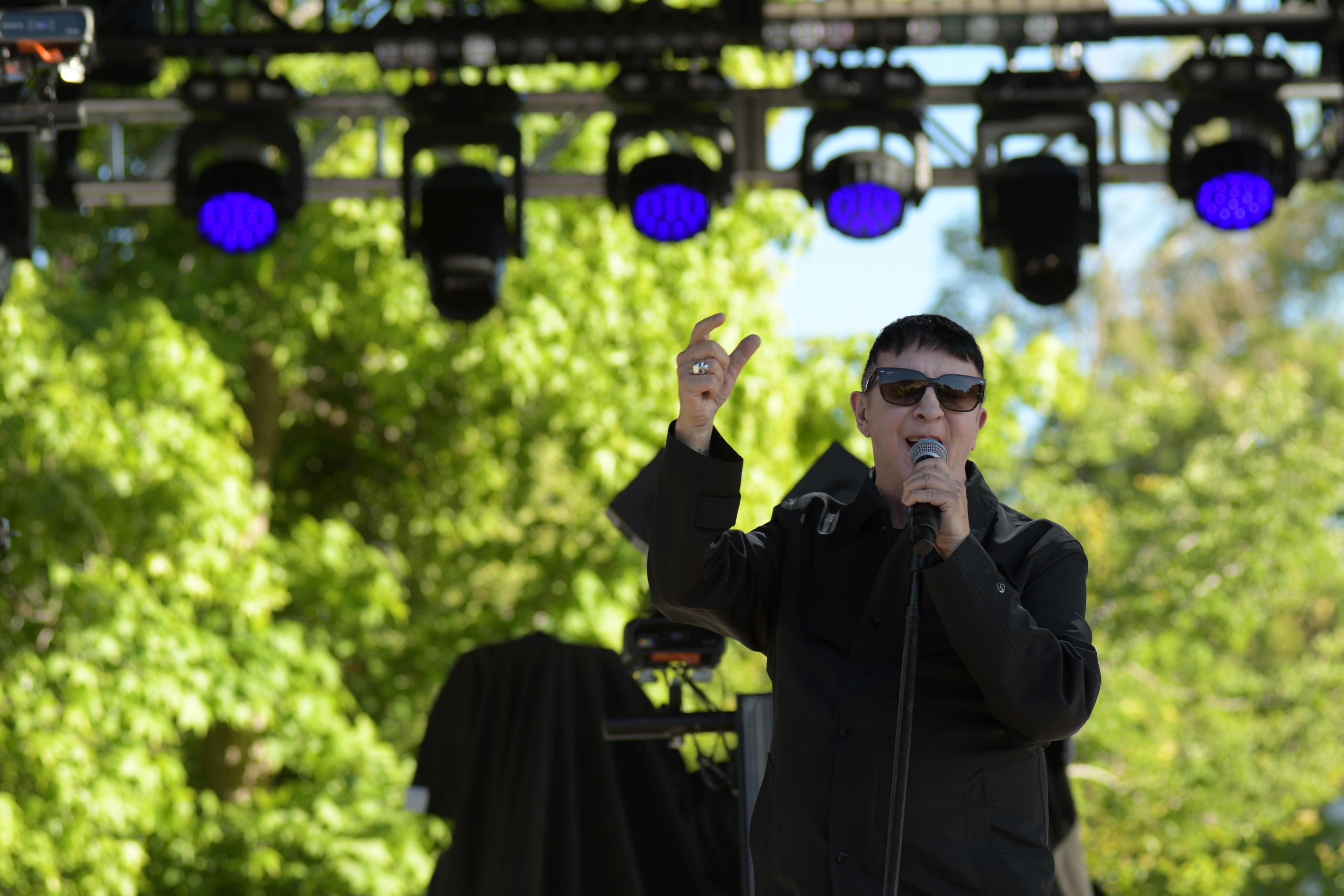
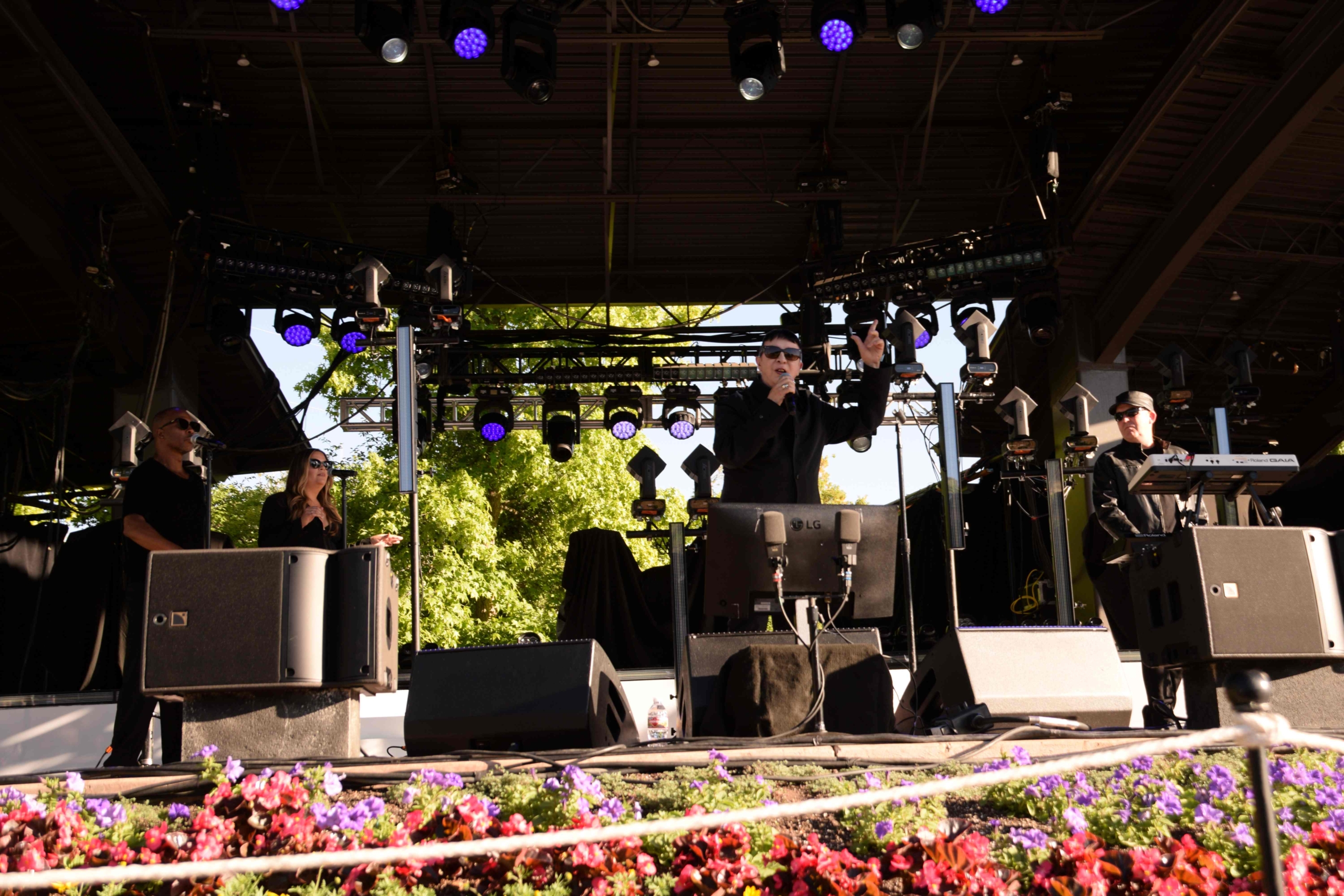
The absence of Dave Ball, who passed in 2025, added a poignant layer to the performance. Knowing he had contributed to the new material right up until the end made every note feel like a tribute. They kicked things off with the classic “Memorabilia,” then seamlessly moved into “Danceteria,” the title track from their fresh release. Marc, stylish in sunglasses even as the Utah sun lingered, owned every inch of the stage. His voice — that rich, Sinatra-esque crooner quality refined over decades — sounded remarkably strong and emotionally resonant. He led the crowd through a fun Madonna medley, keeping the vibe playful and inclusive, with backup vocalists adding lush layers.
We were treated to gems like “Torch” (from 1983 — somehow still feeling fresh), “A Man Could Get Lost,” and deeper cuts that many hadn’t heard live in years. Each one carried layers of meaning for queer fans: songs about longing, fleeting encounters, and the search for connection in a often-hostile world. “Say Hello Wave Goodbye” hit particularly hard, its theatrical melancholy evoking nights of goodbye and reinvention. When the unmistakable beat of “Tainted Love” dropped and the entire audience clapped in perfect unison, it felt like a full-circle queer anthem moment. The energy was electric — better than any club experience from the past, the song flowed into and they closed with “Where Did Our Love Go?,” leaving the crowd buzzing and deeply satisfied. Even without Dave Ball physically present, Soft Cell proved their catalog’s enduring power and their place in LGBTQ+ musical history. Marc Almond remains a beacon of fearless expression.
Alison Moyet: The Soulful Voice That Soundtracked Queer Hearts for Decades
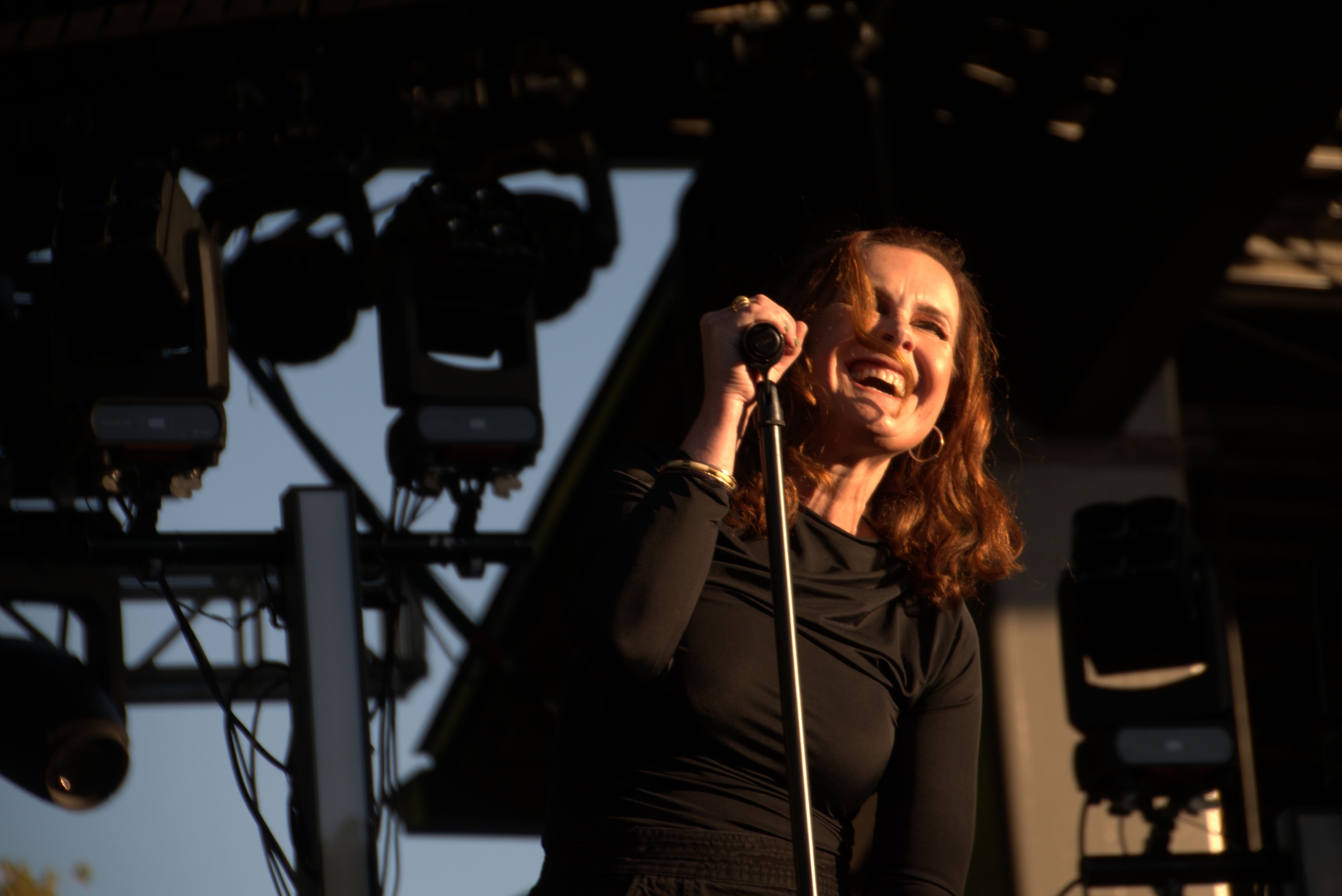
If Soft Cell brought playful eroticism and camp energy, Alison Moyet elevated the evening into something almost sacred. For many gay men — and queer people across the spectrum — who came of age in the ’80s and ’90s, Alison Moyet has been more than a singer. She’s been a constant companion through heartbreaks, self-discovery, and the complicated emotions of living authentically. Her powerful, rich, soul-infused voice cuts straight to the core, offering both strength and vulnerability in equal measure.
The chatter about her set had been reverent for months. When she walked onstage to thunderous applause, the confidence and warmth she radiated immediately made everyone feel welcomed and valued. She opened with “Footsteps,” and I was starstruck for the fifth time in my concert-going life. Then came “Nobody’s Diary” — that unmistakable Yazoo (or Yaz in the US) classic. The entire crowd sang along word-for-word; in Salt Lake, we know this catalog intimately. The shared singing created an instant bond, a collective release of decades-held emotion.
During “Changeling,” I signed “Thank You” toward the stage and bowed deeply, trying to convey the profound respect and gratitude so many of us felt. Alison then introduced a track she wrote as a teenager, leading into more Yazoo gems. But the real bucket-list moment for me arrived with “It Won’t Be Long” — a song I’ve loved for nearly 35 years and had dreamed of hearing live. The grinding, jazz-tinged guitar and her powerhouse delivery made it a metaphysical experience. Time seemed to pause; this was one of those rare nights where a long-held wish manifests perfectly.
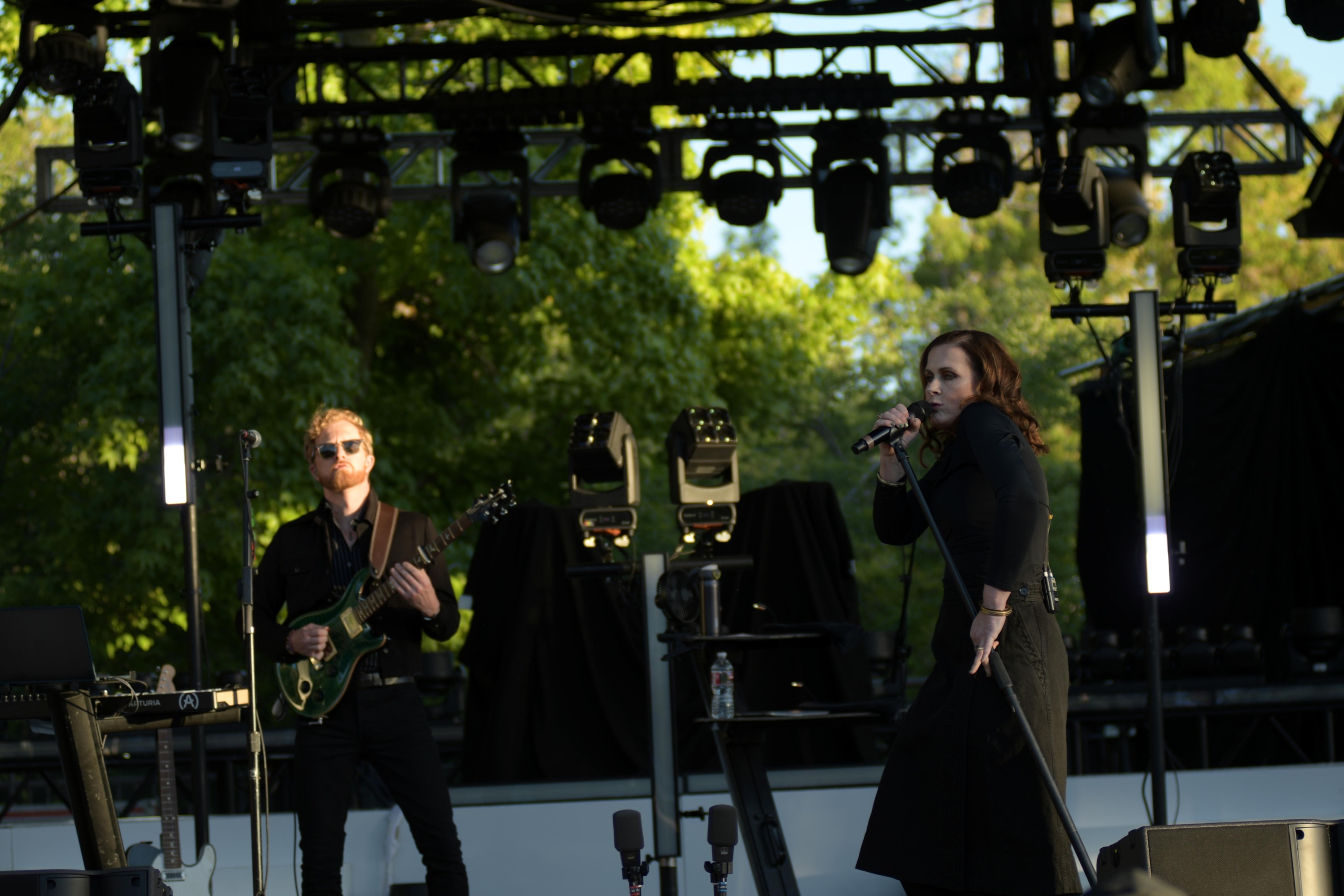
“Midnight” brought themes of regret, infidelity, and painful realization that resonated universally but carried extra weight for queer listeners who have navigated hidden relationships or societal judgment. We swayed together as 2,300 voices formed a massive, supportive chorus. Then the opening synths of “Only You” hit, and the venue erupted. Alison delivered it with breathtaking soul and purity. During the instrumental bridge, the audience unleashed a spontaneous, unprompted roar of love and appreciation. It was overwhelming — a wave of affection that affirmed how deeply her music has touched generations of queer fans. Many of us stood with eyes closed, savoring every note, feeling profoundly seen.
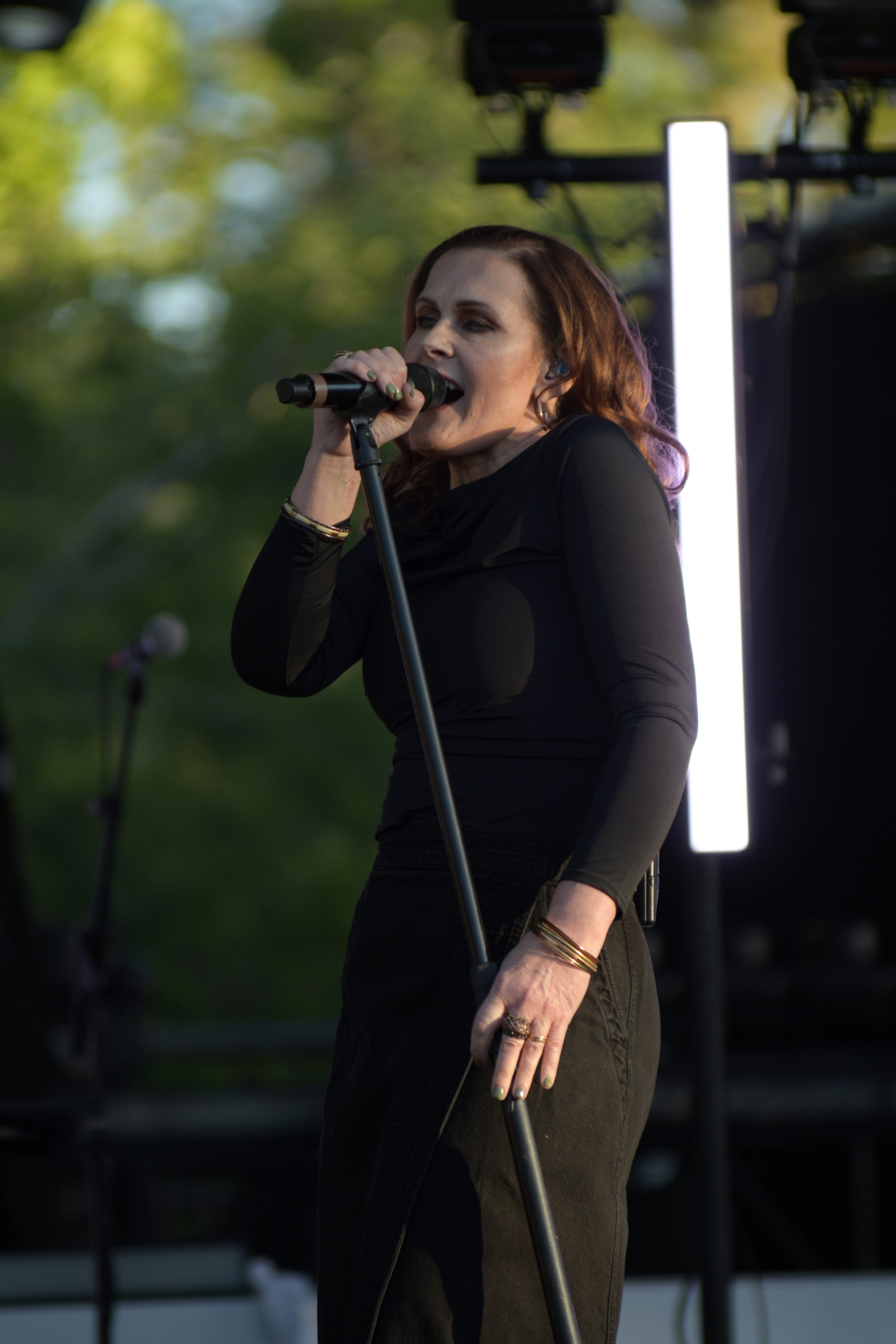
She gracefully took us into darker territory with “Winter Kills,” then flipped the energy with “Situation,” dancing across the stage and encouraging everyone to groove along to this enduring radio favorite. “Love Resurrection” had the crowd singing nearly as loud as the PA, a triumphant anthem of renewal and desire. She closed her set with “Don’t Go,” leaving thousands grateful and emotionally full. The overwhelming consensus afterward? We could have happily listened to Alison for two more hours. For the LGBTQ+ community especially, her performance was a reminder of the healing power of a voice that refuses to be diminished — a soundtrack for survival, longing, and ultimate resilience.
The Human League: Androgyny, Reinvention, and Dance Floor Liberation
By the time The Human League took the stage, the atmosphere was already euphoric, but they elevated it further. I had seen some earlier tour clips that worried me — concerns about energy or sync — but those fears evaporated instantly. This was a tight, animated, and deeply engaging performance that honored their legacy while proving their continued relevance.
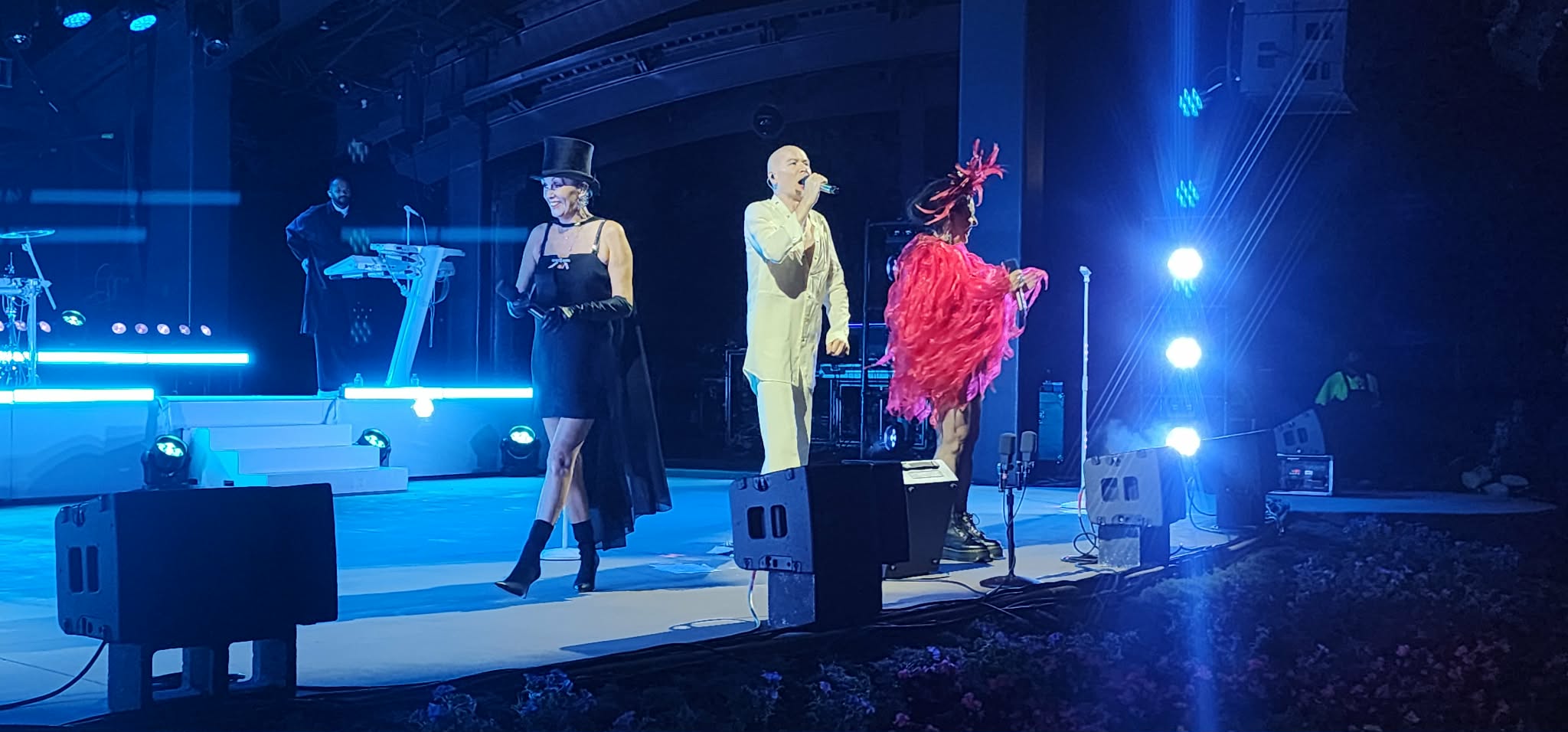
They launched with “The Sound of the Crowd,” the drummer and synth players building tension as Susan and Joanne took their positions. The lighting was spectacular, and Phil Oakey, dressed sharply in black despite the lingering heat, was surprisingly animated and interactive. “Mirror Man” showcased his impressive vocal range, dropping into smooth, low tones that had many in the audience swooning. Deeper cuts like “Louise” from the album *Hysteria* felt like special gifts, and the crowd responded with pure delight.
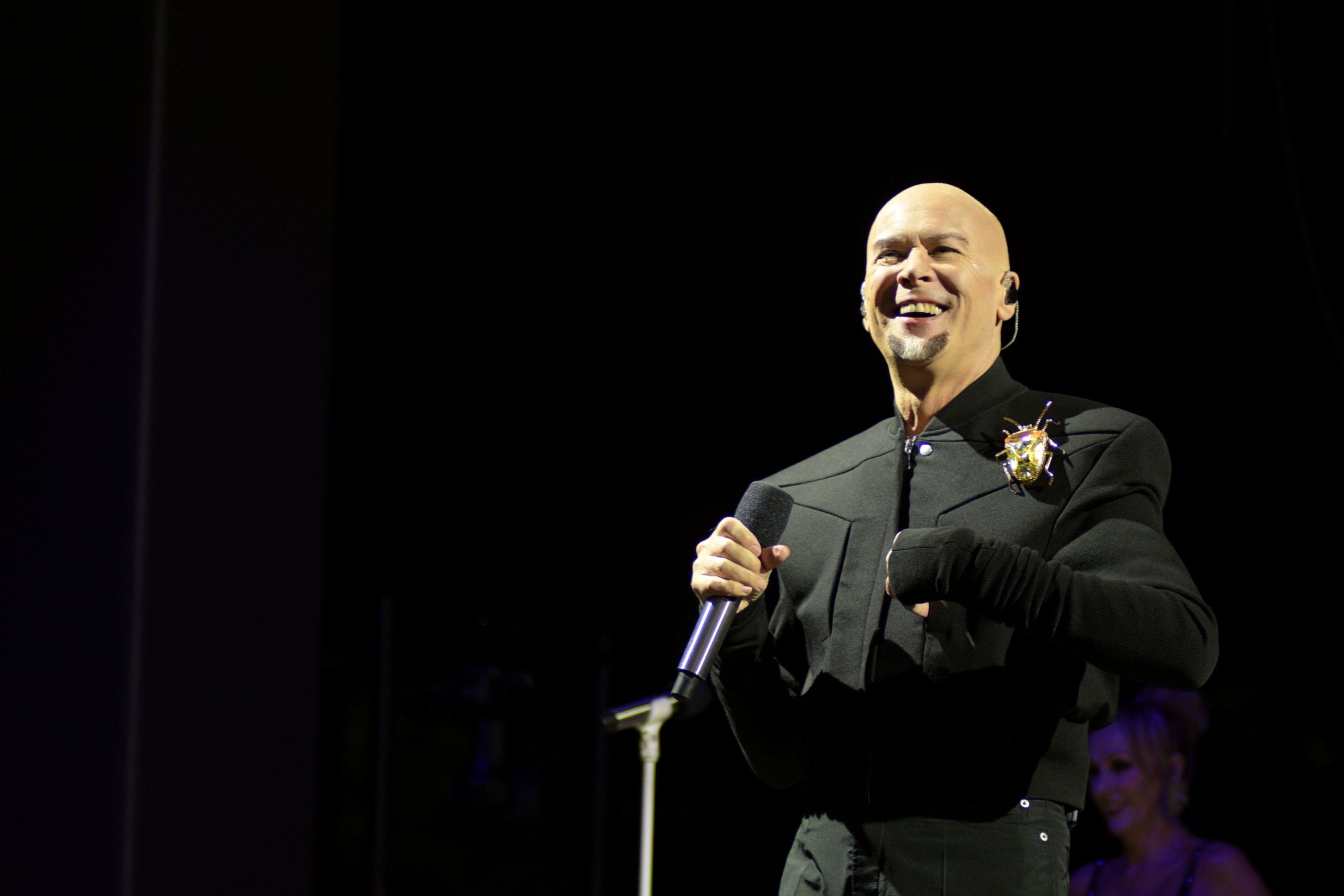
One of the most powerful moments came with “The Lebanon.” The unforgettable bassline thumped out, and I found myself counting in on video recordings later: “ONE, TWO, THREE, FOUR!” before the anxious guitar kicked in. The song’s themes of tragedy, pain, and human cost — inspired by real-world events — still landed with urgency and emotional weight more than four decades later. The band delivered it with aggression and conviction that reminded everyone why this track belongs in the annals of rock and new wave history. (vid clip nicked from my friend Jeff Whimpy’s instagram)
Susan’s tender performance of “One Man in My Life” stirred up memories for my inner 13-year-old, those early crushes and confusing feelings that the music helped me process. As the sun finally set, “Human” created a romantic, swaying atmosphere perfect for dancing with partners — regardless of orientation. The inclusive energy was palpable.
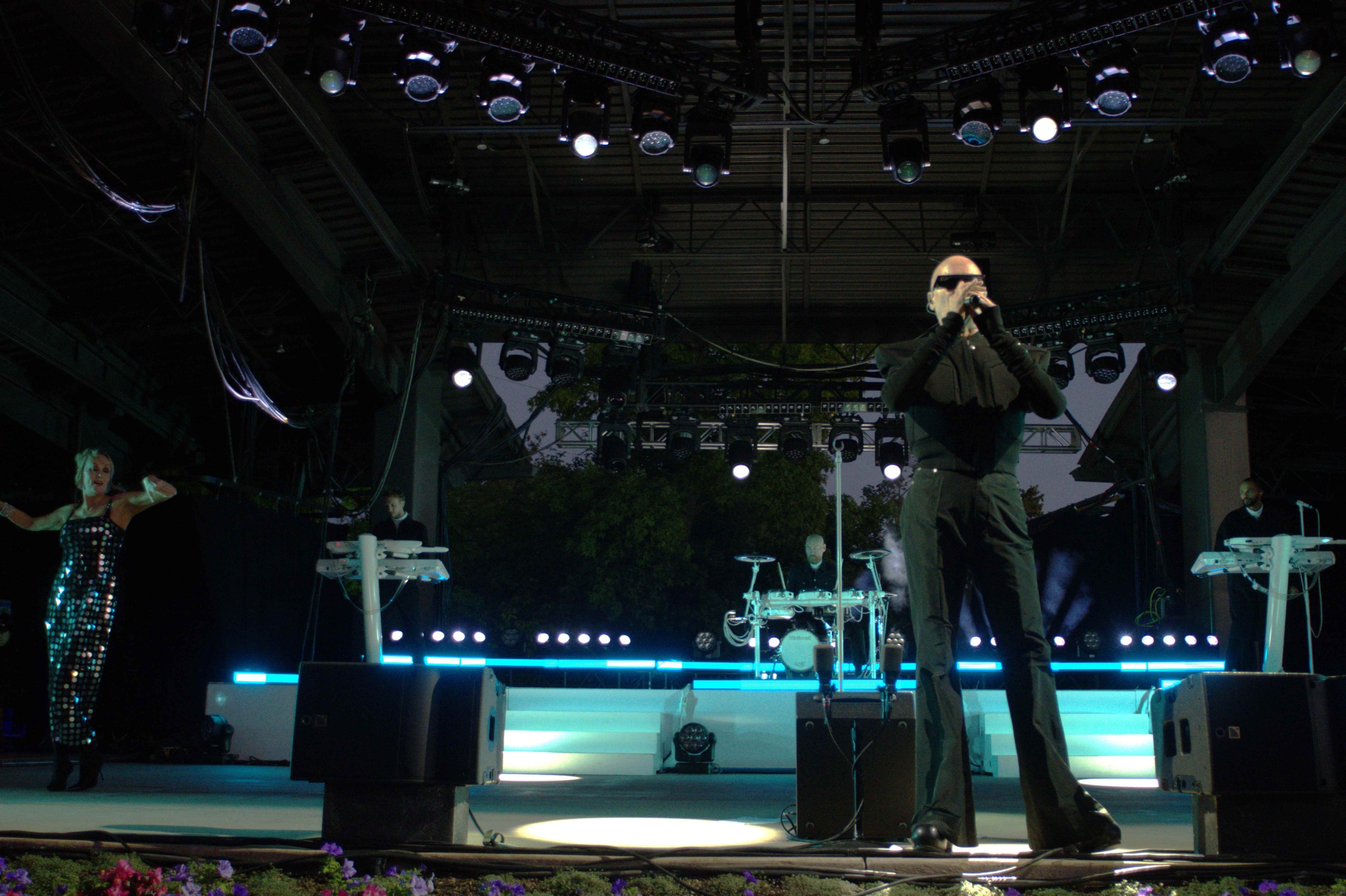
Phil Oakey’s legendary androgynous style shone through multiple costume changes — sci-fi inspired looks that felt pulled from *The Martian Chronicles* or a futuristic dream. Back in the late ’80s, my gay friends were devoted to Phil right alongside Bowie, Prince, and Annie Lennox. When I asked if he was gay, the response was always, “No, he’s *andro*.” That fluidity and refusal to be boxed in made him an icon for gender exploration long before mainstream conversations caught up. Tonight, the Phil Oakey fashion show was in full effect, and the crowd adored every look.
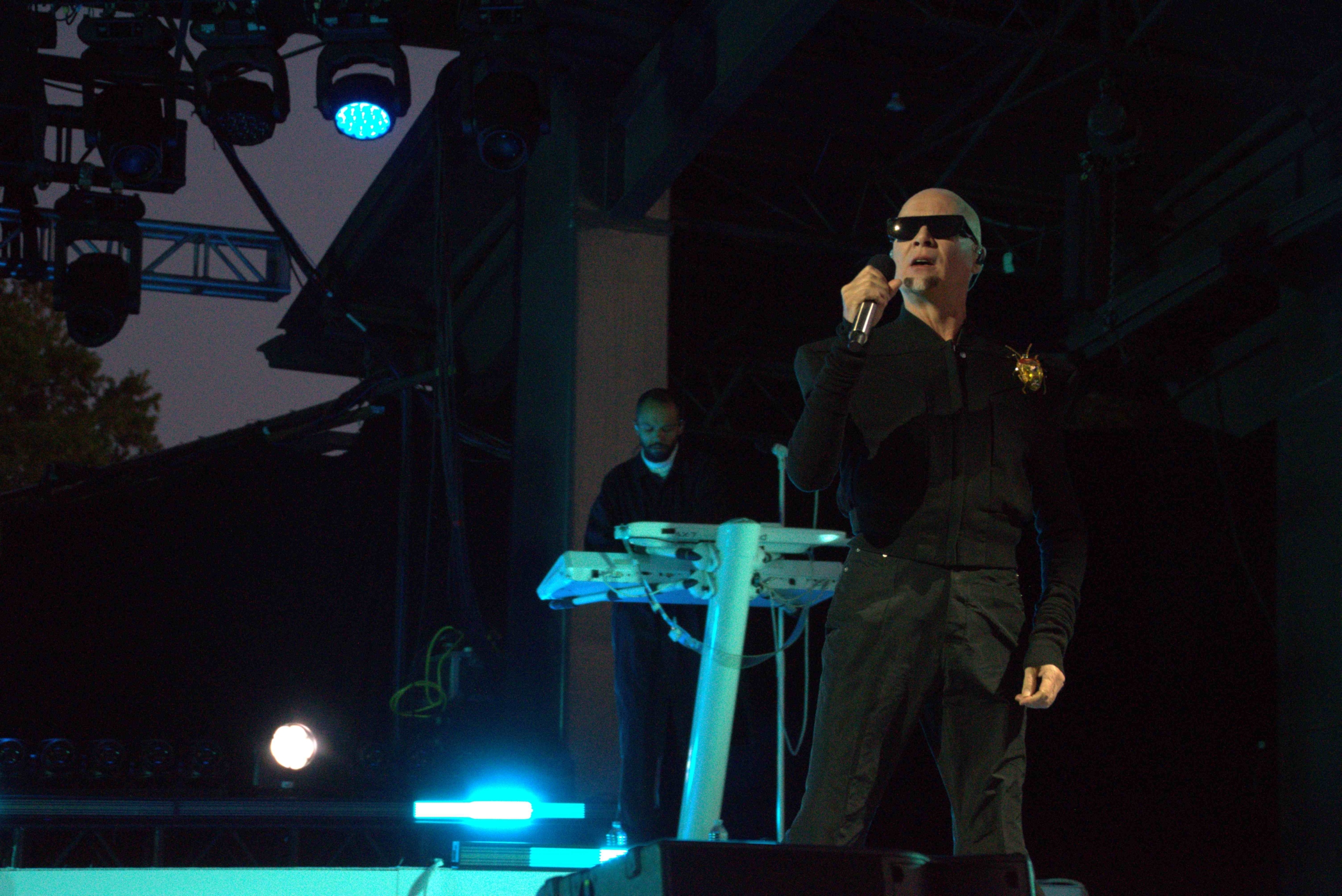
“Tell Me When” had me singing the responses in my baritone alongside Phil. “(Keep Feeling) Fascination” turned the entire amphitheater into one massive, joyous dance party. The audience split parts naturally — women on verses, men booming the iconic “Hey hey” choruses — creating a glorious, gender-blended sing-along. “Don’t You Want Me” brought the house down as the massive closer for the main set. The encore delivered “Being Boiled” and the perfect, dreamy closer “Together in Electric Dreams,” sending us all into the night floating on a cloud of nostalgia and renewed connection.
A Night That Healed and Connected
Looking back, this wasn’t merely a nostalgia tour. It was a queer New Wave sanctuary. Soft Cell reminded us of the power of unapologetic desire and camp resilience. Alison Moyet provided emotional depth and vocal catharsis that has comforted generations through their most private struggles. The Human League celebrated androgyny, reinvention, and the pure liberation of the dance floor.
In a cultural moment where LGBTQ+ rights and visibility continue to face challenges, nights like this feel essential. They reaffirm that the music which helped so many of us survive the ’80s and ’90s — with its coded messages, flamboyant stars, and inclusive dance floors — still unites us today. For every queer kid who once felt alone, this show said loudly and clearly: you were never alone, and you never will be.
The Generations Tour delivered far beyond expectations. Soft Cell brought beloved sensuality and heartfelt tribute. Alison Moyet was crowned queen of Salt Lake City
. The Human League earned ultimate respect with energy and showmanship that belied any doubts. In Salt Lake City, under the stars at Red Butte Gardens, three generations of fans — queer, straight, young, and seasoned — became one big, happy, dancing family once again.
Bucket list? Completely obliterated. This was legendary. If the tour comes anywhere near you, make it happen. These artists still have so much to give, and we still need what they offer: joy, connection, memory, and the freedom to be exactly who we are.
All the best wavers — and freaks — were here, singing, dancing, and remembering that the music never really left us. It was waiting for this exact moment.