


Stranger Things has made it difficult to leave the 1980s behind. Even after years of neon lights, synth-heavy soundtracks, oversized jackets, and nostalgic television, we’re still finding excuses to revisit the decade. Now, however, the franchise wants us to go even further back.
RELATED: Will Smith and Colman Domingo Went to School Together. Any Tea?
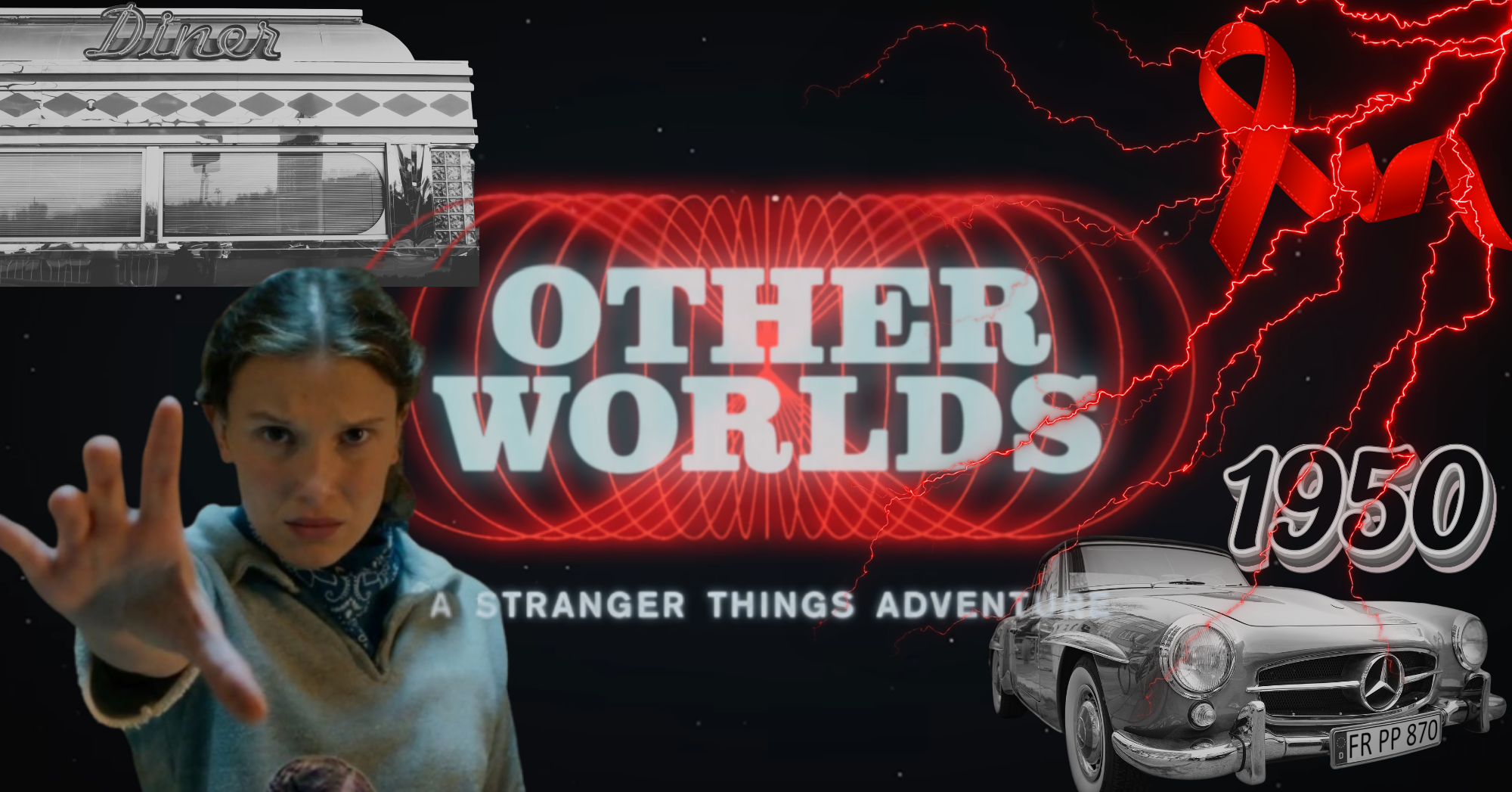
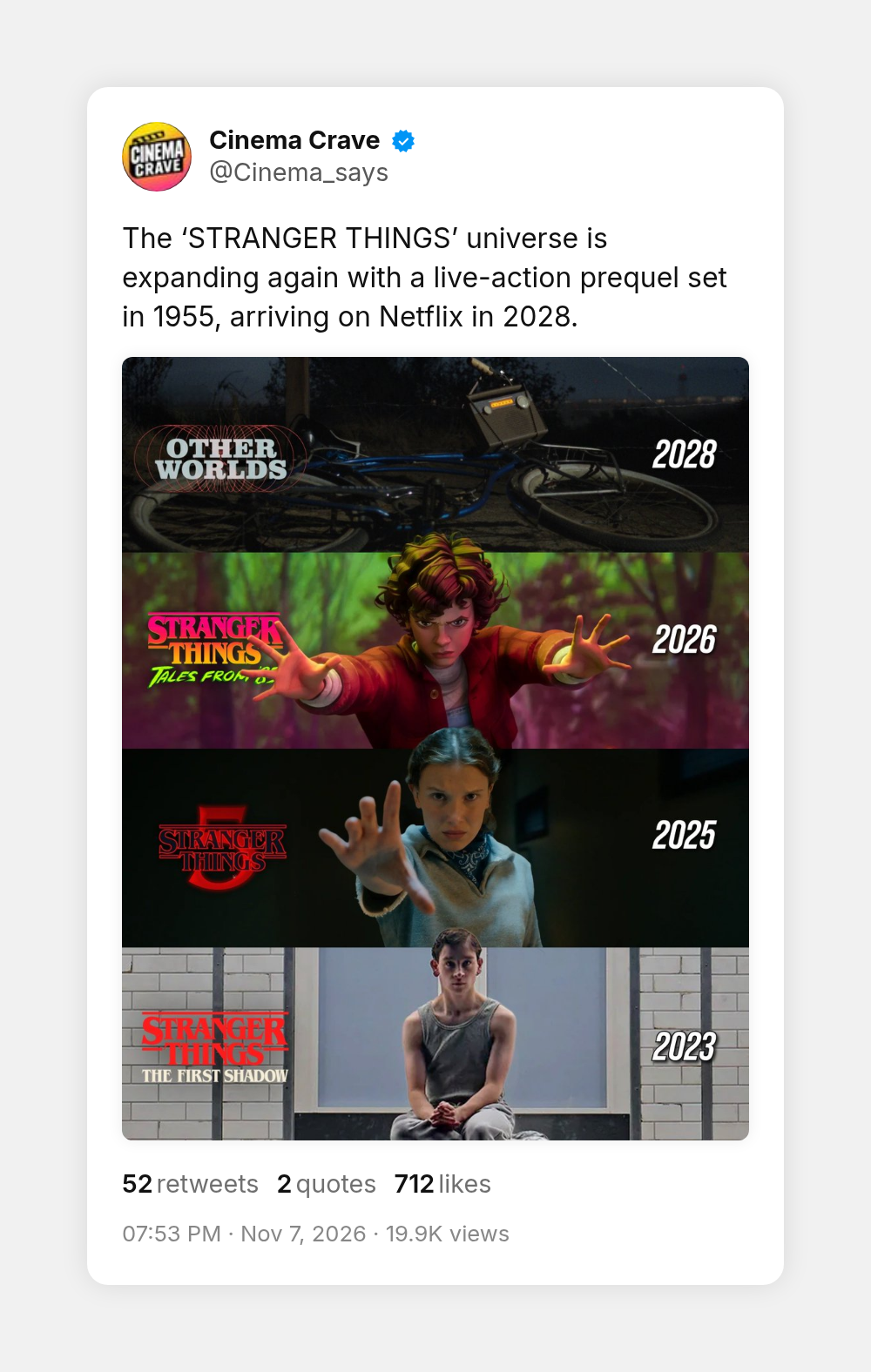
Netflix has announced Other Worlds: A Stranger Things Adventure, a live-action prequel set in Marion, Nevada, in 1955, with a planned release in 2028. It’s an intriguing direction for a franchise whose identity has been so closely tied to the decade of leg warmers, arcade machines, and questionable teenage fashion.
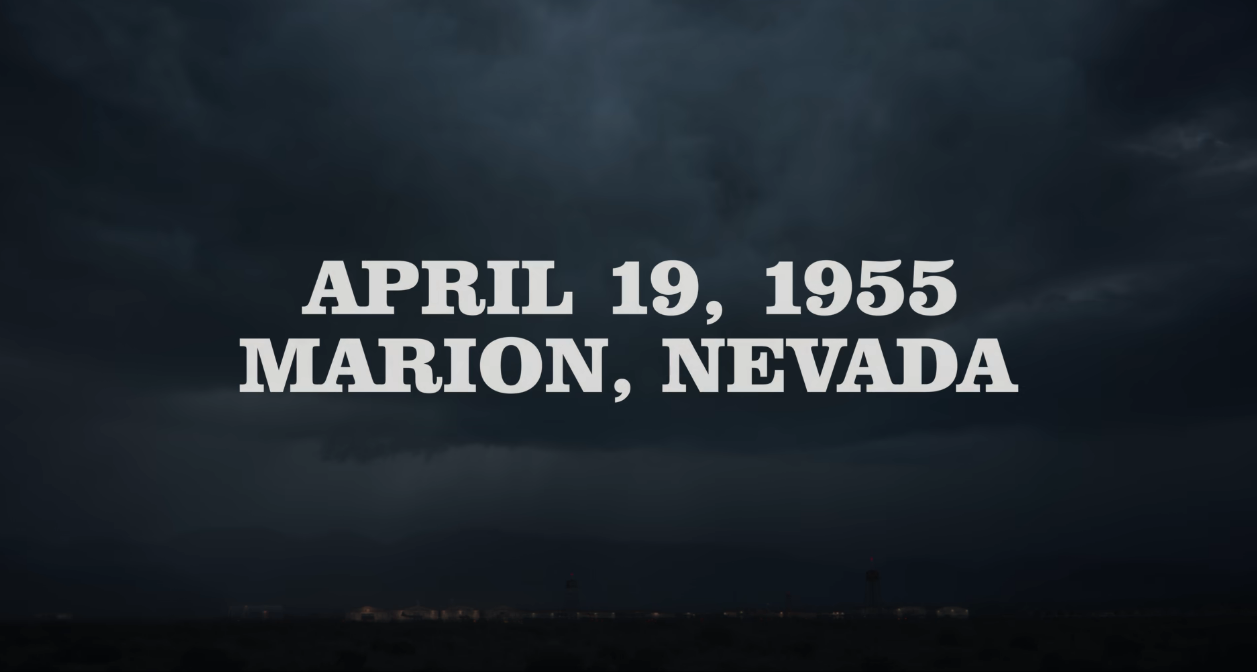
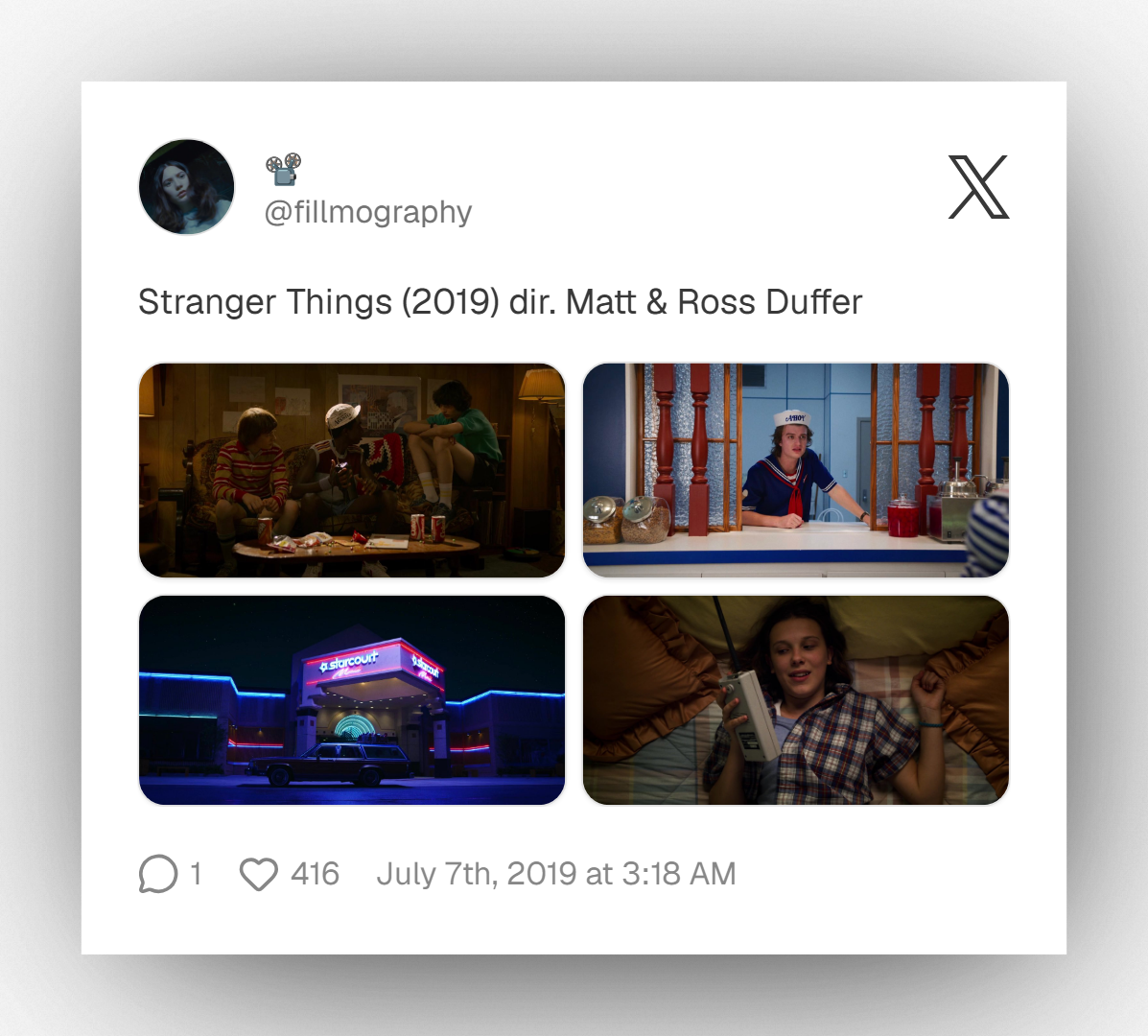
But here’s the thing: the ’80s weren’t just a convenient backdrop for Stranger Things. They were a huge part of its appeal. The music, the movies, the fashion, and even the familiar feeling of growing up in that era helped make the supernatural story feel like a world audiences actually wanted to spend time in.
The 1950s will have to work a little harder.
RELATED: Madonna, George Michael and the ’80s Nostalgia Trap
The problem with replacing the ’80s
Let’s face it: the 1980s have a considerable advantage in the nostalgia department. They’re still regularly referenced in music, fashion, film, and television, and even younger audiences have grown familiar with their aesthetics through countless modern throwbacks.
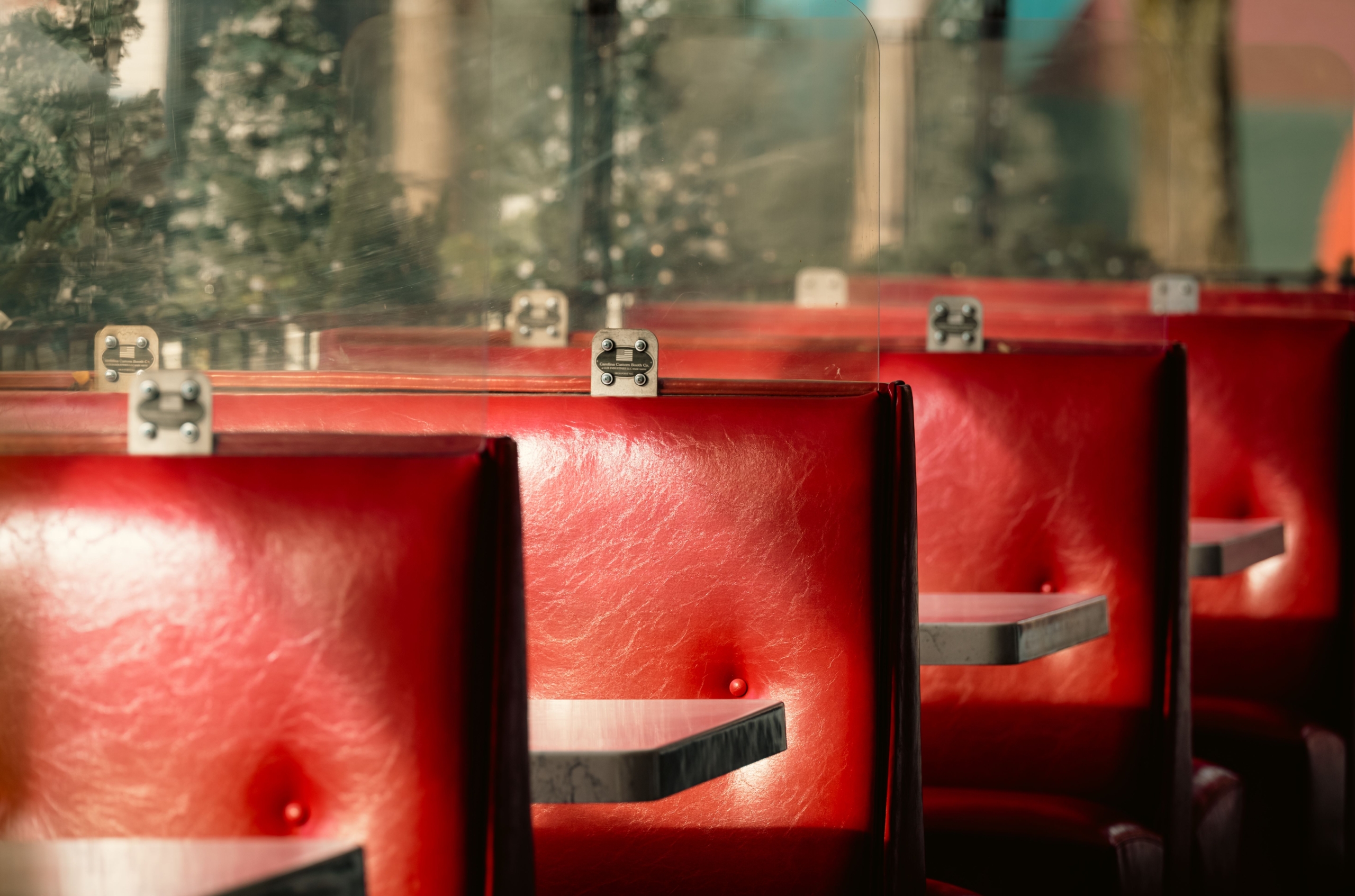
The 1950s, meanwhile, come with a very different cultural image. Think diners, jukeboxes, poodle skirts, polished suburban homes, and an America obsessed with looking respectable. It’s a recognizable aesthetic, certainly, but will audiences feel the same excitement about revisiting it?
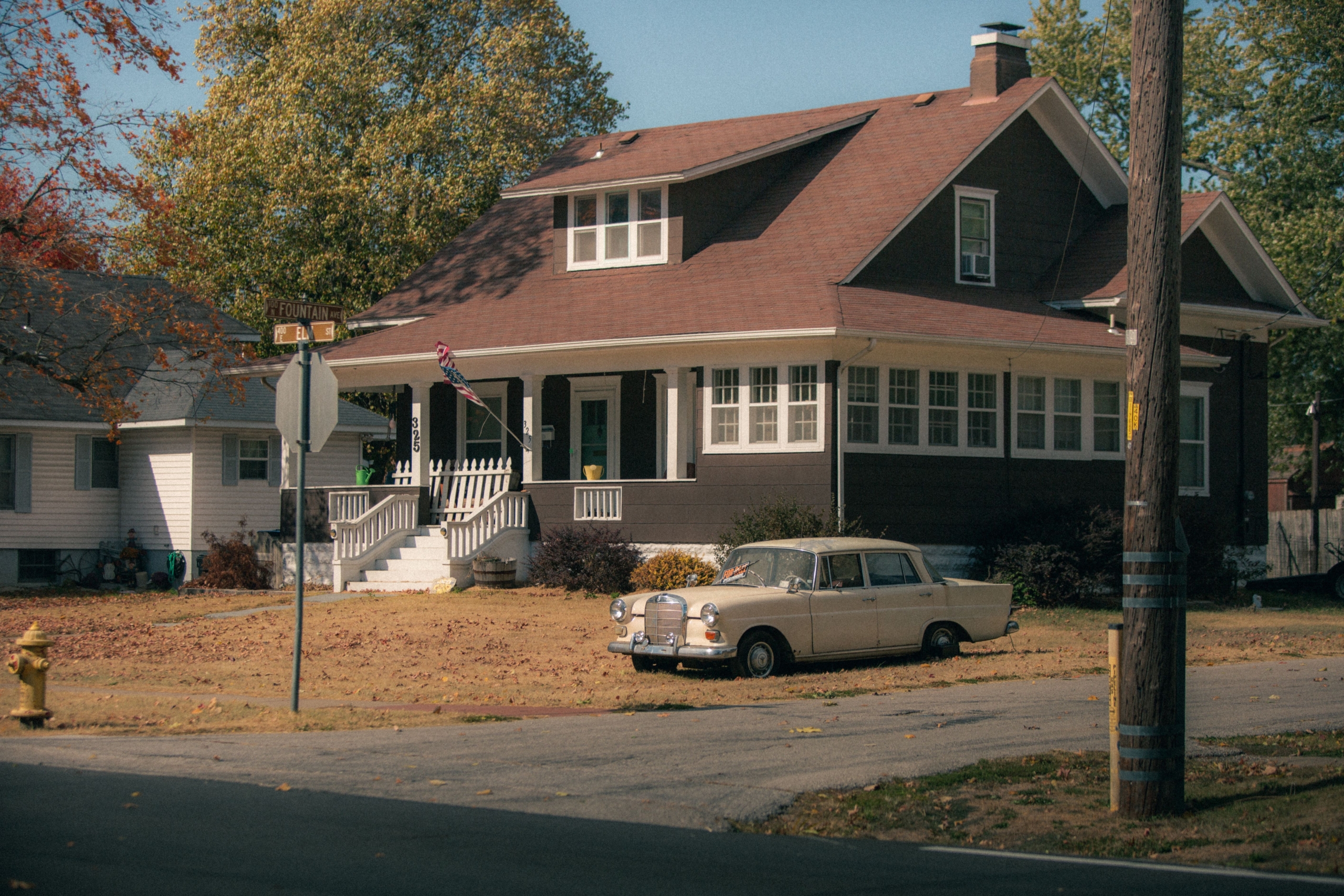
More importantly, Stranger Things can’t simply swap one decade’s soundtrack for another and expect the same magic. The original series had an emotional connection to its setting. Its characters felt like kids growing up in a particular time, rather than people wearing vintage costumes for an elaborate Halloween party.
Other Worlds needs to establish that same connection while giving audiences a reason to care about an entirely new generation of characters.
And 1955 might offer something more interesting than nostalgia anyway.
The 1950s weren’t exactly a wholesome American dream
The decade is often presented through a romanticized picture of traditional American life. However, behind the perfectly maintained lawns and cheerful family dinners was a society dealing with profound inequality and deeply restrictive social expectations.
For Black Americans, 1955 was a particularly significant year in the Civil Rights Movement. The murder of Emmett Till and the Montgomery bus boycott exposed the violence and discrimination that existed beneath America’s carefully constructed image of prosperity.
Could the prequel explore that side of the period? Its supernatural mythology already involves government secrecy, powerful institutions, and people whose lives are affected by forces beyond their control. A story that acknowledges the realities of the time could give the franchise a more complicated and compelling historical backdrop.
And LGBTQ+ viewers might have another reason to be curious.
A different decade, a different kind of closet
The original Stranger Things has explored themes of otherness, isolation, and being accepted for who you are. Taking the story back to 1955 could provide an opportunity to examine those ideas in a much less forgiving social environment.
Being openly gay in that era was hardly a straightforward option. Homosexuality was heavily stigmatized, same-sex sexual activity was criminalized in many parts of the United States, and LGBTQ+ people faced police harassment, discrimination, and enormous pressure to hide their identities.
The 1950s also preceded the AIDS crisis by decades, so this isn’t about revisiting that particular chapter of LGBTQ+ history. It’s about exploring the generations who lived under a different but equally consequential set of social restrictions.
Imagine a character navigating a secret identity in a town where everyone seems to know everyone else’s business. Add an unsettling government experiment or something lurking in another dimension, and suddenly the supernatural threat might not be the only thing worth worrying about.
Of course, Netflix hasn’t confirmed any LGBTQ+ characters or storylines. But the historical setting offers possibilities that could make this more than another exercise in retro aesthetics.
The people behind the new nightmare
Matt and Ross Duffer are co-creating the series with Kate Trefry, who will serve as showrunner and executive producer. Joe Wright will direct the first three episodes and also executive produce. Production is set to take place in New Mexico.
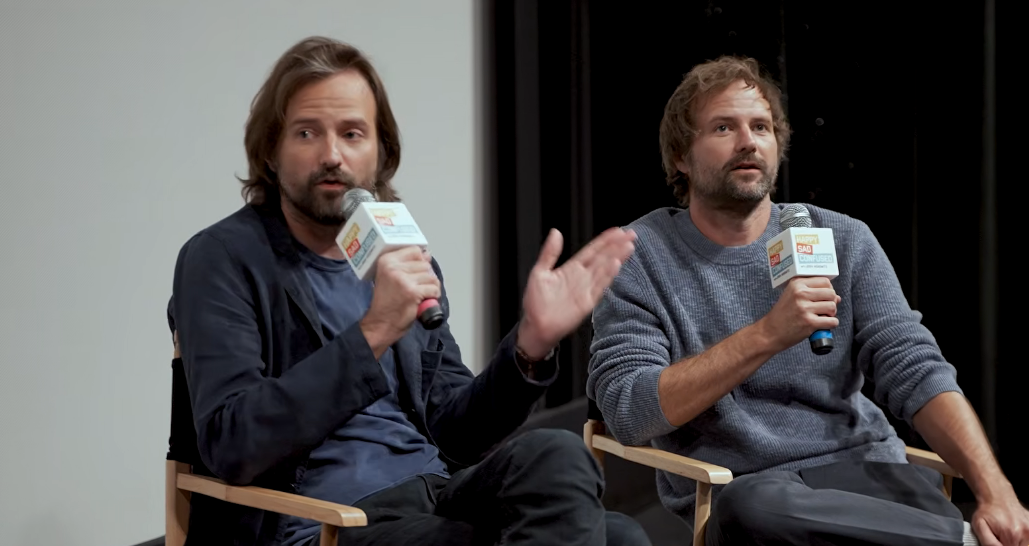
In a statement, the Duffer brothers said: “We’ve been dreaming of Other Worlds: A Stranger Things Adventure for many years now, and to see it become a reality is surreal and exhilarating.”
They teased “new heroes and villains” before adding: “Now, on to casting. In the meantime watch the skies, nerds!”
Netflix’s head of scripted series for the US and Canada, Jinny Howe, said: “Today, on Stranger Things Day, we’re honoured to partner again with Matt and Ross Duffer and Kate Trefry to give fans a new dimension of this universe to step into.”
Trefry added: “The Duffer Brothers gave me my first paying job in Hollywood, and it has been a joy and a fever dream ever since,” calling it her “insane honour and privilege” to bring the new chapter to life.
The announcement arrived on November 6, also known as Stranger Things Day, commemorating the fictional date Will Byers disappeared in 1983. The franchise has already ventured beyond the original television series through Stranger Things: The First Shadow, which opened in London’s West End in 2023. The Duffers previously said: “We are beyond excited about Stranger Things: The First Shadow.”
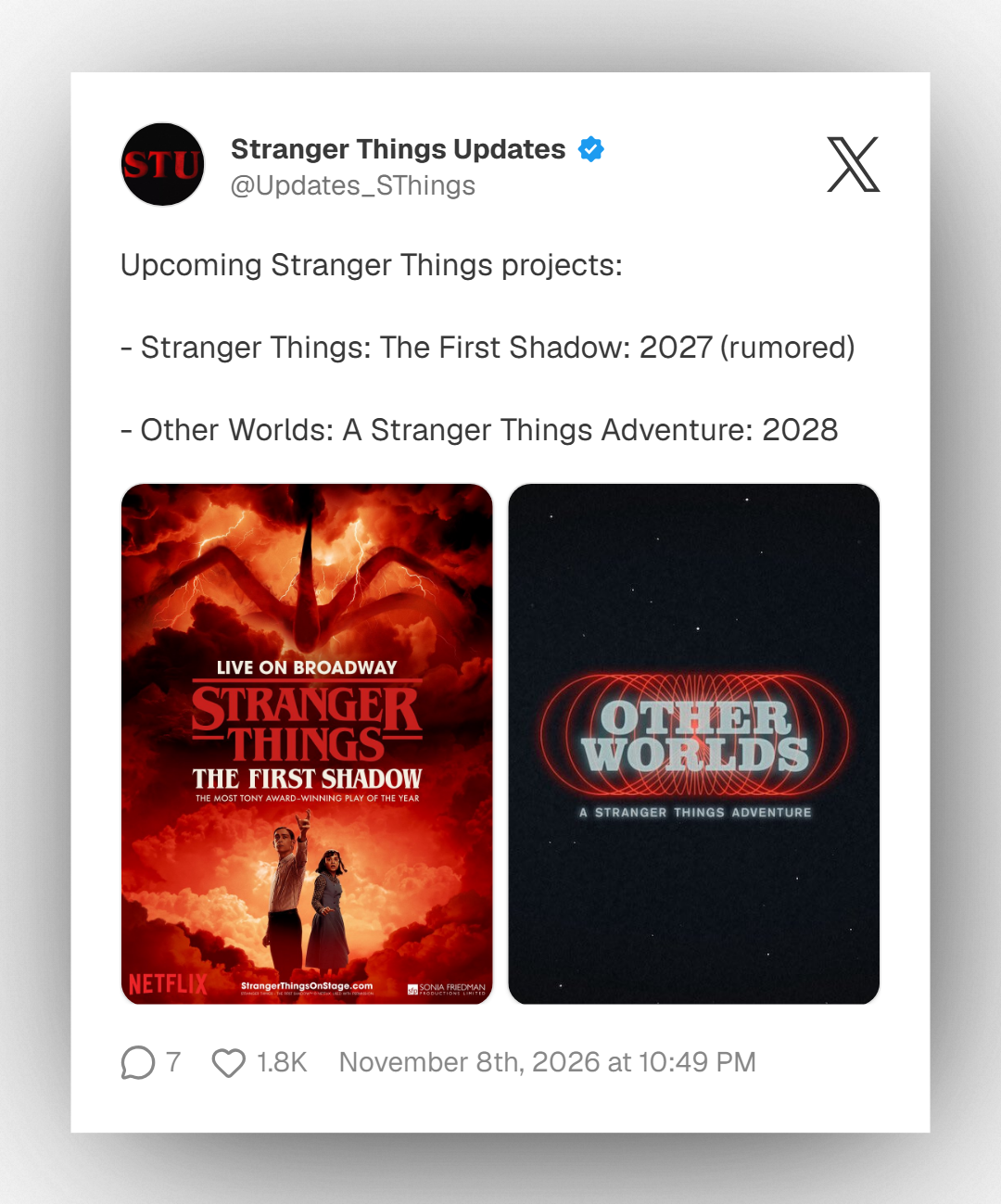
Can Stranger Things survive without its favorite decade?
There’s plenty of room for Other Worlds to surprise us. In fact, stepping away from the familiar 1980s setting might be exactly what the franchise needs to avoid feeling like it’s endlessly recycling its own greatest hits.
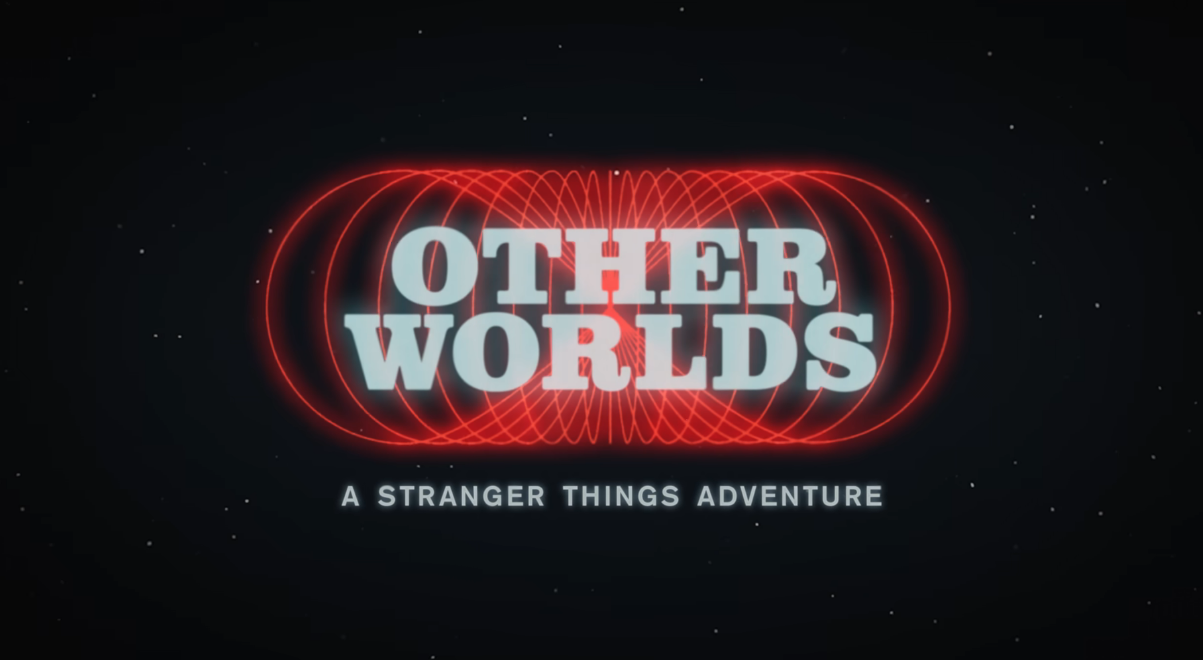
The question is whether audiences are interested in following it somewhere less familiar. The 1950s might not have the same immediate pop-culture appeal, but they offer a fascinating setting for a story about conformity, secrecy, prejudice, and the things society would rather keep hidden.
Netflix has yet to reveal the cast or the actual storyline, so we’re still waiting to find out what kind of trouble Marion is getting into.
Until then, we’ll keep our ’80s playlists. We’re not quite ready to surrender those just yet.
Sources: Netflix Tudum; Library of Congress; National Library of Medicine; US National Archives.