

When Trump became involved in reshaping the identity of the John F. Kennedy Center for the Performing Arts, it wasn’t just another Washington power move. For many people in the arts — and especially within the LGBTQ+ community — it landed as something more personal.
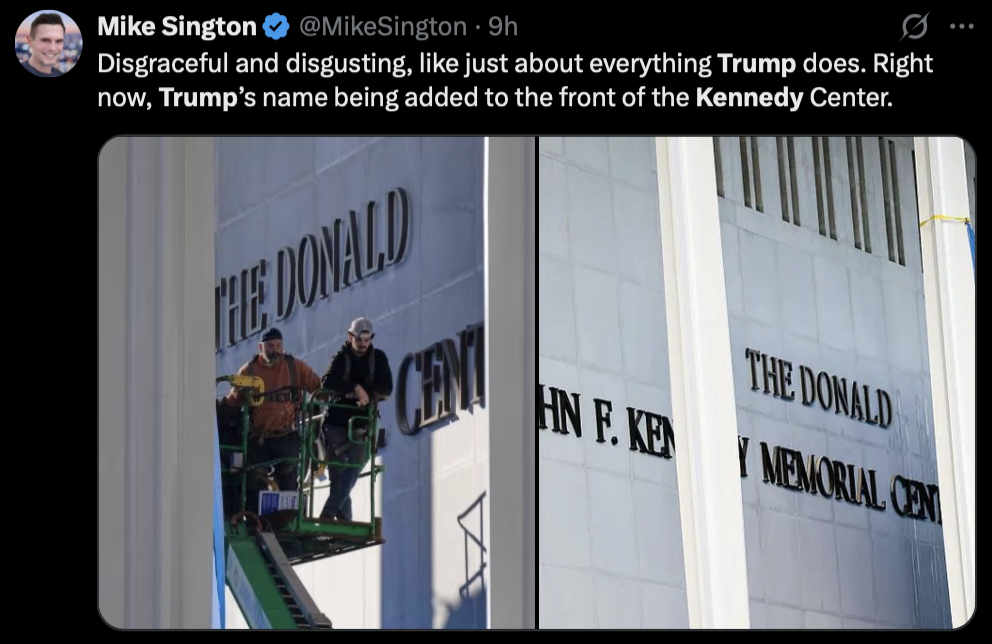
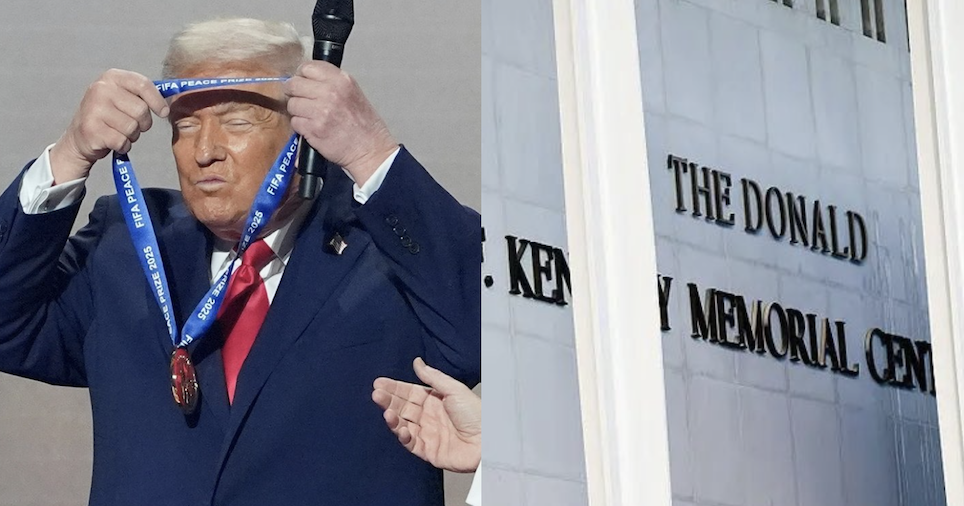
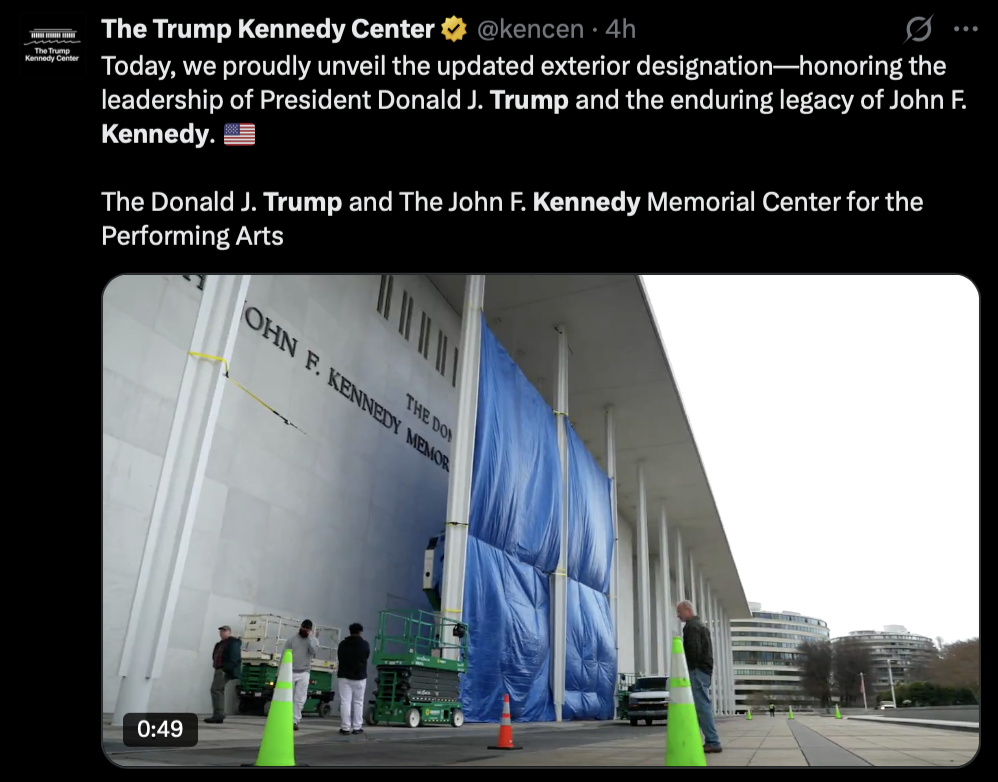
The recent decision by the Kennedy Center’s board of trustees to rename the institution The Donald J. Trump and The John F. Kennedy Memorial Center for the Performing Arts sparked immediate debate. Legal questions followed. So did pushback from the Kennedy family. But beyond the headlines, the moment opened up a larger conversation about symbolism, inclusion, and how cultural institutions reflect (or don’t reflect) the communities they serve.
RELATED: Gen Z Commentator’s Viral Takedown of Trump’s FIFA Peace Prize
Why the Kennedy Center Has Always Mattered
The Kennedy Center isn’t just a venue with prestige — it’s a national symbol. Congress officially named it in 1964 as a living memorial to President John F. Kennedy following his assassination. Since then, it has represented artistic excellence, creative freedom, and cultural dialogue on a national stage.
For LGBTQ+ people, the arts have long been a lifeline. Theater, music, and dance have historically been spaces where queer people could exist openly — sometimes decades before broader society allowed it. Even when representation was limited, the arts offered visibility, resistance, and joy.
That’s why changes to the Kennedy Center feel different. They don’t just affect programming schedules or branding — they touch something emotional.

How the Rename Happened — and Why Some Are Questioning It
After returning to office, Donald J. Trump, who was controversially awarded FIFA’s first peace prize award, was elected chair of the Kennedy Center’s board by a newly reconstituted group of trustees. Soon after, the board voted to add his name to the institution.
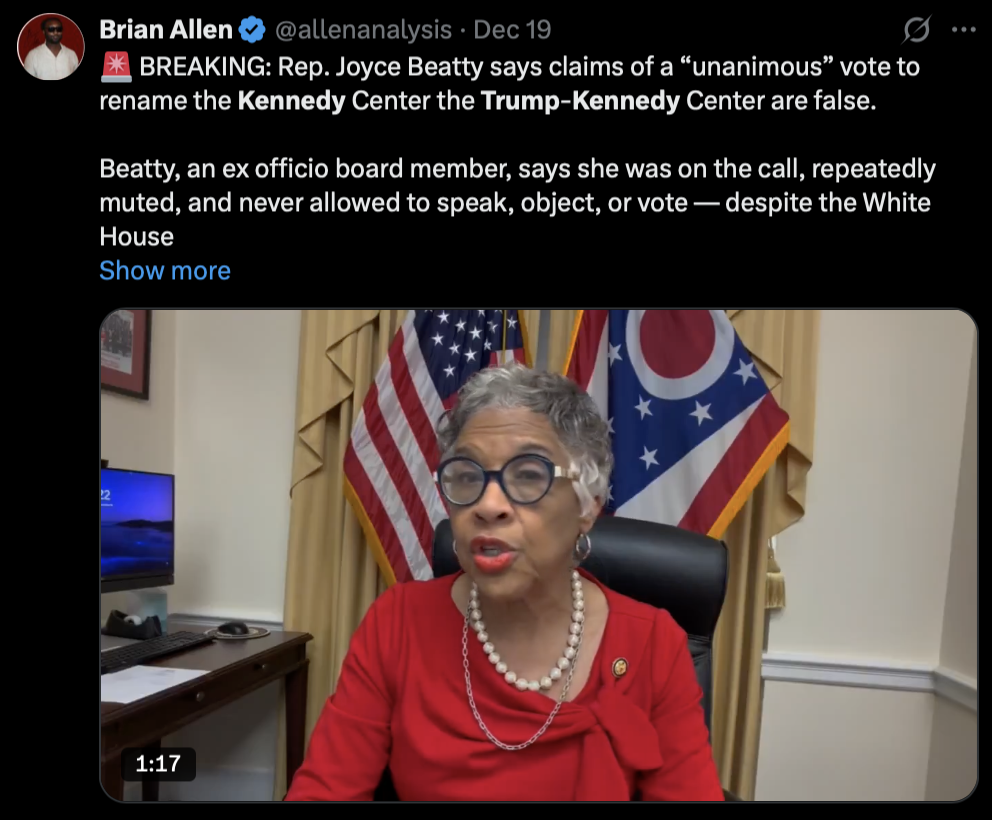
The White House described the vote as unanimous. But Democratic Representative Joyce Beatty, an ex-officio board member, later disputed that characterization. She said she attempted to speak during the call to raise concerns but was muted.
For LGBTQ+ advocates, that detail felt familiar. Cultural decisions that affect marginalized communities are often made quickly, quietly, and without meaningful input — even when those communities have deep ties to the institution involved.
Wow‼️ The Kennedy Center already started slapping Donald Trump’s name on the building without congressional approval.
The narcissism is unreal with this man, and the willingness of so many to bend to his every whim is pathetic. pic.twitter.com/JTXONM50ut
— Christopher Webb (@cwebbonline) December 19, 2025
Legal Questions and Kennedy Family Pushback
There’s also the matter of whether the board can legally make this change at all.
Federal law designates the Kennedy Center as a memorial to President Kennedy and places limits on additional memorial naming. Legal experts have suggested the board may not actually have the authority to rename the building in this way. Under federal law, renaming the building officially requires approval through the U.S. Congress.
Q: What’s your reaction to the Kennedy Center being renamed the Trump-Kennedy Center?
Trump: The board is most distinguished people in the country. I was surprised by it
(Trump is chair of the board, which he appointed & stocked with allies & donors)pic.twitter.com/rXWXJgKIdx
— Republicans against Trump (@RpsAgainstTrump) December 18, 2025
David Super, who specializes in legislation, has said the decision is likely unlawful — but challenging it in court could be difficult, depending on who has legal standing.
Members of the Kennedy family didn’t mince words. Joe Kennedy III pointed out that national memorials aren’t meant to shift with political power. Maria Shriver emphasized her uncle’s commitment to the arts, culture, and education — values that have long aligned with queer creative communities.
Programming, Power, and the Question of “Woke”
Under the current administration, the Kennedy Center has seen notable leadership and operational changes. Richard Grenell, now serving as the center’s president, has spoken about reshaping programming to appeal “to the masses” and enforcing a strict break-even policy for performances.
President Trump has also said the center will no longer be “woke,” language that tends to raise red flags for LGBTQ+ artists. Historically, that framing has often resulted in fewer queer stories, less trans representation, and a narrowing of what is considered culturally acceptable on major stages.
Supporters point to increased donor interest and building renovations. Critics counter that financial health doesn’t mean much if inclusivity quietly disappears.
The Rainbow Ribbon — A Small Change With Big Meaning
One of the most quietly symbolic changes came not in a press release, but in how the Kennedy Center Honors now look.
It’s now official that the rainbow ribbon traditionally associated with the Kennedy Center Honors medallion has been removed. The multicolored ribbon — sometimes called the ‘rainbow sash‘ — has been part of the awards since 1978. Designed to represent the full spectrum of the performing arts, it was meant to symbolize creative diversity across disciplines.
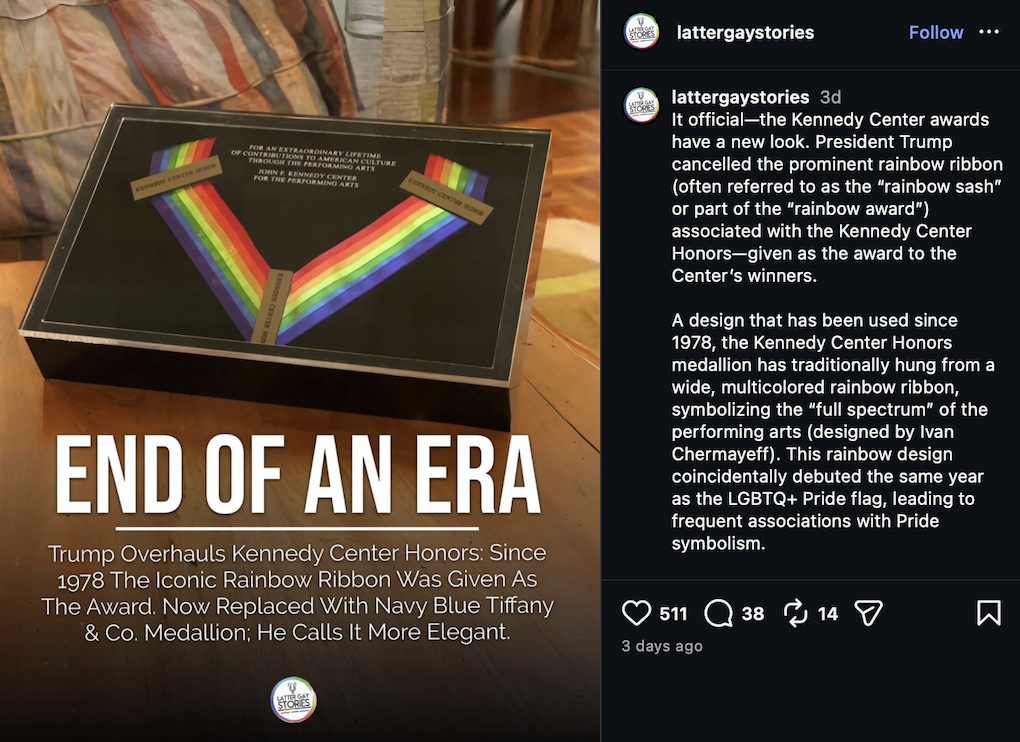
That same year, the LGBTQ+ Pride flag debuted. While the ribbon was never officially Pride-related, the timing led many audiences to associate it with inclusion and queer visibility. Over time, it became quietly meaningful — especially for LGBTQ+ artists who rarely saw themselves reflected in formal cultural institutions.
The administration has not framed the change as anti-LGBTQ+. Still, in the context of broader messaging about removing “woke” elements, the absence of the rainbow ribbon has felt telling to some. For communities that have learned to read symbolism closely, design choices matter.
What This All Signals Going Forward
This moment isn’t just about a name, a ribbon, or a board vote. It’s about who gets to define American culture — and whose presence is treated as optional.
For LGBTQ+ people, the arts have never been neutral. They are places of memory, survival, celebration, and resistance. When cultural institutions change direction quickly and without transparency, it’s natural to ask what stories will still be welcome on those stages.
As legal questions linger and changes continue to unfold, one thing is clear: queer artists and audiences aren’t only watching what the Kennedy Center is called. They’re watching what it becomes — and who it chooses to see.
REFERENCE: CNN
If trump wants to have his name on a building, how about a prison or a mental hospital