

How is it 2025, yet members of the LGBTQ+ community are fearing for their lives again?
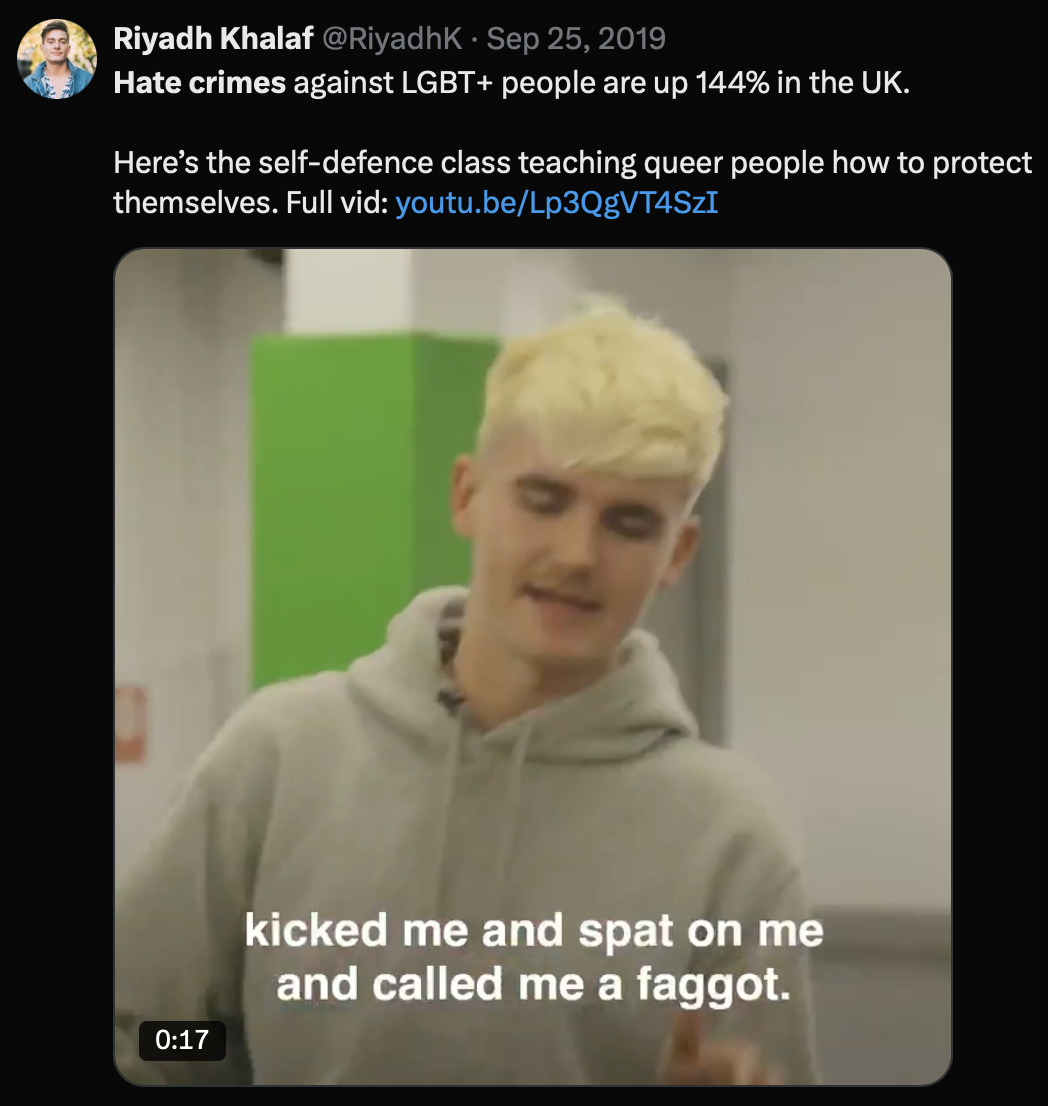
After decades of progress — from marriage equality to the normalization of queer love stories in mainstream media — the tide seems to be turning. A new investigation by ISD Global paints a sobering picture: across the U.S., U.K., and Europe, hate crimes and online harassment against LGBTQ+ people are sharply rising. Particularly at risk are transgender and gender-nonconforming individuals, who are being targeted both in real life and in digital spaces.
It’s not paranoia — it’s pattern.
The Numbers Don’t Lie
According to the FBI’s 2024 hate crime report (released in August 2025) more than 20% of hate crimes in the U.S. were motivated by anti-LGBTQ+ bias — for the third consecutive year. A spokesperson from the Human Rights Campaign called it what it is: “a national emergency.”
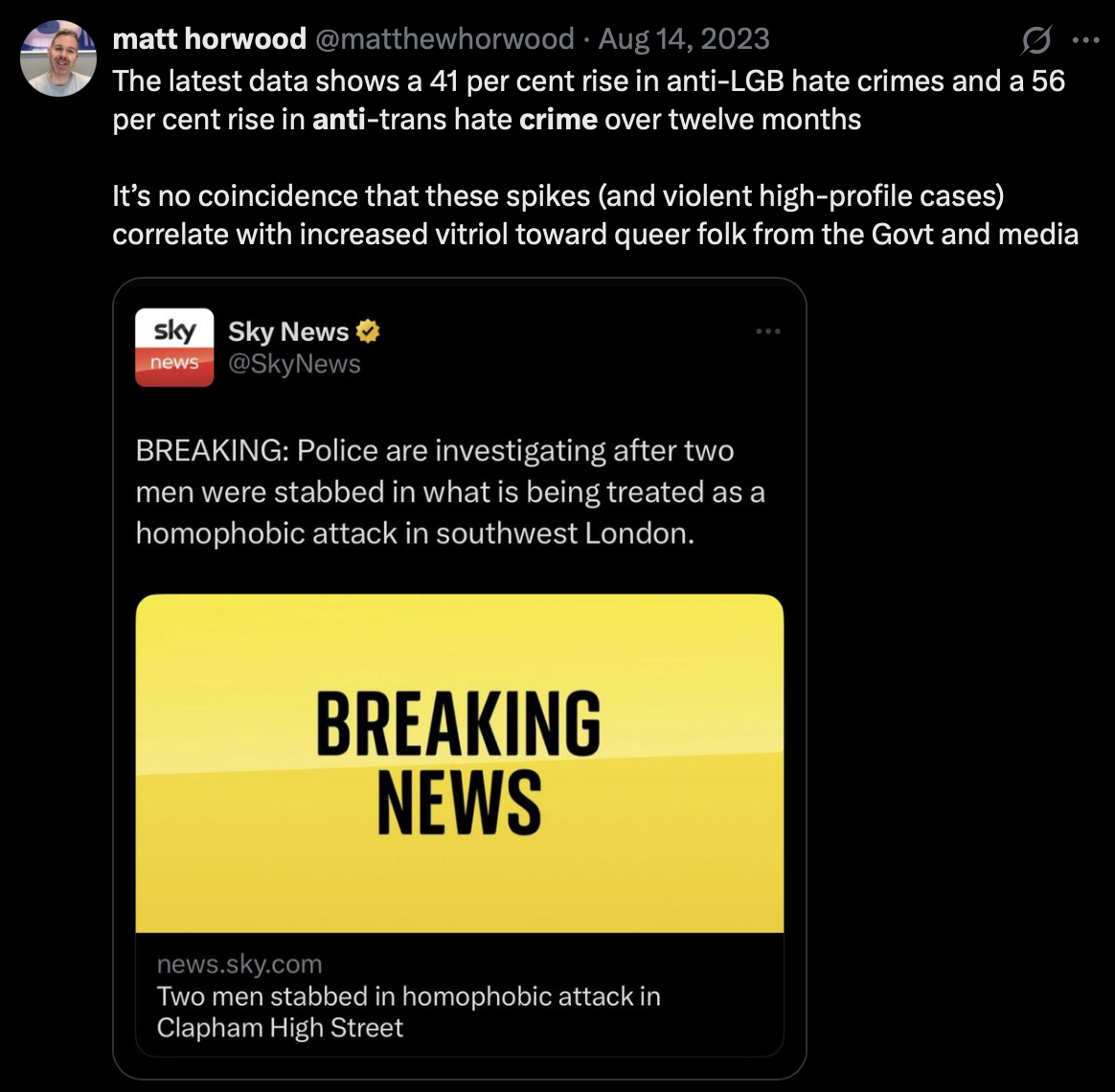
GLAAD documented 918 anti-LGBTQ+ incidents in the U.S. in 2024 — including seven deaths and 140 bomb threats. Almost half of those targeted were transgender, nonbinary, or gender-nonconforming individuals.
A separate study by the Williams Institute at UCLA School of Law found that LGBTQ+ people are five times more likely to be victims of violent crime and nine times more likely to experience violent hate crimes compared to non-LGBTQ+ individuals.
The data tells a grim story — the kind that’s impossible to ignore.
When the Lifeline Is Cut
As if the numbers weren’t alarming enough, 2025 saw a devastating blow to queer mental health support.
In June, the Trump administration announced it would terminate the LGBTQ+ youth suicide hotline under the 988 Suicide & Crisis Lifeline. The “Press 3” option, which once connected queer youth to trained crisis counselors, was officially discontinued on July 17, 2025 — just 30 days after the announcement.
RELATED: Press 3 for Help? Trump Administration Says Not After July 17
For countless young people, that hotline wasn’t just a number; it was a lifeline. Its removal leaves many vulnerable LGBTQ+ teens without immediate, affirming help in moments of crisis.
The Political War on LGBTQ Existence
What’s happening in the U.S. right now is more than cultural backlash — it’s legislative. Over 600 anti-LGBTQ+ billshave been introduced this year alone. These bills target everything from gender-affirming care to LGBTQ+ education, effectively criminalizing existence under the guise of “protecting children.”
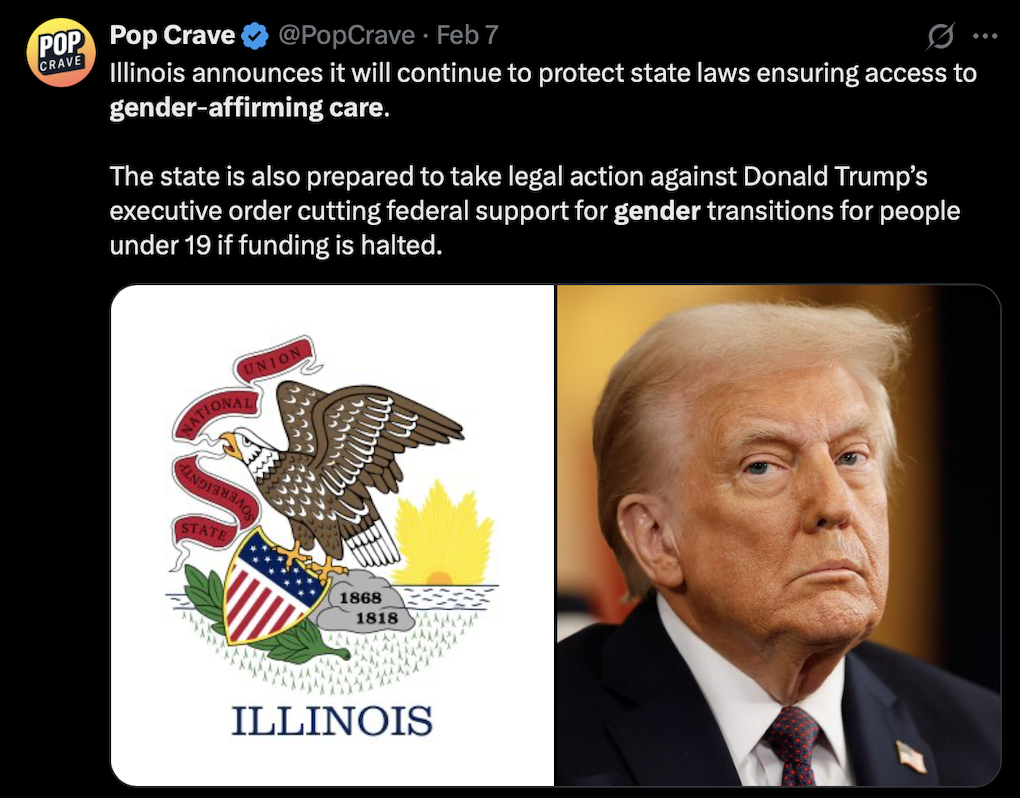
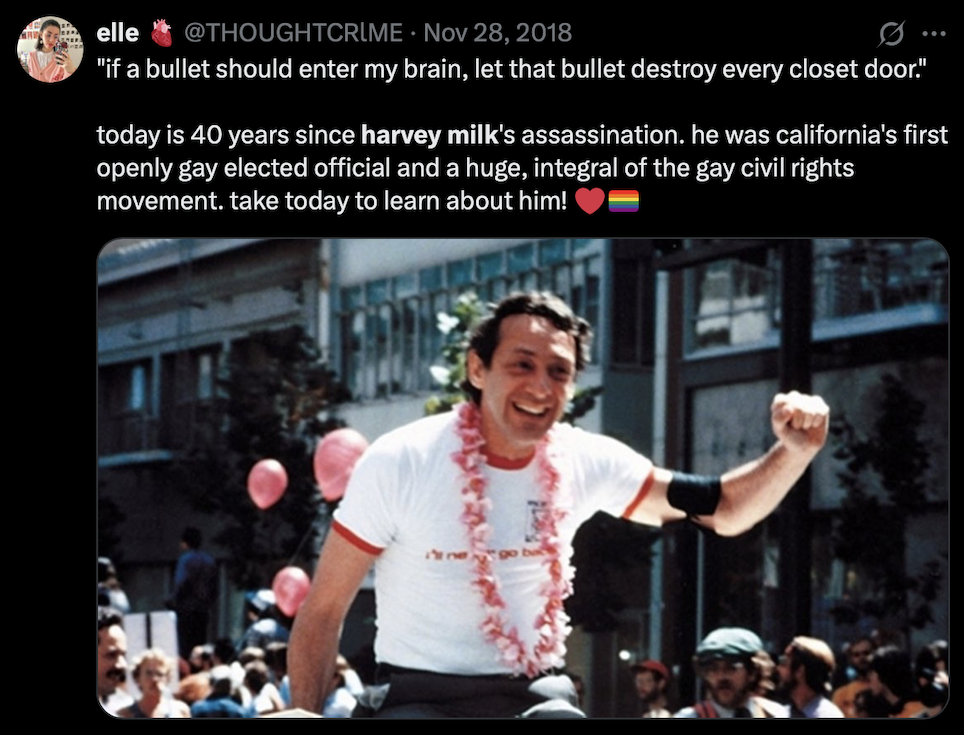
GLAAD has tracked the administration’s actions — a long list that reads like a manual on erasure: banning transgender service members; removing LGBTQ+ issues from the State Department’s human rights report; deleting mentions of queer figures from federal websites; stripping the name of civil rights icon Harvey Milk from a naval vessel; and cutting funding for HIV research and prevention.
And it doesn’t stop there. Reports surfaced that over 100 LGBTQ+ employees across 15 federal agencies were dismissed after internal messages on queer issues were deemed “disgusting.” Others now live in fear of being targeted simply for being who they are.
When a government starts deciding who can exist openly, freedom itself becomes conditional.
Dangers Online
It’s not just the streets that have grown unsafe — it’s the screens, too.
Online spaces that once offered freedom and community have become new frontlines of hate. Queer creators, particularly trans people, face coordinated harassment, shadow bans, and algorithmic censorship. Posts using simple words like “gay,” “queer,” or “trans” are often mislabeled as “explicit.”
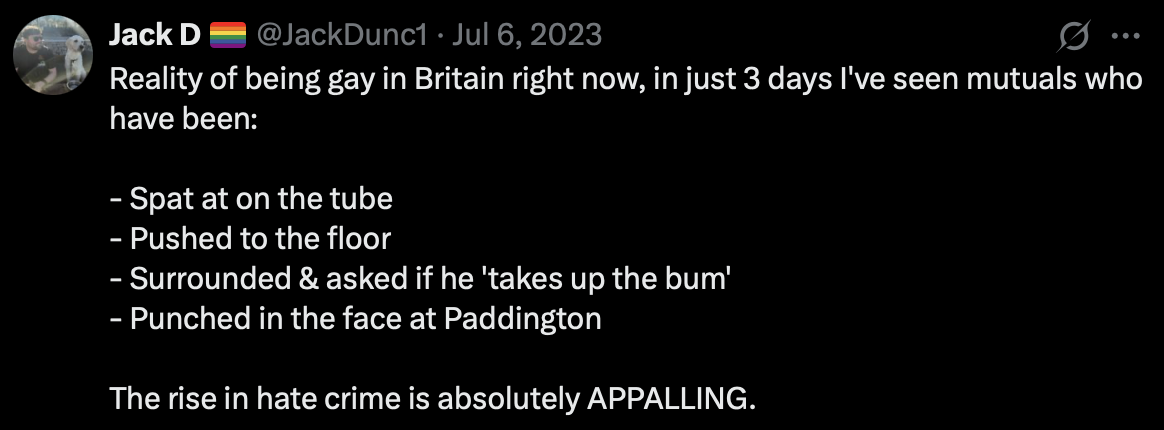
Platforms claim it’s an accident — a glitch in automated moderation — but the pattern persists.
According to ISD’s report, the same algorithms designed to promote safety are quietly erasing queer visibility. AI moderation tools, trained on biased datasets, mistake LGBTQ+ content for “adult” or “controversial” material. Even hashtags like #gay and #trans were temporarily blocked on Instagram earlier this year due to so-called “misclassification.”
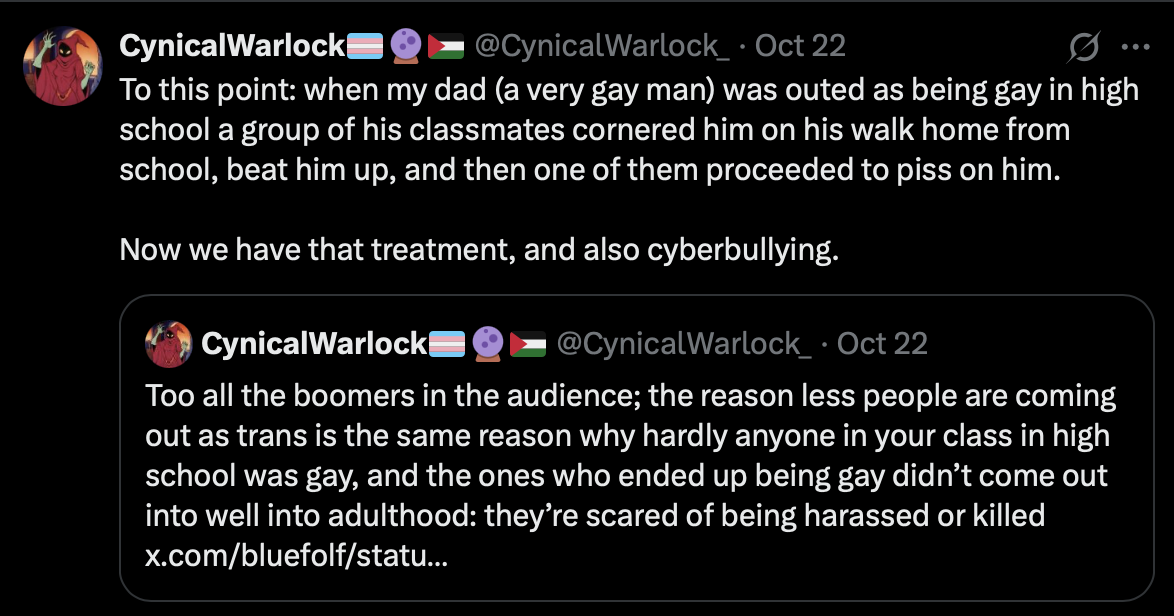
This wave of digital erasure has been as a haunting metaphor — being forced back into hiding not by society’s hate, but by society’s machines.
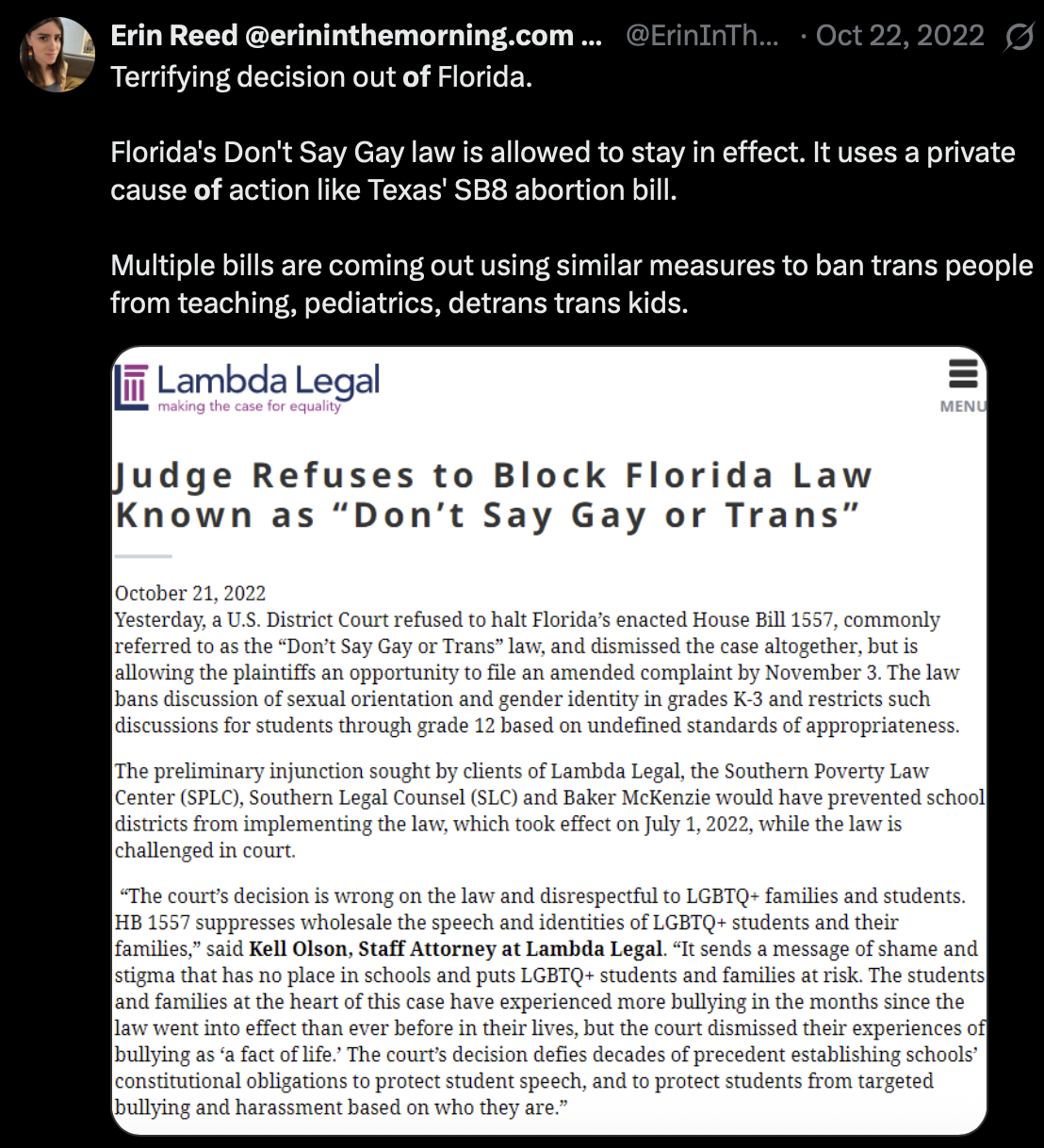
Welp, Florida Gov Ron DeSantis signed the controversial “Don’t Say Gay” bill into law.
Make no mistake, this law is just one of a many being passed in Florida and Texas and other red states, aimed at appeasing white, straight, Christian nationalists. pic.twitter.com/nNbWMh0L0B
— Heather Gardner (@heathergtv) March 28, 2022
Meanwhile, laws like the U.K.’s Online Safety Act and the proposed Kids Online Safety Act (KOSA) in the U.S. risk worsening things further. Their vague definitions of “harmful content” could easily sweep LGBTQ+ educational resources into the same category as pornography — all under the banner of “protecting minors.”
The Cost of Living Out Loud
Visibility, once the community’s greatest triumph, now feels like a double-edged sword.
A Trevor Project survey found that 71% of LGBTQ+ youth say anti-LGBTQ+ laws have negatively affected their mental health, and nearly half report constant anxiety about violence and censorship.
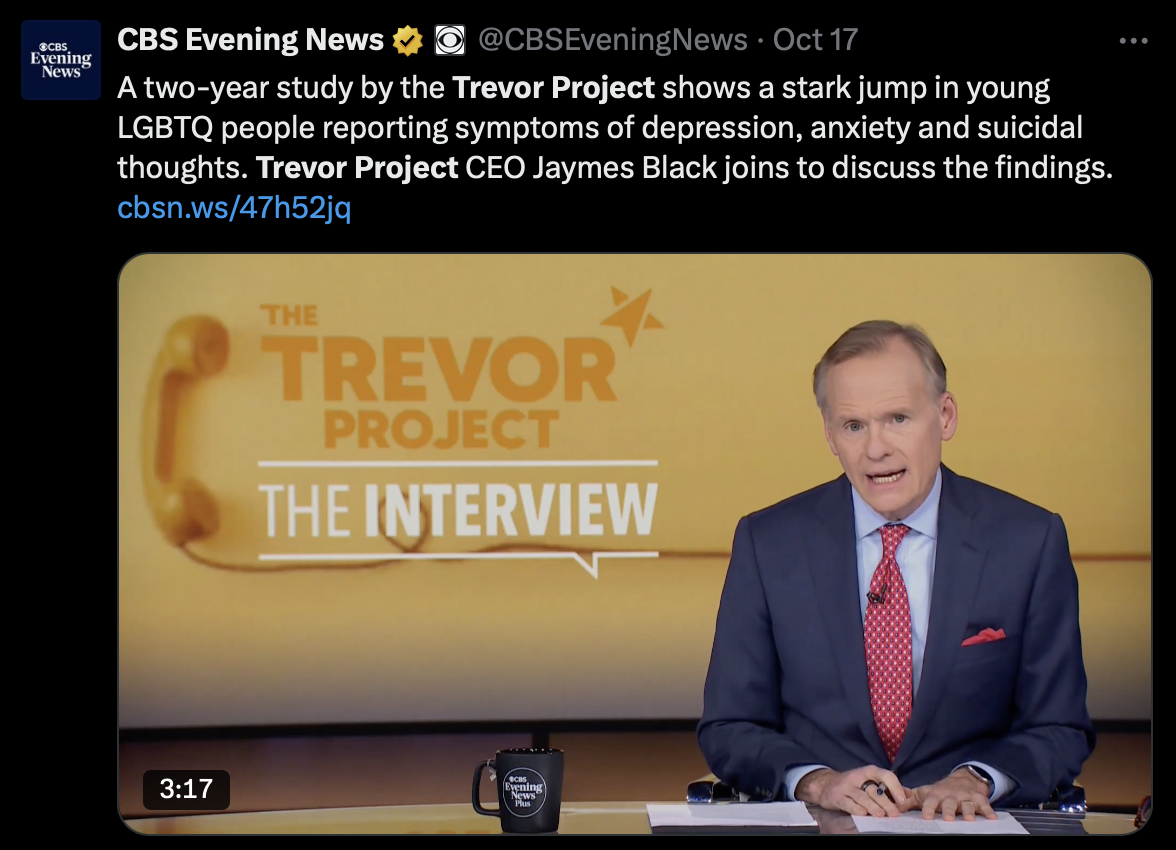
For many, simply existing online — posting a photo, sharing a story, or using a pronoun — can invite real-world consequences.
And yet, in the face of all this, there’s still strength. Queer communities continue to build, organize, and celebrate. Drag performers are finding new ways to gather audiences safely. Small-town Pride organizers are refusing to cancel their events. Trans activists are forming digital coalitions that outsmart algorithmic suppression.
That’s the beauty and tragedy of queerness — to persist in joy, even when the world insists you shouldn’t.
A Hard Truth, and a Hopeful One
The ISD report connects the dots: political regression, digital erasure, and rising violence aren’t isolated issues — they’re part of the same machine. When governments, tech companies, and extremists work in parallel (whether knowingly or not), the result is a chilling ecosystem of fear.
But there’s another ecosystem growing, too — one of resistance, creativity, and radical empathy.
Because every time someone comes out, every time a parent defends their queer child, every time a queer artist refuses to be silenced, they’re building the future that hate keeps trying to dismantle.
The world may feel more dangerous for LGBTQ+ people right now — but it’s also more visible, more connected, and more unwilling than ever to go quietly.
REFERENCE: Institute for Strategic Dialogue, GLAAD
Nah.
1. Stop using the idiotic word queer for gay men. Or for anyone, actually.
2. L and G are not part of BTQ+. Stop trying it.
3. People are hating on us because we are more hatable than ever. Childish, vengeful, immature, spoiled brats calling themselves derogatory names, pointing fingers at everyone but themselves and demeaning everything they fought for.
It’s all on you. The hate has to stop within and then it will lessen without.
Wow, just the LG and not even the B. That says all we need to know about you.
There was a great advancement for a number of years in accepting gay people in the community. People realized that differences were minute. Then, for some reason, some organizations decided to add a whole alphabet to the mix, and gay people became saddled with almost every outcast in society, generally not gay. From that point, things went downhill quickly.
In the US, since trump and his maga cohorts took over, anti-lgbt is on the rise.
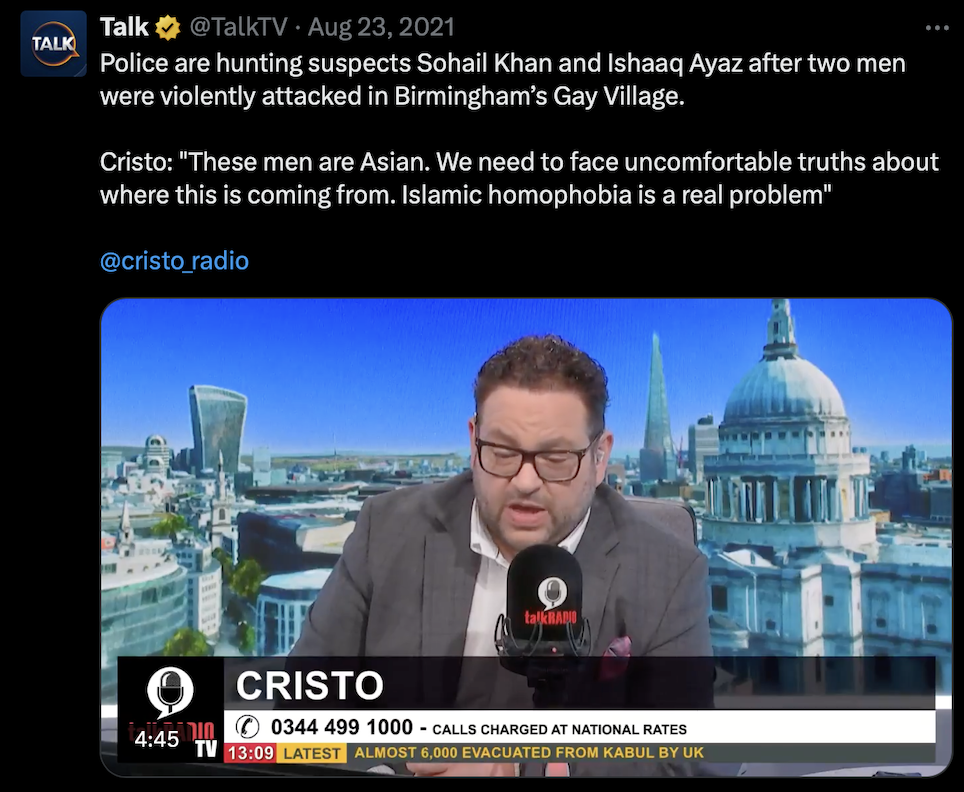
I feel in Western Europe, anti-LGBT is on the rise, is because of the rise of refugee, so-called asylum seekers, coming from islam countries who shove their religious, homophobic beliefs in liberal, secular countries. Which explains why anti-immigration, anti-refugees are on the rise as well. People are now voting for far-right wing parties (which surprising, leaving LGBT rights alone and surprising giving more rights such as Latvia and Lithuania which now recognize same-sex unions).
All of this, because of the current homophobic clown in the White House right now