


In a year where queer visibility is thriving on runways, streaming platforms, and your favorite TikTok thirst traps, it shouldn’t still be headline-worthy that a gay teen deserves basic safety at school. Yet here we are. As first reported by WTRF, a federal lawsuit filed by a student—using the pseudonym Grandson Rudolph—and his guardian has once again put Ursuline High School in Youngstown, Ohio, under a harsh and very necessary spotlight.
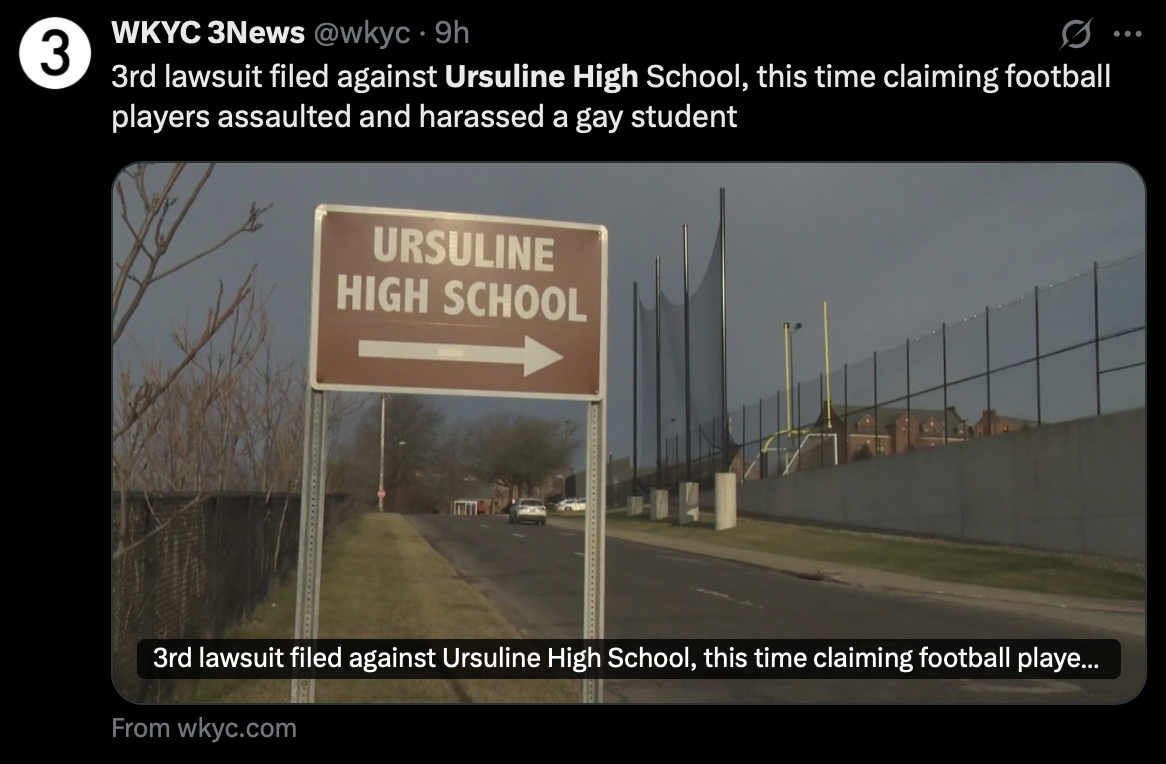
The lawsuit paints a distressing picture: a gay freshman allegedly tormented for months by several football players while school officials repeatedly brushed aside the family’s pleas for help.
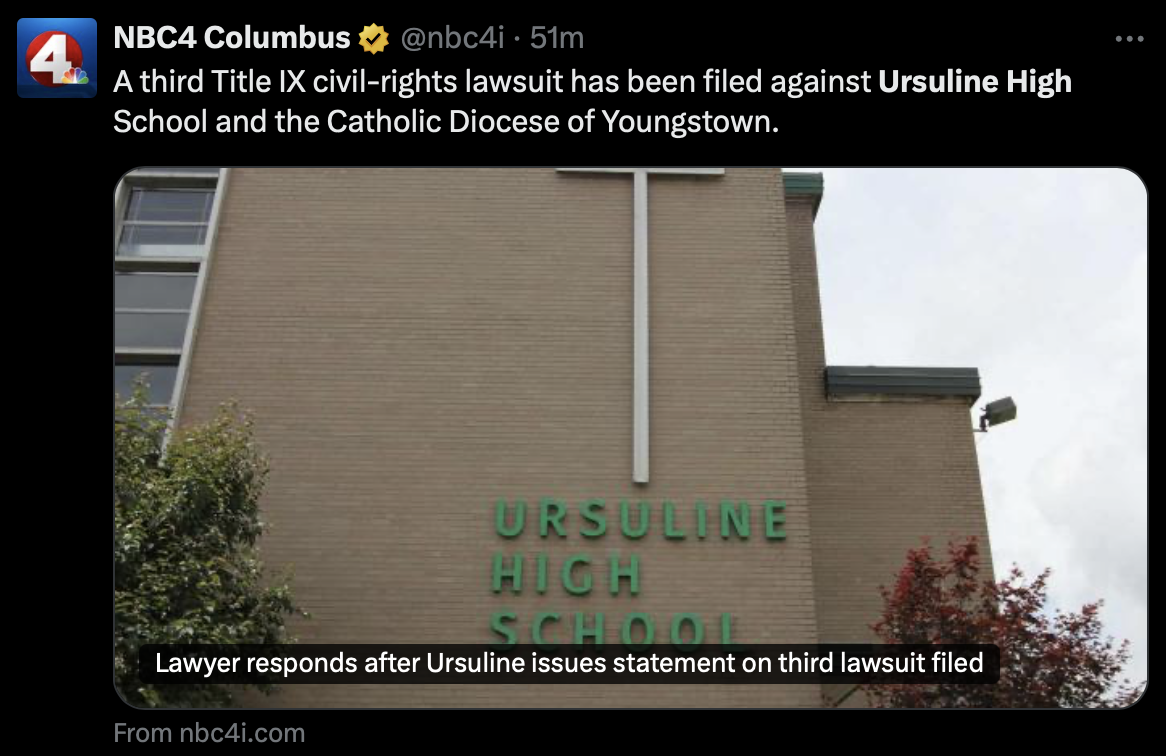
And yes, this is the third civil rights lawsuit to hit the school. Third. As in… why is this becoming a trilogy? The first lawsuit claims the football program fostered a culture of hazing and sexual misconduct, while the second alleges that a prominent football player repeatedly harassed and assaulted a female student.
RELATED: LGBTQ Kid Bullied/Thrown To The Floor. No One Stops It, But Phones Are Recording
The Allegations: Harassment, Hostility, and Zero Action
According to the complaint, the student’s school year unravelled under near-daily harassment. The lawsuit claims that a group of football players regularly hurled homophobic insults at him, intimidated him in hallways, and—in one February incident—threw food at him hard enough to leave a noticeable mark.
Even more alarming? The filing says at least one teacher, a religious education instructor, allegedly made comments about his appearance that contributed to the boy’s distress. The student and his grandmother insist these incidents weren’t isolated moments; they say educators witnessed some of the harassment and simply… let it slide.
The assistant principal, Margaret Damore, was reportedly told about the student’s experiences multiple times and allegedly promised to address it. But according to the lawsuit, nothing changed. If anything, the abuse followed him even outside school grounds, culminating in an incident at a McDonald’s where players allegedly mocked both the student and his grandmother.
A Grandmother’s Fight: Weeks of Calls, No Solutions
If resilience had a face, it would be this grandmother. The lawsuit says she made roughly 20 calls over an 11-week period, begging the school to step in. But instead of empathy, the family claims they were met with defensiveness—particularly from the head football coach, who allegedly responded with hostility when she reported the off-campus harassment.
Imagine fighting the same battle for months while adults tasked with protecting your child dismiss you like background noise. It’s the kind of frustration every queer person recognizes — the “am I speaking a different language?” energy that comes with asking institutions to take homophobia seriously.
A Pattern Emerges: The Third Lawsuit Raises Big Questions
The concerning part? This isn’t happening in isolation. Prior complaints—nicknamed in filings as the ‘Ursuline Hazing’ and ‘Ursuline Dragging’ cases—also accuse the school of fostering an environment where misconduct goes unchecked.
Attorney Subodh Chandra, who represents the family, has publicly stated that additional cases may surface. Translation: this might only be the beginning.
Three lawsuits pointing to a similar pattern? At some point, the narrative shifts from “isolated incidents” to “institutional problem.”
Mental Health Fallout & What Comes Next
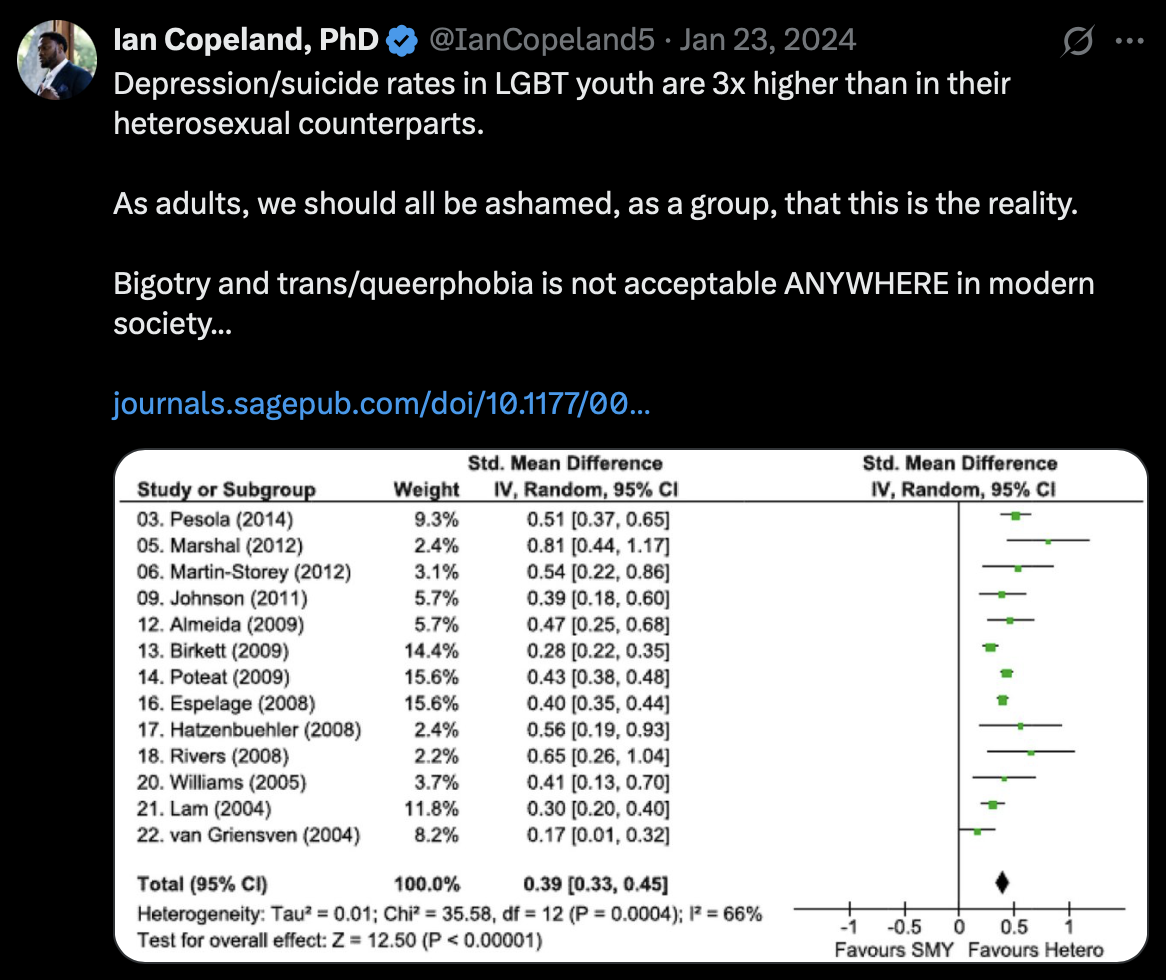
The student has since transferred to a new school, but according to the filing, he continues to attend weekly counseling to cope with the trauma. His ordeal underscores a painful truth: bullying doesn’t disappear the moment you leave the building. It lingers, reshapes you, and forces you to rebuild confidence brick by brick.
As of now, the suit is pending in federal court. Ursuline High School, the Diocese, and the staff named in the complaint haven’t released public comments. But the silence only amplifies the urgency of the questions swirling around them.
Why This Matters to the Gay Community
Homophobia in youth spaces isn’t a relic of the past. When institutions fail queer teens, it sends a message: your safety is negotiable.
And for every LGBTQ+ person who remembers what it felt like to walk into school and pray for a peaceful day, this story hits deep.
This case reminds us why representation matters, why safe schools matter, and why we keep telling queer stories even when they’re uncomfortable. Because silence helps no one — not the bullied freshman, not the queer kids watching from the sidelines, and not the communities that claim to care.
I watched the early forms of learned macho behavior in my nephew’s soccer team last season. He’s 6. The knot in my gut I felt as a teen felt almost as strong. I’m almost 61. Bullying doesn’t disappear easily.