


To our gay readers, let’s start with an honest question:
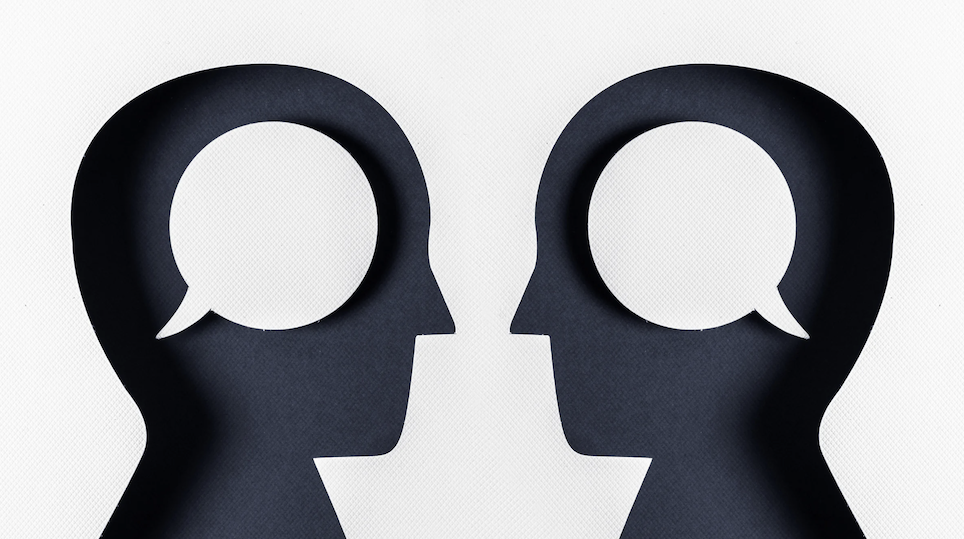
Do you code-switch when you start dating someone new?
Not just your voice—but your laugh. Your posture. The way you text. The emojis you choose (or avoid). The topics you lead with. The ones you quietly file away for later, if ever.
If you’ve ever softened yourself, straightened yourself, toned yourself down, or “played it cool” when dating, you’ve code-switched. And no, you’re not alone.
RELATED: New York’s Bold Stand: Stonewall’s Pride Flag Won’t Be Erased
What Is Code-Switching, Really?
At its core, code-switching is the act of adjusting how we communicate depending on who we’re with. Linguists originally used the term to describe people who move between languages, dialects, or accents, especially bilinguals and polyglots.
@aarongoldyboy We’re all straight 😎 #gay @Jake Jonez @Chaz May @MichaelBoston
One Reddit user put it simply—and perfectly:
“Everyone code-switches. Gay, straight, bi, whatever. Do you talk to your parents the same way you talk to your friends? Your workmates the same way you talk to your lover?”
Another added that this isn’t just about words—it’s about registers:
“This includes sounding different, using different vocabulary, abiding by different conversational rules and other stuff.”
In other words: code-switching is human.
But for gay people, it often carries extra weight.
The Gay Version of the Switch
For LGBTQ+ folks—especially gay men—code-switching often shows up as calculation.
We switch depending on whether we’re:
-
Around straight people
-
Around other gay men
-
On a first date versus the third
-
At work versus at brunch
-
In a conservative city versus a queer-friendly one
This switch isn’t just vocal. It’s physical and behavioral:
-
How we walk
-
How expressive our hands are
-
Whether we “tone down” femininity
-
How loud we laugh
-
Whether we lead with pop culture, sports, or trauma
-
Whether we say partner, boyfriend, or avoid labels altogether
A 2019 article by Vice described code-switching as a way to “blend in”—or at least not stand out. It noted that for LGBTQ+ people, this kind of switching can be a safety precaution, helping avoid hate-fueled violence, hostility, misgendering, or even just deeply uncomfortable interactions.
That article may be from 2019, but in today’s political climate—especially in parts of the U.S.—its relevance hasn’t faded. If anything, it’s sharpened.
Dating and the Performance of Masculinity
Dating adds another layer. Because dating is about being chosen, many gay men instinctively switch toward what they believe is most desirable: masculinity, restraint, and emotional control.
This is where the switch becomes quieter—and heavier.
You may:
-
Deepen your voice
-
Text less enthusiastically (even though you’re really excited. Bummer.)
-
Avoid sounding “too gay” early on
-
Hold back affection until it feels “safe”
-
Edit your humor, interests, or emotional openness
According to an article from Psychology Today, vocal and behavioral code-switching in gay men is often rooted not just in safety—but in internalized shame. Many of us learned early on that sounding, moving, or existing “too gay” could lead to rejection—socially, romantically, or professionally.
Over time, that lesson sinks in. We don’t just protect ourselves from others—we pre-edit ourselves before anyone asks.
Beyond the “Gay Voice”
So what is the stereotypical gay voice?
It’s often described as higher-pitched, expressive, animated, musical; of course it isn’t the same for everyone. But the problem has never been the voice itself—it’s the meaning society attaches to it.
The Psychology Today article emphasizes that when we believe certain traits make us less desirable or less worthy, we don’t just hide them—we start to believe they’re wrong. And when that happens, intimacy suffers.
Because intimacy—real intimacy—requires being seen.
If someone only knows your “first-date version,” your “masc-leaning version,” or your “safe version,” then connection stays surface-level. You’re present, but edited.
@tranxtruong Toxic masculinity? We don’t know her 🤏🏼🤏🏼🤏🏼🤏🏼🙂↕️✨
The Cost of Constant Switching
Here’s the uncomfortable truth: Code-switching works. It can make dates smoother. Conversations easier. First impressions safer.
But when switching becomes permanent, it teaches us something damaging—that our unfiltered selves are a liability.
And that belief follows us into relationships.
As Psychology Today points out, authentic connection can’t fully exist when you’re constantly monitoring how you sound, move, or react. Eventually, the switch gets exhausting.
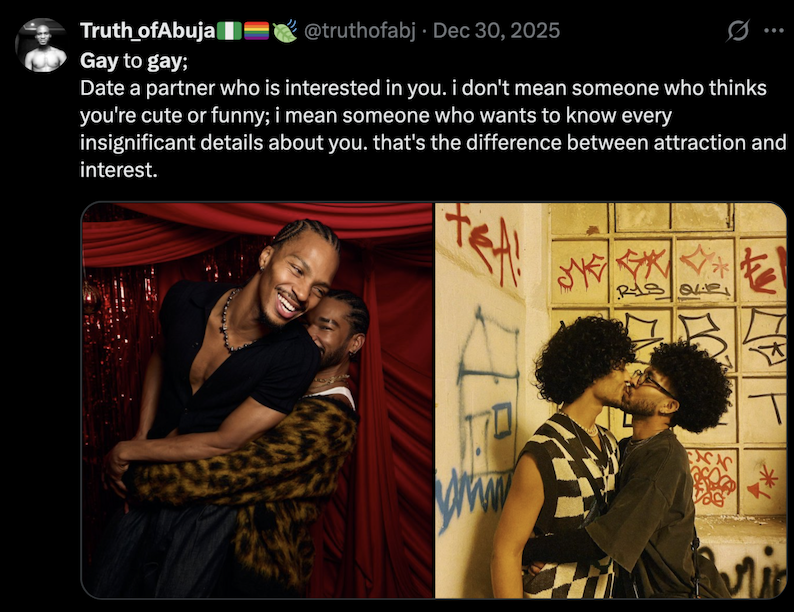
So… Can We Ever Stop Switching?
The answer isn’t “never switch again.” That’s unrealistic. The goal is awareness.
To notice:
-
When the switch is about safety
-
When it’s about habit
-
When it’s about fear of being unwanted
And to gently test what happens when you let yourself be just a little more you.
Because the real risk isn’t sounding gay, acting gay, or moving gay.
The real risk is never letting someone meet you at all.
And yes—not everyone will be into it.
But the ones who are?
They won’t need you to switch.
REFERENCE: Psychology Today, Vice
You reach a certain age and you don’t change a damn thing for anyone. You are who you are and if they can’t hang with that, that is their problem. Ain’t nobody got time for that.
I am bilingual and took a Spanish course to brush up on my Spanish, as English is my first language. The Spanish teacher (gay) told me I sound more gay when I’m speaking English than when I speak Spanish. I certainly know plenty of gay Spanish innuendos and slang, so I’m not sure what’s going on…