


This is the story of why a 32-year-old hot, Italian priest walked away from priesthood because of celibacy. And no, just to be clear, he did not walk out on his faith.
For eight years, Alberto Ravagnani lived the life of a Catholic Priest in Milan — giving sermons, mentoring young people, and building a following online that blended faith with relatability. But at 32, he made a decision that sparked debate across Italy: he left the priesthood, saying celibacy had become too difficult to sustain honestly.
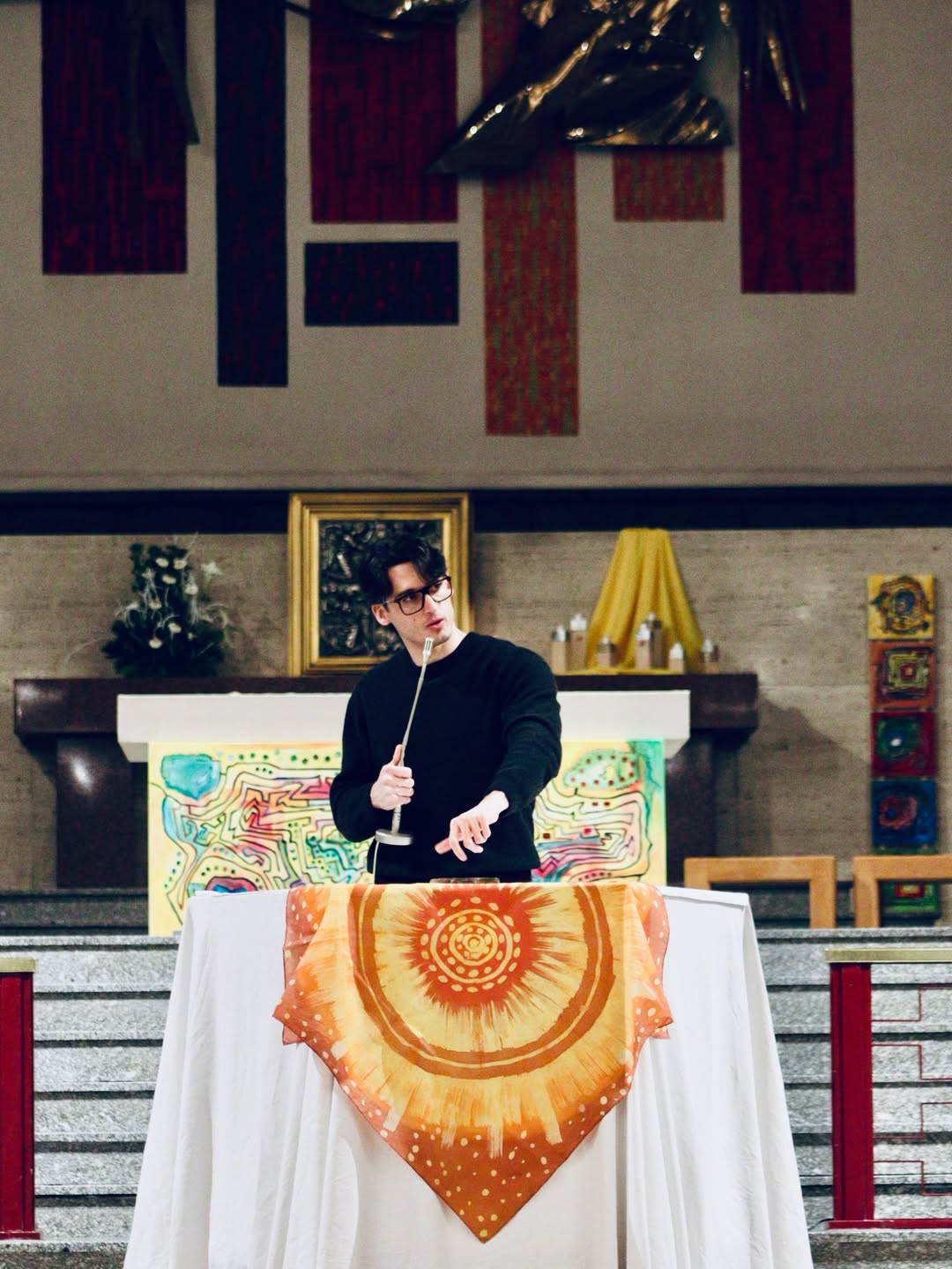
His departure wasn’t impulsive. By his own account, it followed years of internal conflict about sexuality, identity, and whether the Church’s celibacy requirement truly supports healthy spiritual life.
For LGBTQ+ readers who know what it feels like to navigate identity within rigid systems, the tension may sound familiar.
RELATED: Holy Smokes! Priest Reignites ‘Hot Priest’ Obsession with Thirst Traps of Faith
“I Didn’t Want to Live a Double Life”
In an interview with The Telegraph, Ravagnani has said he could have stayed and quietly navigated his sexuality in secret. Instead, he chose not to remain in what he described as a moral grey area.
“I was happy to be a priest but I struggled with my sexuality for many years,” Ravagnani says. “It was inherently unhealthy for sexuality to be completely eliminated.”
He has been open about struggling with sexual desire while in the seminary and during his years as a priest. Although he is heterosexual, he questioned the expectation that priests must suppress their sexuality entirely. He eventually lost his virginity while still ordained and later described that experience as both meaningful and incompatible with the vow he had taken.
@alberto_rava Occhio che diveni cieco (se stai troppo al telefono)🤓 #giovani #chiesa #social #futuro #roma #prete #fede
Rather than conceal that reality, he began confronting a bigger question: is lifelong celibacy a healthy and necessary discipline for all priests?
After two years of reflection — including prayer, conversations, and psychological counseling — he concluded that he did not agree with the doctrine supporting mandatory celibacy. Leaving, he said, felt more honest than pretending.
Challenging Celibacy, Not Faith
Importantly, Ravagnani has not framed his departure as a rejection of Catholicism itself. He continues to speak about faith and spirituality and has expressed a desire to keep working with young people.
He has pointed out that in other Christian traditions, clergy are allowed to marry. Orthodox and evangelical ministers can have families. In his view, the Catholic Church should be willing to openly discuss whether celibacy should remain compulsory — especially at a time when seminaries in Italy are seeing declining enrollment.
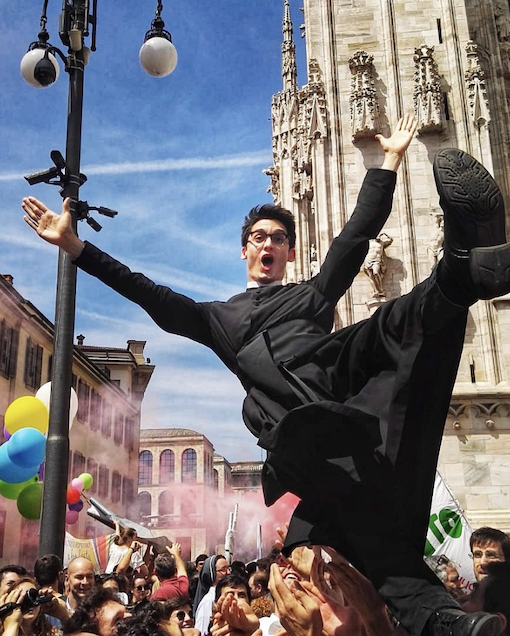
Both Pope Francis and Pope Leo XIV have reaffirmed the Church’s commitment to celibacy for Latin rite priests, though it is considered a discipline rather than unchangeable doctrine. Ravagnani believes that distinction leaves room for conversation.
He has also said the Church should address sexuality more openly, including recognizing homosexuality — a position that places him on the more progressive side of internal Catholic debates. So far Pope Leo XIV has welcomed the LGBTQ+ with open arms, but he is notably more conservative compared to his predecessor Pope Francis.
Breaking the Myth of the “Perfect Priest”
One of Ravagnani’s strongest criticisms is cultural rather than theological. He argues that priests are often viewed as beyond human struggle — immune to desire, temptation, or emotional need.
He rejects that image.
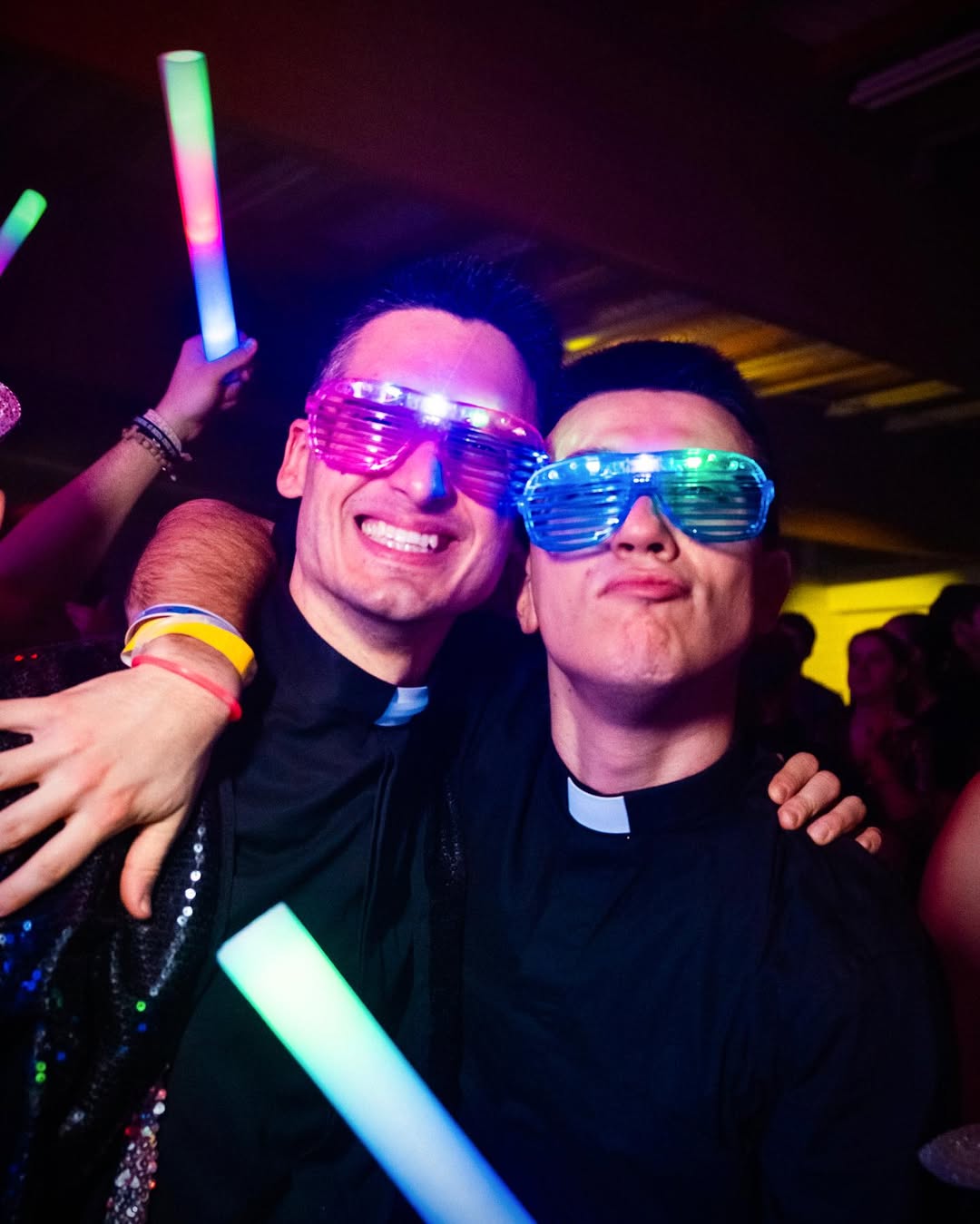
According to him, priests are not angels. They are people with bodies, urges, and vulnerabilities. Pretending otherwise, he believes, harms both clergy and congregants.
For LGBTQ Catholics especially, this idea resonates. The expectation to suppress or deny parts of oneself in order to belong is a familiar burden. Ravagnani’s story isn’t identical — but the emotional landscape overlaps: secrecy, guilt, and the fear of disappointing a community.
A New Chapter, Not an Ending
Leaving the priesthood has practical consequences. Ravagnani must vacate his parish housing and find new work. He has written a best-selling book, La Scelta (The Choice), that details his struggle with celibacy, and built a large social media presence where he discusses faith in accessible ways.
Despite backlash — including harsh criticism from some quarters — he has also received support from fellow clergy and followers who relate to his honesty.
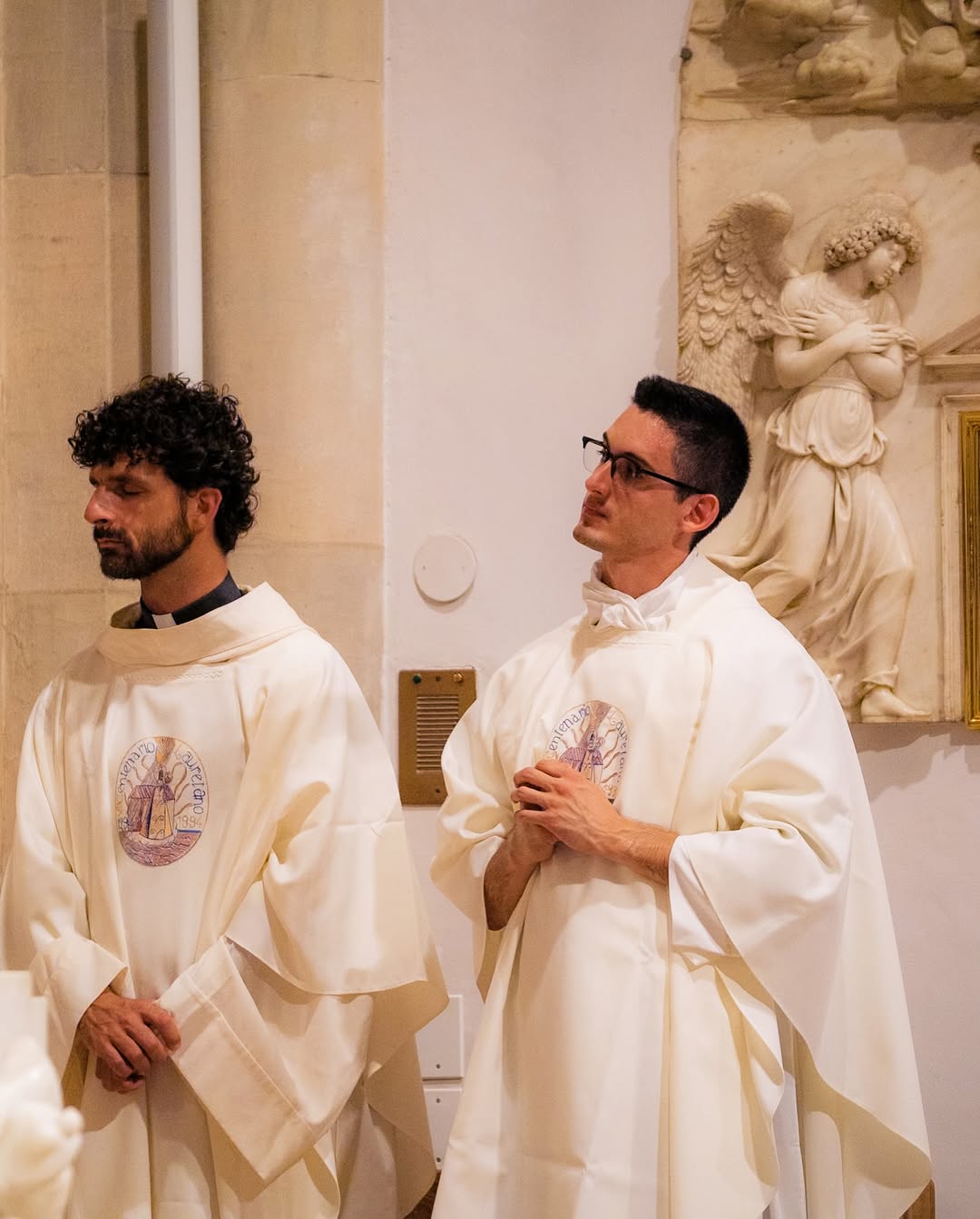
He has said he does not regret his years in the priesthood. Instead, he sees them as formative. What has changed is not his belief in God, but his understanding of how he can live that belief authentically.
And maybe that’s the most relatable part of this story.
Most of us, at some point, reconsider a life path we once felt certain about. A career shift. A relationship that no longer fits. A version of ourselves that needs updating.
@alberto_rava
For this former Priest, the shift was public and controversial. But at its core, it was a deeply personal decision about integrity — choosing not to separate faith from humanity.
Whether the Catholic Church reconsiders celibacy in the future remains uncertain. For now, Ravagnani’s exit adds one more voice to an ongoing conversation about sexuality, vocation, and what it means to live truthfully inside — or outside — tradition.
I’d kill to have his hair!
I’d kill to have that face, and bod.