


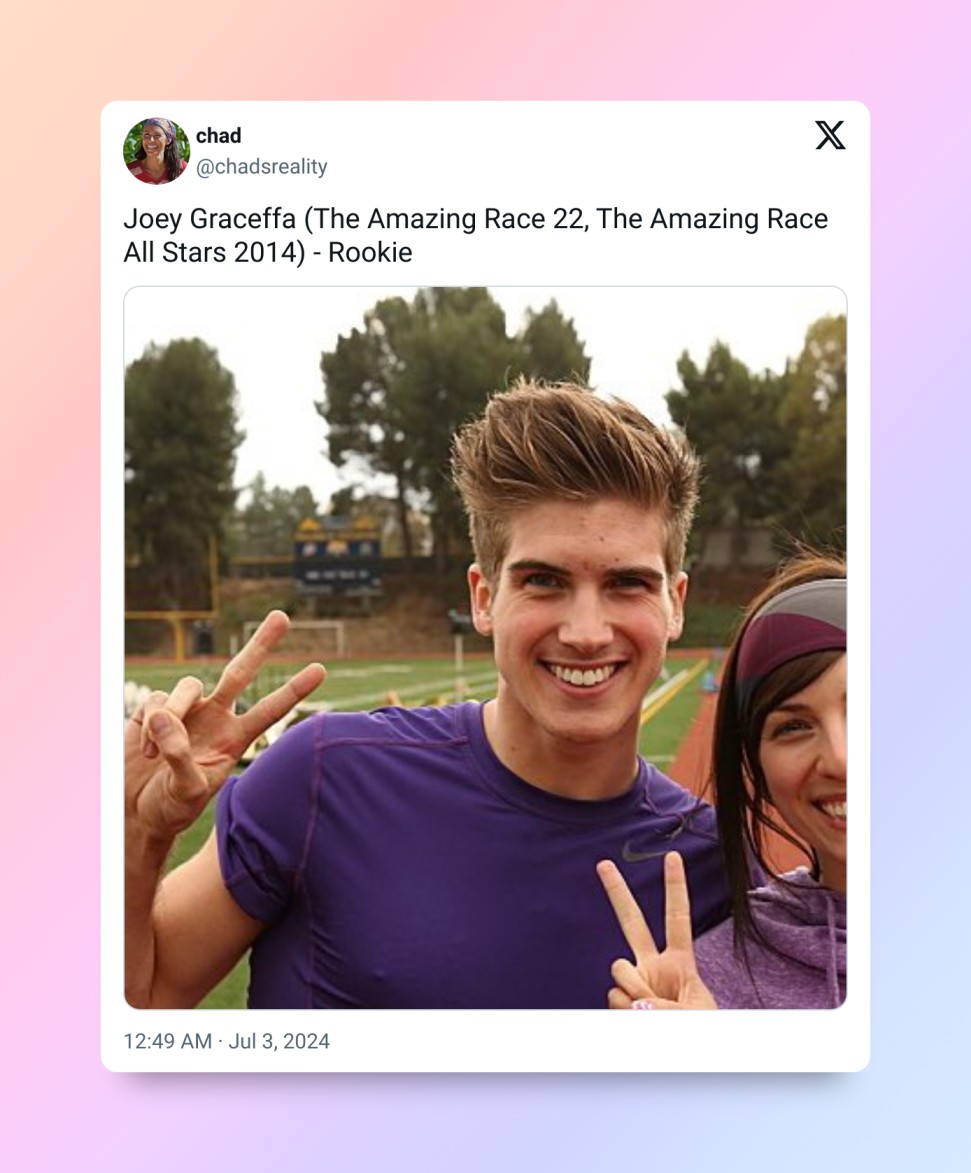
Joey Graceffa, a popular YouTuber and advocate for LGBTQ+ visibility, competed on The Amazing Race in 2013 during its 22nd season. But in a recent interview with Out Magazine, he opened up about the traumatizing experience he had while on the show, shedding light on the often harsh realities behind the competition’s glossy, high-stakes challenges. According to Joey, producers pressured him to come out as gay on camera—an invasive moment that put his personal life under a spotlight he wasn’t ready for.
RELATED: Chris Hahn’s Reality TV Reality Check: From Netflix to Vanderpump Rule
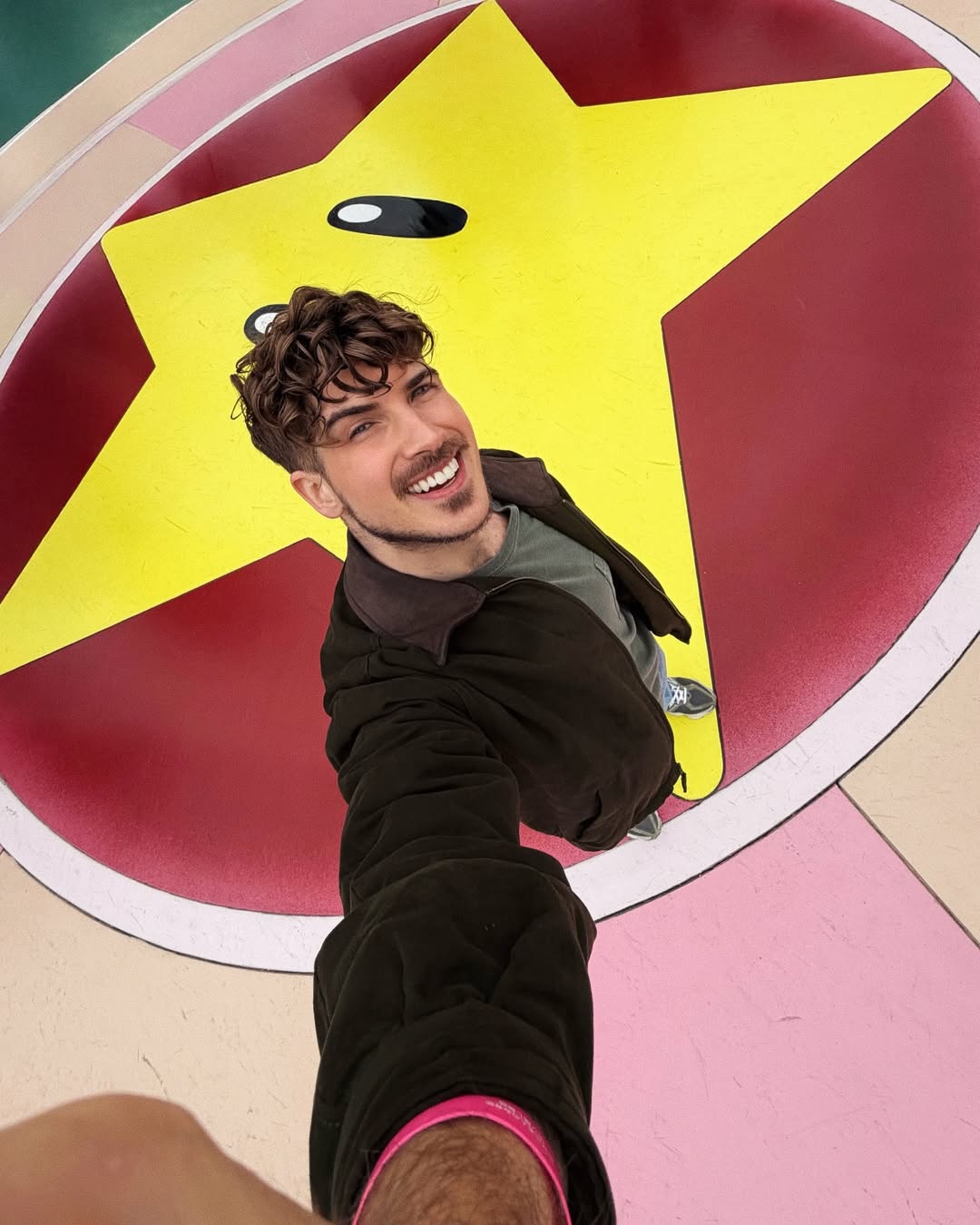
Joey Graceffa’s Traumatizing Experience on The Amazing Race
Graceffa, a popular YouTuber and advocate for LGBTQ+ visibility, competed on The Amazing Race in 2013 during its 22nd season. But in a recent interview, he opened up about the traumatizing experience he had while on the show, shedding light on the often harsh realities behind the competition’s glossy, high-stakes challenges. According to Joey, producers pressured him to come out as gay on camera—an invasive moment that put his personal life under a spotlight he wasn’t ready for.
While many viewers tuned in for the heart-pumping race around the globe and intense team dynamics, Graceffa’s narrative behind the scenes was far less glamorous. “The Amazing Race was a lot of fun, but it was truly traumatizing. It’s crazy. They wanted me to come out on the show!” Graceffa revealed, adding that a producer openly suggested, “You should come out on the show.” Joey, ever the witty one, snapped back, “I’ll come out if you write me that $1 million check at the finish line!” Spoiler: the check never came, and neither did his public coming-out moment on The Amazing Race.
Coming Out on His Own Terms
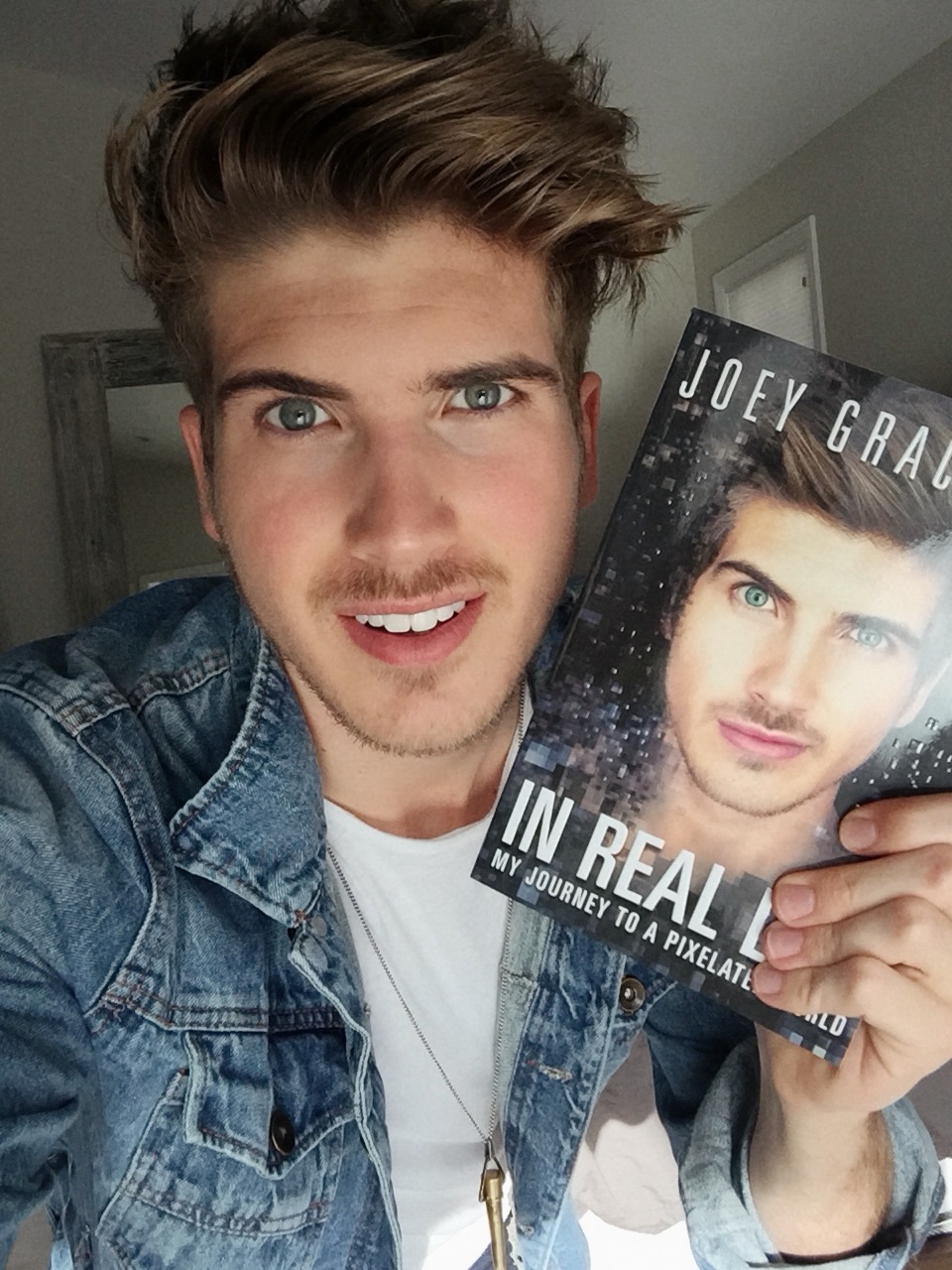
A year after the The Amazing Race season 24 finale, Joey did come out publicly in May 2015 with a music video, Don’t Wait, where he kissed his co-star Daniel Preda, who he was secretly dating at the time. A few days later, his debut memoir, In Real Life: My Journey to a Pixelated World, was released, and there’s a chapter in it where he fully confirms his sexuality. Chapter 14 is titled, “Surprise!” and the only contents of the chapter read, “I’m gay.”
Graceffa finalized his coming out—on his own terms—in a 2015 YouTube video. The video, in which Graceffa shares his story and reflects on the overwhelming support he’s received from his audience, has since amassed more than 8.6 million views. This powerful moment of authenticity and control over his own narrative became a defining moment in his journey, both for him and for the LGBTQ+ community at large.
The Reality TV Dilemma: Exploitation or Entertainment?
This revelation from Graceffa isn’t just a personal anecdote—it speaks to a larger problem within the reality TV industry, one that frequently treats personal struggles as entertainment for the masses. Contestants’ lives, identities, and stories are often used as plot devices, sometimes with little regard for their mental health or readiness to share such intimate aspects of themselves.
The problem is not unique to Graceffa. Across multiple seasons, The Amazing Race and other reality shows have faced accusations of coercion, manipulation, and pushing contestants to reveal more than they might be ready to. While some reality TV formats provide a platform for personal stories to shine, others blur the lines between storytelling and exploitation, particularly for marginalized communities like LGBTQ+ contestants.
The Need for Ethical Production Practices
Graceffa’s story has sparked important conversations about the ethics of reality TV. As the industry continues to feature more LGBTQ+ talent, the onus is on producers to ensure that participants are not pressured to come out before they’re ready, and that their mental health is taken into consideration just as much as their potential for high ratings.
The fact that Graceffa was able to reclaim his narrative after the fact is a testament to his resilience and the power of queer visibility. But not every contestant gets that same luxury. As much as the world loves to cheer on the underdog, the true victory is in allowing contestants—especially queer contestants—the agency to tell their own stories on their own terms.
Joey Graceffa’s path since The Amazing Race has been a model for how LGBTQ+ creators can use their platform for positive change, whether it’s through his YouTube series Escape the Night or his young adult novels. His coming-out video in 2015 has since garnered millions of views, showing the importance of owning one’s truth in an industry that often thrives on manipulation.
The Human Element Behind Reality TV
Graceffa’s experience brings into sharp focus the ongoing challenges for LGBTQ+ participants in the world of reality television. With the industry constantly evolving, it’s crucial that we remember the human element behind the entertainment, pushing for ethical production practices that prioritize the well-being of contestants over sensationalism. After all, as Graceffa wisely put it, “Reality TV can be so messy,” but maybe, just maybe, we can make it a little less traumatic for those who choose to participate.
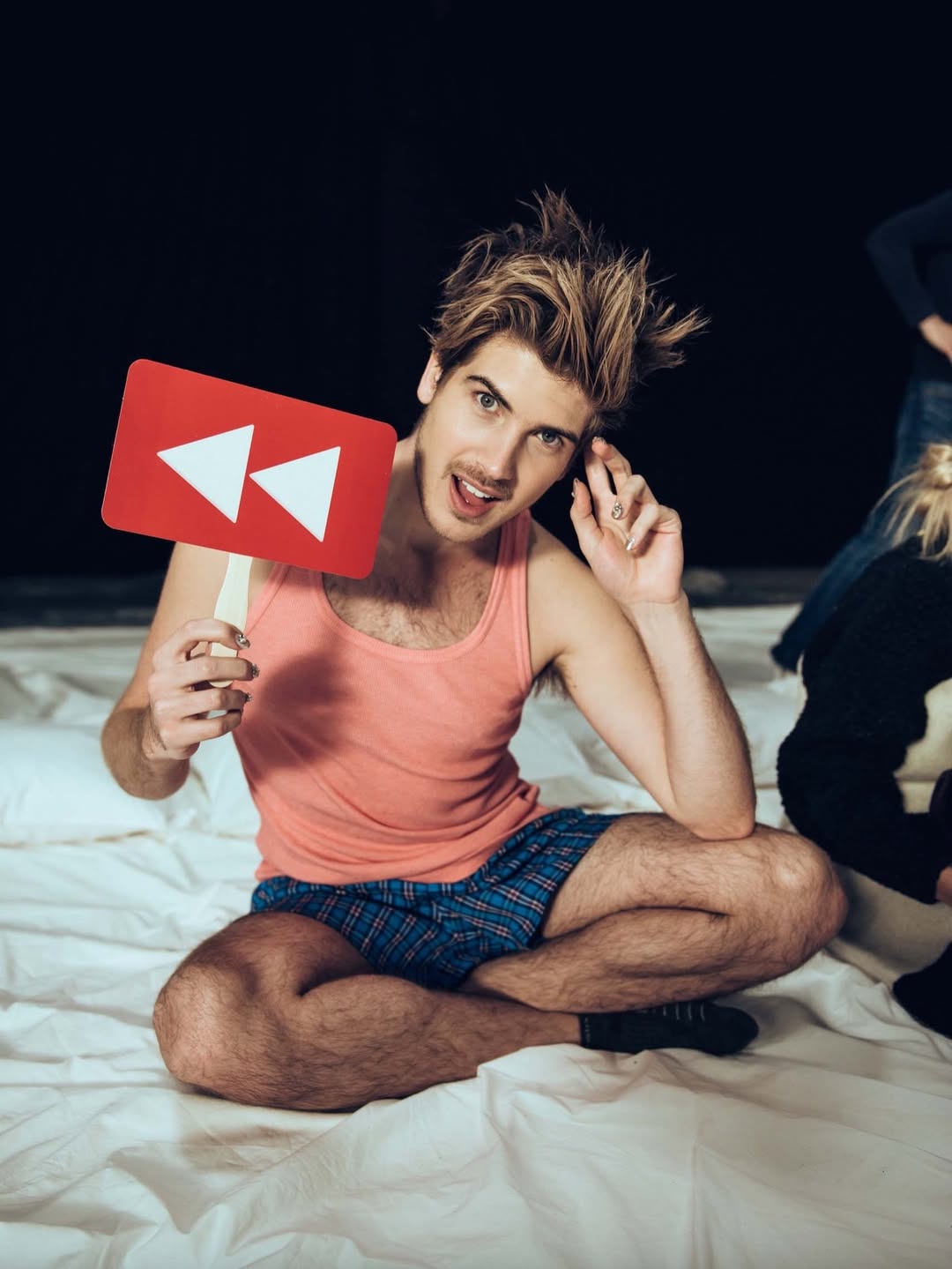
As we cheer on the growing representation of LGBTQ+ individuals on our screens, let’s keep in mind that their stories should be told with care, compassion, and respect—for the sake of their mental health, their dignity, and, most importantly, their autonomy.
SUGGESTED: Best Sugar Daddy Websites: Your Gay-Friendly Guide