


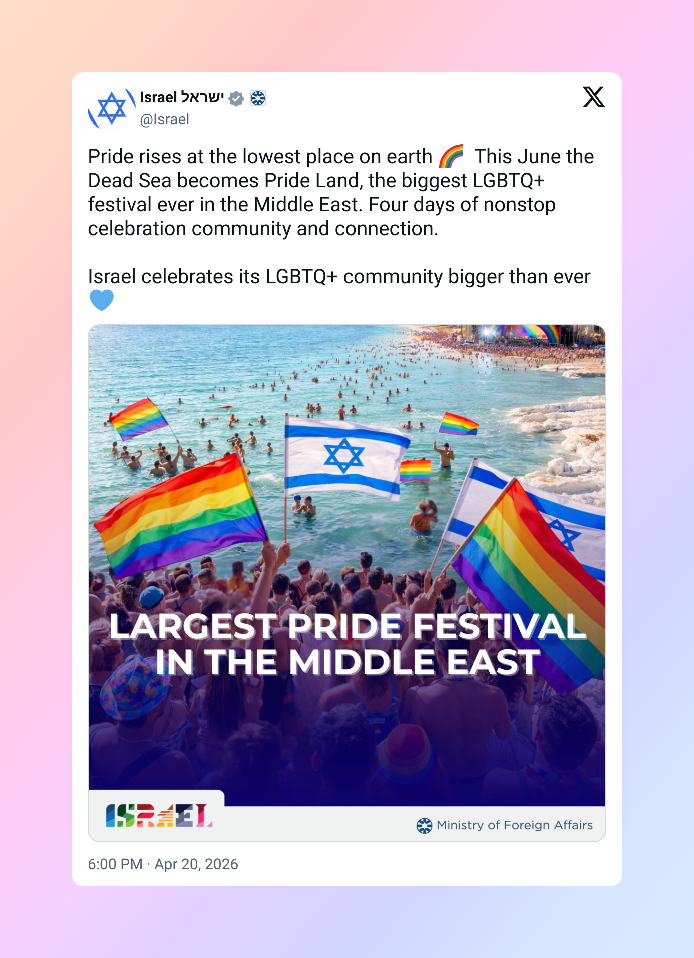
The announcement of Pride Land, set to take place from June 1 to June 4, 2026 at the Dead Sea, has generated attention not only for its scale but also for its timing. Positioned as the “largest LGBTQ festival in the Middle East,” the event aims to transform part of the Judean Desert into a 24/7 “Pride city,” complete with hotels, performance spaces, and community-focused programming.
However, the festival’s announcement comes amid the ongoing war involving Israel, placing it within a broader geopolitical context that has shaped public reaction.
A Private Initiative With Public Impact
Organized by a private production group led by Aaron Cohen, Pride Land is not a government-led initiative. However, it is being promoted by the Israeli Ministry of Foreign Affairs. Still, large-scale cultural events in Israel often carry international visibility, meaning their impact can extend beyond entertainment and will cause conversations amidst the ongoing geopolitical climate.
The organizers have framed the festival as a space centered on openness, acceptance, and community. At the same time, its scale—featuring multiple hotels, beach complexes, and continuous programming—positions it as a major tourism-driven project during a period when the country’s tourism sector has been affected by security concerns.
RELATED: This Baby Has Two Dads—So Why Are People So Mad About It?
Mixed Reactions and Political Undertones
Public response to the announcement has been mixed, particularly online. Some conservative voices have criticized the event in strongly worded terms, reflecting broader political and cultural tensions.
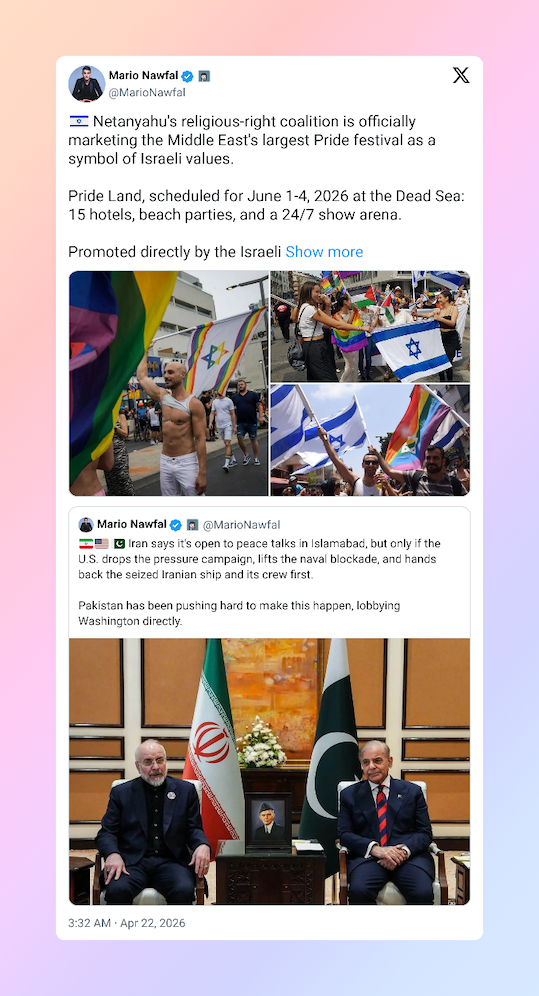
Comments circulating on social media include statements such as:
- “This is why the American soldiers had to die for Israel so they can enjoy the Alphabet parade.”
- “Optics. Regional normalization efforts continue while core issues remain unresolved. Tel Aviv’s social progress narrative masks deeper complexities.”
- “PLEASE, DON’T TRY THIS AT HOME; Don’t attract more curses to the Holy Land…”
- “…on the ruins of Sodom and Gomorrah You can’t make this up”
- “Just checking in on my tax dollars”
These reactions highlight how Pride Land is being interpreted by some not only as a cultural event, but also as a symbol within ongoing geopolitical debates.
The Significance of Location
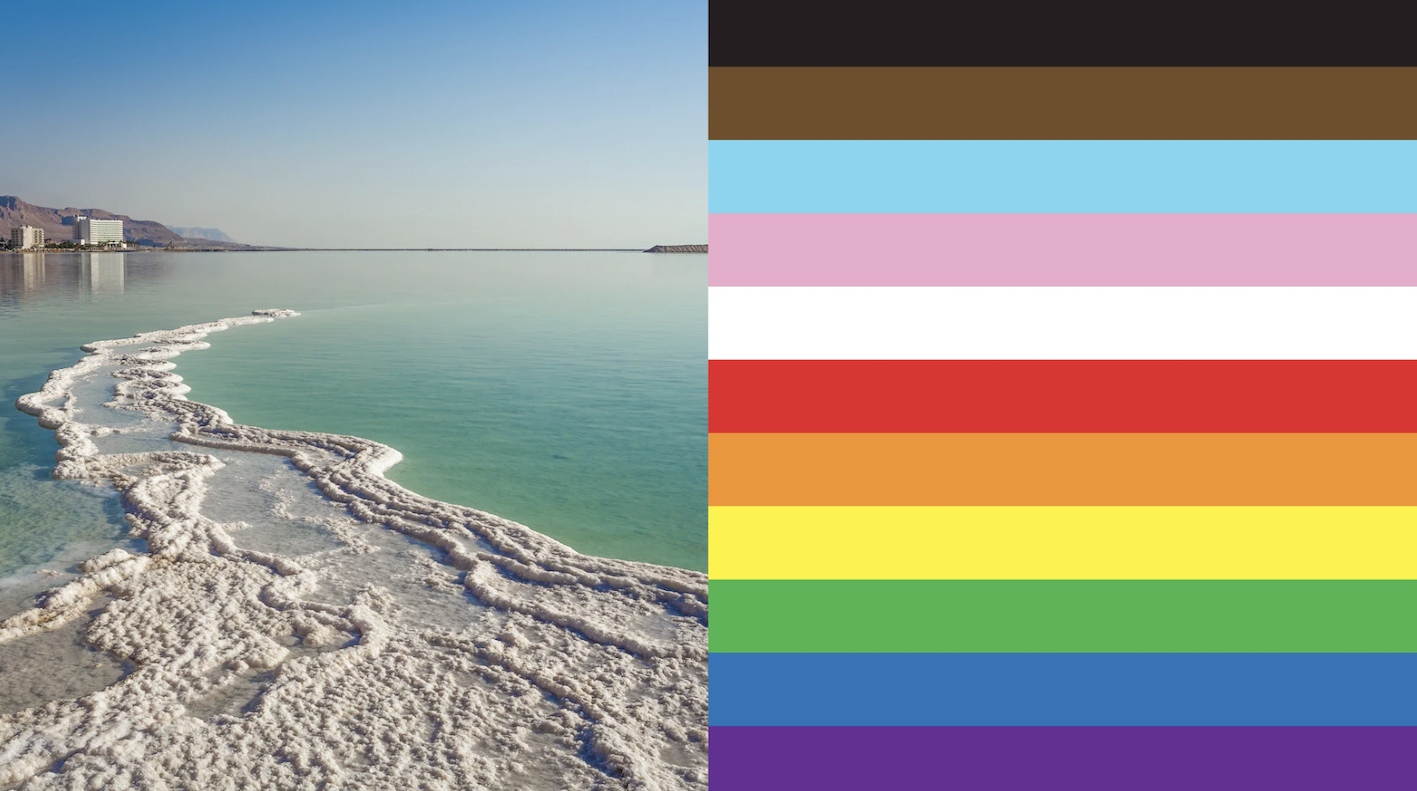
The festival’s setting has also contributed to the conversation. The Dead Sea region, along with nearby Jerusalem, holds deep religious significance and is frequently associated with Catholic and Christian pilgrimages.
Because of this, the choice of location has drawn additional scrutiny. For some critics, hosting a large LGBTQ festival in an area tied to religious tradition raises questions shaped by faith-based perspectives. This layer of religious rhetoric has intersected with political concerns, further intensifying the response.
SUGGESTED: Trump Policy Sparks Passport Problem for Caitlyn Jenner, She Still Stands by Him
Pride, Visibility, and Ongoing Debate
Pride Land’s organizers have emphasized that the festival is intended to expand LGBTQ cultural spaces beyond Tel Aviv, long considered the country’s central hub for Pride events. The project aims to create a multigenerational environment, with programming that ranges from nightlife and performances to family-friendly activities.
Yet the broader context remains unavoidable. Large-scale LGBTQ events in Israel have, at times, been discussed internationally in relation to political narratives about the country. Supporters often frame such events as expressions of visibility and inclusion, while critics may interpret them through a geopolitical lens.
A Festival Within a Larger Conversation
As Pride Land moves toward its 2026 debut, it sits at the intersection of culture, tourism, politics, and religion. At the same time, the mixed reactions to its announcement reflect the complexities of hosting such an event during an ongoing conflict and in a location layered with historical and religious meaning.
Whether viewed as a celebration, a statement, or a point of contention, Pride Land has already become part of a wider conversation—one that extends far beyond the festival itself.
Does anyone not see that is where Sodom and Gommorah was??? Sounds like a bad idea to me
shameful and of bad taste