


Has the United States ever had a president who identified as LGBTQIA+? It’s one of those questions that lingers somewhere between historical curiosity and modern political imagination—and thanks to a recent viral exchange, it’s back in the spotlight.
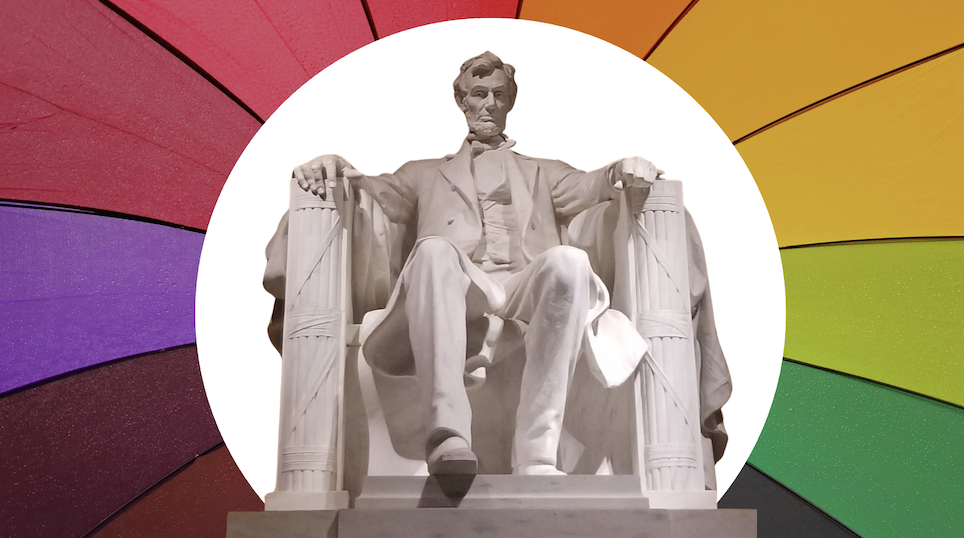
When New York Representative Alexandria Ocasio-Cortez was asked whether America would see a woman president or a gay president first, her answer was unexpectedly candid:
“Well, we don’t know if we’ve already had a gay president, to be honest with you… I think there are chances that maybe we have, I dunno.”
It wasn’t a definitive claim—but it was an honest acknowledgment of how little we can truly know about the private lives of historical figures, especially in eras where being openly queer could destroy careers, reputations, or worse.
Rep. Alexandria Ocasio-Cortez was asked if she believes whether a female or a gay president will move to 1600 Pennsylvania Ave. first. 🤔 pic.twitter.com/n5yCc0mOws
— TMZ (@TMZ) April 29, 2026
RELATED: Is Trump Using ‘Anti-Christian Bias’ to Roll Back LGBTQ Protections?
Why the Question Isn’t So Simple
The United States has had 45 individuals serve across 47 presidencies, many governing during deeply conservative periods not just in America, but globally. For most of that history, openly identifying as LGBTQ+ wasn’t just taboo—it was dangerous.
Even today, electability is shaped by public perception. When Kamala Harris reflected on her decision-making during a presidential run, she revealed the calculated reality behind representation. Speaking about Pete Buttigieg, she said:
“I love Pete… but we were already asking a lot of America: to accept a woman, a Black woman, a Black woman married to a Jewish man… it was too big of a risk.”
That quote underscores a hard truth: progress in politics often comes in increments, not leaps.
The Closeted Commander-in-Chief? Historical Rumors
While no U.S. president has ever openly identified as LGBTQ+, historians and cultural critics have long speculated about several figures whose personal lives raise intriguing questions.
Abraham Lincoln: Intimacy and Interpretation
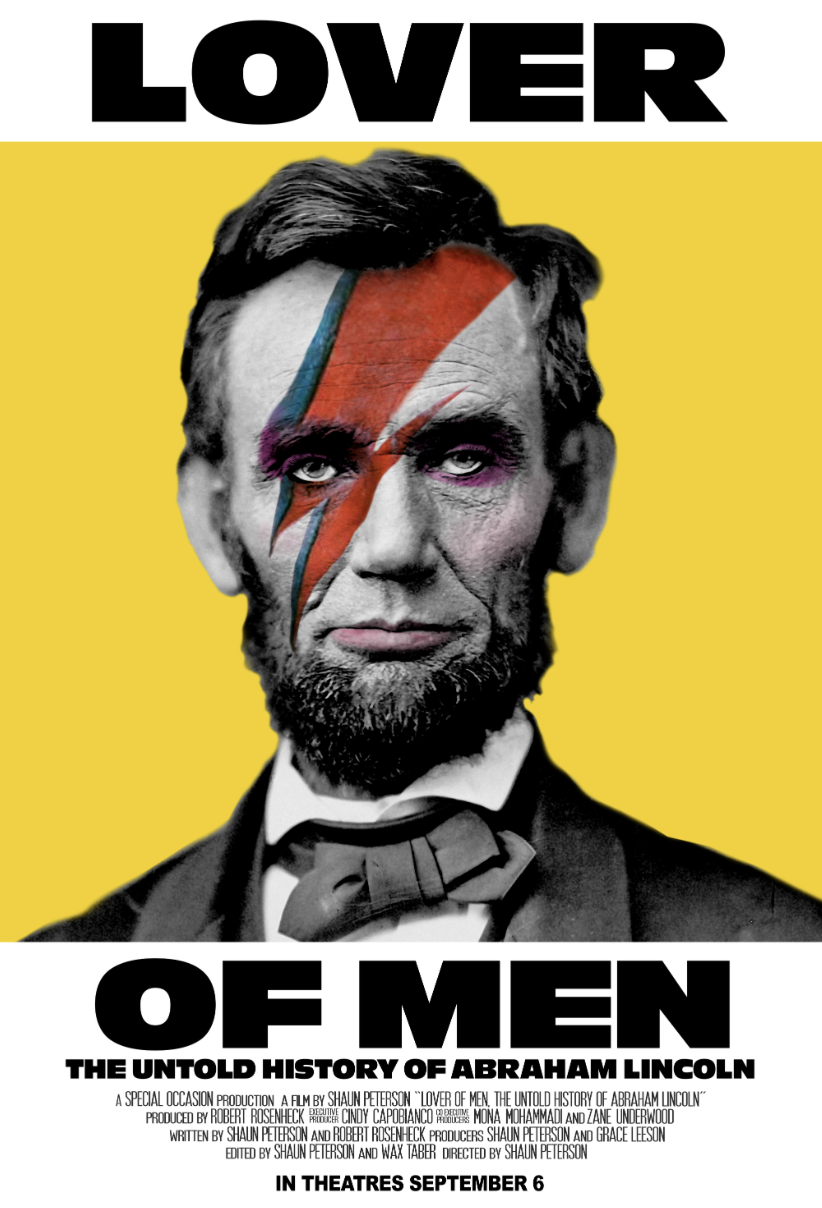
Abraham Lincoln has often been the subject of scholarly debate. His close relationship with Joshua Speed—his roommate for several years—has led some historians to explore the emotional depth of their bond.
In the documentary Lover of Men: The Untold History of Abraham Lincoln, scholars examine letters and accounts suggesting Lincoln experienced profound attachment to male companions. Historian Dr. Thomas Balcerski emphasizes that this line of inquiry isn’t about scandal, but inclusion: expanding how we understand historical intimacy in context.
James Buchanan: The Bachelor President
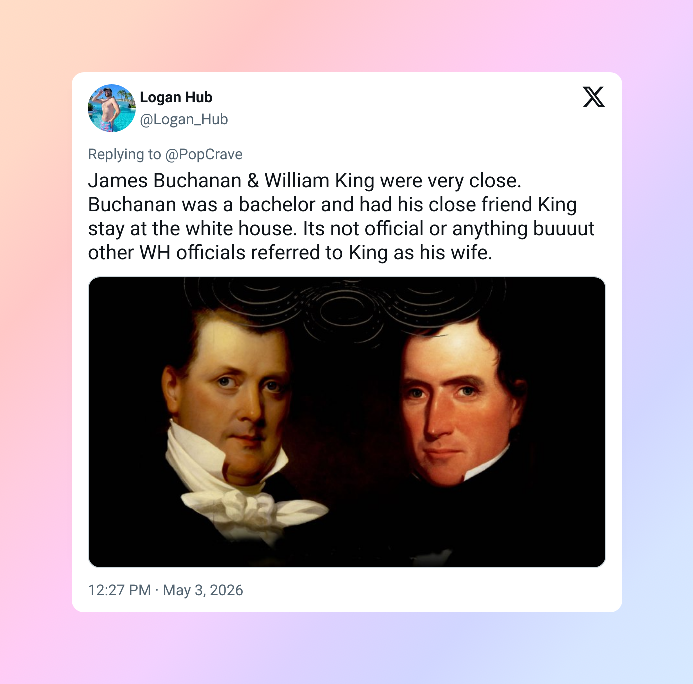
James Buchanan remains the only lifelong bachelor to occupy the White House—and his relationship with William Rufus King has fueled speculation for generations.
The two men lived together for over a decade, and contemporaries openly remarked on their closeness, even giving them nicknames like “Miss Nancy” and “Aunt Fancy.” After King left for a diplomatic post, Buchanan wrote:
“I am now ‘solitary and alone,’ having no companion in the house with me. I have gone a wooing to several gentlemen, but have not succeeded with any one of them.”
Whether romantic or simply reflective of 19th-century male friendships, the language certainly raises eyebrows today.
Barack Obama: A Letter, A Moment, A Misinterpretation
Barack Obama entered the conversation after a 1982 letter, shared by The New York Post, in which he wrote:
“You see, I make love to men daily, but in the imagination.”
Written at age 21, the letter reflects a philosophical exploration of identity rather than a declaration of sexuality. Obama himself described his mind as “androgynous to a certain extent,” suggesting intellectual curiosity rather than lived experience.
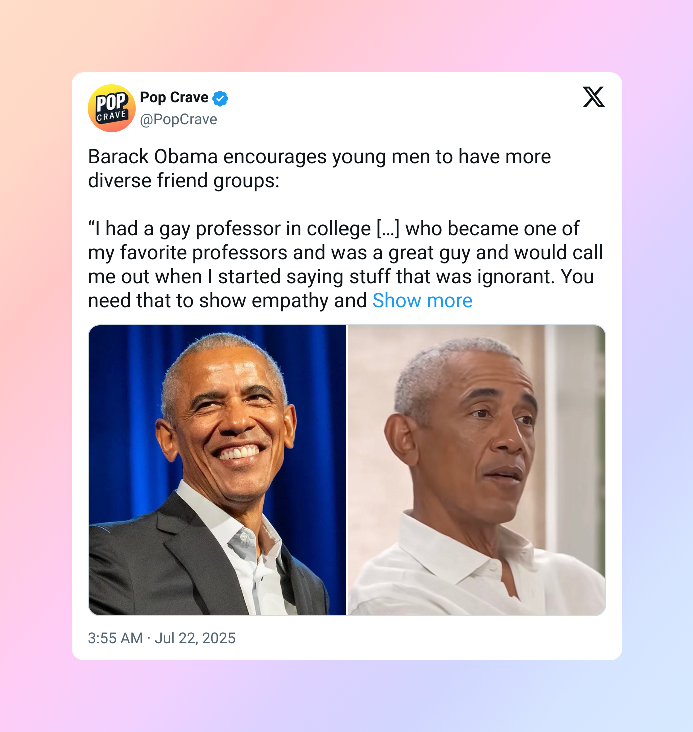
Importantly, Obama has consistently identified as heterosexual and has been a strong ally of LGBTQ+ rights—something that should not be conflated with speculation about his personal identity.
Lyndon B. Johnson: Accused by Association
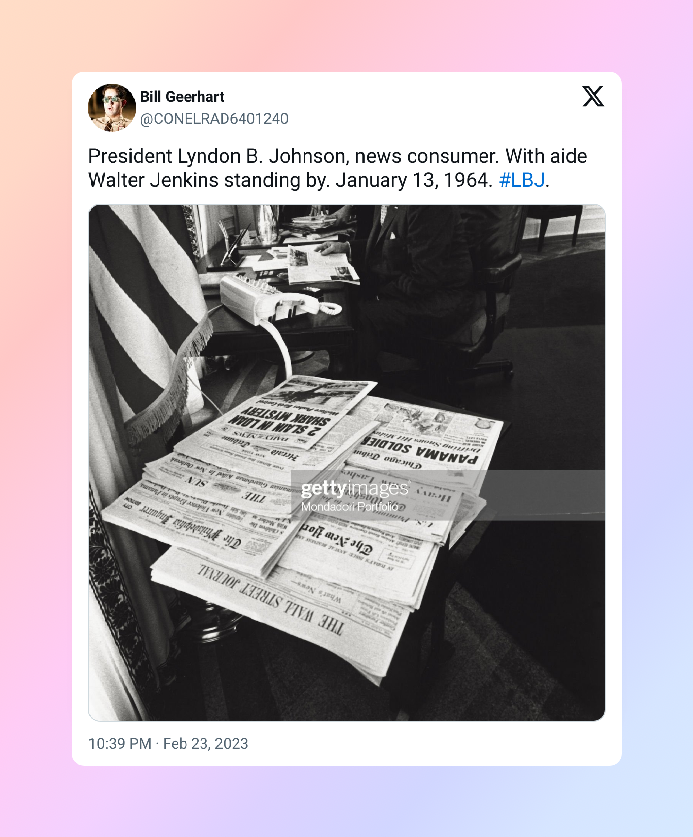
Lyndon B. Johnson was, by most accounts, “aggressively heterosexual.” Yet rumors circulated due to scandals involving members of his inner circle, including aide Walter Jenkins who was outed after a gay sex sting at the YMCA in Washington, D.C.
These claims were largely political attacks rather than credible reflections of Johnson’s own identity, highlighting how queerness has historically been weaponized in American politics.
Chester A. Arthur: Style Over Substance?
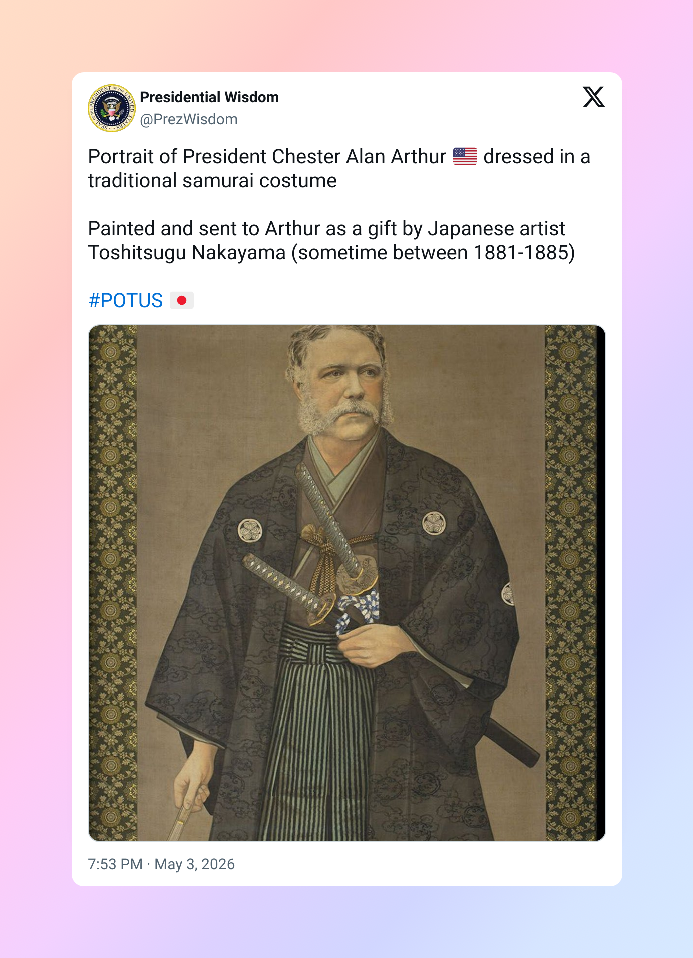
Chester A. Arthur earned the nickname “Elegant Arthur” for his impeccable fashion sense. Owning dozens of trousers, hosting White House sales, and maintaining a refined lifestyle, he became the subject of whispers based more on aesthetic than evidence.
In truth, these rumors say more about stereotypes than about Arthur himself.
The Future: An Openly LGBTQ+ President?
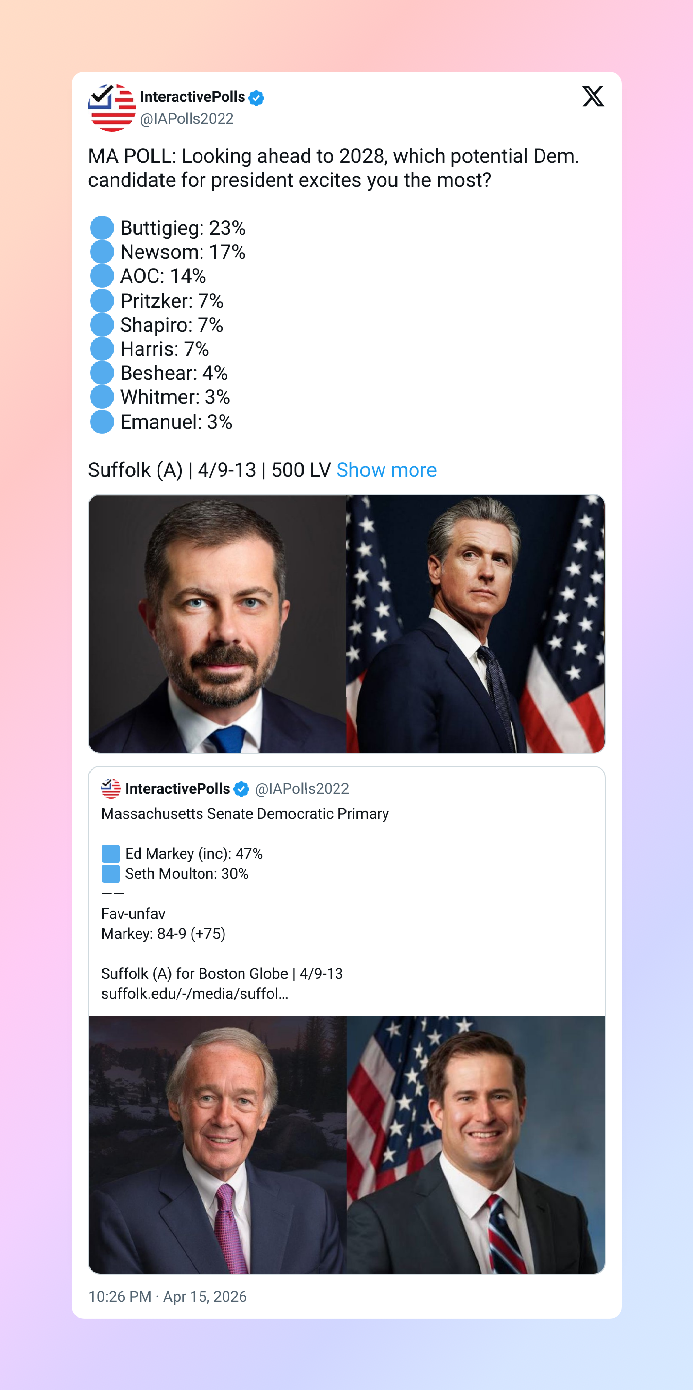
While history remains inconclusive, the future may offer clarity. Pete Buttigieg, former Transportation Secretary and one of the most prominent openly gay politicians in the U.S., has already reshaped what presidential candidacy looks like.
If elected, he would become the first openly gay president in American history—a milestone that would transform representation at the highest level of power.
So… Have We Already Had One?
The honest answer is: we don’t know.
Historical evidence can suggest, imply, and provoke—but it rarely confirms, especially when filtered through centuries of stigma and silence. What we do know is that LGBTQ+ people have always existed, in every era, in every level of society—including, possibly, the presidency.
And whether America’s first LGBTQ+ president is a figure from the past or someone still on the campaign trail, one thing is certain: the conversation is no longer hypothetical. It’s unfolding in real time.
The idea of a queer president isn’t radical anymore—it’s inevitable. The only real question is when America will be ready to say it out loud.
Isn’t it time we use the correct terms to define someone. I prefer guys. That makes me gay, not LBQTQ etc. etc. etc.. People are not green blue, black, white or another color at the same time. I don’t identify as anything but the capital “G”. I think we’re asking if any of these gentlemen were gay, or otherwise were attracted to men, which happens with many men who consider themselves to be “straight”. Don’t insult us with a full alphabet of people who are all different from each other. If you’re talking about gay, use gay.
It’s the usage of alphabet soup because we don’t know if they are just simply gay, but there was debate that they liked men, which could be bisexual, pansexual, and more. We would use the exact letter do “define” someone if we knew how they identified, but we don’t know so we cannot pigeonhole them into your one little letter. Great you know you are gay and gay only.