


Peptides are suddenly everywhere — from skincare TikTok and wellness Instagram to the supplement aisle at your local store — with people talking about them like they’ve discovered the fountain of youth hidden inside a serum bottle.
Peptide moisturizers. Peptide serums. Collagen supplements. Creatine blends. Suddenly, everything sounds like it belongs in a science lab.
But despite all the hype, these tiny compounds are actually much easier to understand than beauty marketing makes them seem.
According to Medical News Today, they are essentially smaller versions of proteins made up of amino acids. They help support different functions in the body, including muscle building, inflammation control, and skin repair. Some are also associated with supporting collagen production, which is why skincare brands love mentioning them every chance they get. It’s like discovering the fountain of youth!
And surprisingly, they aren’t some futuristic ingredient invented by luxury beauty companies. They naturally exist in foods people already eat regularly, including meat, fish, poultry, eggs, dairy, soy, legumes, and fermented foods like kimchi.
So yes, technically your skincare routine and your lunch could both contain them.
They’ve Quietly Taken Over the Beauty Industry
The reason these ingredients exploded in popularity mostly comes down to one thing: modern consumers want effective skincare that doesn’t completely destroy their skin barrier in the process while others want to reap the benefits of this anti-aging ingredient.
For years, beauty trends revolved around harsh exfoliants and aggressive anti-aging products strong enough to make people peel for days. Now the focus has shifted toward maintaining healthier skin long-term instead of attacking it nightly with acids.
That softer approach fits perfectly with today’s wellness-focused beauty culture.
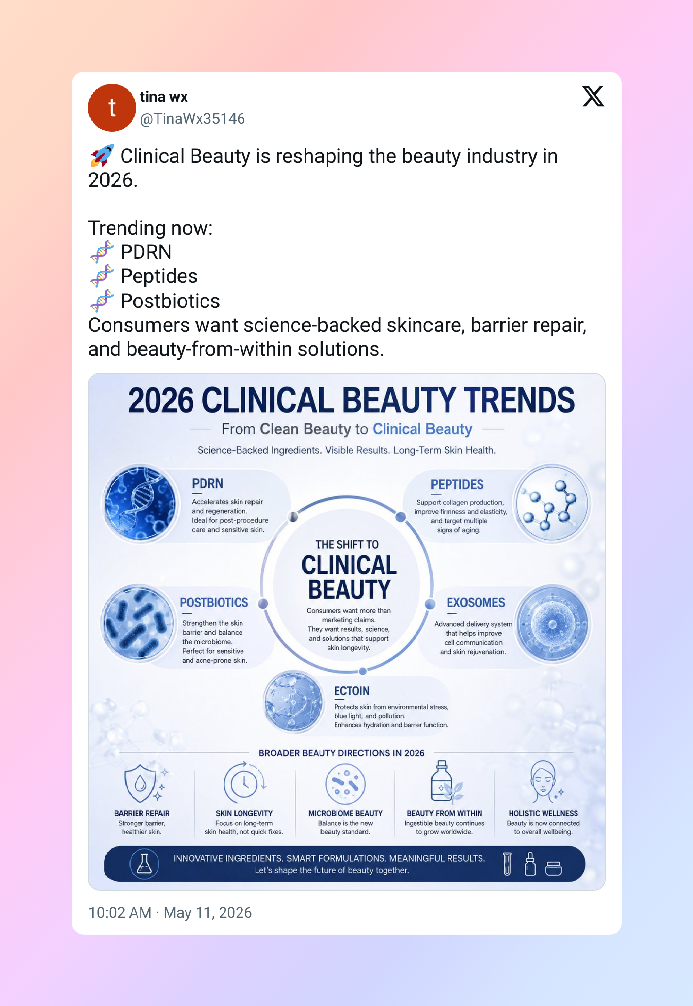
These ingredients now appear in:
- moisturizers
- lotions
- serums
- sunscreens
- eye creams
- lip products
They’re also available as oral supplements, commonly sold as collagen or creatine formulas online and in stores.
A 2022 study found that peptides may help reduce or delay visible skin aging through both oral and topical use, which partly explains why they’ve become such a major trend in both skincare and wellness culture.
But before anyone starts expecting overnight transformation, dermatologists consistently remind consumers that these are supportive ingredients — not miracle workers.
RELATED: What Do Peptides Do for Skin? Benefits and Uses.
Peptides Need Backup
One of the biggest misconceptions online is that a single serum will somehow erase stress, dehydration, poor sleep, and ten years of bad skincare decisions immediately.
Unfortunately, biology doesn’t work like that.
These ingredients tend to work best when combined with other supportive skincare ingredients like:
- niacinamide
- glycerin
- squalane
- adenosine
And even then, results usually take weeks or even months to become noticeable.
That’s why many dermatologists describe peptides as part of a long-term skincare strategy rather than a quick fix. If someone wants more dramatic anti-aging results, ingredients like retinoids and vitamin C still remain some of the most heavily researched options available.
As dermatologist Dr. Rogers of The Skin Editorial, a dermatologist, explained:
“Peptides are helpful, not heroic.”
Honestly, that might be the best way to summarize the entire trend.
The Trend Has Expanded Beyond Beauty
Of course, skincare is only one part of the current obsession.

In recent years, compounds associated with weight management, fitness recovery, and joint health have also entered mainstream conversation. Many people have now heard of GLP-1 medications and tirzepatide because of their growing off-label popularity for weight loss. But this is where the conversation becomes much more medical than cosmetic.
Unlike over-the-counter skincare products, these medications should only be used under proper medical supervision. Physicians typically require evaluations, laboratory testing, and ongoing monitoring to reduce the risk of adverse effects.
That distinction matters because not everything in this category exists in the same space. A trendy serum from a beauty store is very different from prescription medications affecting metabolism and blood sugar regulation.
So Why Is Everyone So Obsessed?
Honestly, the appeal makes sense.
These ingredients represent something modern consumers love: science-backed wellness that still feels approachable.
They sound advanced without being intimidating. They fit the growing desire for preventative health, healthier aging, and gentler self-care. And unlike flashy miracle products promising instant perfection, they’re usually marketed as subtle, gradual support for the body and skin.
In other words, they aren’t magic.
But in a world increasingly focused on feeling and looking healthier long-term, it makes sense that people are paying attention to them now more than ever.