


If you grew up in the early to mid 2000s, chances are you heard the word “metrosexual” thrown around constantly. Magazine covers loved it. Entertainment shows loved it. Gossip blogs especially loved it. The second a male celebrity wore fitted clothes, groomed his eyebrows, or admitted to owning skincare products, somebody somewhere was ready to label him metrosexual.
And honestly? It was kind of a moment.
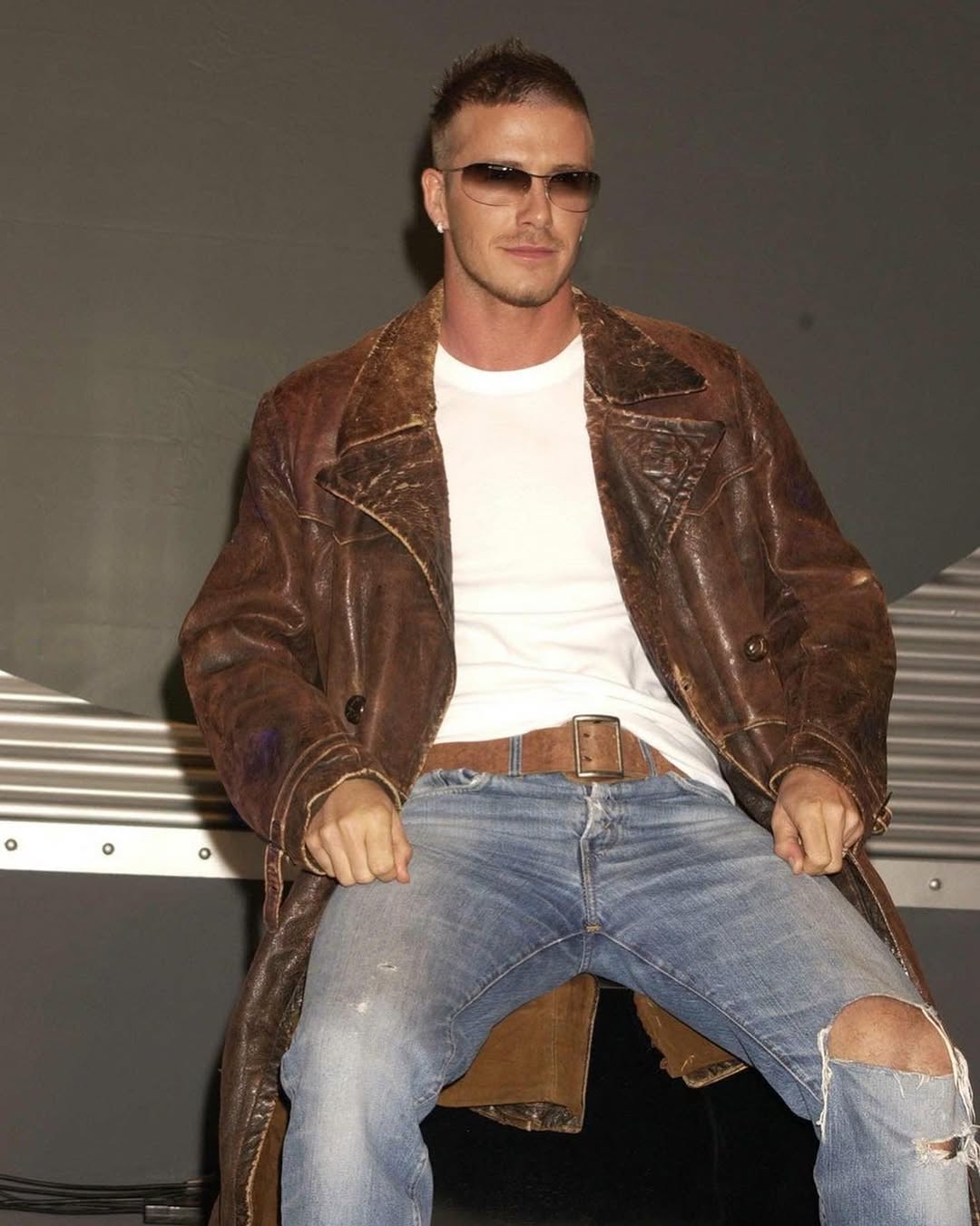
Long before TikTok “boyfriend skincare routines” and luxury genderless fashion campaigns, the metrosexual man arrived to completely shake up how masculinity looked in pop culture. Suddenly men were moisturizing. Men were shopping. Men were discussing hair products with frightening levels of confidence.
So, What Exactly Is a Metrosexual?
The term was coined in 1994 by British journalist Mark Simpson in an article for The Independent. His first and most famous example was football superstar David Beckham, who quickly became the blueprint for this new kind of celebrity masculinity.
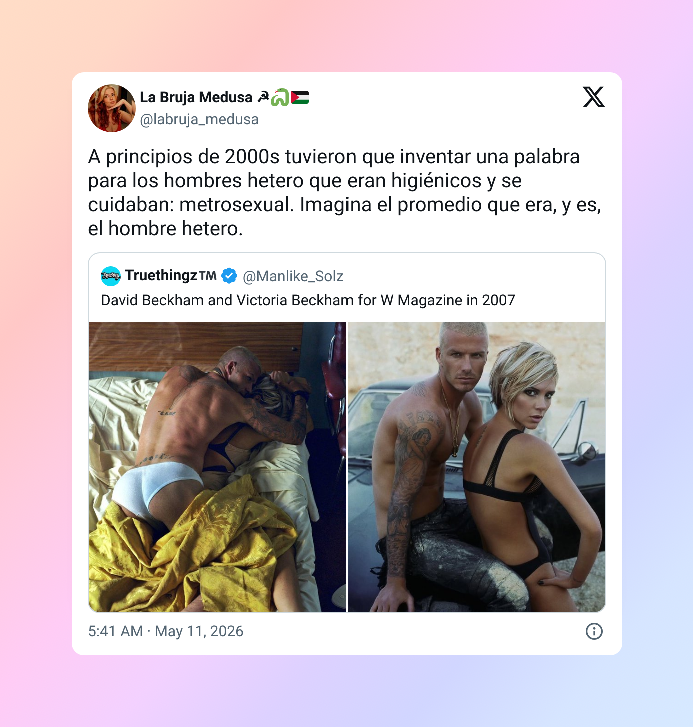
Simpson described the metrosexual as “the single young man with a high disposable income, living or working in the city.” Basically, a stylish man who invested heavily in appearance, grooming, fashion, and lifestyle.
At the time, this was considered revolutionary.
Simpson’s original writing painted the metrosexual man as someone obsessed with image, branding, aesthetics, and self presentation. He referenced fashion magazines like GQ, Esquire, Arena, and FHM, which exploded in popularity during the 80s and 90s by presenting highly stylized, aspirational images of men.
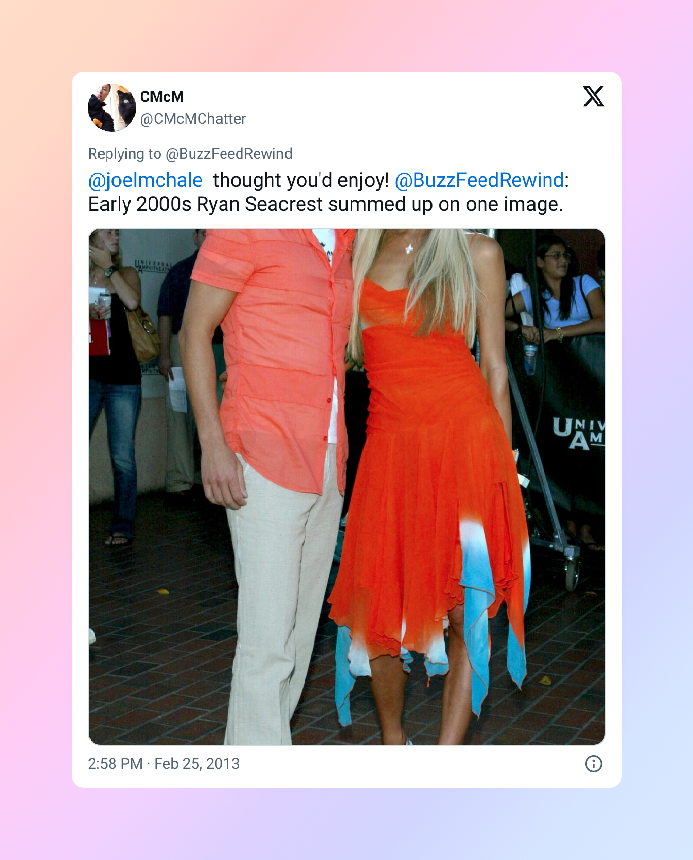
His definition also hilariously captures how aggressively marketed this identity became that they wore “Davidoff ‘Cool Water’ aftershave, Paul Smith jackets, corduroy shirts, chinos, motorcycle boots, Calvin Klein underwear.”
Honestly, if this description were posted on social media today, half the internet would call it a Pinterest mood board while the other half would be offended.
RELATED: Who’s Got the Bulge, the Daddy Energy, and the Hotter-than-Hell Moments?
The David Beckham Effect
David Beckham became the ultimate metrosexual icon because he represented a kind of masculinity mainstream culture was still learning how to process.
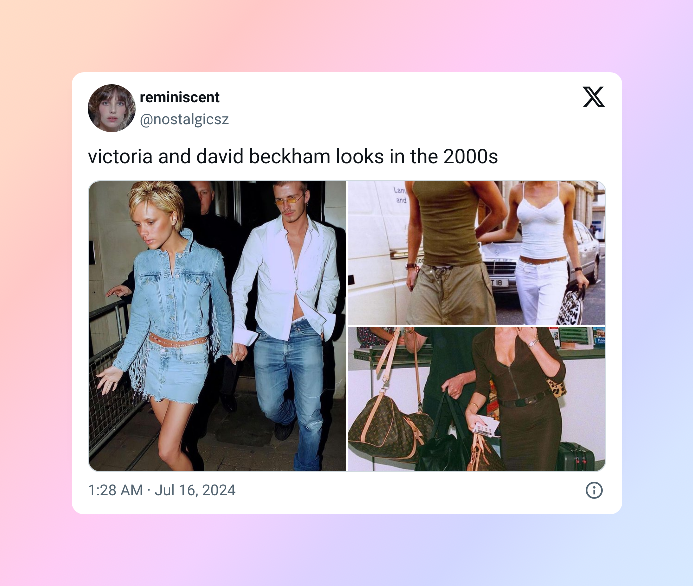
Here was one of the world’s biggest athletes wearing sarongs, changing hairstyles every six business days, appearing in underwear campaigns, and openly embracing fashion and grooming. For many people, it blurred lines that society had long kept rigid. And that was exactly why the term became so fascinating. Often considered heterosexual or bisexual, but his aesthetic awareness and willingness to be visually admired challenged traditional ideas about masculinity.
As Simpson famously wrote, “the metrosexual man contradicts the basic premise of traditional heterosexuality – that only women are looked at and only men do the looking. Metrosexual man might prefer women, he might prefer men, but when all’s said and done nothing comes between him and his reflection.”
Honestly? Kind of iconic.
Why Queer Culture Was Always Part of It
Looking back now, it is impossible to ignore how much queer culture influenced the metrosexual era.
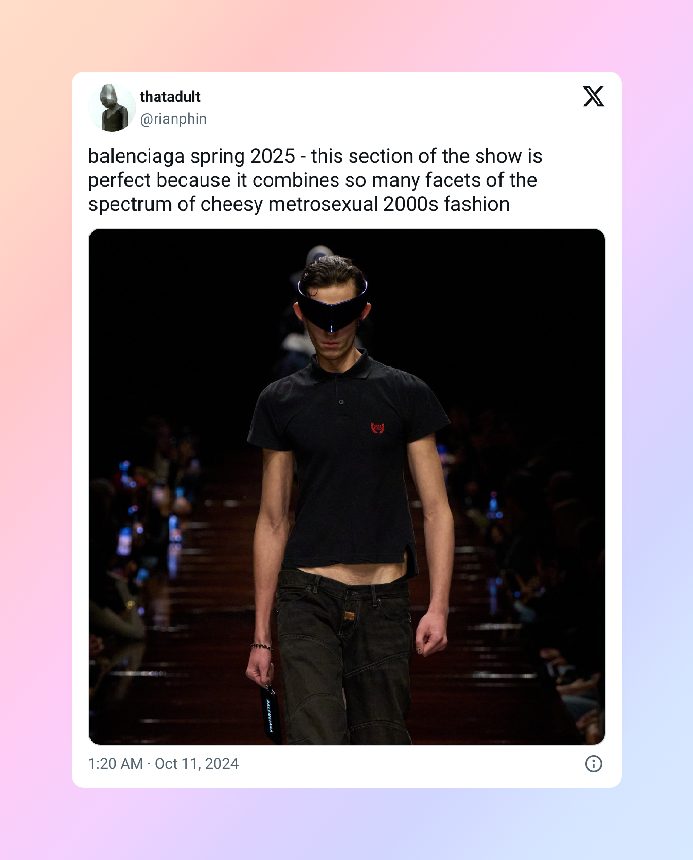
Fashion consciousness, grooming culture, self styling, fragrance obsessions, and aesthetic experimentation had long existed in LGBTQ spaces before mainstream media repackaged them for straight audiences. The metrosexual boom essentially introduced many heterosexual men to ideas that queer communities had already embraced for decades.
And while the term itself has aged in very 2000s ways, it also helped loosen restrictive expectations around masculinity.
Men became more comfortable caring about clothes. Skincare became normalized. Male beauty campaigns exploded. Grooming stopped being seen as automatically “unmanly.”
Basically, metrosexuality walked so modern gender fluid fashion culture could run.
The Metrosexual Icons We Still Talk About
Besides Beckham, the era gave us a whole roster of metrosexual icons.
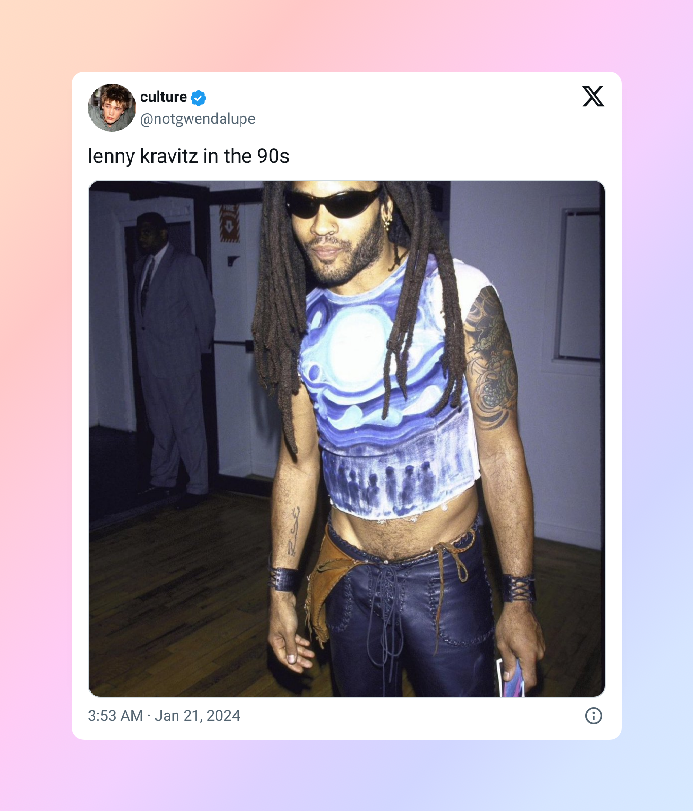
Ryan Seacrest represented polished television charm. Lenny Kravitz made scarves, leather pants, and rockstar sensuality feel impossibly cool. Prince existed in his own category entirely, blending femininity, sexuality, glamour, and masculinity decades ahead of everyone else.
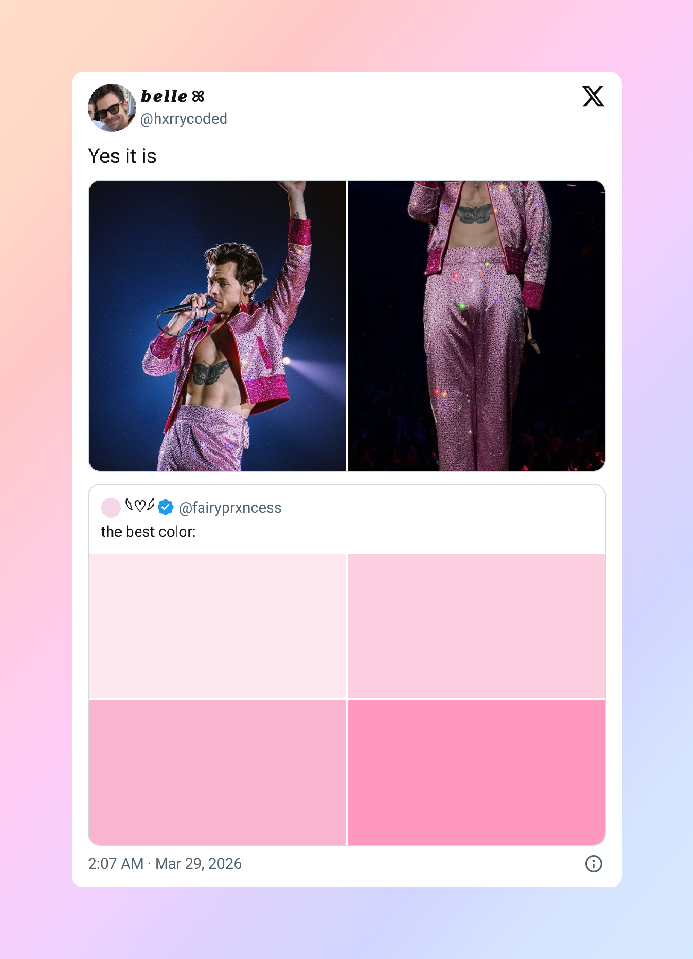
Today, the energy lives on through stars like Harry Styles and Bad Bunny, who continue challenging traditional menswear norms through nail polish, pearls, skirts, bold tailoring, and fearless self expression.
The difference now is that younger audiences are far less interested in labeling it.
Did the Metrosexual Ever Really Disappear?
Not really.
The word faded, but the culture stayed. Modern masculinity simply absorbed many of the things that once made metrosexual men seem unusual.
Today, it is normal for male celebrities to have skincare routines, wear designer jewelry, embrace flamboyant fashion, and actively participate in beauty culture. In many ways, the metrosexual era quietly changed mainstream expectations forever.
And honestly, thank the Gods.
Because the world became a much more stylish place afterward.