


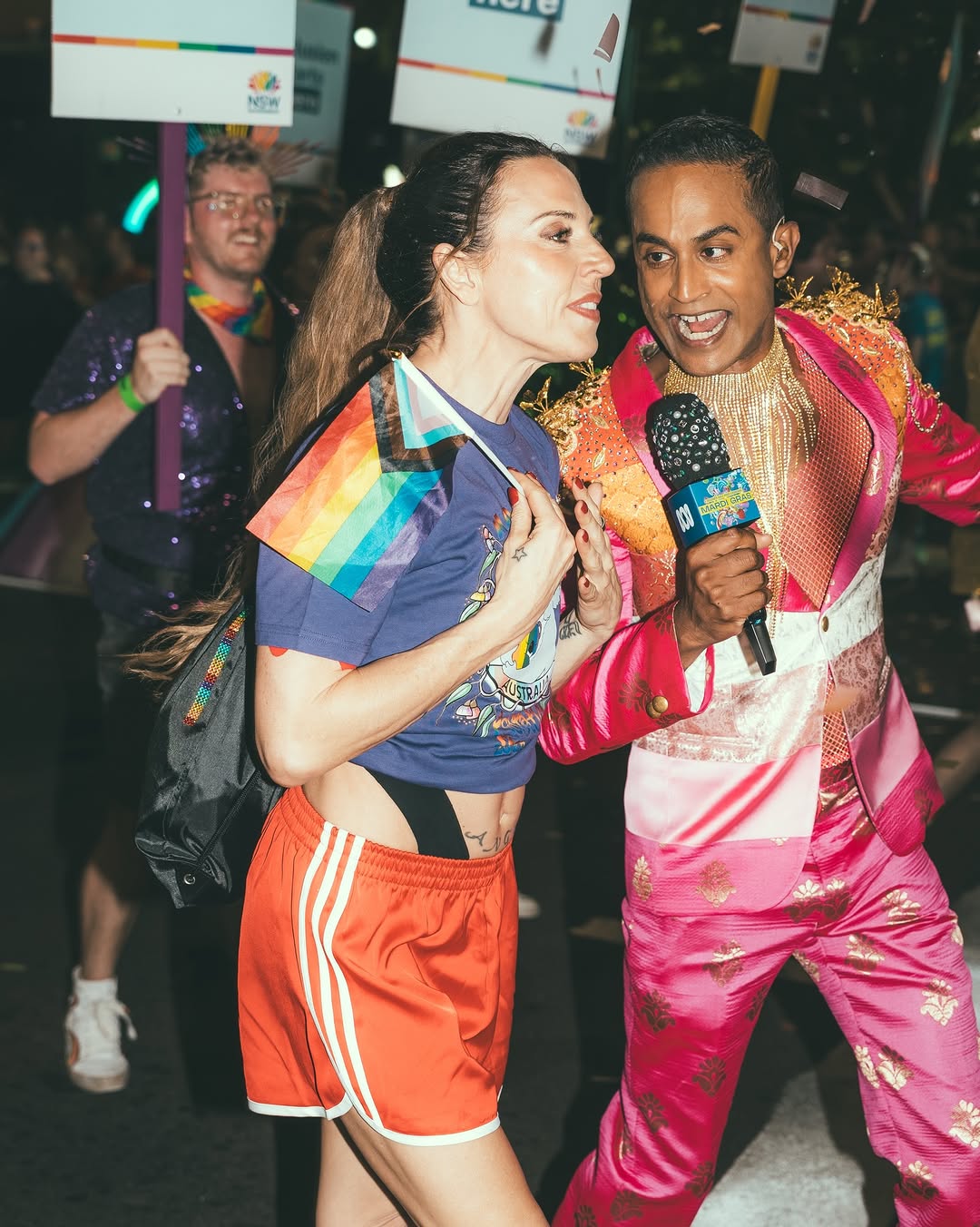
Australia is home to one of the world’s most spectacular Pride celebrations today, with Sydney Mardi Gras drawing visitors from every corner of the globe. Yet before the dazzling floats, headline performers, and rainbow filled streets, there was a march that changed the country’s LGBTQ history forever.
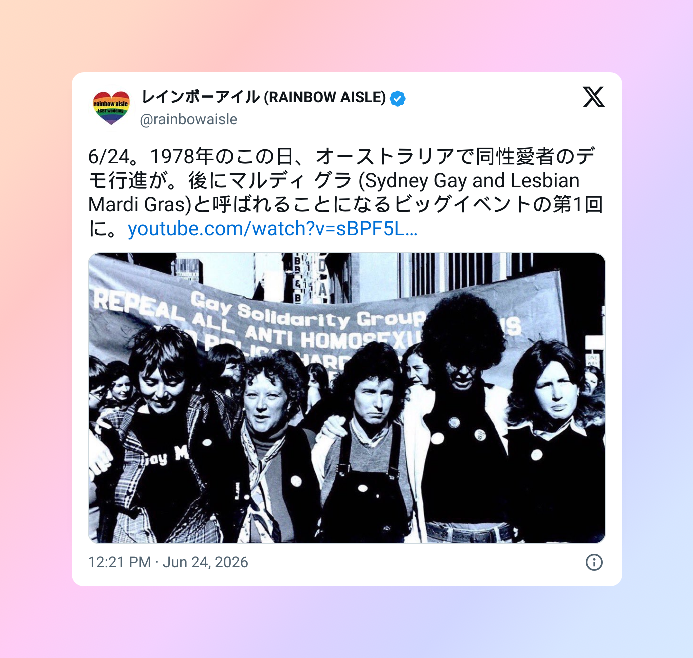
The first Sydney Mardi Gras took place on June 24, 1978. Organized by the Gay Solidarity Group in Australia to mark the anniversary of the 1969 Stonewall uprising in New York, it also stood in solidarity with the lesbian and gay community in San Francisco as activists fought against the Briggs Initiative, a proposed law that threatened LGBTQ rights.
Around 500 people attended, an impressive turnout during an era when many LGBTQ people still feared being publicly identified. As evening approached, even more participants arrived, finding comfort in the cover of darkness and turning the gathering into a nighttime march through Sydney.
A March Built on Hope
According to the 78ers, marchers assembled at Taylor Square around 10 p.m. in what felt more like a community celebration than a political protest.
The streets came alive with colorful costumes, flowing dresses, extravagant hats, dramatic makeup, and even someone dressed as the Pope. Music blasted from a truck leading the procession while chants of “Out of the bars and into the streets” encouraged people watching from nearby venues to leave the sidelines and join the march.
The atmosphere was hopeful and optimistic. Every new face stepping into the procession made the movement feel bigger than life itself. For many participants, simply walking together in public was an act of courage.
RELATED: The Ultimate Pride Travel Guide 2026: 10 Global Festivals Worth Booking a Flight
When Celebration Became Resistance
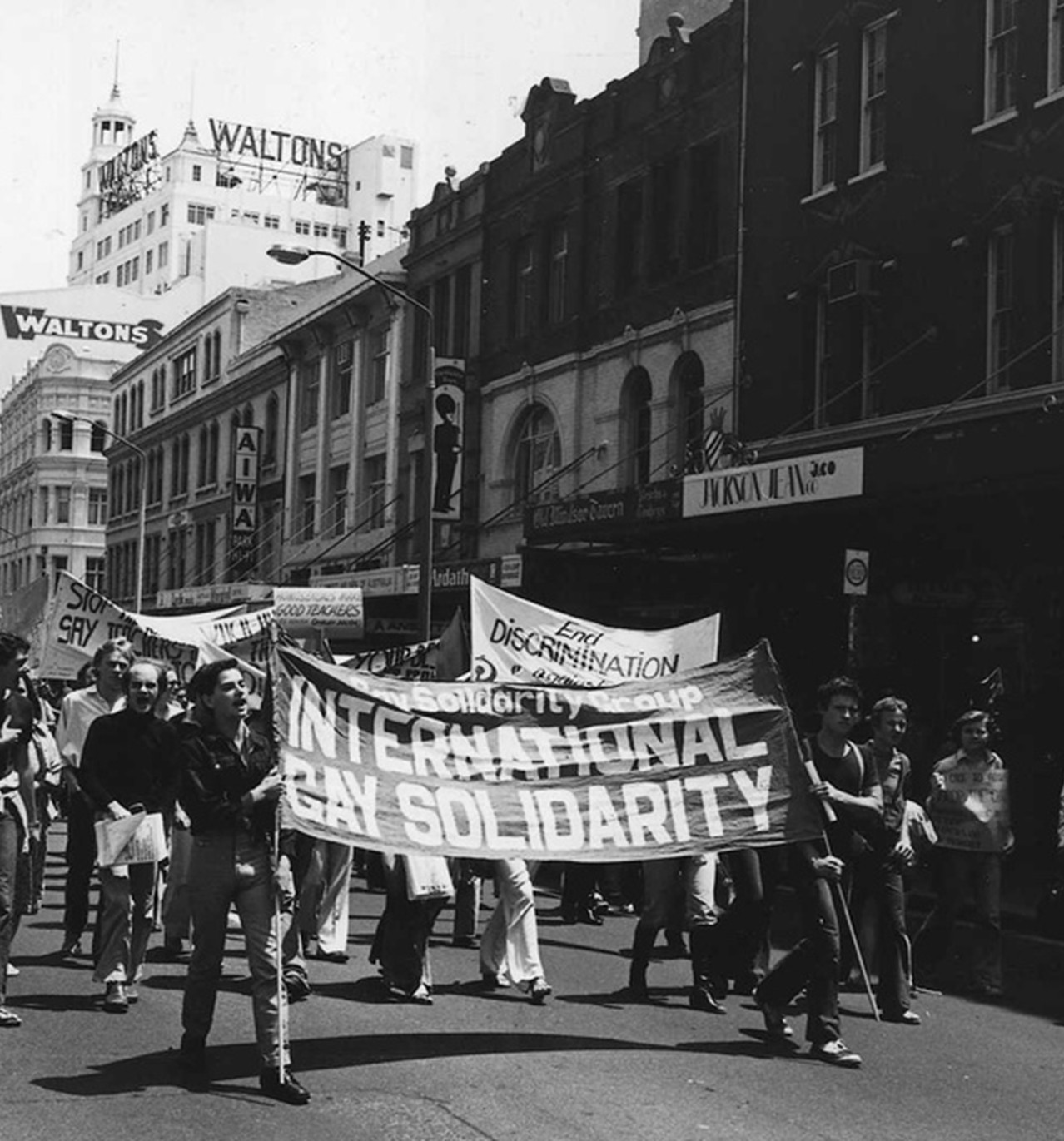
The mood shifted dramatically as the march continued.
Although organizers had secured permission to assemble and march, police repeatedly pressured the procession to move faster, making it clear they had little interest in allowing the event to unfold as a peaceful street celebration.
The turning point came on College Street when officers confiscated the truck leading the march.
Instead of going home, the crowd responded by redirecting the procession toward Kings Cross. What followed became an extraordinary display of unity as hundreds of marchers filled the streets chanting and refusing to disappear quietly.
By the time they reached Darlinghurst Road, police had blocked both ends of the street.
Chaos quickly replaced celebration.
According to accounts preserved by the 78ers, officers arrested demonstrators while many were punched, kicked, shoved to the ground, and dragged into waiting police wagons. Others fought to pull those arrested back to safety. Indigenous Australians and sex workers joined the confrontation, standing alongside LGBTQ marchers during the violent crackdown.
When the night ended, 53 people had been arrested, others were brutally harmed.
The Price of Being Out in Australia in 1978
For many, the arrests were only the beginning.
On June 26, The Sydney Morning Herald published the personal details of the attendees who were arrested. At a time when being openly LGBTQ could cost someone everything, the consequences were devastating. Some lost their jobs. Others were forced out of their homes or had their rents terminated. While there were some who later committed suicide.
Yet the community refused to back down.
Over the following months, “Drop the Charges” rallies drew more supporters, even as additional arrests were made in Australia. With the help of pro bono lawyers, activists successfully challenged the legality of the police response, and by April 1979, most charges had been dismissed.
A Legacy That Lives On
Today’s Sydney Mardi Gras is recognized around the world as a celebration of LGBTQ pride, visibility, and joy.
Its roots, however, lie in the bravery of hundreds of ordinary people who refused to hide, even when doing so carried enormous personal risk.
As Pride Month comes to a close, the story of Australia’s first Mardi Gras serves as a reminder that every rainbow flag waved today stands on the shoulders of those who marched through fear in 1978, determined to build a future where the next generation could celebrate openly.