


Lavender Panthers might not be the first name that comes to mind when you think of LGBTQ+ history, but their story is one worth remembering. Before rainbow crosswalks, corporate Pride collections, and every brand suddenly discovering June, surviving as an openly queer person often meant looking over your shoulder. Sometimes the biggest act of allyship wasn’t a social media post. It was someone literally showing up to make sure you got home safely. That’s exactly what the Lavender Panthers set out to do.
RELATED: The Pentagon’s “Gay Bomb”: History’s Most Expensive Shower Thought
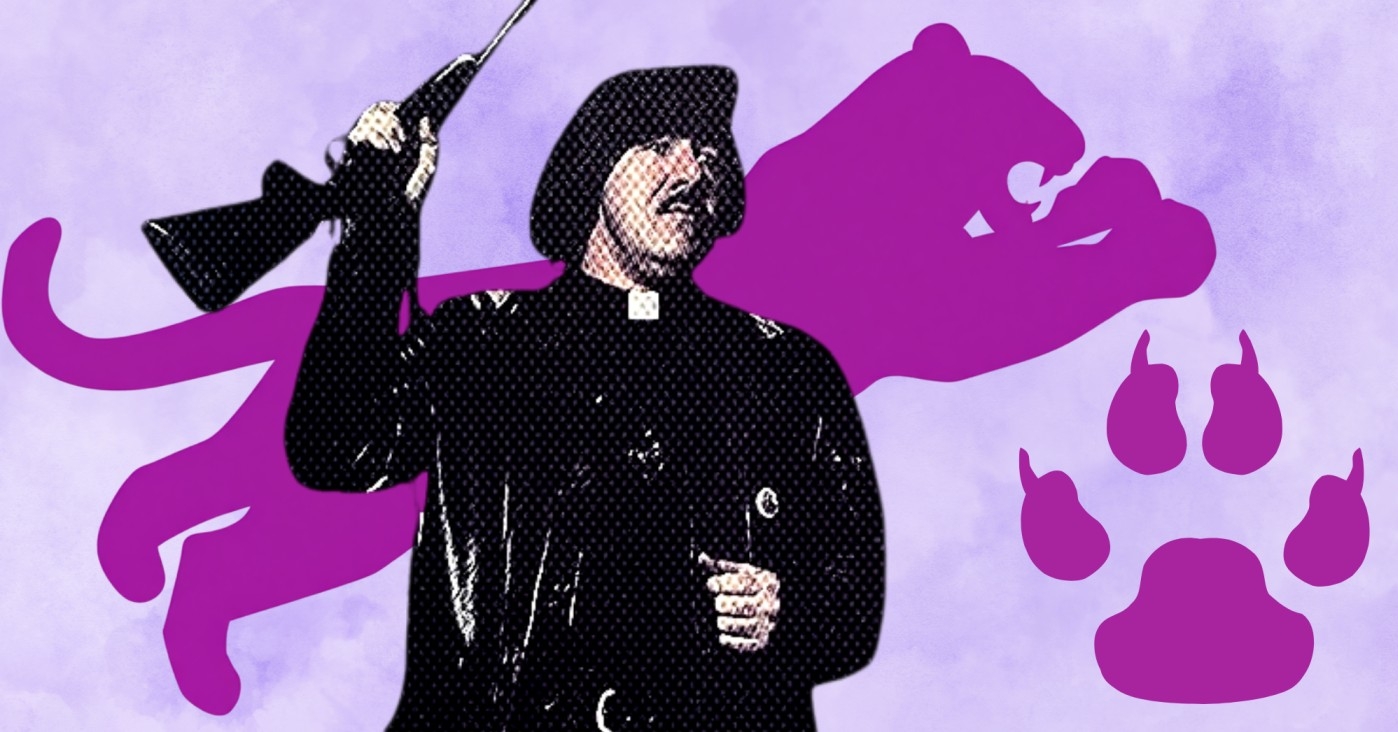
A Pride history lesson with a little more bite
Founded in 1973, the Lavender Panthers were a queer vigilante group that patrolled the streets of San Francisco’s Tenderloin neighborhood, protecting LGBTQ+ people from harassment and violent attacks. Their founder, Reverend Raymond “Ray” Broshears, believed the queer community deserved more than empty promises from authorities that had repeatedly failed them.
RELATED: ‘Guys and Balls’: Gay Football Comedy Every World Cup Fan Should See
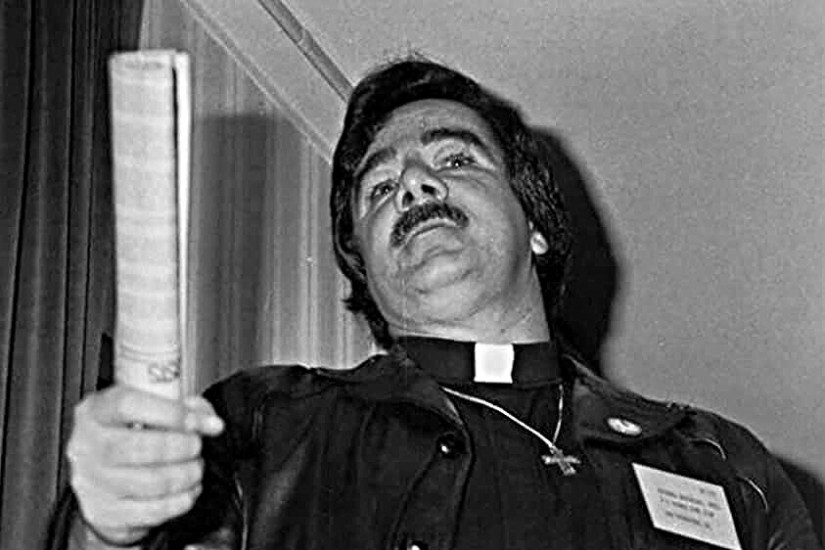
His determination grew after years of witnessing police raids on gay bars, seeing trans women arrested simply for existing, and watching countless queer people avoid reporting assaults because they feared being blamed instead of helped. Frustrated with both law enforcement and mainstream gay rights organizations that often prioritized respectability over the needs of trans people, sex workers, and low-income residents, Broshears focused his activism on the people who were too often left behind.
Everything came to a head on June 4, 1973.
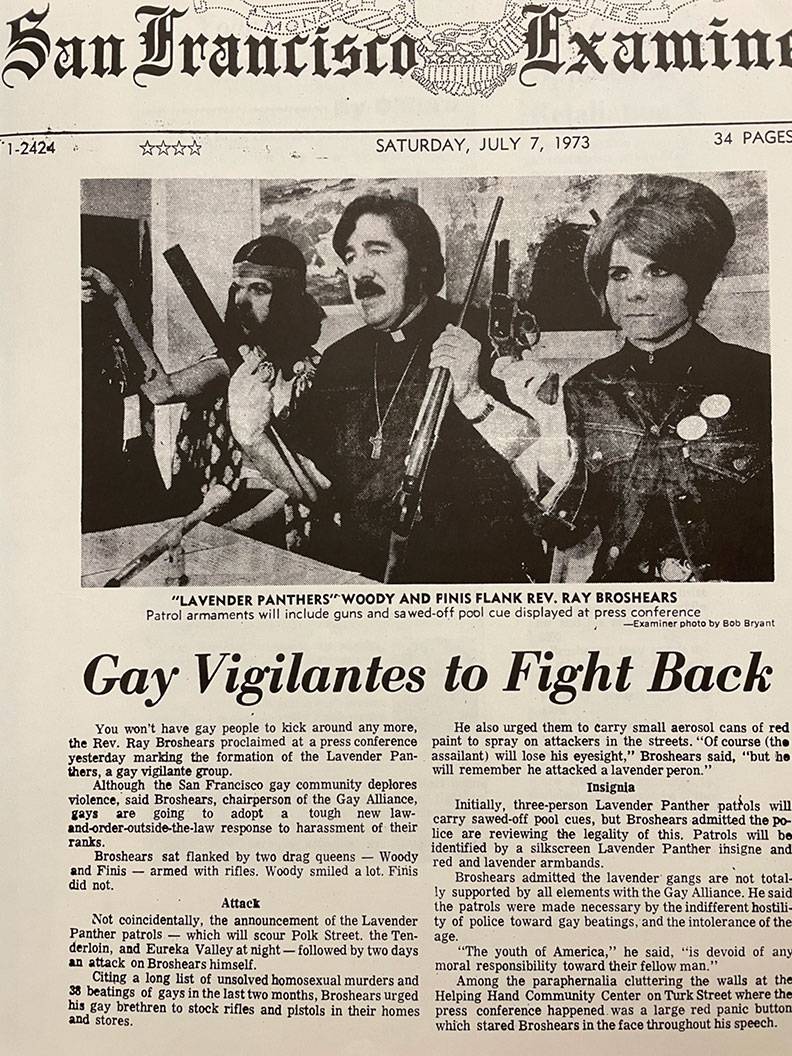
After calling police about teenagers setting off fireworks near the Helping Hands Service Center, Broshears was attacked as he left the building, suffering facial injuries and a temporarily paralyzed arm. Rather than quietly recovering, he organized a press conference just two days later. There, Broshears and several supporters appeared with firearms as he announced the formation of the Lavender Panthers.
If that sounds dramatic, well… subtlety wasn’t exactly Reverend Ray’s brand.
The original “text me when you get home” squad
For about a year, the Lavender Panthers patrolled the streets of San Francisco while also responding to reports of LGBTQ+ people facing harassment or danger.
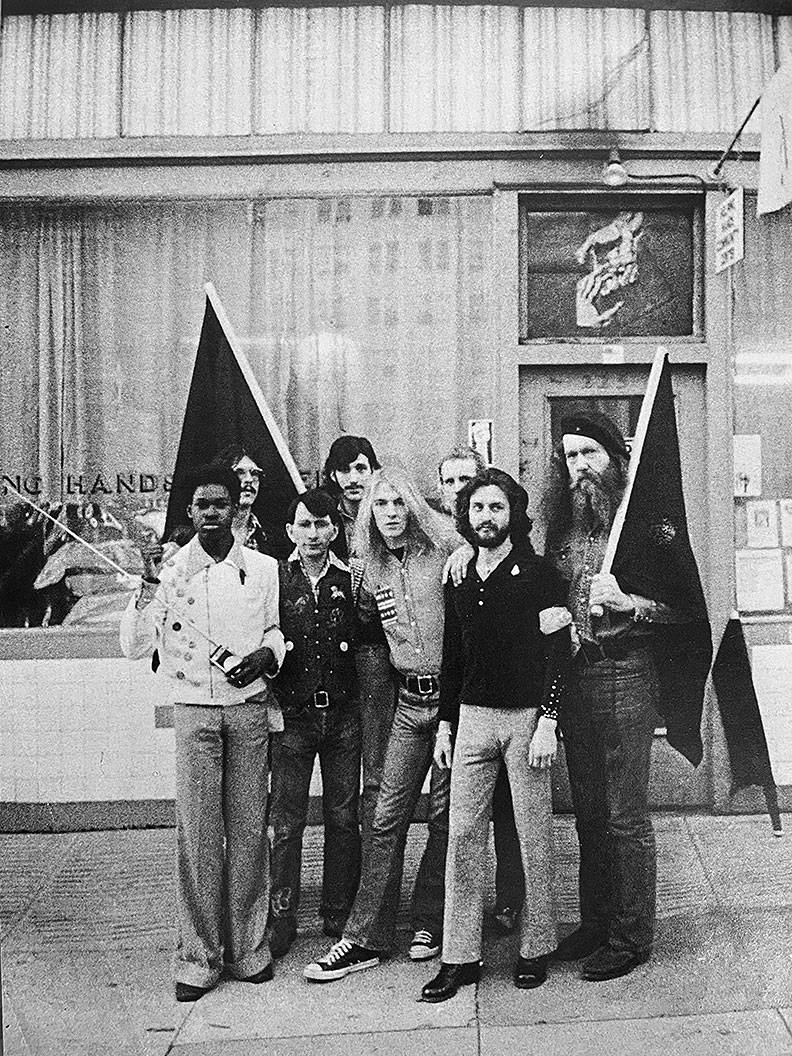
According to Smithsonian Magazine, members carried sawed-off pool cues, clubs, whistles, chains, red spray paint, and other makeshift tools while patrolling the neighborhood. Broshears described the group as a protective force meant to discourage attacks before they escalated.
Their best-known intervention happened outside a bar called the Naked Grape, where four teenagers confronted two gay men leaving for the evening. Before the harassment could turn violent, the Lavender Panthers appeared, causing the teenagers to flee.
The group’s name was inspired by the Black Panthers, whose community defense efforts influenced Broshears’ thinking. Historians have found no evidence that the Black Panthers had any official involvement with or acknowledgement of the Lavender Panthers, but the reference made the group’s mission unmistakable.
Not everyone waved the same rainbow flag
The Lavender Panthers earned gratitude from many Tenderloin residents, but they also attracted criticism from established gay rights organizations. Some activists worried that vigilante tactics would reinforce negative stereotypes about LGBTQ+ people and ultimately hurt the broader movement.
Frank Fitch, spokesperson for the Society of Individual Rights, said:
“While we recognize that there does exist a climate of hate, fear and ignorance against gay people in this country, and that that climate often results in violent acts perpetrated against us, we feel that the use of violence to respond to violence solves nothing.”
The criticism wasn’t limited to the group’s methods. Broshears himself remained an intensely controversial figure throughout his life. He was charged with groping a 17-year-old boy, although those charges were later dropped. He also became known for headline-grabbing publicity stunts and was reportedly acquainted with Lee Harvey Oswald before the assassination of President John F. Kennedy.
Even during his lifetime, opinions about him were sharply divided. Some viewed him as reckless and confrontational. Others saw someone willing to stand beside people whom even parts of the LGBTQ+ movement had overlooked.
A complicated legacy that still deserves remembering
By 1975, the Lavender Panthers had dissolved, and Broshears’ health and emotional well-being reportedly declined. Friends believed he struggled with trauma related to years of activism and the lack of recognition he received. He later suffered a cerebral stroke and died at the age of 46.
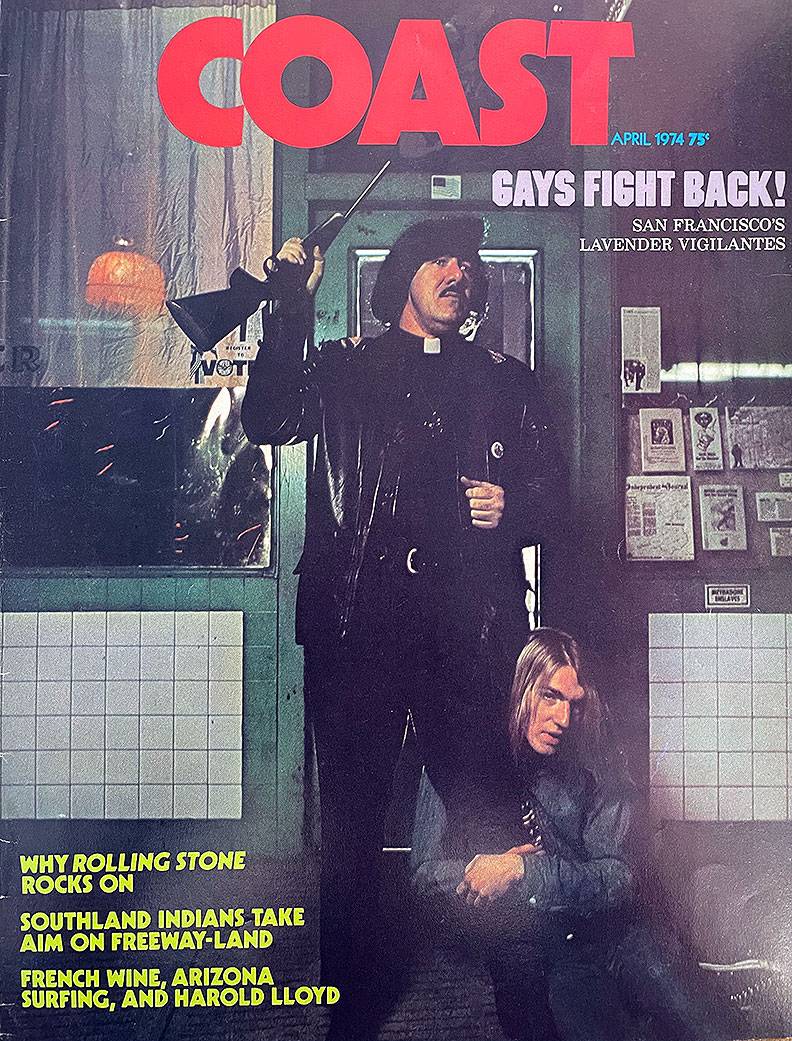
His obituary in the Bay Area Reporter reflected the contradictions that followed him throughout his life. Friends praised his wit, compassion, and commitment to queer liberation, while critics described him as a danger.
Yet in the Tenderloin, where many poor LGBTQ+ people, trans residents, and sex workers found community, Broshears was remembered differently. For many there, he had spent years helping people whom society had largely abandoned.
The Lavender Panthers never became as widely known as other activist organizations from the era, but their story remains an important chapter of LGBTQ+ history. Their legacy is also a reminder that long before queer communities found broader legal protections and public acceptance, many relied on one another for safety when few others would. Whether celebrated or criticized, the Lavender Panthers remain a powerful example of how marginalized communities organized to protect themselves during one of the most difficult periods in modern queer history.