


Most of us know the usual pre-hookup checklist. Condoms? Maybe. PrEP? Hopefully. Fresh breath? Absolutely. But there’s one thing that’s still flying under the radar in many queer circles, and it’s a lot less glamorous than an awkward morning-after text.
A new UK study is warning that sexually transmitted Shigella—a bacterial infection that causes severe diarrhoea—is emerging as an STI spreading rapidly among some networks of gay and bisexual men, while becoming increasingly resistant to the antibiotics doctors rely on to treat it.
It’s not exactly cocktail-party conversation. But researchers say that’s part of the problem.
More than just another STI
Published in The Lancet Infectious Diseases, the Cambridge-led study found that sexually transmitted forms of Shigella expanded 15% faster each year between 2015 and 2020 than strains linked to overseas travel, contaminated food, or childcare outbreaks.
RELATED: Saunas Tied to Rare STI-Like Infection in Sexual Transmission Probe
The UK Health Security Agency has already seen that trend continue. Laboratory diagnoses of sexually acquired Shigella jumped sharply in 2025, reaching 2,560 recorded cases.
Historically, Shigella was mostly something people picked up while travelling abroad or through foodborne outbreaks. Today, however, researchers say sexually transmitted strains have become endemic within some communities of gay, bisexual and other men who have sex with men (GBMSM) across the UK.
Using the same genomic sequencing techniques that tracked COVID-19 variants during the pandemic, scientists discovered that sexually transmitted Shigella isn’t just spreading faster than other strains—it’s also evolving resistance to antibiotics at an alarming pace.
Tiny bacteria, big consequences
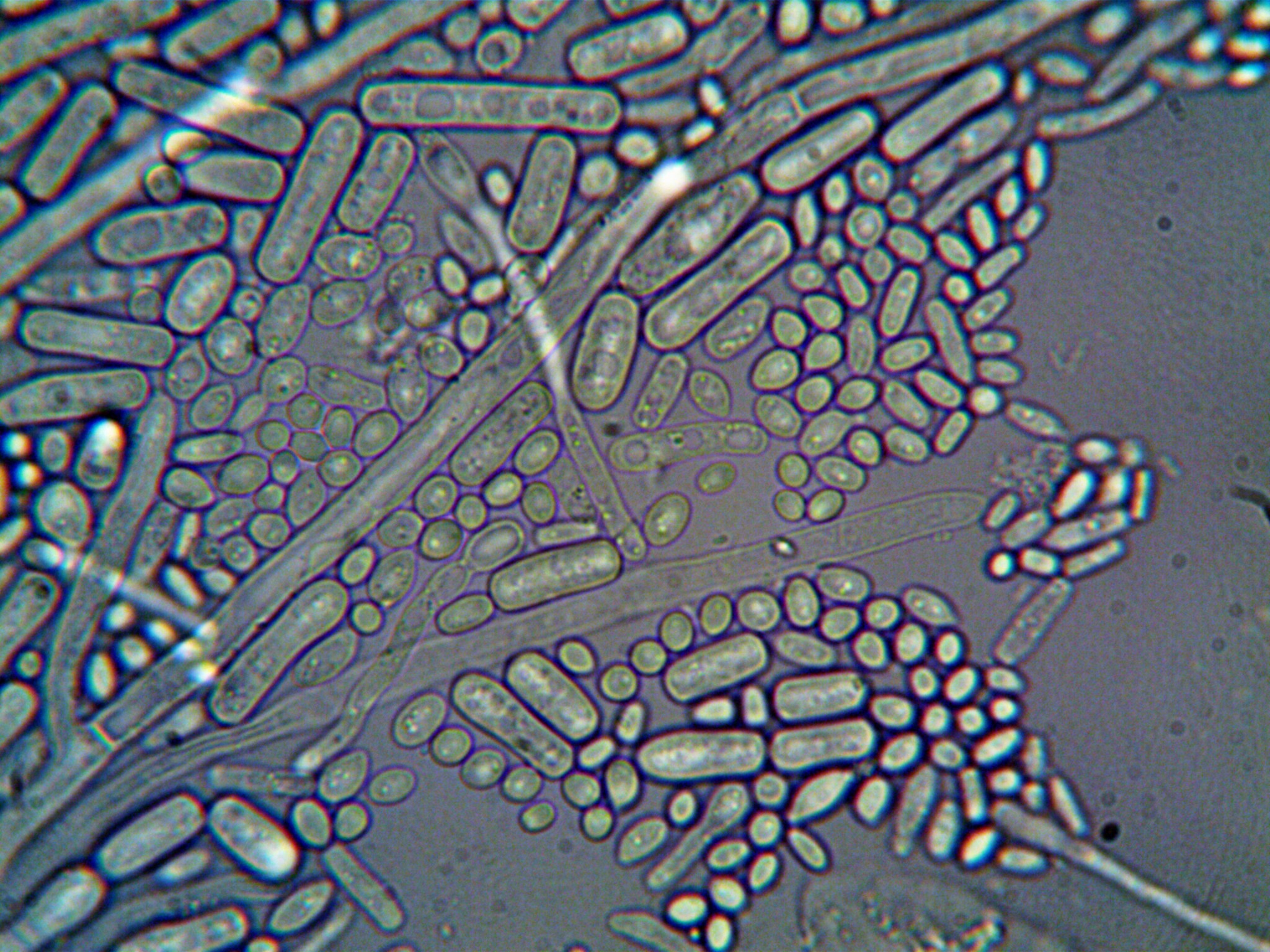
Shigella spreads through direct or indirect mouth-to-anus contact, allowing microscopic amounts of faecal bacteria to pass between partners. It doesn’t take much, either. Researchers note that as few as 10 bacterial organisms can trigger infection, making Shigella far more contagious than many other bacteria.
Symptoms can include severe or bloody diarrhoea, stomach cramps, fever and dehydration. Previous research has found that up to one-third of patients with sexually transmitted Shigella require hospitalisation, often staying four to five days. Up to two-thirds are also diagnosed with another sexually transmitted infection, including HIV.
The latest study found that by 2020, more than 70% of sexually transmitted Shigella strains were resistant to at least one clinically important antibiotic. By comparison, resistance affected around 40% of non-sexually transmitted strains.
Researchers also found that antibiotic-resistant sexually transmitted variants expanded 71% faster than drug-susceptible ones.
A growing public health blind spot
Despite those numbers, awareness remains surprisingly low.
“Many men who have sex with men are unaware of the serious and increasing risk posed by sexually transmitted Shigella,” said Professor Kate Baker, senior author of the study from Cambridge’s Department of Genetics.
“Sexual infection is now a sustained part of Shigella transmission in the UK. It is vital that this message reaches the communities most affected, so we can help to prevent the spread,” Baker said.
“Sexually transmissible shigellosis needs to be treated as a distinct public health threat, requiring different surveillance, prevention, and treatment strategies.”
Researchers say standard public health advice—like handwashing and food hygiene—isn’t enough to interrupt sexual transmission, highlighting the need for guidance tailored specifically to sexual health.
The study focused on networks of GBMSM in major cities including London, Brighton and Manchester. While Shigella isn’t exclusive to gay and bisexual men, researchers found no statistically significant increase in other populations and no strong evidence that infections were spilling over into wider communities.
Scientists believe the increase since around 2010 may partly reflect the rise of hookup apps, alongside behaviours such as rimming and chemsex events that involve group sex and stimulant drug use.
When antibiotics stop working
One of the study’s biggest concerns isn’t just how quickly Shigella spreads—it’s how quickly it’s learning to survive treatment.
Researchers found that some strains had already developed resistance to three major antibiotics: ceftriaxone, azithromycin and ciprofloxacin.
“This isn’t just one form of sexually transmissible diarrhoea. This is multiple overlapping variants emerging that are all quickly becoming resistant to the drugs we use to treat them,” said Baker.
“It’s highly likely that if you contracted your Shigella through sex you require different treatment to someone who contracted it through travel.”
She added that repeated antibiotic use for treating or preventing other sexually transmitted infections may unintentionally encourage resistant Shigella strains.
“Our evidence suggests that the variants of Shigella transmitting in sexual networks were actually getting resistant against treatments for other STIs, like gonorrhoea, so people need to remember that when they’re taking antibiotics they’re treating their whole body,” Baker said.
Later, she offered an even starker assessment.
“This disease has gone from being relatively treatable with off-the-shelf drugs to being close to untreatable over the course of the last decade or so,” said Baker.
Knowing the signs matters
Health experts stress that awareness—not shame—is the most effective defence.

“It’s a real cause for concern that sexually transmitted Shigella is becoming a growing problem in some sexual networks of gay and bisexual men, with both rising cases and rapidly increasing antibiotic resistance,” said Marc Tweed from the Terrence Higgins Trust.
“Studies have linked transmission with dense sexual networks, multiple partners, sexualised drug use, PrEP use and concurrent sexually transmitted infections. But these are associations, not proof that any one behaviour alone is driving the increase,” Tweed said. “If you think you may have Shigella, you should contact your local sexual health clinic to book an appointment.”
Researchers now estimate that more than half of all Shigella infections in the UK are sexually transmitted.
Baker also urged anyone recovering from diarrhoea to avoid sexual activity until two weeks after symptoms have completely resolved, disclose their sexual history if seeking medical care, and request a full sexual health screening.

Dr Daniel Richardson, a Consultant in Sexual Health at University Hospitals Sussex, echoed that message.
“Clinicians should be asking patients with dysentery about sexual transmission and giving advice accordingly,” he said.
“They need to know that sexually transmitted Shigella has more antimicrobial resistance than other forms of the disease, and that patients may need checking for other sexually transmissible illnesses.”
Sex positivity and sexual health have always gone hand in hand. Knowing about this STI isn’t about killing the mood—it’s about making sure everyone gets to enjoy the next hookup without bringing home an unwanted plus-one that no one swiped right for.
Source: University of Cambridge