

Tennis hasn’t always been the most inclusive sport. With its country club traditions and reputation for conservatism, it hasn’t exactly been the first place people think of when it comes to celebrating LGBTQ athletes. But Brian Vahaly, the new president of the United States Tennis Association (USTA), is here to change that—by being himself.
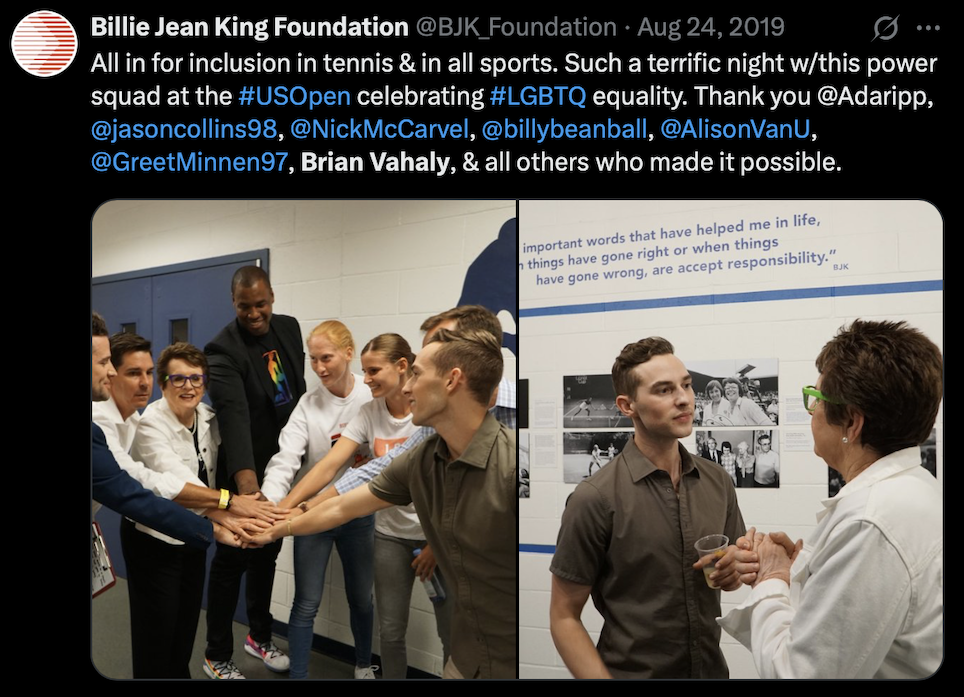
For those who may not remember, Vahaly once held a spot among the top 100 players in the world. His career ended in 2007 after his last U.S. Open match against Juan Martin del Potro, followed by multiple surgeries for shoulder injuries. At the time, he was still closeted, unsure if living authentically in the world of professional tennis was even possible.
RELATED: We Finally Have an Out Pro Tennis Player!
Fast forward to 2017, and Vahaly took a leap that once seemed unimaginable—he came out publicly in a Sports Illustrated podcast. Today, at 46, he’s not just out; he’s leading the very organization that runs the U.S. Open. Elected to a two-year term as chairman of the board and USTA president, Vahaly now holds one of the most visible leadership positions in the sport he once feared wouldn’t accept him.
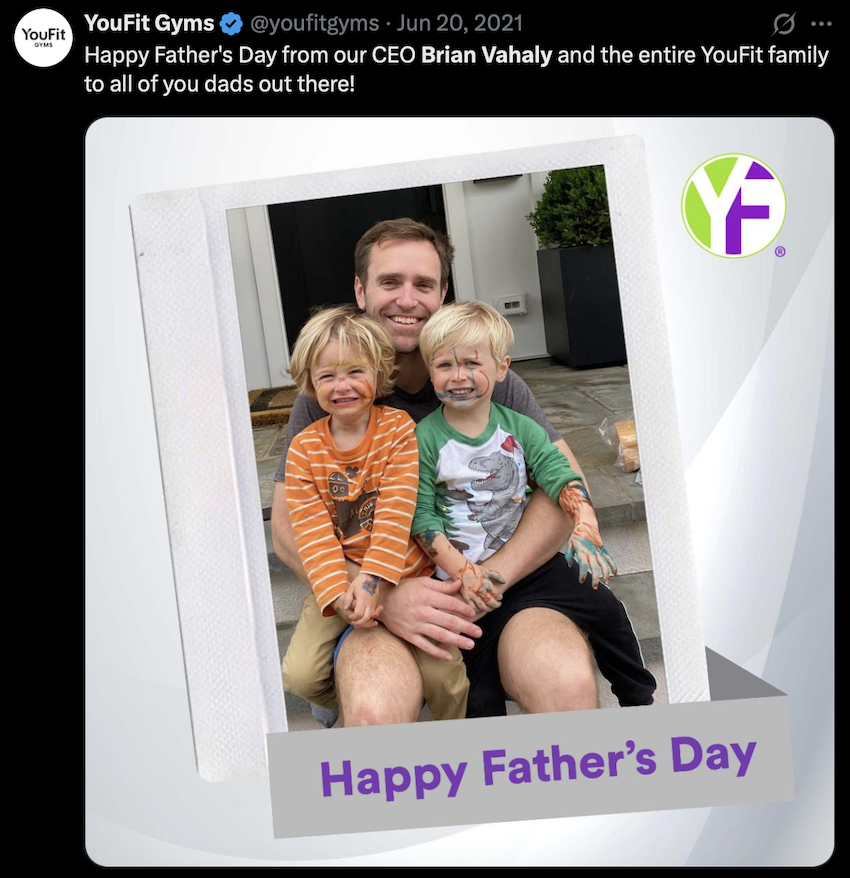
His journey wasn’t easy. Growing up in a conservative household, Vahaly endured conversion therapy at church and years of internal conflict. What helped him eventually embrace himself was the support of a longtime sports psychologist, and later, the life he built with his husband, Bill Jones. Together, they’re raising twin boys—a life that shifted his perspective entirely.
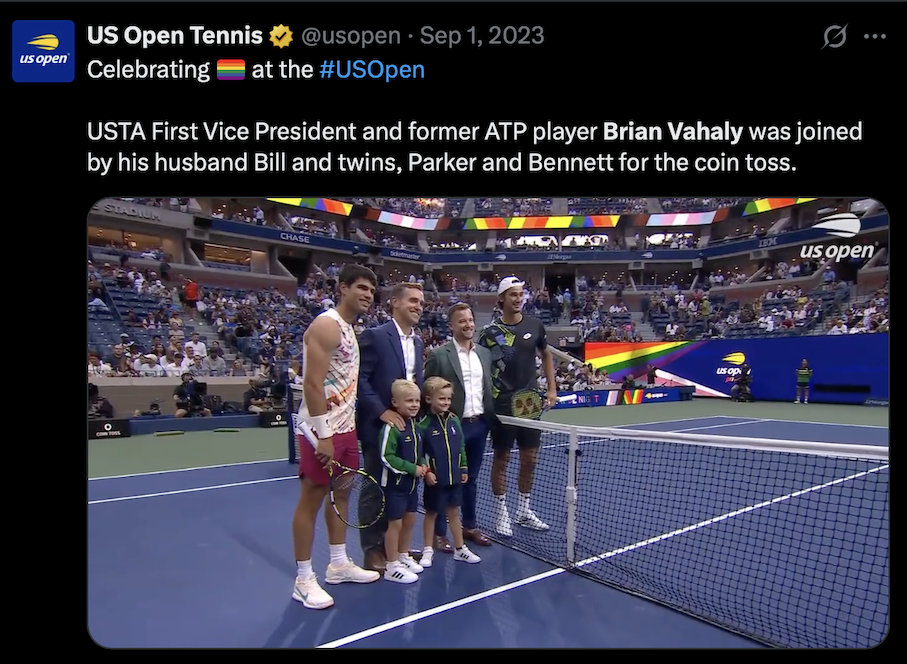
“You’re just looking at them and thinking about the life you want to build for them, and your priorities shift,” he shared with NBC News.
Fatherhood gave him the courage to live openly, not only for his children but also for the younger version of himself who once felt isolated and alone.
Still, stepping into leadership wasn’t without hesitation. Vahaly admits that when he first joined the USTA board, he was guarded. The members were often older, conversations leaned traditional, and he wondered whether being gay would keep him from being taken seriously.
“When you don’t see people before you as a potential role model, it’s hard to know…whether the organization—or a sport more broadly—would be comfortable with you in a leadership position,” he explained.
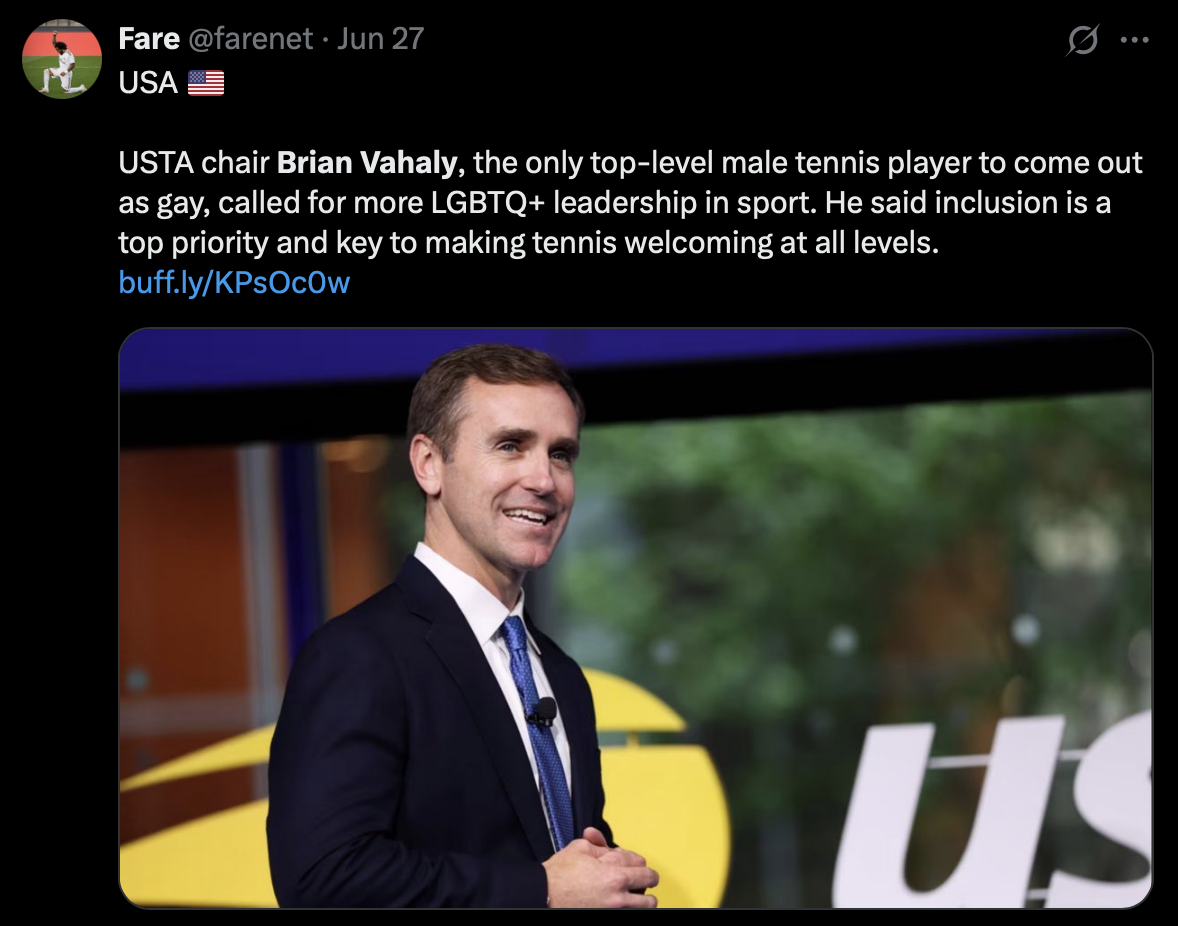
And while his election to the top of the USTA is groundbreaking, the challenges aren’t behind him. He still faces moments of casual exclusion—like when his profile is introduced in professional settings but leaves out the fact that he’s gay or that he’s a dad. His approach, however, isn’t to push back with anger but to keep showing up, being visible, and sharing his story. “Humanizing people in our community is actually what drives us forward,” he says.
He’s also realistic about the obstacles athletes face, especially in tennis. Concerns about sponsorship loss, safety when traveling to certain countries, and fear of public backlash are very real factors for players considering coming out. But Vahaly sees hope in the next generation. He believes younger athletes approach identity and inclusion differently than his own peers did.
“Once we start to build the numbers,” he notes, “you’ll start to see those athletes making it up to the pro tour.”
It’s that belief—that things can and will get better—that makes Vahaly’s leadership so powerful. By living openly and honestly, he’s signaling to queer athletes that tennis can be a safe place for them too. He doesn’t claim to have all the answers, but he knows what he can do: share his truth, highlight the diversity within the sport, and work to make the game more welcoming.
At its core, Vahaly’s story is about hope. Hope for athletes who may feel invisible, for kids who need someone to look up to, and for a sport that has room to grow. His message is simple but meaningful: tennis should be for everyone.
And with Brian Vahaly at the helm, it feels like the game is finally opening up.
REFERENCE: NBC Out
Great Story. He is setting a great example in a very conservative culture which Tennis has always been. It’s important to note that he was elected by his Peers for his expertise and knowledge. Changing the status wuo in this sport and presenting authenticity is so important for the people coming up in the professional game of Tennis and all who enjoy the sport.