

A father goes viral after he attempts to sue his son for being a “worthless investment” after his gay son quits conversion therapy.
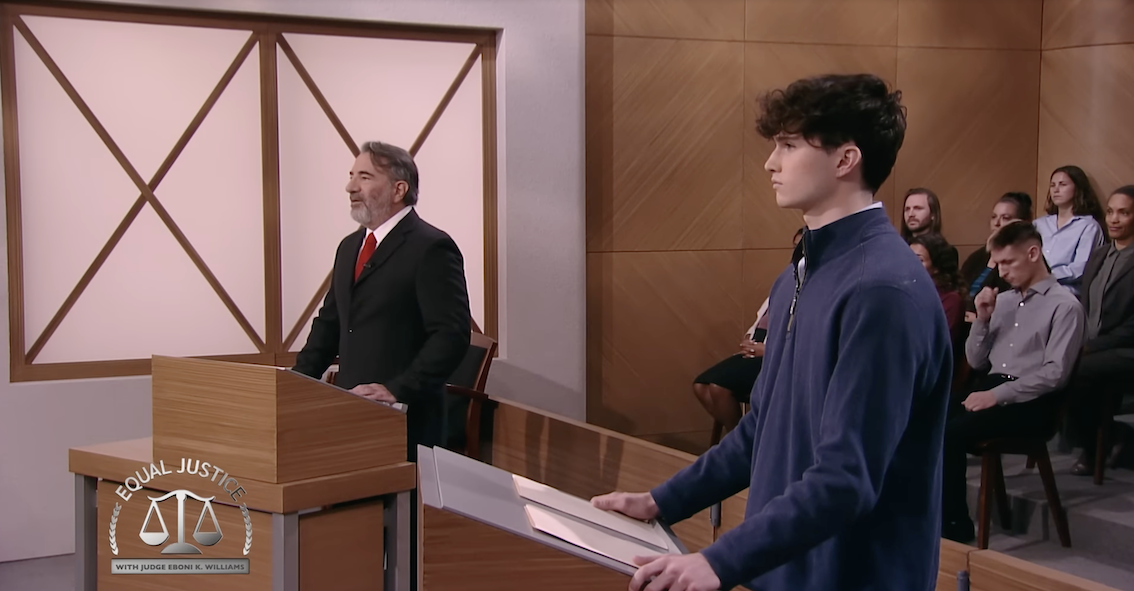
A recent courtroom clip from Equal Justice with Judge Eboni K. Williams has taken over social media, sparking conversations across the LGBTQ community about family, acceptance, and the lasting harm of conversion therapy.
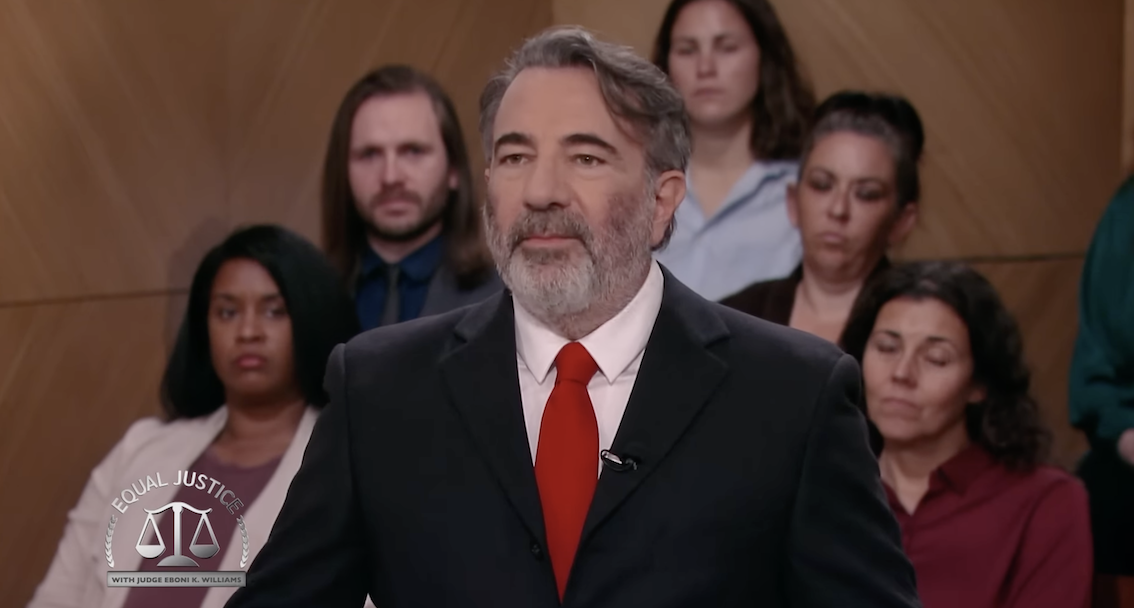
At the center of the case is a father and son whose relationship had fractured long before they stepped into court. What began as a family conflict escalated into a lawsuit—with the father demanding repayment of thousands of dollars tied to a deeply personal and painful experience.
😳 A father is suing his own son after he came out as gay — demanding to be repaid for every expense from raising him, calling it a “worthless investment.” pic.twitter.com/pxNlmUS4cV
— PopPulse (@PoppPulse) April 8, 2026
The $6,000 Dispute
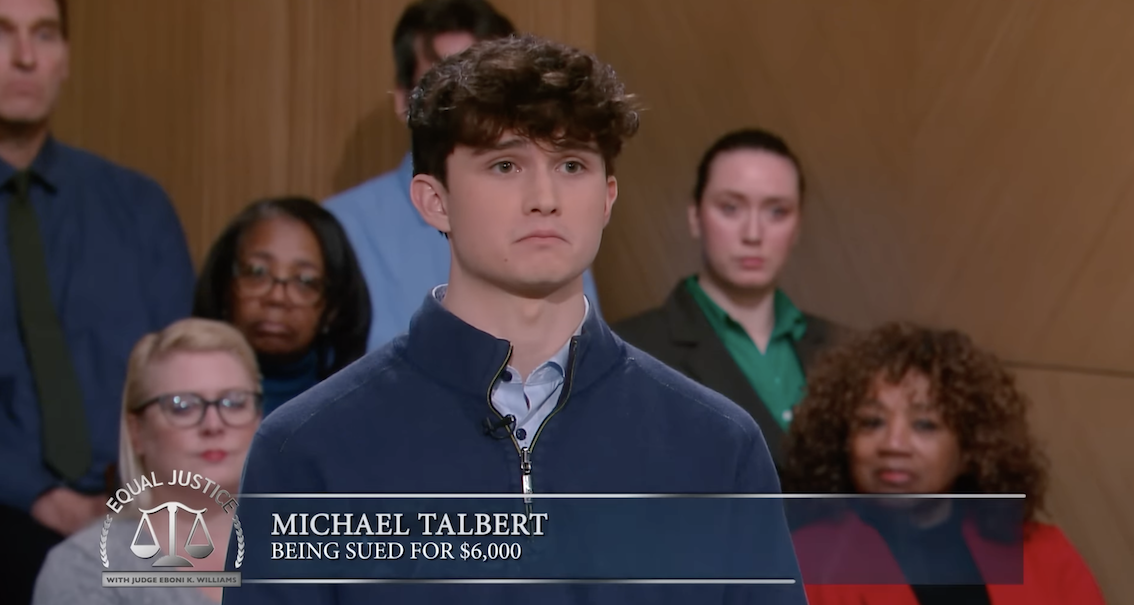
The case revolved around a financial demand: a father suing his 19-year-old son for $6,000. The money, according to the father, had been spent on a program meant to “fix” his son after discovering he was gay.
The situation reportedly began when the father saw his son sharing an intimate moment (AKA kissing) with another boy. What followed was not a conversation grounded in understanding—but an ultimatum. The son was allegedly told to change or risk losing his home.
Faced with that pressure, the young man agreed to enroll in a conversion therapy program. The course required near full-time attendance over several months, making it both emotionally and physically demanding. His father agreed to cover the cost—but later sought repayment when his son left the program early.
RELATED: Why One New York Candidate Wants a Nationwide Ban on Conversion Therapy
Inside the Program
When asked to explain his experience, the son described an environment that many LGBTQ advocates have long warned about.
He recalled being told he was “cursed” and destined for hell, language that left a lasting emotional impact. Instead of offering support, the program reinforced shame—framing identity as something broken rather than something to be understood and accepted.
After about a month, he made the decision to leave. He later found safety and support with friends, describing it as the first time he truly felt free to be himself.
A Judge Steps In
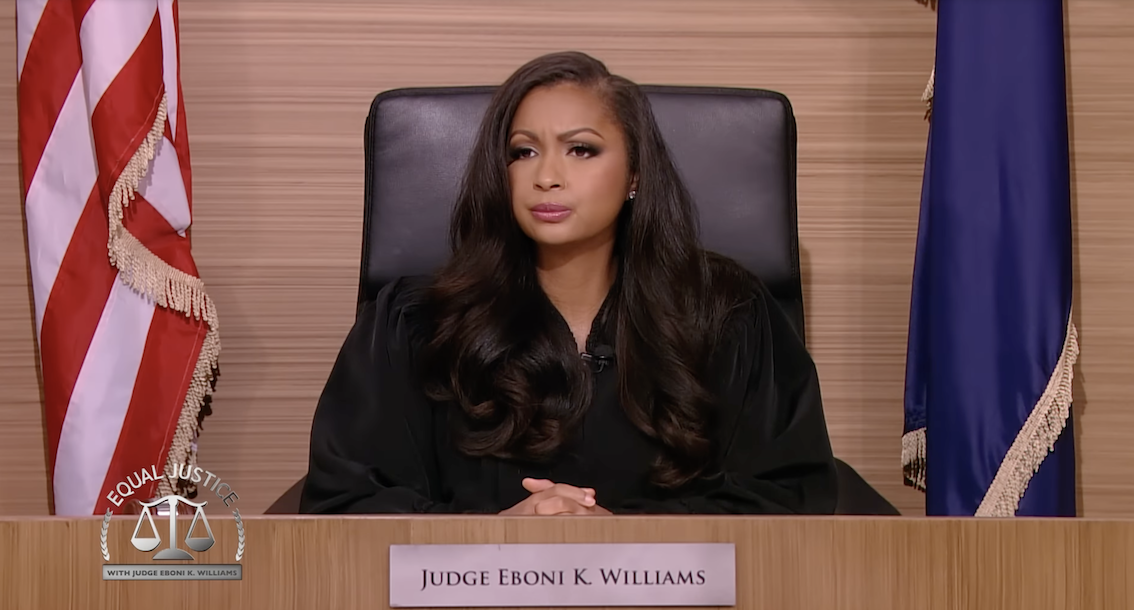
What might have been just another small-claims case quickly turned into something much bigger, thanks to the response from Eboni K. Williams.
The judge did not hold back. She challenged the father’s framing of the situation, calling out the emotional pressure placed on his son. At one point, she described the dynamic as rooted in fear rather than genuine choice, noting that the young man felt compelled to comply to avoid being rejected by his own family.
When the father attempted to justify his actions as “tough love,” the judge firmly disagreed, characterizing the approach as harmful and manipulative.
“You Are Not Cursed”
In a moment that has since resonated widely online, the judge addressed the son directly.
“Young man, you are not cursed… You are as loved and as worthy… You are perfect in the eyes of God.”
The statement cut through the legal proceedings and landed as something far more human: validation.
For many viewers—especially those within the LGBTQ community—it echoed a message that often goes unheard in spaces where identity is questioned or condemned.
The Final Ruling
The case itself ended decisively. The judge dismissed the father’s claim entirely, rejecting the idea that the son owed anything for refusing to continue the program.
But the ruling went beyond finances. It became a broader statement about what it means to be a parent.
The judge emphasized that love should not be conditional, and that every young person deserves a home where they feel safe and supported—not merely tolerated.
Why This Moment Matters
While the case involved one family, its impact has reached far beyond the courtroom. The viral clip has reignited discussions about conversion therapy, parental expectations, and the real-life consequences of rejection.
For LGBTQ audiences, the story is both painful and affirming. Painful in its reminder that not all families are safe spaces—but affirming in the way it highlights voices that push back against that harm.
At its core, this wasn’t just a legal dispute between a father and his son. It was a moment of accountability—and a reminder that acceptance isn’t something anyone should have to earn.