


Last year, BAIN didn’t just surprise fans during JUSTB’s North American tour—he quietly rewrote a page of K-pop history. Becoming the first openly gay male idol in an active K-pop group was already a headline. A year later, he’s proving that the sequel has a lot more substance than the breaking news alert.
RELATED: Daxton Bloomquist Eyes a New Adventure with 1-Man ‘Pressure’ Show
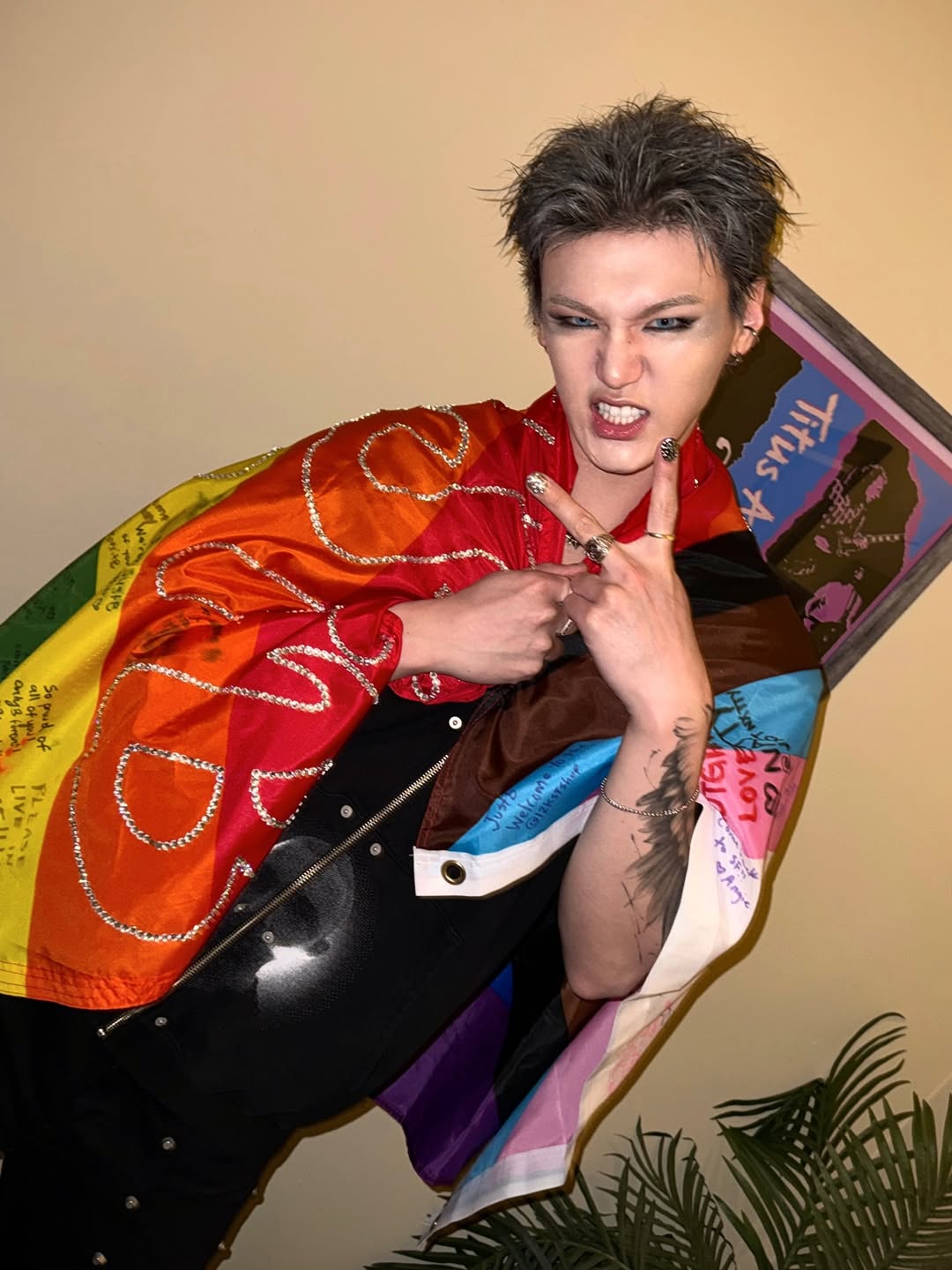
K-pop is famous for perfectly synchronized choreography, impossibly polished visuals, and enough fan content to keep your phone storage permanently full. What it hasn’t been known for is making space for openly LGBTQ+ idols.
That’s why BAIN’s decision to come out last year wasn’t just another celebrity reveal. It was the kind of moment that made fans pause, cheer, and wonder if one of K-pop’s biggest taboos had finally started to crack.
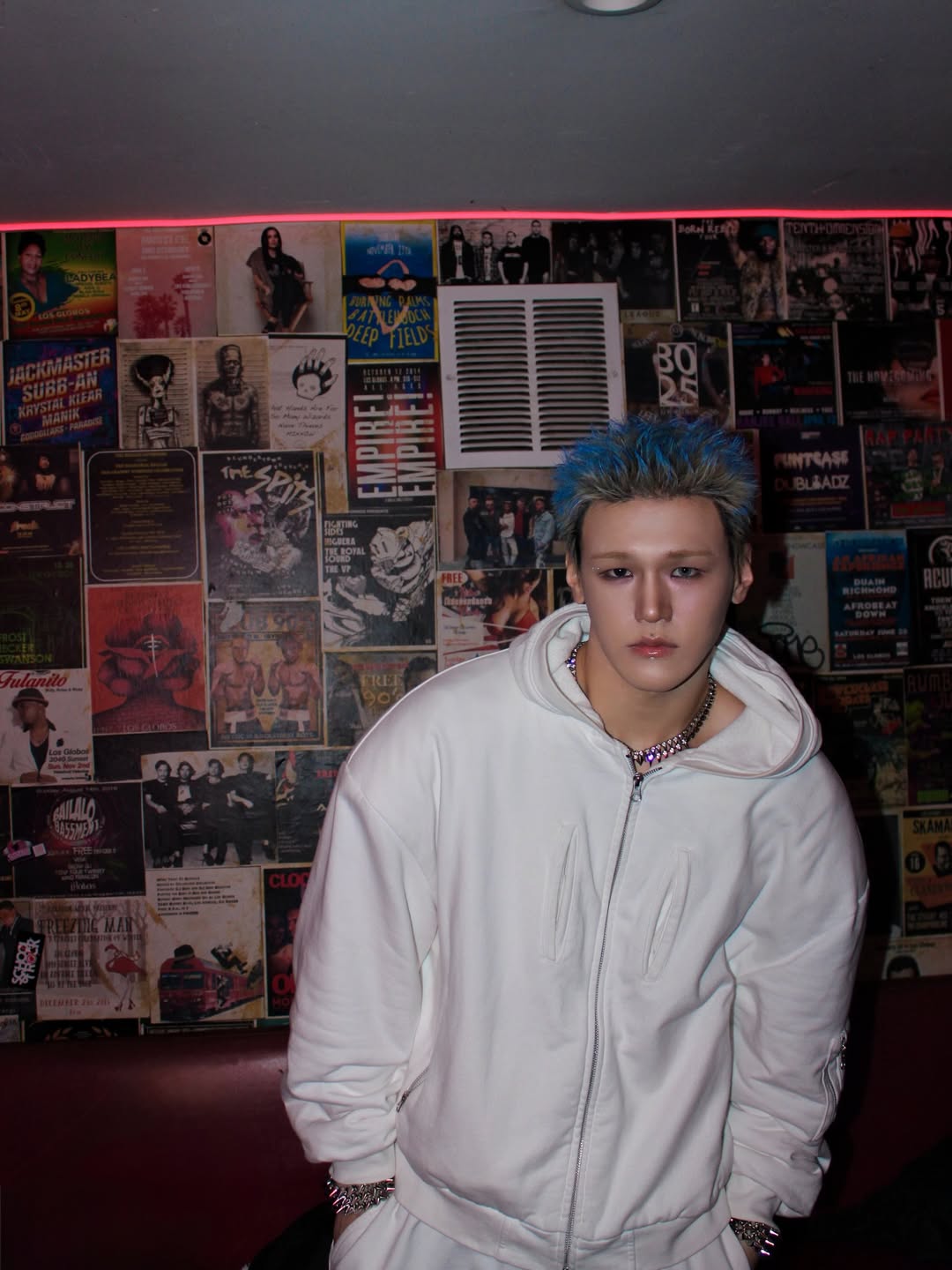
Now, one year later, the JUSTB member is reflecting on what life looks like after stepping into the spotlight as his authentic self. The answer? Lighter, louder, and refreshingly free of self-censorship.
BAIN Finally Gets to Perform as Himself
Speaking with Pop Base, BAIN looked back on the emotional difference between touring before and after coming out. His words capture something many LGBTQ+ people know all too well: pretending is exhausting.
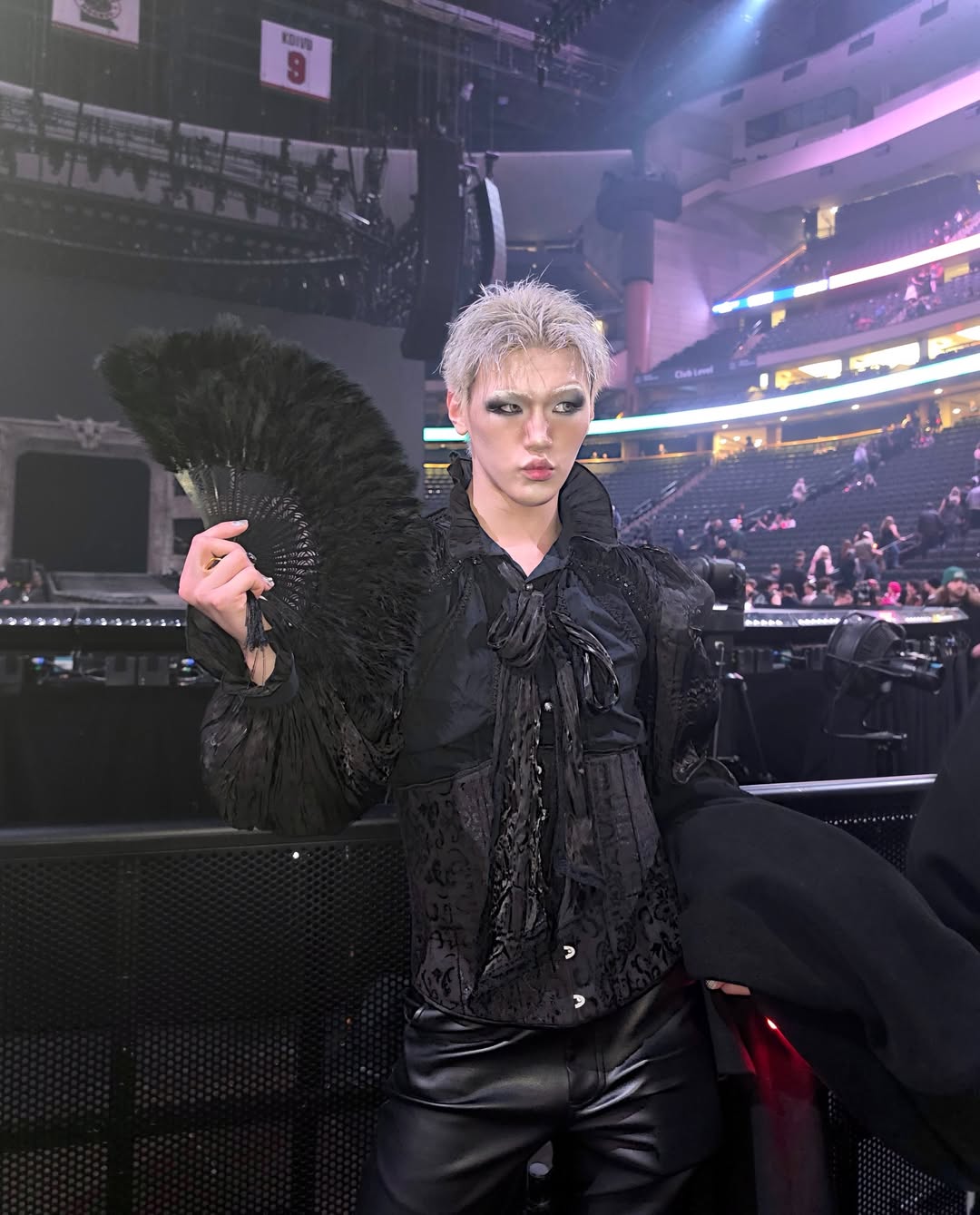
RELATED: Bain Breaks Boundaries with Hong Seok-cheon’s Legacy Behind Him
“Last year, I walked onto the stage carrying a secret, heavier than I ever wanted anyone to know,” BAIN said, in a new interview with Pop Base. “This year, I walked onto the stage carrying only myself. When you spend so much of your life editing your own existence to make other people comfortable, you start to forget what your real voice sounds like. But on this tour I heard it clearly for the first time. Not the careful version. Just. me.”
That’s a pretty incredible upgrade. Same stage, same audience, considerably less emotional baggage.
BAIN Says More Queer Voices Are Changing K-Pop
One of the biggest talking points from the interview wasn’t just BAIN’s own journey. He was also asked about a growing number of artists being open about their identities, including XG’s Cocona, transgender former JWiiver member Ryujin, and the genderless group XLOV. It’s the kind of conversation that could shape where K-pop goes next.
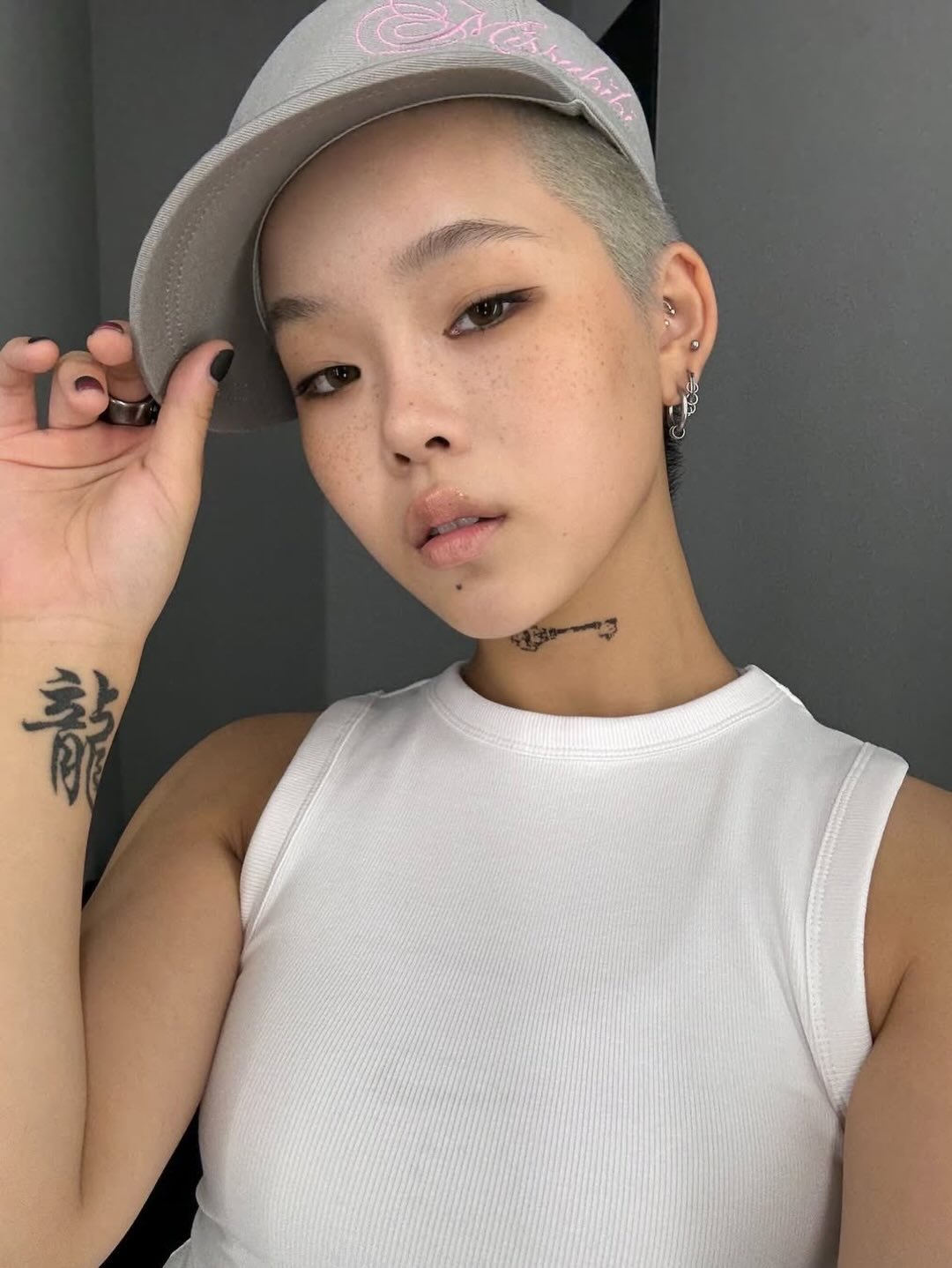
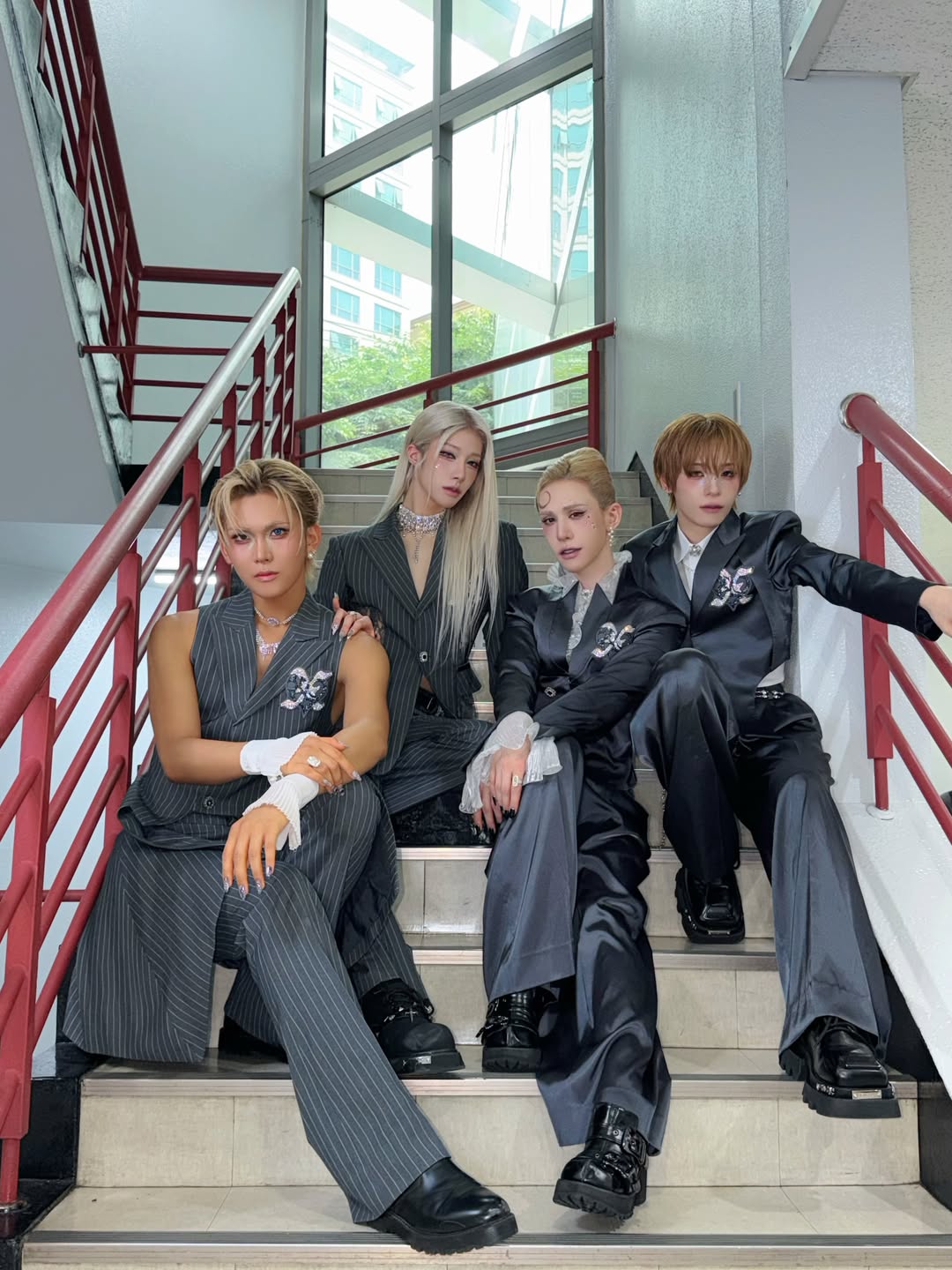
Rather than framing it as a sudden shift, BAIN pointed out something LGBTQ+ fans have known forever.
“When I see more artists speaking openly now, I don’t just see headlines or conversations; I feel like I’m watching people breathe differently.
Queer artists have always existed. These stories were always here. But what was often missing was the freedom to exist visibly without fear or apology. I think younger generations are beginning to witness possibilities that many of us didn’t grow up believing were available to us…”
That’s the thing about representation. It isn’t about creating LGBTQ+ artists out of thin air. It’s about finally letting people stop pretending they don’t exist.
BAIN Says K-Pop Still Has a Visibility Problem
While BAIN is optimistic about the future, he didn’t shy away from discussing the industry’s less glamorous side.
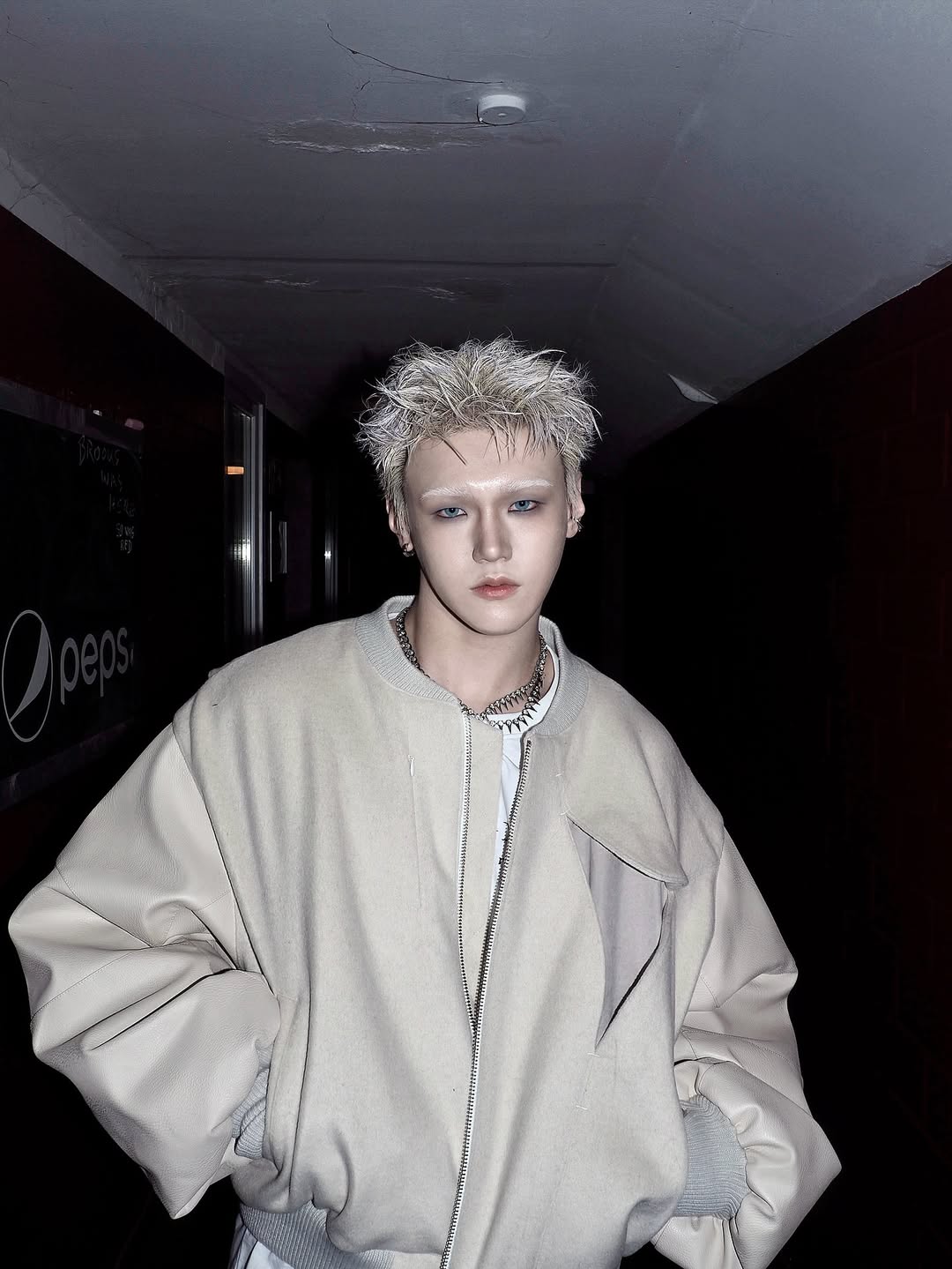
After coming out, he revealed that a Korean broadcast station invited him for an interview. He participated, answered every question, and completed filming. Then… nothing. The interview, as far as he knows, never aired. Instead of turning the experience into a grudge match, BAIN used it to highlight a contradiction that feels all too familiar.
“After I came out, a Korean broadcast station requested an interview. We answered every question sincerely and filmed everything they asked for. But I never heard what became of it. As far as I know, it was never aired, and that has stayed with me.
I don’t believe I am entitled to every platform, but the experience made me think about something larger: sometimes society celebrates queer courage in theory, but becomes quieter when that courage asks for real space. This tension says a lot about where we still are. But I don’t say that with resentment, rather with hope, because recognizing the silence is often the first step toward changing it.”
It’s the kind of observation that lands because it doesn’t come from anger. It comes from experience. Rainbow hashtags are nice. Airing the interview would’ve been nicer.
BAIN’s Story Is Bigger Than One Coming-Out Moment
BAIN’s story isn’t really about becoming someone new. It’s about finally retiring the version of himself that was written to make everyone else comfortable.
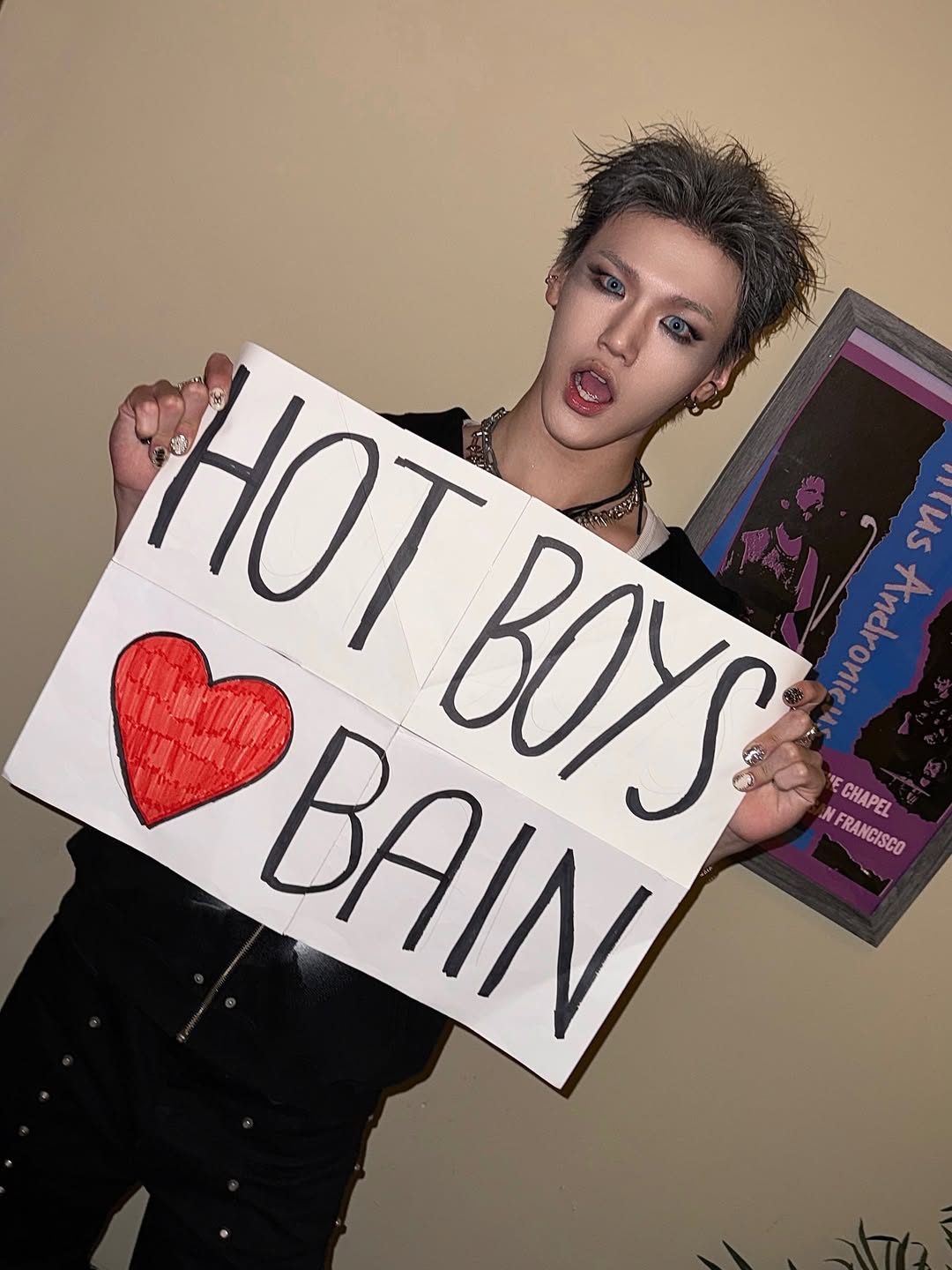
His interview also serves as a reminder that queer people in K-pop didn’t suddenly appear over the past year. They’ve always been part of the industry, creating music, dancing onstage, and chasing the same dreams as everyone else. What’s changing is that some of them are finally getting to do it without hiding.
For LGBTQ+ fans, that’s more than representation. It’s proof that authenticity can survive even in one of entertainment’s most carefully curated industries—and that K-pop can continue moving toward a future where artists don’t have to choose between their careers and being themselves.
Source: Koreaboo