

The Olympics have always been about pushing limits, but lately, they’re also becoming about something just as important: honesty, vulnerability, and showing up as your full self.
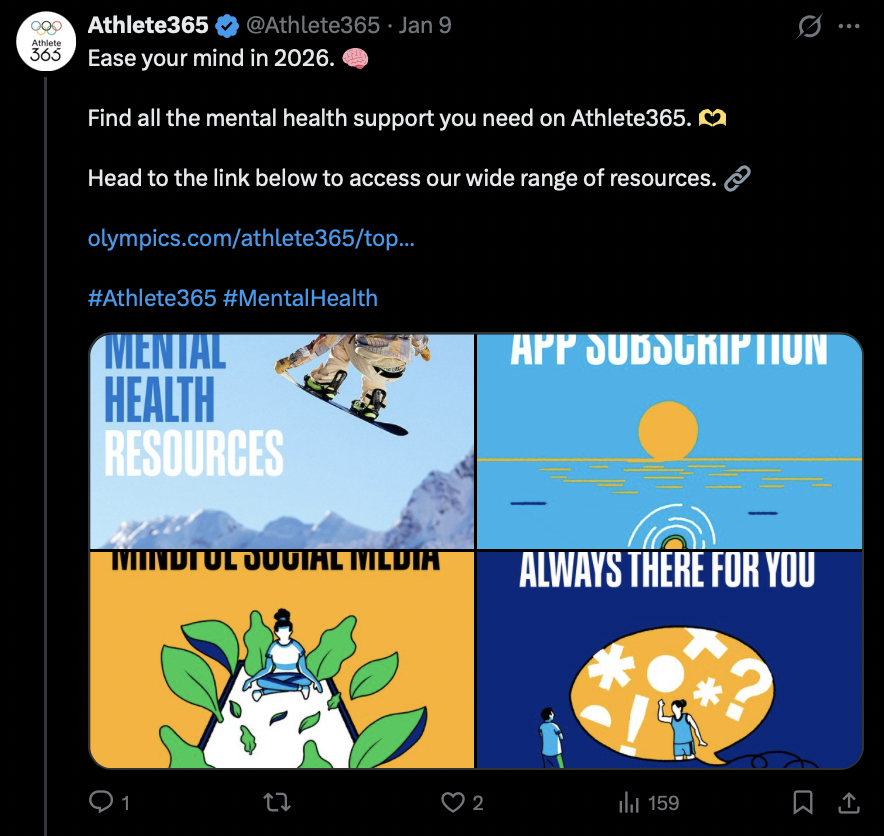
In a move that feels genuinely refreshing, the International Olympic Committee is spotlighting athlete voices through Athlete 365, a new mental health–focused initiative that encourages competitors to talk openly about what happens off the podium. And one of the standout stories making waves? A world-class curling star opening up about his “amazing experience” coming out as gay—and how it changed everything.
Suddenly, the Olympics aren’t just about medals. They’re about mental well-being, community, and making space for athletes to breathe.
RELATED: USA Men’s Bobsled Team Stripped Down for the Olympics
Athlete 365: A New Kind of Olympic Conversation
For decades, elite sports culture has rewarded toughness, silence, and pushing through at all costs. But Athlete 365 flips that narrative on its head.
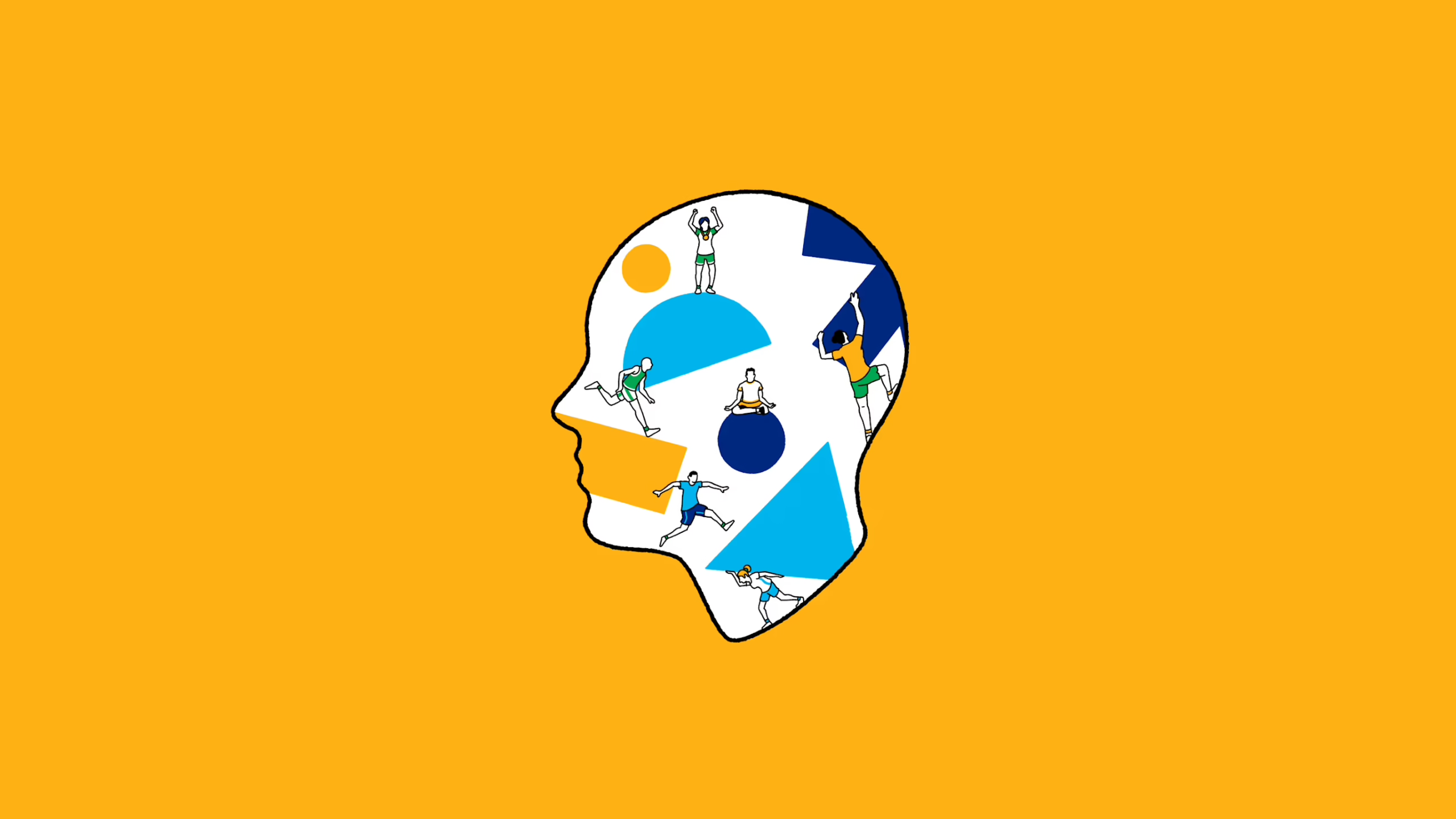
Under its #MentallyFit campaign, the platform reminds athletes that mental health deserves the same care as physical training. The initiative offers a mix of expert advice, practical tools, and—most importantly—real stories from athletes who’ve been there.
 Source: Olympics Official Website
Instead of pretending burnout, anxiety, or isolation don’t exist, the Olympics are now actively saying: let’s talk about it.
Athlete 365 covers everything from recognizing mental health warning signs to learning how to support teammates who might be struggling. It also explores topics athletes don’t often get guidance on, like transitioning out of competitive sport, building a support system beyond the locker room, and even navigating social media without letting it wreck your headspace.
It’s not preachy. It’s practical. And it feels long overdue.
View this post on Instagram
Curling, Coming Out, and Finding Freedom
Among the first stories featured is one that’s resonating deeply—especially with LGBTQ+ fans of the Olympics.
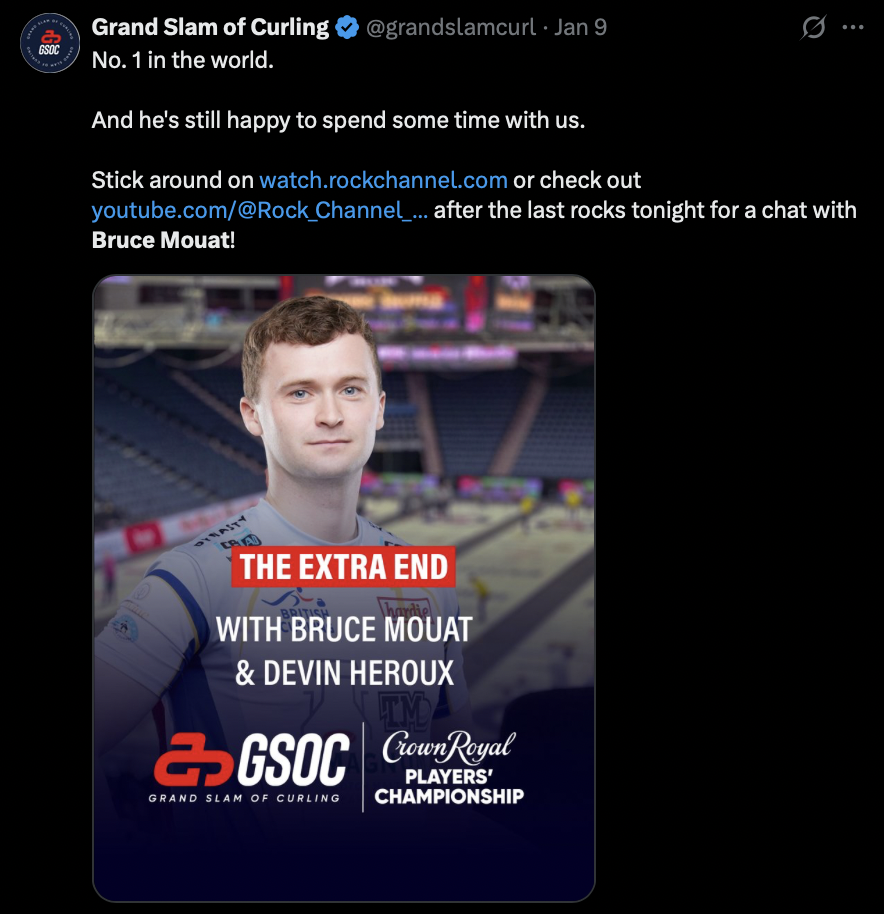
A celebrated curling champion, Bruce Mouat, shared on the Olympics’ official website how coming out as gay didn’t distract him from competition—it actually helped him thrive. By opening up to his teammates and letting go of the fear of hiding, he found himself performing better, feeling lighter, and enjoying the sport in a whole new way.
That kind of honesty matters, especially in winter sports and traditionally “quiet” disciplines where queer representation hasn’t always been visible. Curling may not scream rainbow energy at first glance, but this story proves that inclusion doesn’t have to be loud to be powerful.
For younger athletes watching the Olympics, especially those still figuring out who they are, seeing someone succeed after coming out sends a clear message: you don’t have to choose between excellence and authenticity.
“Just an absolute pistol.”
Bruce Mouat doing Bruce Mouat things! pic.twitter.com/dhPgn9sfUu
— Grand Slam of Curling (@grandslamcurl) January 7, 2026
Why This Moment Feels Different
The Olympics have featured out athletes before—but this feels like a shift, not just a spotlight moment.
By actively encouraging athletes to share stories tied to mental health, identity, and personal growth, the IOC is helping normalize conversations that were once whispered, if discussed at all. Athlete 365 doesn’t frame these experiences as obstacles—it treats them as part of the athlete journey.
And that’s huge.
Queer athletes, in particular, often carry extra emotional weight: fear of rejection, pressure to conform, or the isolation that comes with hiding. When the Olympics openly acknowledge that reality, it creates room for healing—not just winning.
Beyond the Ice: Supporting Athletes for Life
What makes this initiative stand out is that it looks beyond competition.
Athlete 365 also addresses what happens after the cheers fade. Many athletes struggle with identity loss, anxiety, or depression when transitioning out of elite sport. By providing resources and shared experiences, the Olympics are acknowledging that athletic careers don’t define a person’s entire worth.
There’s also guidance on building healthy support networks, asking for help without shame, and using social media mindfully—because yes, even Olympians doom-scroll.
It’s a reminder that strength doesn’t just come from training harder. Sometimes, it comes from opening up.
A Glass-Half-Full Olympics Era
Is the sports world suddenly perfect? Of course not. But this feels like a real step forward.
The Olympics embracing mental health advocacy—and amplifying queer athlete stories as part of that mission—signals progress that goes beyond rainbow branding. It shows an understanding that athletes are humans first.
And if one curler’s story can help even one young athlete feel less alone? That’s a victory worth celebrating.
As Athlete 365 continues to roll out more stories, one thing is clear: the future of the Olympics isn’t just faster, higher, or stronger—it’s kinder, braver, and more inclusive.
And honestly? We love to see it.
REFERENCE: Olympics