

If you’ve ever taken public transit in Austin, you know how chaotic, yet oddly familiar, and sometimes driven by hate, it can be. You get on, find a seat, and zone out. But what if the person sitting next to you decides that just you existing is reason enough to attack? That’s exactly what happened to one Austin resident back in June 2022, when George Johnson, 35, attacked another passenger on a city bus simply because he was gay. Johnson, who was armed with a box cutter, slapped the victim and yelled homophobic slurs, threatening to kill him. The whole thing was caught on the bus’s surveillance cameras—because of course it was.
RELATED: Grindr Stalker Uses App to Terrorize Man for 12 Months

Fast forward to today, and Johnson is now serving five years in prison for his crime. But while the legal system has delivered its verdict, the question remains: What does justice look like in a world where homophobia still fuels random violence like this?
The Brutality of Homophobia, Played Out on a Bus
Let’s be clear: this wasn’t just some random, senseless attack. The victim was targeted because of his sexual orientation. According to testimony from the trial, Johnson specifically lashed out because of who the victim loved. That’s the kind of thinking that needs to be uprooted. It’s not just an attack on one person—it’s a reminder of the bigotry still lurking in our everyday spaces. And it’s what makes these crimes so difficult to digest.

The bus footage showed Johnson not only threatening to cut the victim’s throat, but making derogatory comments that hit on every painful stereotype and insult LGBTQ+ people know all too well. Watching that video, it’s hard to ignore the chilling reality: this wasn’t about a random encounter, it was about hate.
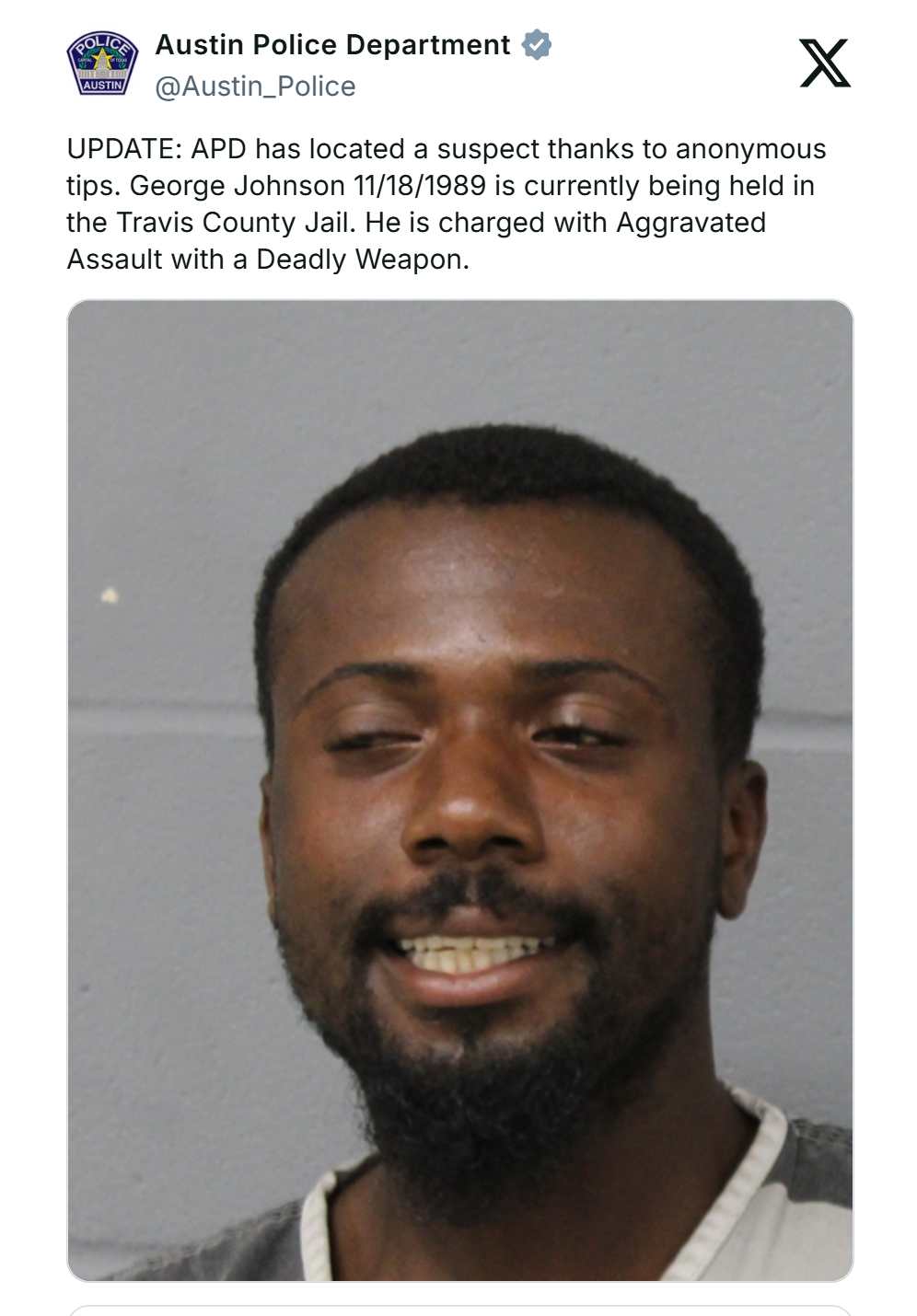
Johnson was convicted of two counts of aggravated assault with a deadly weapon, and because of the homophobic nature of the attack, it was classified as a hate crime. The jury didn’t just see an isolated outburst; they saw the underlying venom of someone who decided that another person deserved to be threatened and harmed simply because of their identity. It’s exactly this kind of hateful mindset that leads to bigger, more devastating acts of violence in our communities.
Five Years. Is That Enough?
Five years. That’s how long Johnson will serve. On the surface, it might feel like a decent enough sentence for a violent crime—especially one that was so directly tied to hate. But if we’re being real, five years feels almost small when you think about what this kind of trauma can do to a person, a community, a city. For the victim, the physical pain may fade, but the emotional and psychological damage can last a lifetime.
And even if we call it justice, it’s hard not to feel like this is more of a bare minimum response to something that should never happen in the first place. After all, this wasn’t some isolated incident. It’s part of a broader pattern of hate that continues to harm LGBTQ+ people in ways that we all-too-often dismiss or overlook.
DA José Garza was quick to remind everyone that the Travis County District Attorney’s office takes hate crimes seriously. “We do not tolerate acts of hate in our community,” he said, and the office’s stance against hate crimes in Austin is clear. But the question is: What’s the bigger picture? Sure, there’s accountability in a courtroom, but what about the everyday world where people still face the kind of casual, destructive discrimination that makes crimes like this more likely? Are we doing enough to prevent these things from happening in the first place?
What Does It Take to End Hate?
It’s tempting to see a conviction like this as a win. And in many ways, it is. But it’s not enough to simply punish bad behavior; we need to ask ourselves some tough questions. Why are incidents like this still happening? What makes someone think that it’s okay to target another person for being who they are? How do we fix the cultural rot that lets hate grow, sometimes undetected, until it erupts in violence?
For now, all we have is this one case, this one sentence, this one small victory in the larger fight for respect and safety for LGBTQ+ people. It sends a message: If you attack someone based on their sexual orientation, there are consequences. But as we know, the battle isn’t just about punishing the guilty—it’s about changing the culture that lets this kind of hate thrive in the first place.
So, while we can be relieved that justice was served for one victim, we also need to remember that the work isn’t over. As long as there are people who think it’s acceptable to dehumanize others based on who they love, we’ll continue to face moments like this. Let’s hope the next time, the outcome isn’t just a prison sentence, but a world where such hatred is inconceivable to begin with.
Source: Austin States Man and CBS