

Ah, Jussie Smollett. A name that elicits a symphony of emotions: disbelief, frustration, confusion, and maybe even a bit of schadenfreude. Whether you were a fan of Empire or simply following the dramatic twists of this real-life soap opera, one thing is undeniable: the case surrounding Jussie’s alleged hate crime hoax in 2019 has become a defining moment in the culture wars. And now, with Netflix’s The Truth About Jussie Smollett? Finally dropping on August 22, we’re invited once again to peer into the murky waters of this ongoing saga, this time with a dose of fresh context and new revelations.
RELATED: BREAKING: Jussie Smollett to be Released from Jail

Smollett’s story has always felt like a series of bad plot twists: from being attacked on a freezing Chicago night in January 2019 to being accused of staging the whole thing for publicity. The details were nothing short of cinematic: racist and homophobic slurs, a noose around his neck, bleach splashed across his clothes, and the infamous line, “This is MAGA country.” If it had been scripted, we’d have rolled our eyes and groaned at the absurdity. But it wasn’t scripted. Or so we were told.
RELATED: Jussie Smollett Speaks Out 5 Years After Assault & Hate Crime Claims
In the new documentary, Smollett pulls back the curtain on his feelings during the chaos. “I felt like I had died, and I was alive to see — and what people were saying was so kind, but it was too much for me,” he reflects in the doc. “It made me very uncomfortable. It made me extremely embarrassed. It made me feel extremely emasculated.” It’s easy to forget that behind the headlines, Smollett was, at one point, just a guy trying to live his life in the public eye—only to find it suddenly, and violently, dissected. So, if we’re being honest, does the emotional fallout he describes sound like the reaction of someone faking an attack for attention? Or someone caught in an absolutely terrifying crossfire of their own making?
For many, the concept of fame and victimhood became tangled in ways that blurred lines and split opinions. If Smollett was a victim, then who exactly was the perpetrator? Was it the two brothers, Bola and Ola Osundairo, who initially helped Smollett in what police later alleged was a carefully orchestrated hoax? Or was it the media, which, as Smollett himself says in the documentary, made him the poster child of a narrative before the facts were even in?
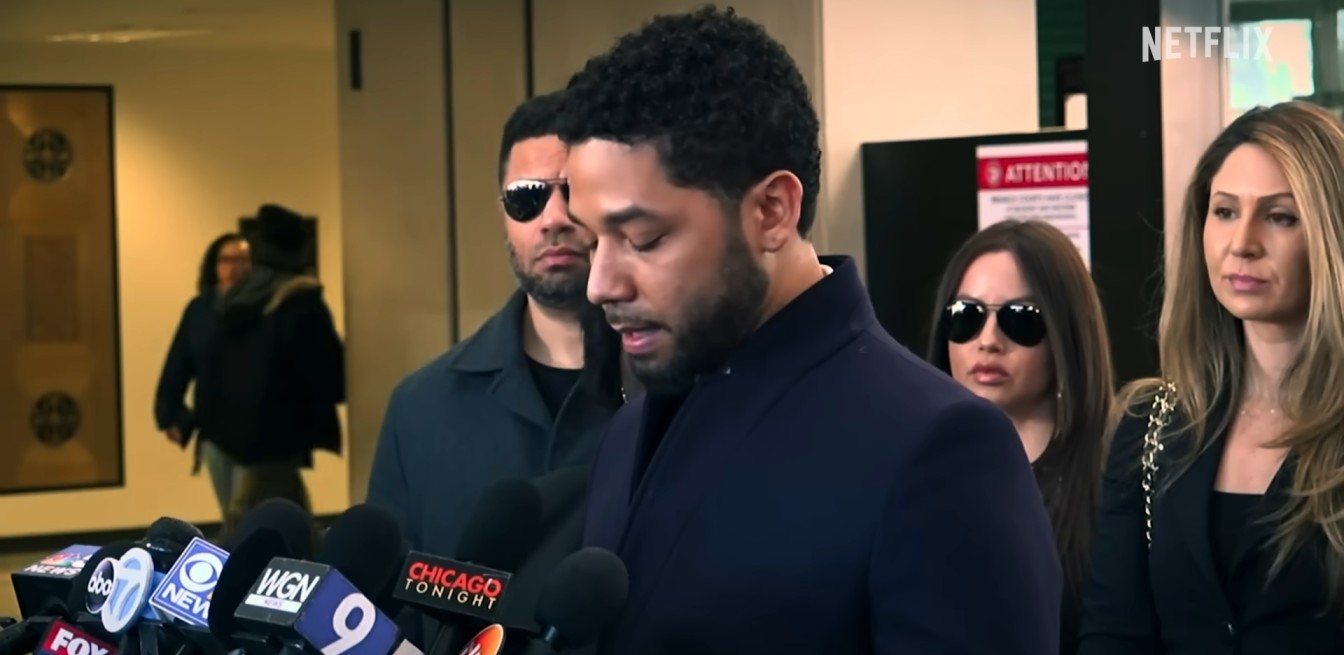
Bola Osundairo, one of the key figures in the case, points to Smollett’s motivations. “I believe he wanted to be the poster boy of activism for Black people, for gay people, for marginalized people,” Bola says. “I thought it was crazy, but at the same time, I’m like, ‘It’s Hollywood.’ This is how it goes.” In other words, Smollett might have wanted to be seen as a martyr—a hero fighting the good fight. But in the world of fame, does wanting to be a symbol of something mean that it’s okay to fake your way into that position?
Let’s be real. The back-and-forth is dizzying. Smollett continues to vehemently deny the charges, insisting he was the real victim of a hate crime. His defenders, like him, point to discrepancies in the police investigation and questions about the Osundairo brothers’ role in the whole mess. To be fair, the Chicago Police Department hasn’t exactly earned a trust medal in the past, with multiple instances of mishandling high-profile cases, including the infamous Laquan McDonald shooting. So, maybe the whole situation isn’t as black-and-white as some would like it to be.
In the doc, we get a glimpse behind the scenes, including the infamous footage of the Osundairo brothers making a deal with the police. It’s enough to make your head spin. “To my eyes, that’s when the brothers broker a deal,” says producer Abigail Carr, reflecting on a conversation where they seem to be angling for a better outcome from law enforcement. And, of course, as with any conspiracy theory worth its salt, there are those who believe the fix was in all along. Could the city’s power players, who also happened to have connections in Hollywood, have orchestrated the whole thing to leverage Smollett’s fame for their own gain?
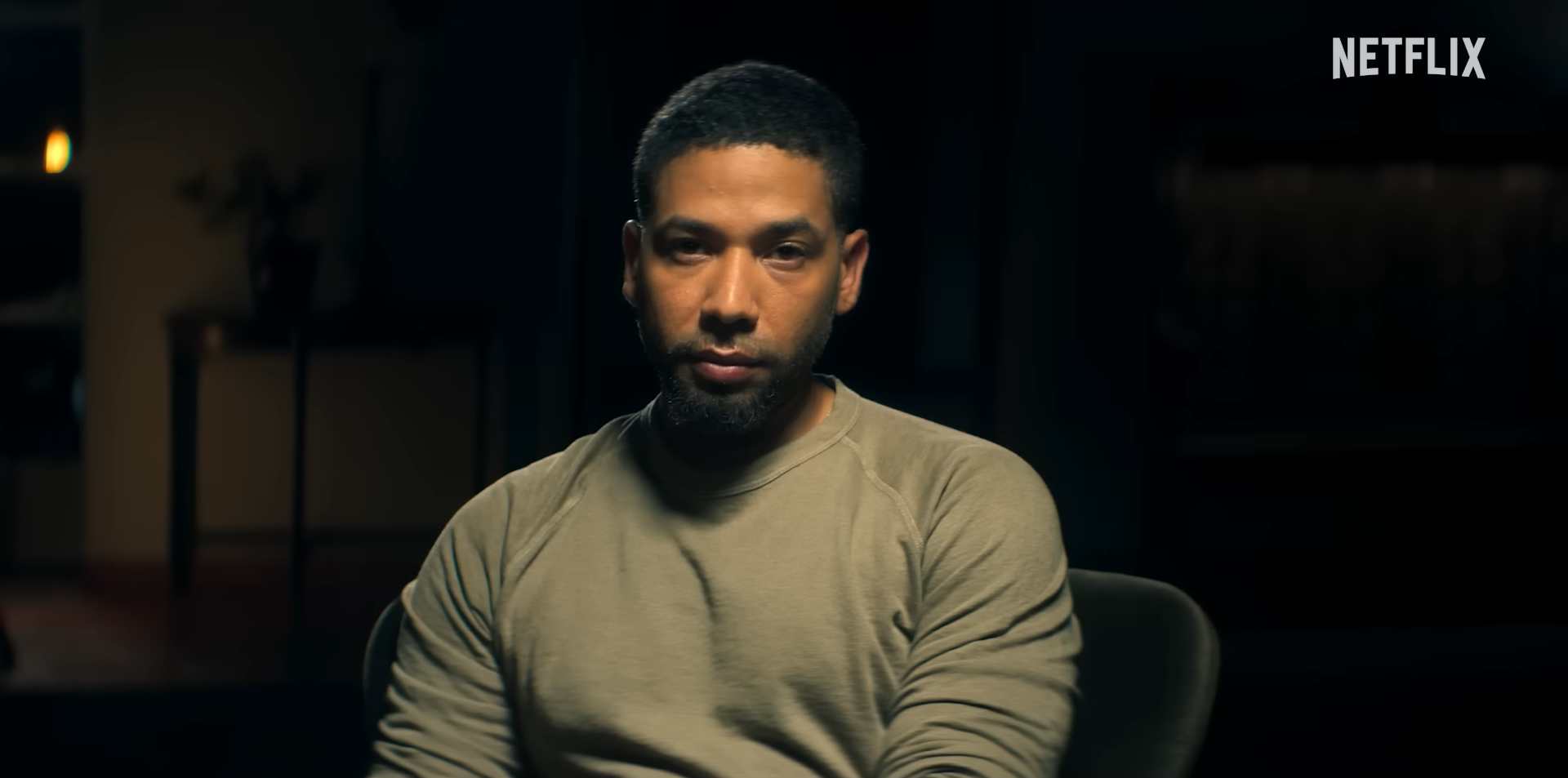
Then there’s Smollett himself. Ever since the trial, the public’s perception of him has swung between sympathy and scorn. In The Truth About Jussie Smollett?, he defends his actions, but his tone is less about proving innocence than about reclaiming dignity. “I was defending myself against bullshit,” he says candidly. Which, if you’ve been following the narrative, is almost a mood. Who hasn’t felt like they’re fighting a mountain of lies and misinformation at some point? The problem, of course, is that Smollett’s story became a lightning rod for everyone’s deeply ingrained views on race, celebrity, and victimhood, turning him into a modern-day Rorschach test. Whether you see him as a victim of circumstance or a master manipulator may say more about you than it does about him.

What we do know for certain is this: it’s a messy, murky situation. The Truth About Jussie Smollett? doesn’t offer any easy answers but invites the viewer to reconsider the nature of truth itself. The film doesn’t even answer the big question: Did Jussie Smollett stage the attack? In fact, the more you watch, the more the case feels like a metaphysical puzzle. What does it mean when two competing realities—his and theirs—exist side by side, each convinced it holds the key to the truth?
In the end, The Truth About Jussie Smollett? does what the media should have done from the very start: it brings nuance to a conversation that has been ruled by extremes. Smollett isn’t just a symbol of one side of the culture wars, and neither are the police or the Osundairo brothers. They’re all caught in a complex web that makes it hard to simply pick a side.
Smollett himself sums it up well: “What is important, regardless of what you think about me… the fact is I didn’t do that. That’s all that matters.” And yet, here we are—still debating it all, still dissecting the drama, still left wondering who, if anyone, is truly in the right.
So, if nothing else, the Truth About Jussie Smollett? will leave you with a lot more to chew on than just “Did he or didn’t he?” It’s about truth, perception, and the way we treat both in a world that thrives on the next viral scandal.
And hey, as long as the world’s still talking about it, Jussie’s not totally forgotten. Whether that’s a win or a loss is entirely up to you.
Source: People, Independent, and The Guardian