

In a country where LGBTQ+ rights are often ignored or violated, a Kenyan court has upheld justice by delivering a rare victory for the queer community. Two men have been sentenced to 15 years in prison for attacking and robbing two gay men in Nairobi—proving that even in the face of hostile laws, justice can sometimes break through.
RELATED: Cyberstalker Sentenced for Terrorizing Gay Men
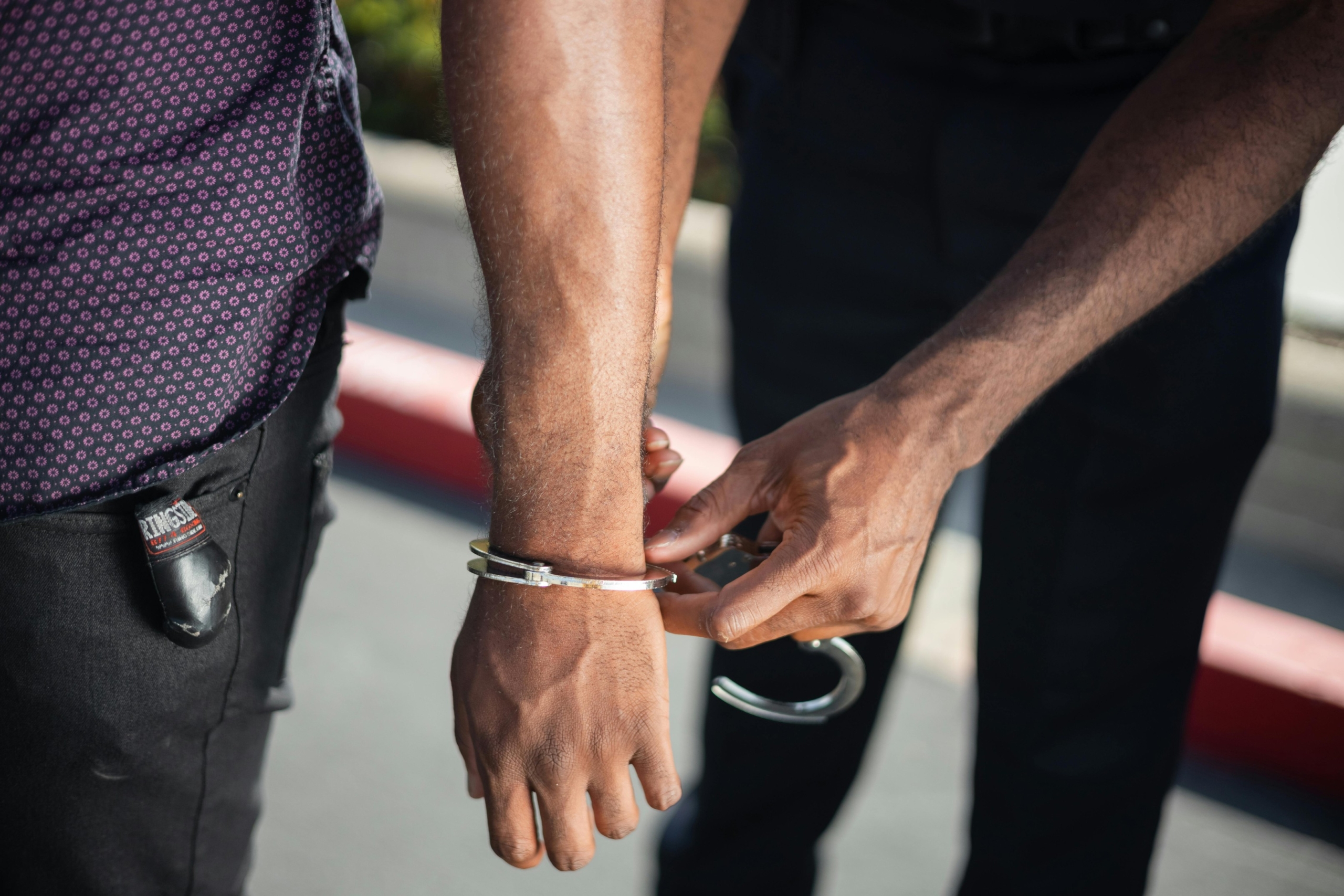
The two perpetrators, identified only as “Abel Meli & Another,” were convicted of robbery with violence after a brutal attack in April 2023. Eric Anyango and Joe Ochieng had arranged to meet a man they’d been chatting with on Facebook, but what was supposed to be a casual hangout quickly escalated into an hours-long nightmare.
RELATED: Grindr’s Dark Side: The Killer Who Turned Dates Into Death
From Flirting to Fighting: A Date Turned Horror Show
What was meant to be an innocent meet-up took a dangerous turn when three men burst into the apartment shortly after Anyango and Ochieng arrived. The two were slapped, kicked, and beaten for hours. Their phones, wallets, and clothes were stolen, and they were forced to call friends and family to transfer money to the attackers. As if that wasn’t enough, Anyango recalls the chilling moment one of the men pulled a knife and threatened him with death: “If you don’t cooperate now, I will stab you and throw you out the window.”
In the end, they were forced to transfer 100,000 Kenyan shillings (roughly £576) to their attackers before they were let go. Not exactly a “meet-cute,” but at least they survived.
The Legal Landscape: A Precarious Place for Queer Kenyans
Kenya, like many African countries, criminalizes same-sex relations, with penalties of up to 14 years in prison. Because of this, LGBTQ+ individuals often keep their sexuality a secret, living in constant fear of exposure, violence, and rejection. Many cases of violence, blackmail, and extortion go unreported, as victims fear being outed or incriminated.
Yet, despite this overwhelming climate of hostility, Anyango and Ochieng found the courage to report the crime. After hearing about Ishtar, a Nairobi-based organization dedicated to advocating for the rights of men who have sex with men, they made their way to the police with the help of a paralegal from the group.
Their bravery led to the arrest of two of their attackers—an outcome that doesn’t happen often in a country where homophobia is rampant and LGBTQ+ rights are under constant threat.
A Victory for Justice, and a Message of Hope
The conviction of Meli and his accomplice may be a small victory in the grand scheme of things, but it is still a powerful statement: justice can be served, even in the most challenging of environments. Njeri Gateru, executive director of the National Gay and Lesbian Human Rights Commission, put it perfectly: “A lot is going against [the queer community] with the existence of the criminal laws and prevailing homophobic attitudes, but some of us still trust that we can find justice.”
Kenya may still criminalize homosexuality, but this ruling sends a signal that even in a landscape that’s often hostile to queer people, the law can still deliver justice. This case could be the first crack in a much-needed shift toward more fair and just treatment for Kenya’s LGBTQ+ community.
Not Over Yet: A Warning to Criminal Gangs
Though this conviction is a beacon of hope, the fight for justice is far from over. The queer community in Kenya faces constant threats, including blackmail and violence. As Gateru pointed out, the perpetrators of this crime were part of a larger criminal gang that targets gay men, sometimes with the involvement of corrupt law enforcement officers.
“We’ve had cases where these two men were arrested for other crimes and later released,” Gateru said. “This case can now serve as a deterrent to other gang members who have seen that the law has finally caught up.”

Unfortunately, it’s not uncommon for cases involving LGBTQ+ victims to be thrown out, often because of the widespread discrimination against queer individuals in police stations and courtrooms. Still, this case proves that perseverance and the support of advocacy groups can make a difference.
A Shining Example of Resilience
Anyango and Ochieng may have endured physical and emotional trauma, but they’re speaking out to encourage others to report crimes and stand up for their rights. “If you have been blackmailed, don’t be afraid,” Anyango says. “There is justice, go to the police station. No one has the right to abuse you or do anything.”
Their resilience is nothing short of inspiring, and their story offers hope to others who might feel trapped in fear and silence. And while the pain from the attack will never fully disappear, Anyango and Ochieng’s bravery is helping to light the way for future victims of violence.
Conclusion: A Glimmer of Hope in a Difficult Place
This ruling may be just one case in the larger struggle for LGBTQ+ rights in Kenya, but it’s a significant one. The conviction of Abel Meli and his accomplice offers hope to those who believe that justice is out of reach. It’s a reminder that even in a society that may seem overwhelmingly hostile, the law can still serve as a tool for change.
SUGGESTED: Infatuated AI Review: The Virtual Boyfriend App Changing Gay Dating
So while we know the road ahead for LGBTQ+ Kenyans will be tough, it’s comforting to know that sometimes, justice does prevail. And who knows? This case could inspire the next wave of queer activists to push for even greater change in the future.
Source: The Guardian