

When your life once involved partying with Boyzone and belting out Top 40 bangers, you wouldn’t expect it to end with smoking crack in a Hackney skip with a stranger you handed your bank card to. But for 90s pop star Kavana—real name Anthony Kavanagh—that was a Tuesday.
RELATED: Dawson’s Creek’s Groundbreaking Queer Moments
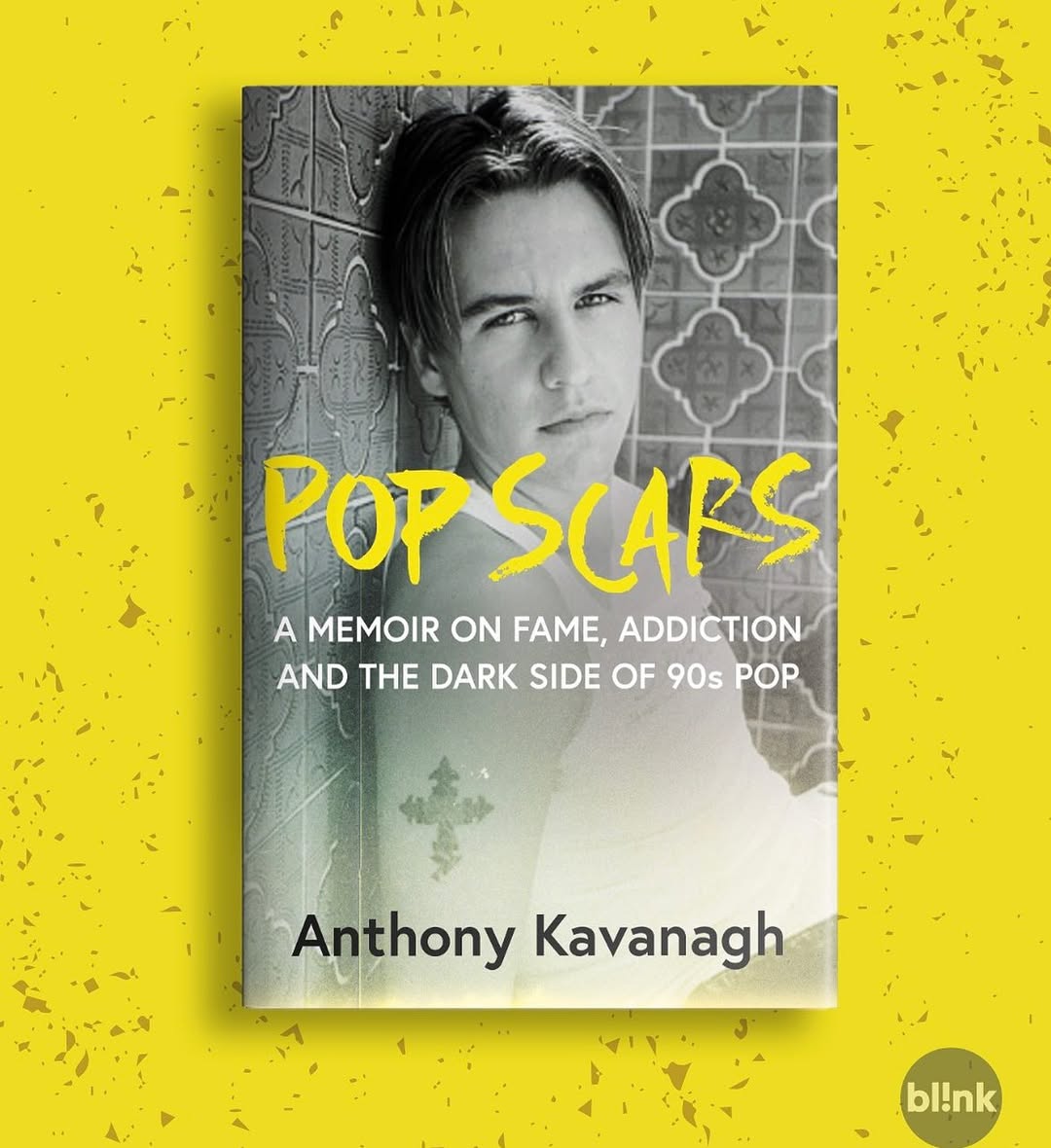
In his unflinching memoir Pop Scars, out July 17, the former teen idol does more than spill tea—he turns the whole kettle upside down. It’s raw, gay, and gorgeously messy in that very British way that makes you want to hug him and hand him a proper cuppa.
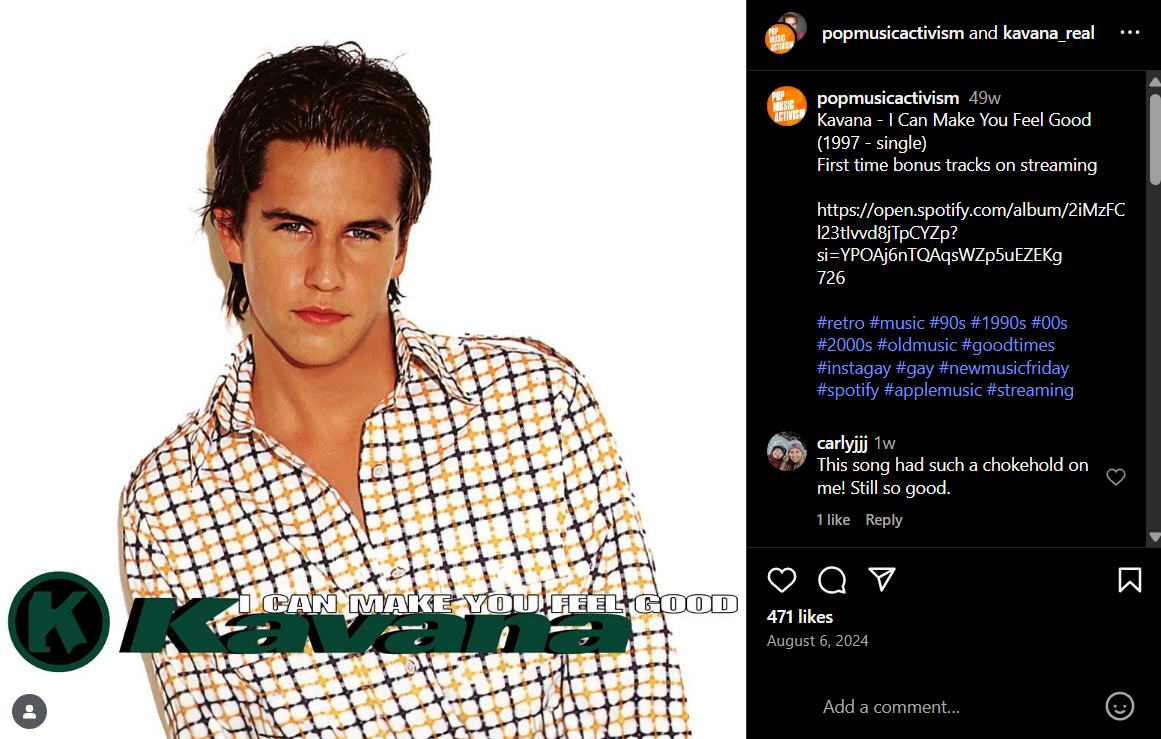
Kavana’s rise was meteoric. At just 16, he was signed to a major label and became the voice behind hits like I Can Make You Feel Good and Special Kind of Something, performing to screaming teenage girls and touring with the likes of Boyzone. Behind the scenes, though, the shiny pop façade masked a storm of identity, addiction, and survival.
“It was difficult and that’s where alcohol came in as a comfort,” he told The Guardian. “It was a constant act and it was exhausting.” He was a closeted gay man in a pop machine that demanded he be every girl’s dreamboat. No space for softness, no space for truth.
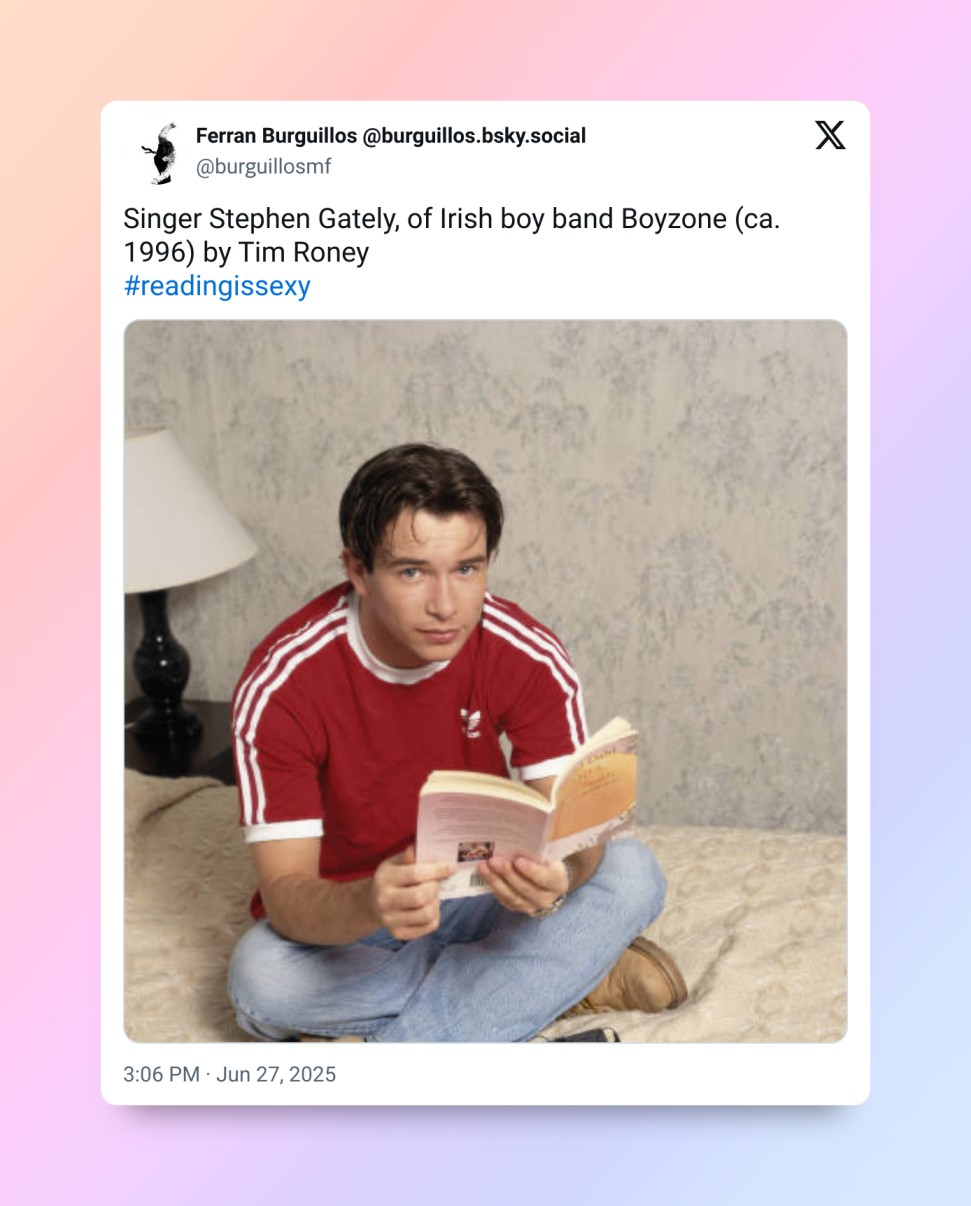
And yes—he was secretly dating Boyzone’s Stephen Gately during one of their tours. The two closeted heartthrobs navigating fame and fear together? If there’s a gay rom-com waiting to be written, it starts right there. Tragically, Stephen Gately passed away in 2009 from an undiagnosed heart condition, a loss that rocked the pop world and left Kavana grappling with grief in an already tumultuous time.
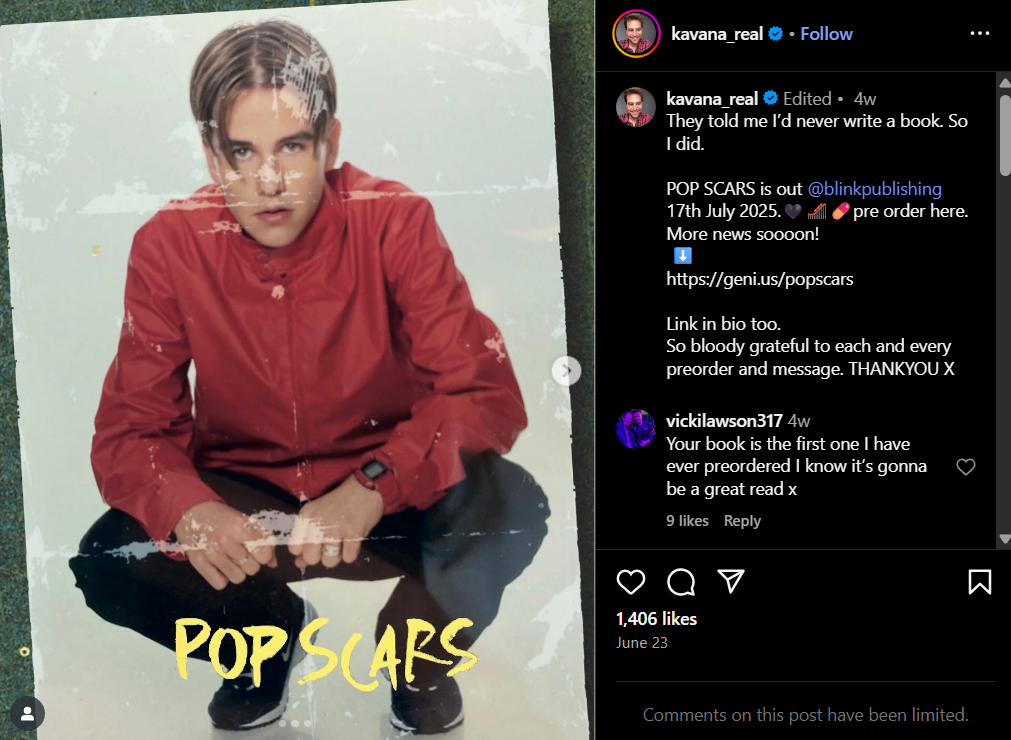
But when the record deals dried up and the label dropped him, the spiral began. America didn’t bite, and Kavana found himself alone, adrift, and increasingly dependent on booze and crystal meth. “Loose cannon” doesn’t quite cut it—he recounts waking up in a stranger’s flat, realising he’d been paid for sex he didn’t remember. He smoked crack in a skip with a homeless woman and trusted her to run his card for more drugs—then quipped: “You should never give a stranger your pin code while high.”
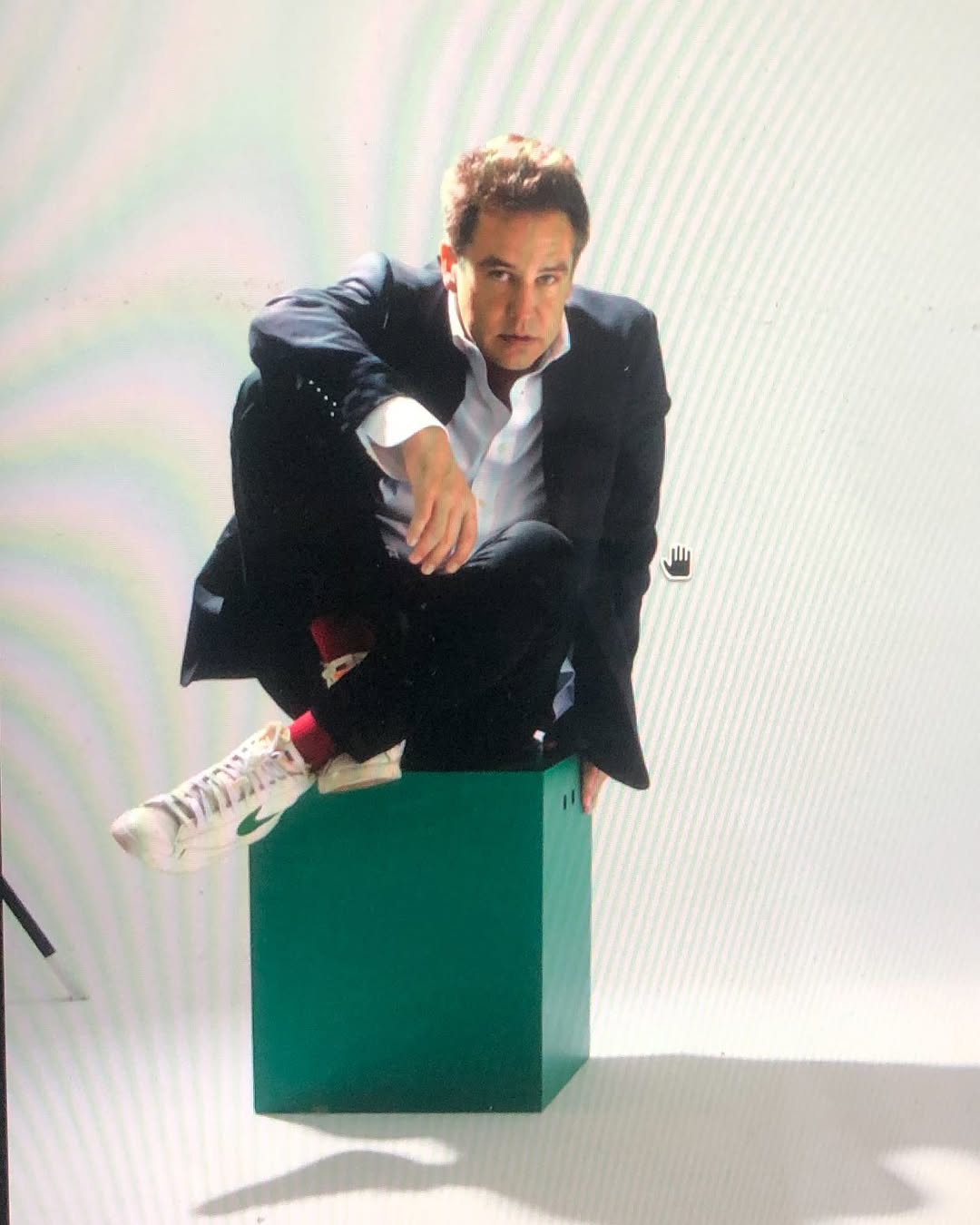
It’s dark, but Kavana’s voice isn’t just confessional—it’s brutally self-aware, often wickedly funny, and deeply human. He knows the absurdity of it. He owns it.
There’s shame too. After losing everything—including his parents’ home—he moved into a sheltered housing complex with his mum. He watched former peers like Ant & Dec and Billie Piper reinvent themselves into national treasures while he sank deeper into invisibility. “Shame” and “regret” became recurring themes. And still, the gay kid inside him just wanted to be seen.
He partied with Amy Winehouse, another soul whose brilliance masked brokenness. And by 2022, Kavana hit yet another bottom—publicly announcing on Twitter: “Today I go into rehab. Again. This illness of Alcoholism has got its grip. I’ll be off social media for a while.” The message was raw and heartbreaking, directed to his family with love and remorse.
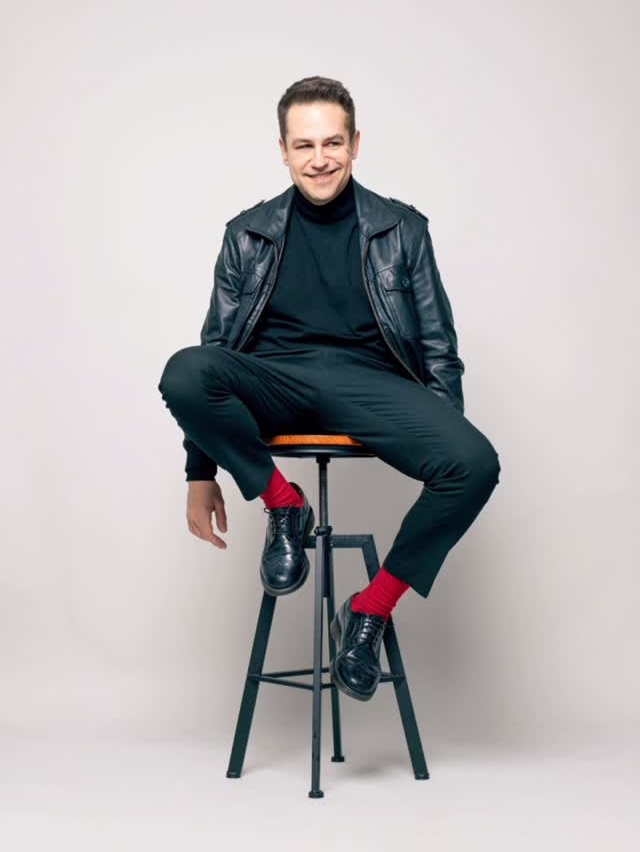
But here’s the silver lining: three and a half years sober, Kavana wrote Pop Scars in his first year of sobriety—using the memoir as both catharsis and cautionary tale. A way to process, yes, but also a queer reclaiming of a life lived in hiding. He’s no longer pretending, no longer performing for the crowd. “We didn’t talk about it back then,” he says of being out and honest. Now? He’s talking.
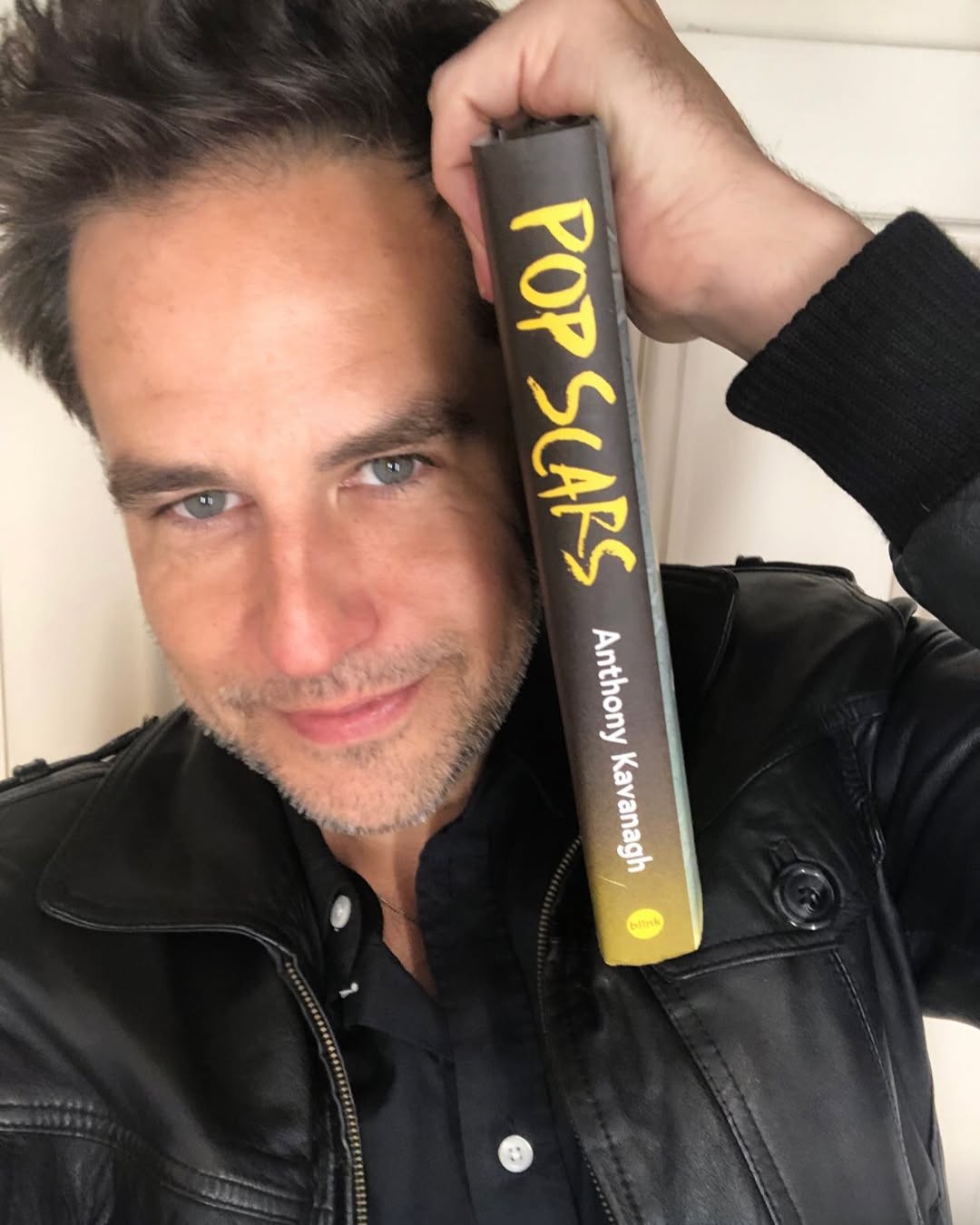
So what does Pop Scars give us? Honesty. Sadness. Laughter. Cocaine, crack, closeted tour hookups. But most importantly, it gives us a man who is finally unafraid to be who he is—flaws, scars, glitter and all.
For every gay kid who danced in their room to Special Kind of Something, for every queer person who buried parts of themselves to fit in, Kavana’s story isn’t just a tabloid headline—it’s a liberation.
And honestly? We’re rooting for him.
OMG I had such a crush on him when I was a young closet gay. Had no idea he’s gay until I saw this article.