


If anyone was wondering whether LGBTQ+ people were ready to make their voices heard in politics, the 2026 midterm elections have delivered quite the answer. From historic firsts in state legislatures to a groundbreaking congressional victory, queer candidates and their allies scored major wins across the United States. And yes, we’re calling it a Rainbow Wave.
Among the biggest stories are Joanna Whaley and Janelle Sarauw, two women whose victories are opening doors that have remained closed for far too long.
Joanna Whaley Makes Michigan History
Democrat Joanna Whaley has won Michigan’s 2nd House District, becoming the first openly transgender woman elected to the Michigan Legislature.
Representing Allen Park, Lincoln Park, Melvindale, and part of Southgate, Whaley secured approximately 62.5% of the vote against Republican opponent Ron Kokinda.
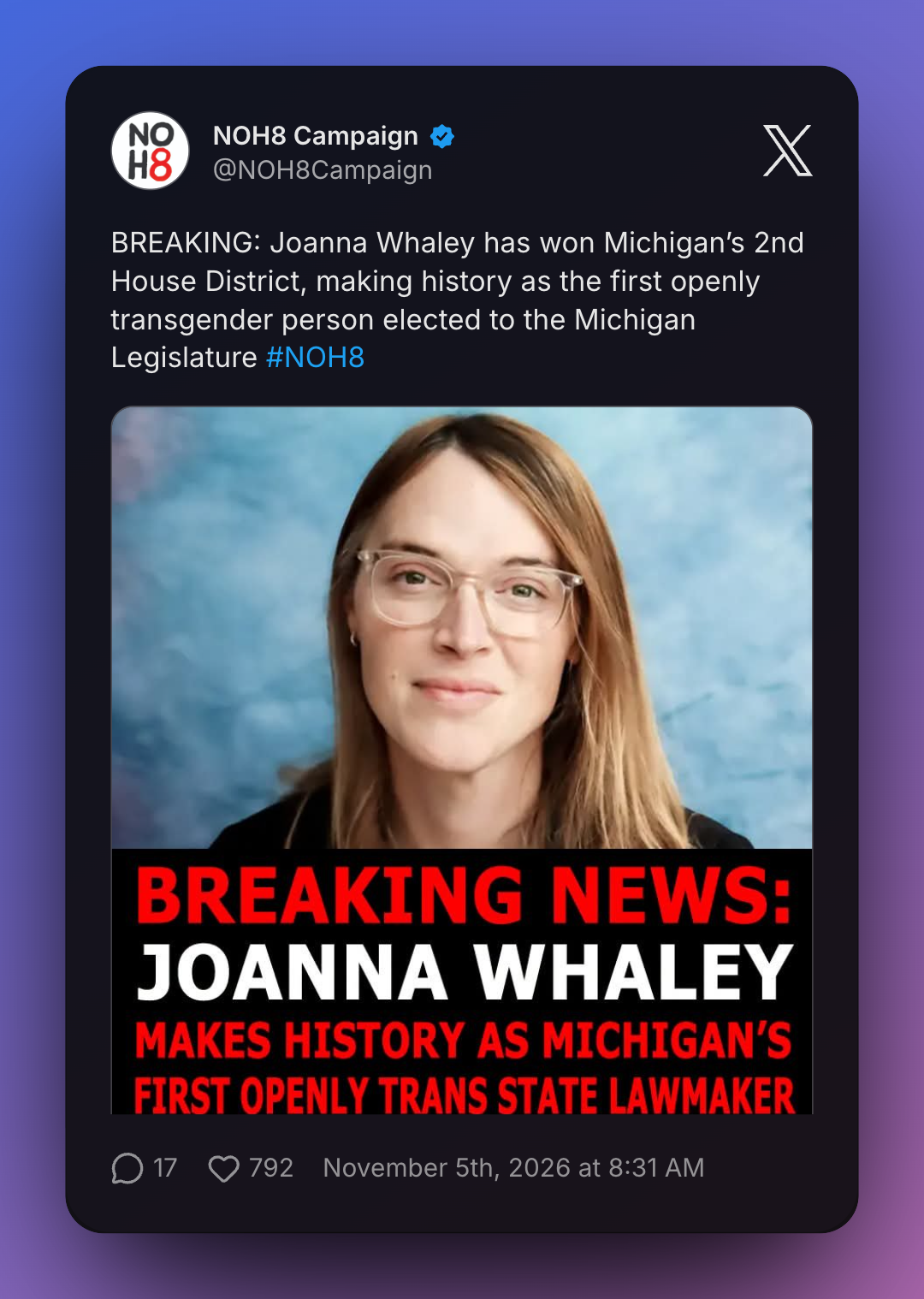
Following her victory, Whaley shared a message on social media that made one thing clear: her campaign was about more than her identity.
“We didn’t vote for history, but we made it last night,” she said. “You didn’t vote for who I am, but what I will do in our community.”
She also addressed attempts to make her gender identity the central focus of the campaign, adding, “While some tried to make me the story, you never lost the point.”
READ: They Said They’d Bare All If The Blue Wave Came Through. A Promise Is A Promise!
Janelle Sarauw Is Taking Her Advocacy to Congress
Meanwhile, the U.S. Virgin Islands has its own history-maker.
Former three-term territorial senator Janelle Sarauw has won the election to become the first openly LGBTQ+ person elected to represent the U.S. Virgin Islands in Congress.
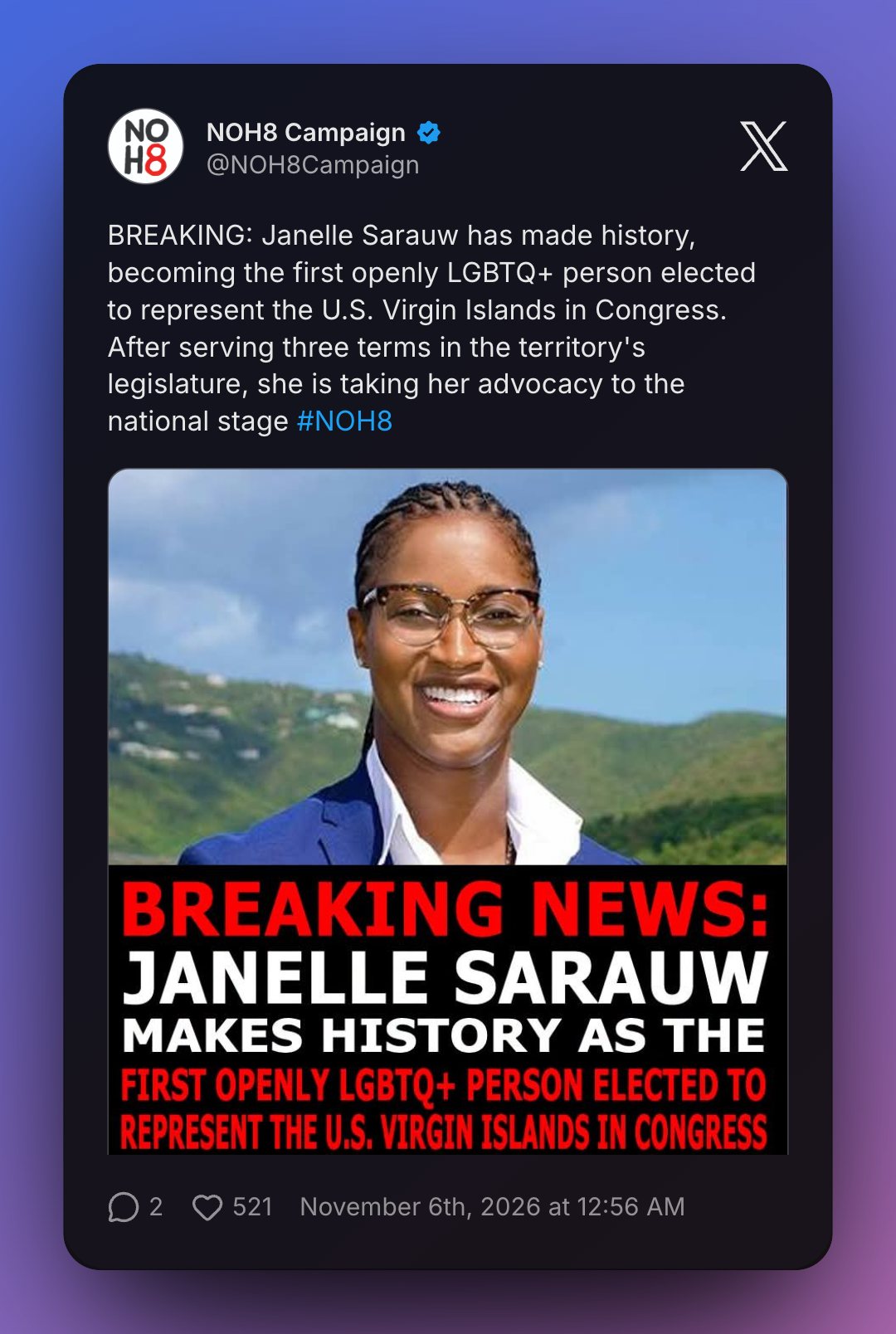
Sarauw secured approximately 77% of the vote, defeating independent candidate Shelley A.H. Moorhead. Her victory follows years of public service in the territory’s legislature, where she advocated for healthcare, education, consumer protection, and government transparency.
She will serve as the territory’s nonvoting delegate in the U.S. House of Representatives, beginning in January 2027. Although she cannot vote on final House legislation, she can introduce bills, participate in committees, and advocate for the territory’s interests.
The Rainbow Wave Doesn’t Stop There
Whaley and Sarauw weren’t the only ones making headlines.
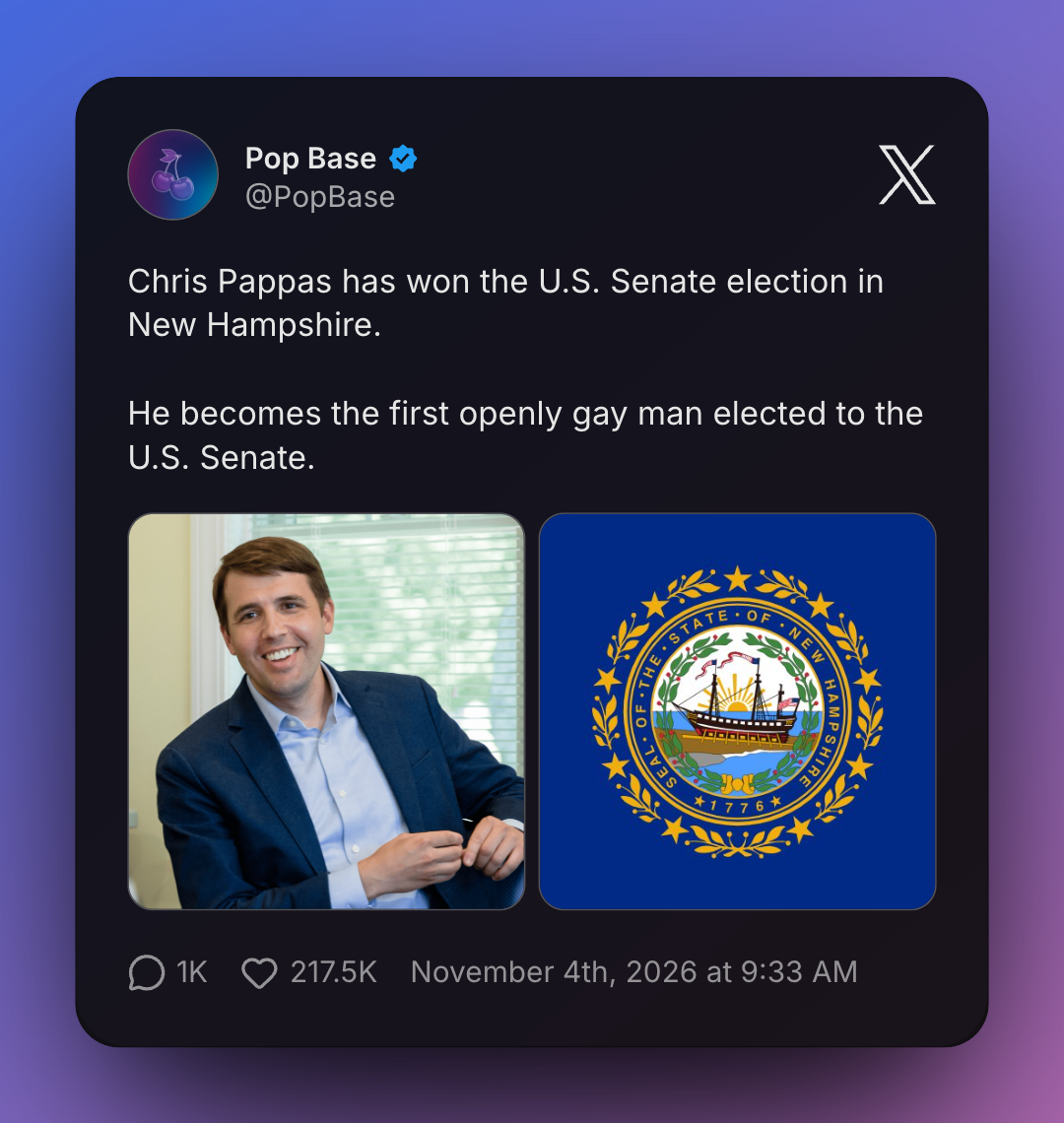
The Advocate and GLAAD have highlighted a wave of LGBTQ+ electoral victories, including Chris Pappas, who became the first openly gay man elected to the U.S. Senate after winning New Hampshire’s Senate race.
Indiana also elected J.D. Ford as its first openly gay member of Congress, while Michigan’s Jeremy Moss became the state’s first openly gay congressman.
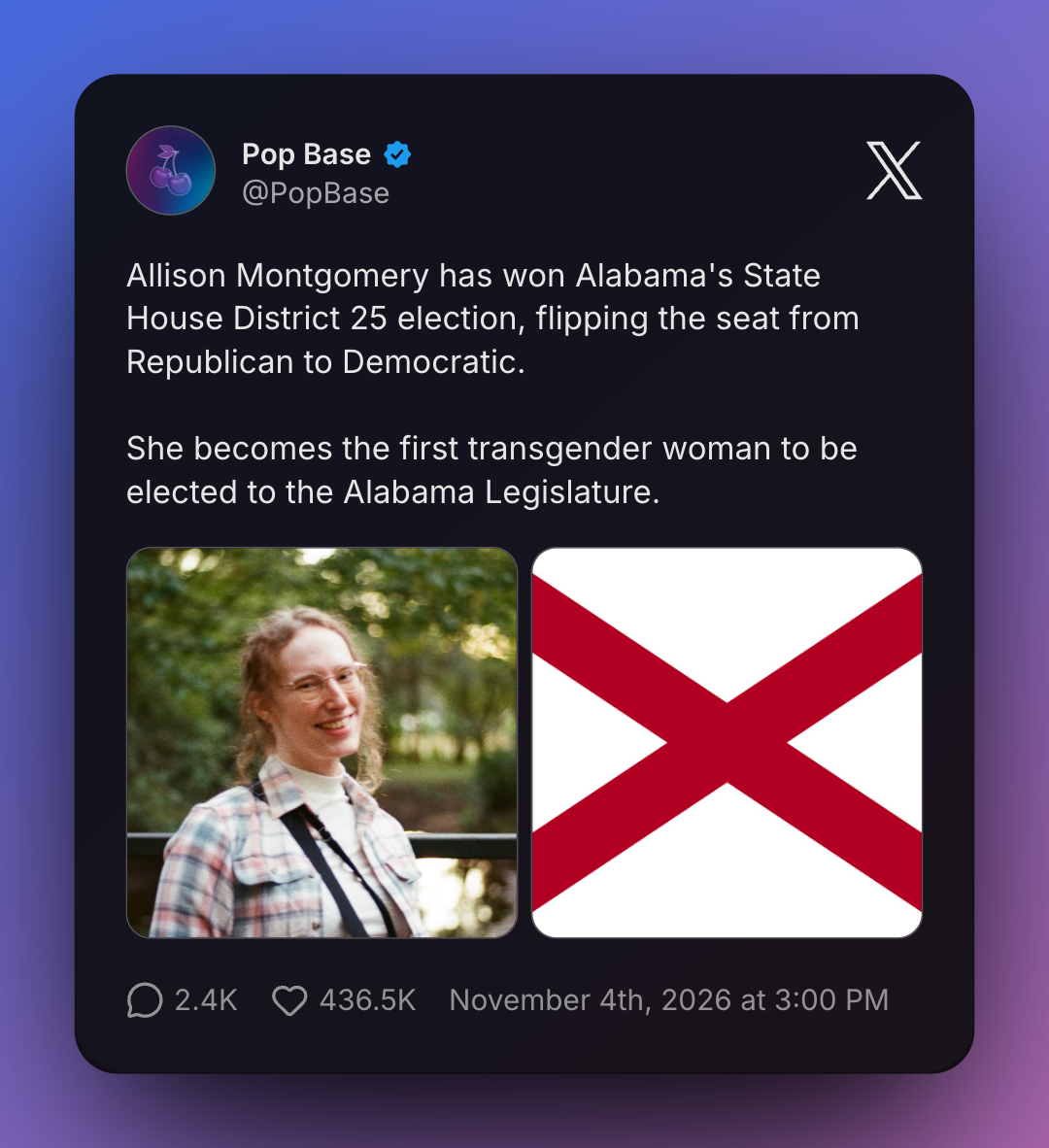
Other LGBTQ+ winners and returning representatives include Sarah McBride, Becca Balint, Sharice Davids, Robert Garcia, Mark Pocan, Emily Randall, Eric Sorensen, Mark Takano, Ritchie Torres, Allison Montgomery, JoAnna Mendoza, and Marni von Wilpert.
Governors Maura Healey of Massachusetts and Tina Kotek of Oregon also secured reelection.
Meanwhile, Democratic victories extended beyond LGBTQ+ candidates. James Talarico won Texas’ Senate race, while Abdul El-Sayed won Michigan’s, becoming the first Muslim elected to the U.S. Senate.
READ: US Senate Got A Little Gayer Thanks to New Hampshire
Meanwhile, Gavin Newsom Makes a Historic Move
Another major political development came from California Governor Gavin Newsom, who announced plans to commute the death sentences of all 548 people on California’s death row to life imprisonment without the possibility of parole.
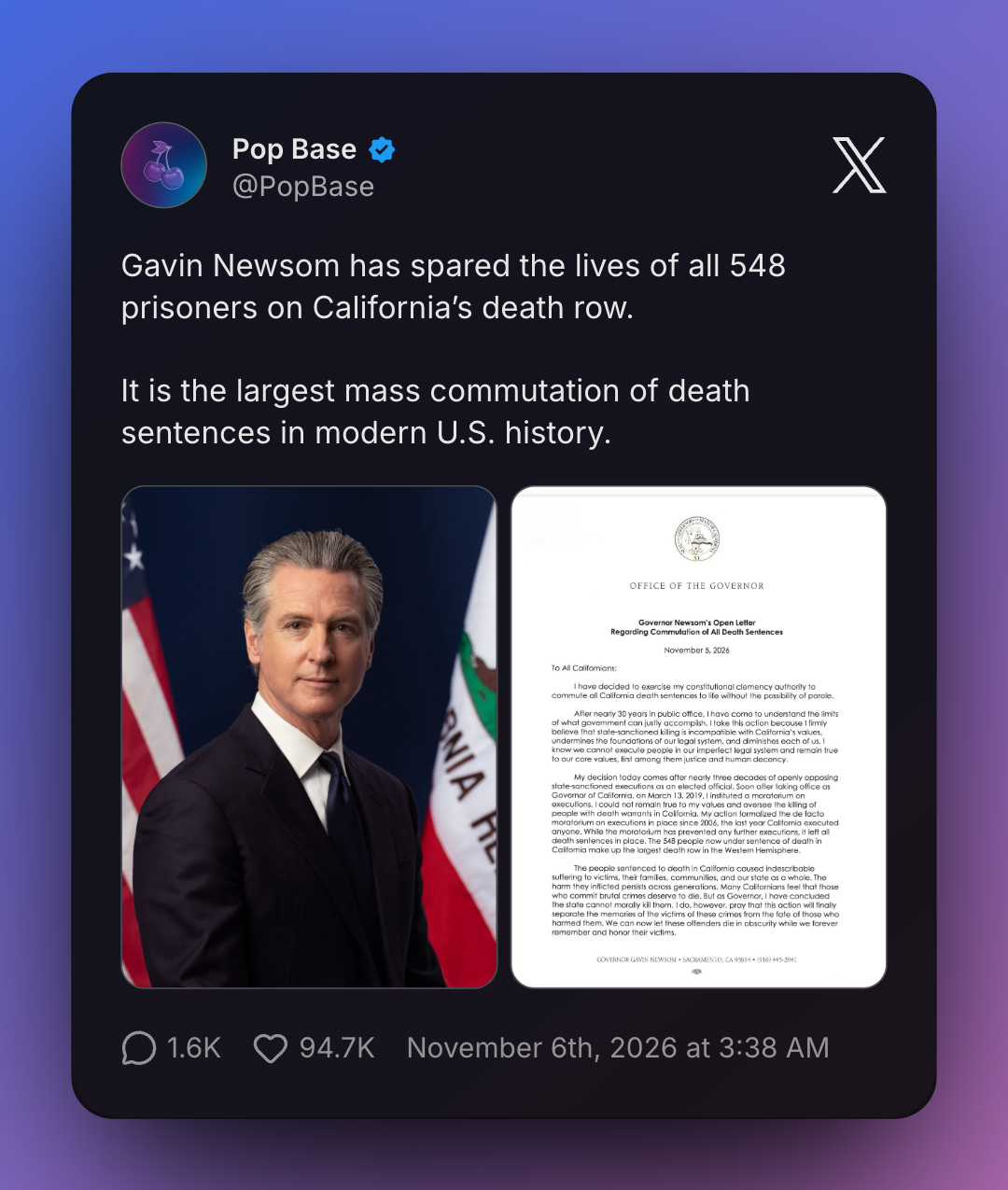
The decision would mark the largest mass commutation of death sentences in modern U.S. history. However, the California Supreme Court must approve clemency in hundreds of cases involving prisoners with multiple felony convictions.
Newsom, who has long opposed capital punishment, previously imposed a moratorium on executions in 2019. California has not executed anyone since 2006.
His announcement also arrives as speculation continues about a possible 2028 presidential campaign.
Representation Is Part of the Bigger Picture
From transgender trailblazers to openly gay lawmakers and allies entering positions of influence, the 2026 elections have brought some significant changes to American politics.
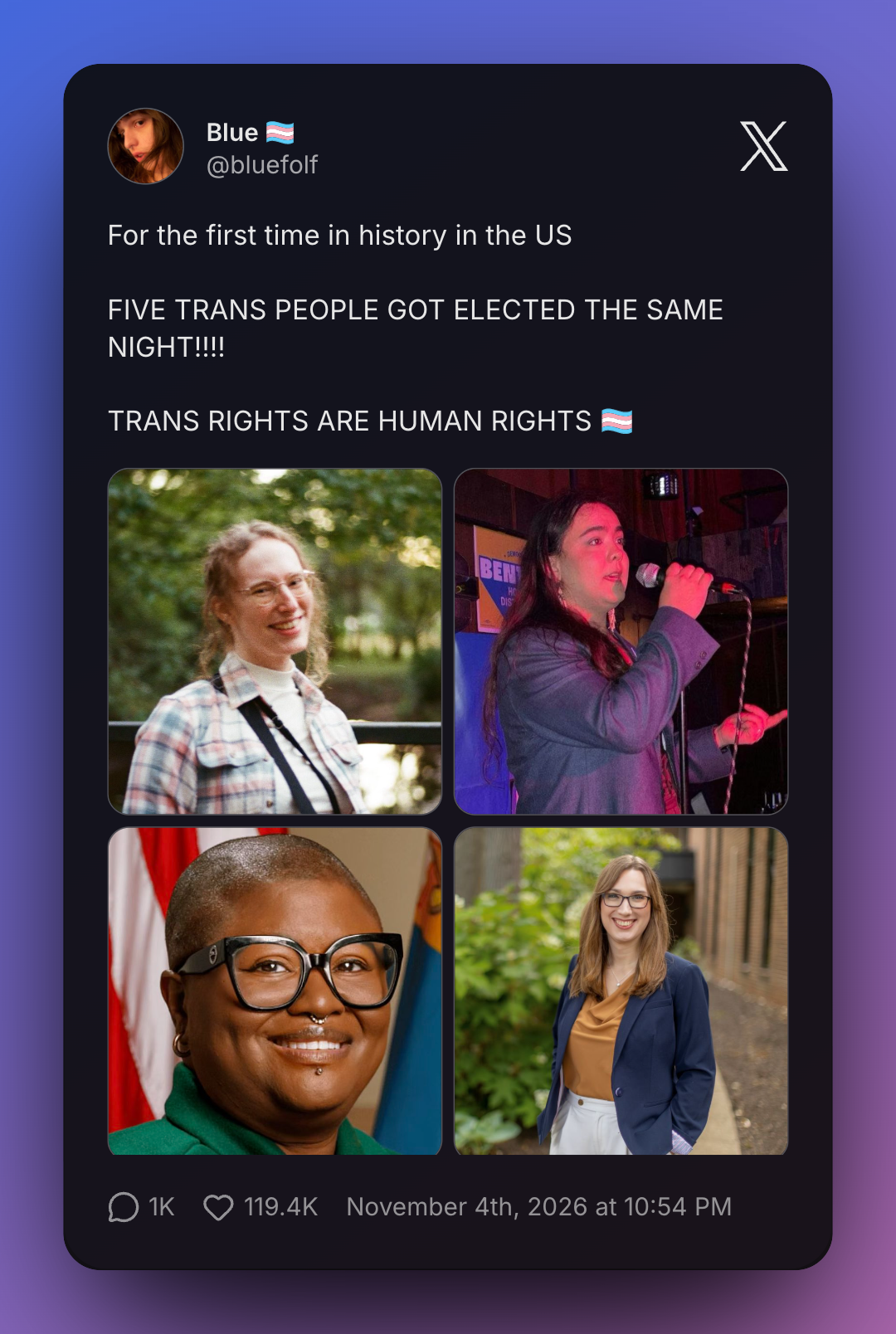
Of course, winning an election is only the beginning. These newly elected officials still have policies to debate, communities to represent, and promises to fulfill.
But one thing is worth celebrating: LGBTQ+ people aren’t simply asking for a seat at the table anymore. They’re getting elected to help decide what happens around it.