


When people remember Heath Ledger, the conversation usually starts with acclaimed performances, unforgettable characters, and a career that ended far too soon. But every now and then, a clip resurfaces that reminds people of something else entirely: he had absolutely no patience for homophobia disguised as a punchline.
RELATED: ‘Leviticus’ Turns Gay Longing Into a Horror Movie—and Makes It Hot
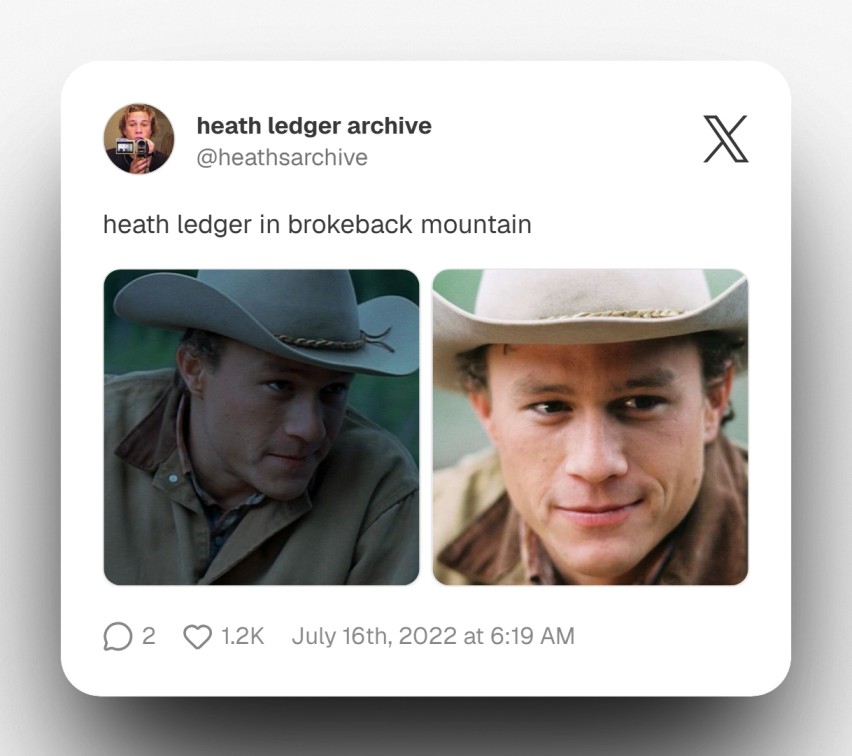
And nearly two decades after Brokeback Mountain arrived in theaters, fans are once again emotional over the way Heath defended the film, its love story, and the people who saw themselves in it.
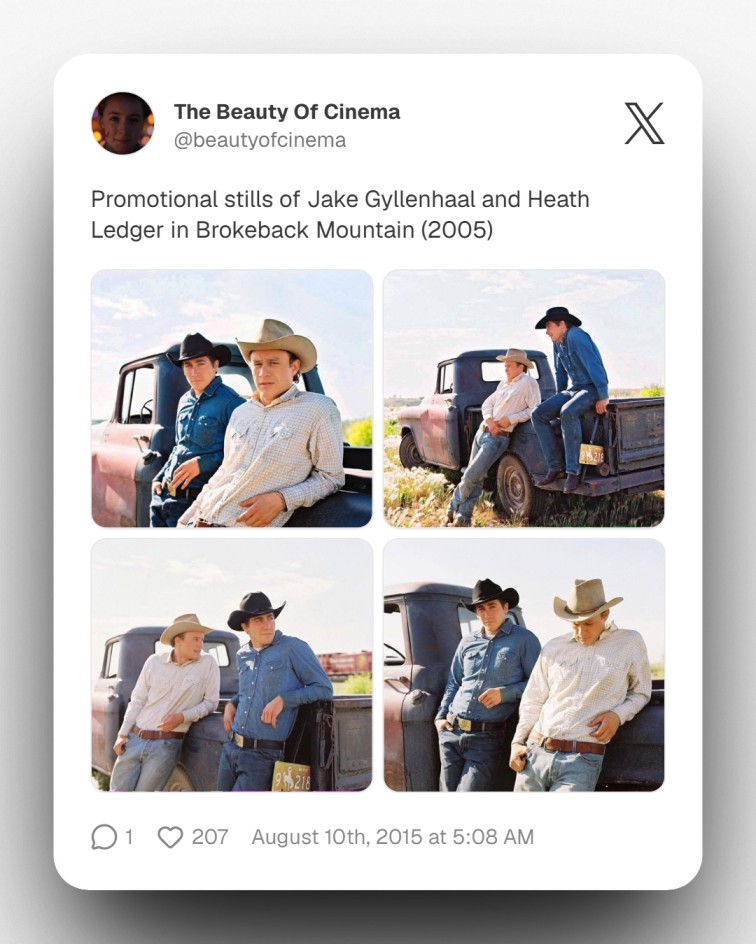
Back in 2005, Brokeback Mountain became a cultural phenomenon. It was critically acclaimed, commercially successful, and nominated for multiple Academy Awards. It was also met with an exhausting amount of mockery from people who couldn’t get past the fact that the film centered on two cowboys falling in love.
RELATED: ‘The Killing of Georgie’ at 50: The Gay Anthem the BBC Banned
While plenty of celebrities might have brushed off the criticism as part of the job, he made it clear that he wasn’t interested in entertaining jokes at the film’s expense.
Heath Ledger Refused To Laugh Along
Years after Heath’s death in 2008, his co-star Jake Gyllenhaal shared stories that revealed just how seriously he took the film’s message. In 2019, Jake recalled a moment when someone attempted to joke about Brokeback Mountain.
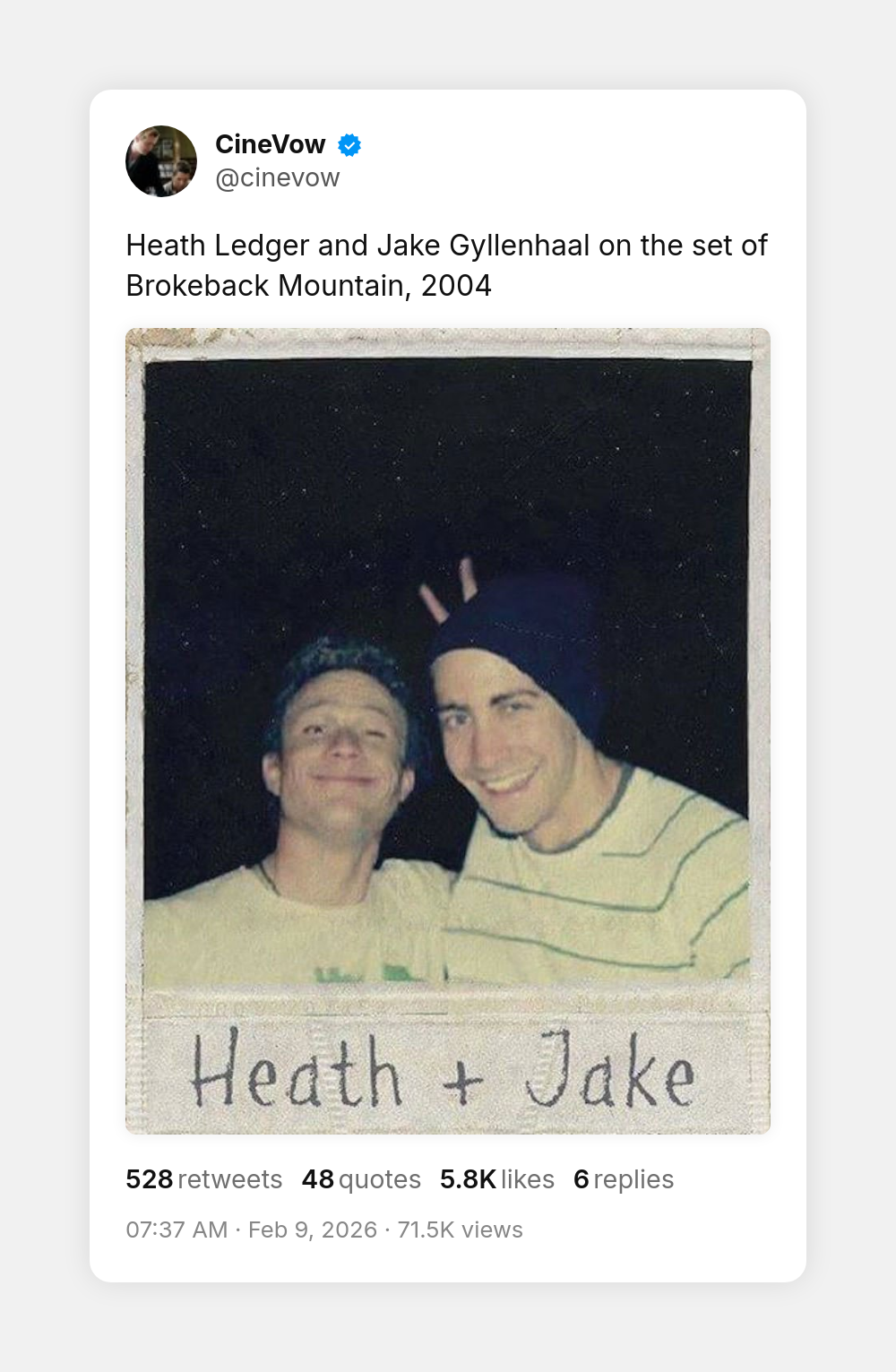
“Someone wanted to make a joke about the story or whatever… [Heath] was like, ‘No. This is about love.’ Like, that’s it, man. Like, no.”
Simple. Direct. End of discussion. Jake later revealed another story that only reinforced Heath’s position. According to Jake, Heath refused to present at the 2006 Oscars because an anti-gay joke was allegedly planned for the ceremony’s opening.
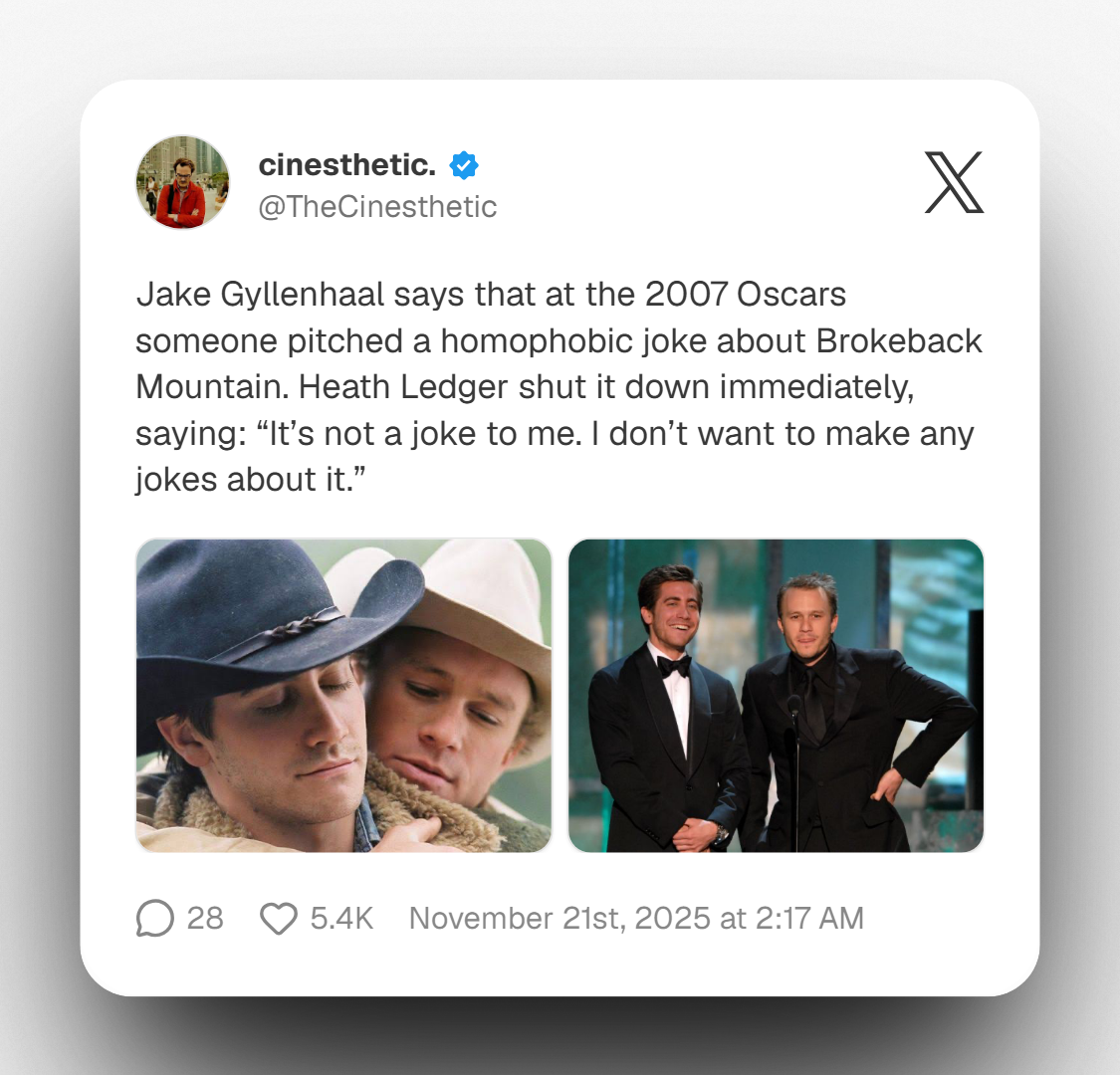
“I was sort of at the time, ‘Oh, OK… whatever.’ I’m always like, ‘It’s all in good fun,'” Jake said. “And Heath said, ‘It’s not a joke to me — I don’t want to make any jokes about it.'”
It’s the kind of response that feels surprisingly refreshing even now. Heath wasn’t trying to win points on social media. There was no carefully crafted statement, no public-relations strategy, and no hashtag campaign waiting around the corner. He simply believed that mocking a love story because it involved two men wasn’t funny.
The Press Conference Moment That Still Hits Hard
A recently resurfaced clip from the 2006 Berlinale press conference has reminded many people why Heath’s comments continue to resonate. During the event, a reporter asked him:
“How do you respond to such people who suggest that this is, uh, disgusting?”
The question alone feels like a time capsule from an era when LGBTQ stories were routinely forced to defend their existence. Heath’s reaction was immediate.
“I don’t know. I think it’s a real shame.”
He then expanded on his answer.
“Well, I think it’s immature, for one. Really immature. But I think that it’s an incredible shame that people go out of their way to discuss disgust or to voice their disgust, I should say. Or negative opinions about the way two people wish to love another.”

Rather than treating same-sex love as controversial, he turned the conversation around and questioned why people weren’t more concerned about hatred itself.
“I mean, at least voice your opinions on how two people should hate and [show] violence and anger towards each other. Isn’t that more important? I think so.”
It’s the kind of response that cuts through the noise because it addresses the real issue. The problem was never love. The problem was the energy people invested in condemning it.
“It’s Like, Get Over the Fact That There’s Two Men”
Perhaps the most memorable part of Heath’s answer came when he explained what he believed the film was actually about.
“The pure fact of it is it transcends a label; it’s human. It’s a story of two human beings, two souls that are in love. It’s like, get over the fact that there’s two men — that’s the point!”
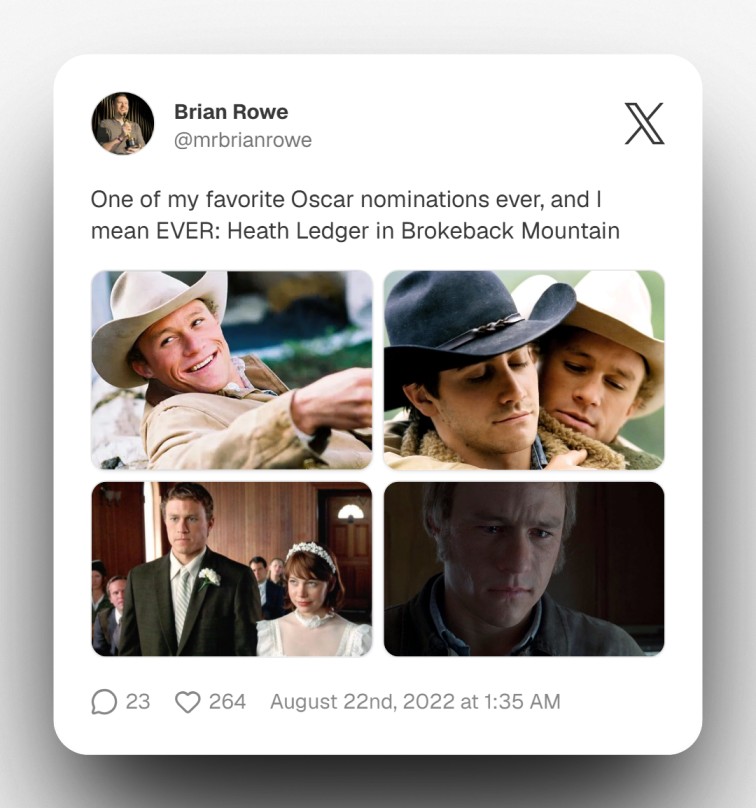
More than twenty years later, that observation still feels remarkably current. For many gay viewers, Brokeback Mountain wasn’t revolutionary because it featured two men. It was revolutionary because it treated their love with the same emotional weight, heartbreak, longing, and complexity that Hollywood had long reserved for straight romances.
He understood that distinction. He also understood that reducing the film to “the gay cowboy movie” missed the entire point.
A Legacy Bigger Than The Screen
Before ending his response, Heath delivered one final statement that continues to resonate with audiences today.
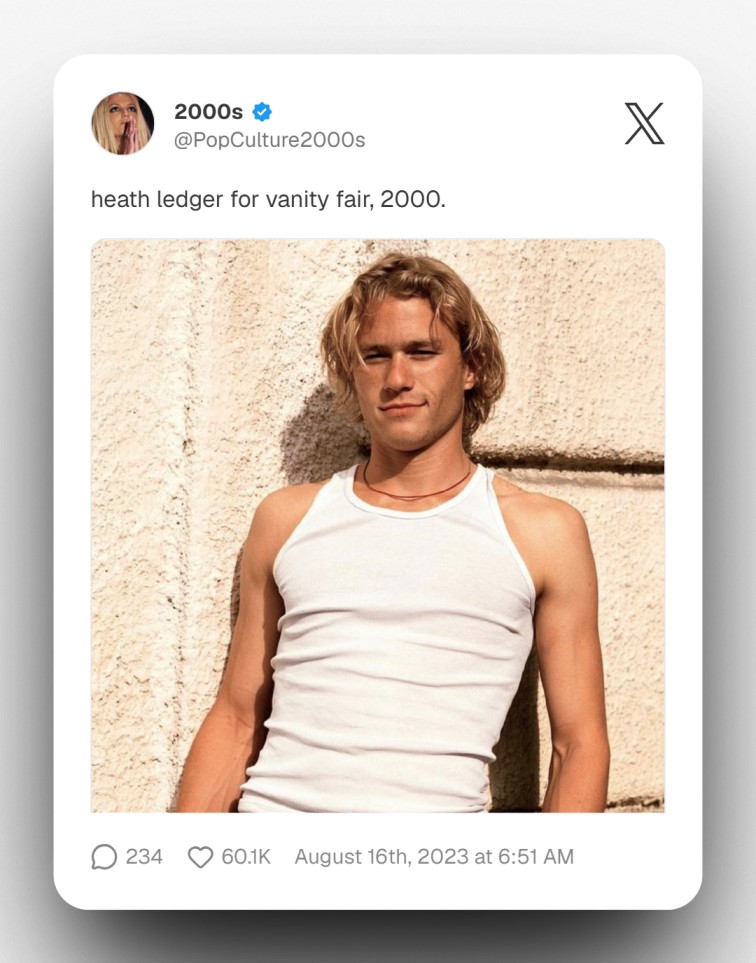
“The movie is not a story about an epidemic or a virus or something that can be cured in a hospital. We’re showing that love between two men is just as infectious and emotional and strong and pure as it is with heterosexual love.”
For LGBTQ audiences, moments like these are part of why he remains so deeply admired. Not because he delivered a perfectly polished speech, but because he treated love as something fundamentally human at a time when many public figures still hesitated to do so.
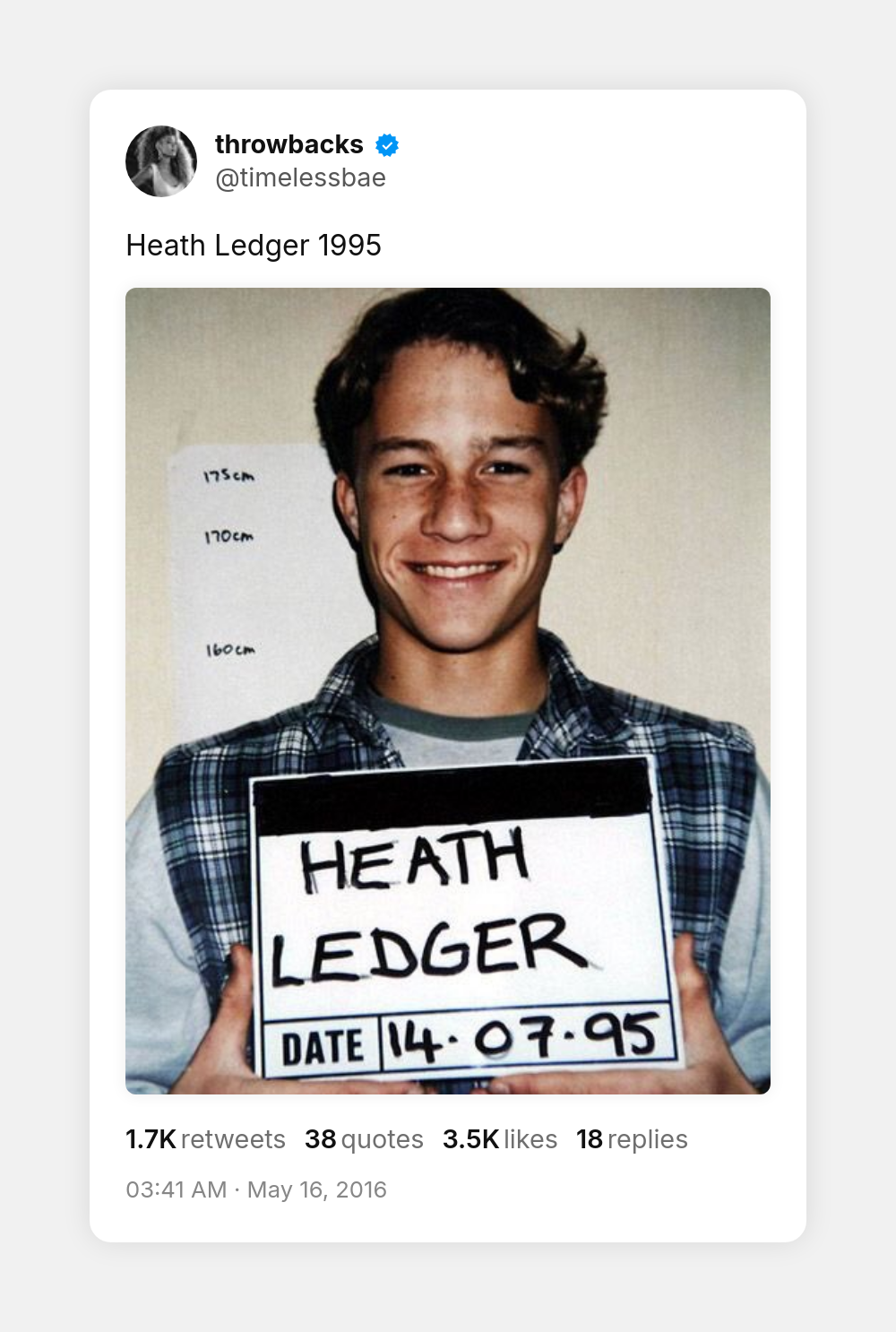
Watching the clip now, what stands out isn’t outrage or anger. It’s how matter-of-fact Heath was about the whole thing. To him, defending the humanity of two people in love wasn’t a bold statement. It was common sense.
And perhaps that’s why the footage continues to move people all these years later. Long before Hollywood became more comfortable celebrating LGBTQ stories, Heath Ledger already understood the assignment.
Source: Today