

When two of the hottest actors sit down to chat, brace yourself: it’s an unapologetic mix of sharp wit, profound realizations, and way too much fun. Russell Tovey and Pedro Pascal recently sat down for an interview that’s giving us more than just career insights—it’s giving us a masterclass on power dynamics, queer shame, and why being “vers” is just the best (take notes, honey). Spoiler alert: Tovey may have just found his new drag name, and it’s a serve.
RELATED: Russell Tovey Opens Up About Sex Scenes, Soft Lips, and His Best Kiss
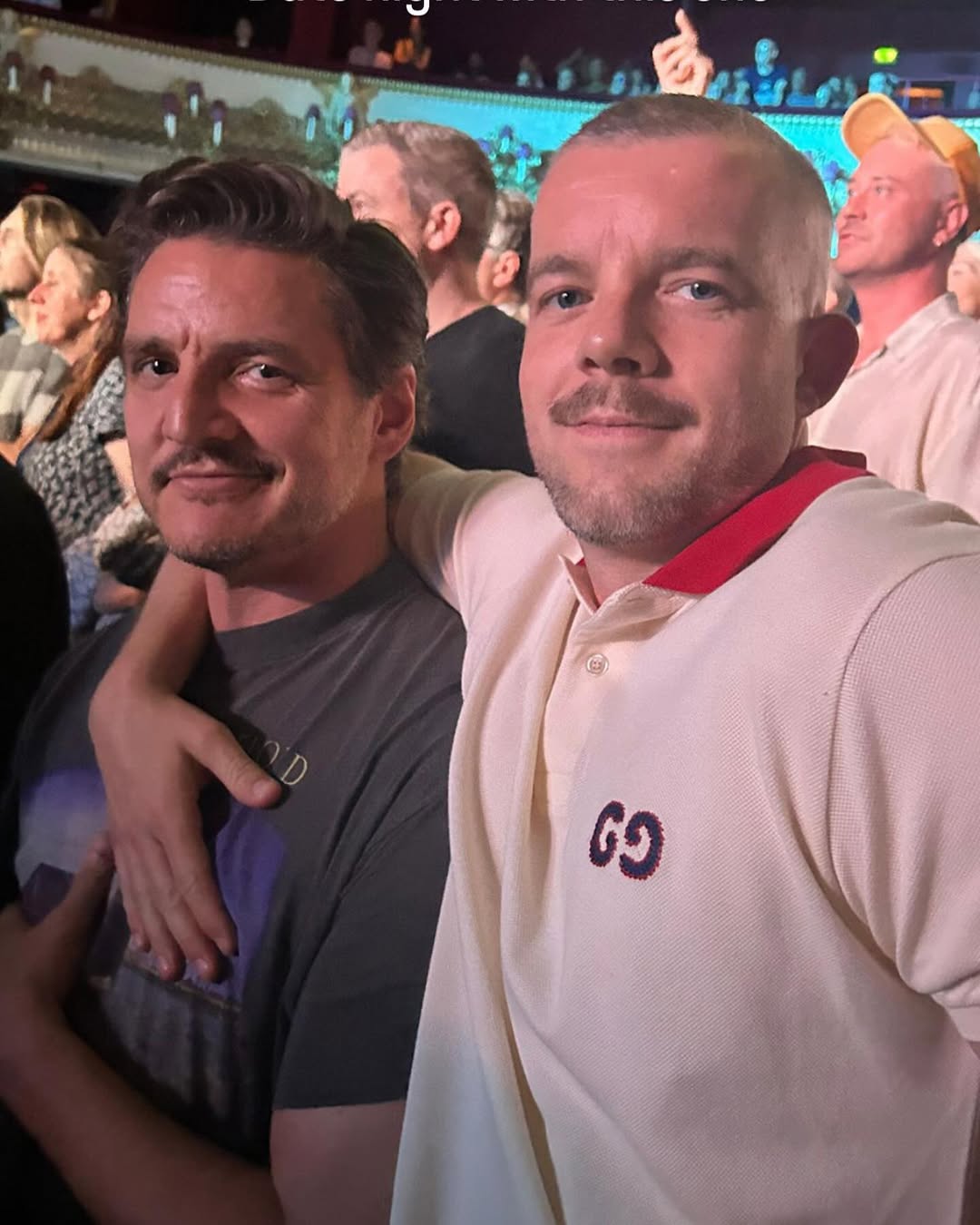
“Vers Is the Best”: A Lesson in Flexibility
We’ll get to the juicy themes of Plainclothes in a minute, but first, let’s talk about the golden nugget of wisdom that was casually dropped: vers is the best. Tovey and Pascal are on the same page here, and they’re not keeping it a secret.
RELATED: The Sexiest Scene of the Year? It’s in ‘Plainclothes’
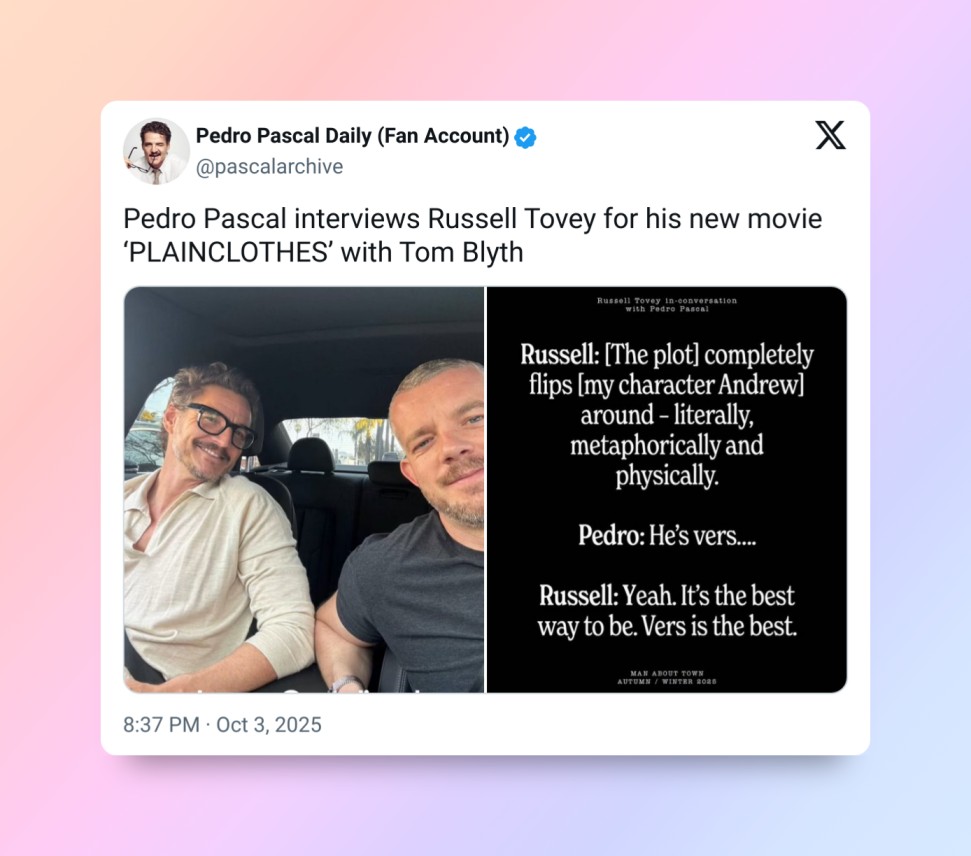
Tovey, who plays Andrew in Plainclothes, a closeted queer man whose world gets flipped upside down (literally, metaphorically, and yes—physically), agrees that being “vers” is the only way to live. After all, if there’s one thing we’ve learned from this interview, it’s that life’s too short to commit to one position. Pascal, always ready with the playful banter, teases Tovey: “He’s vers…” To which Tovey shoots back with a grin: “Yeah, and so is Lucas. It’s the best way to be. Vers is the best.”
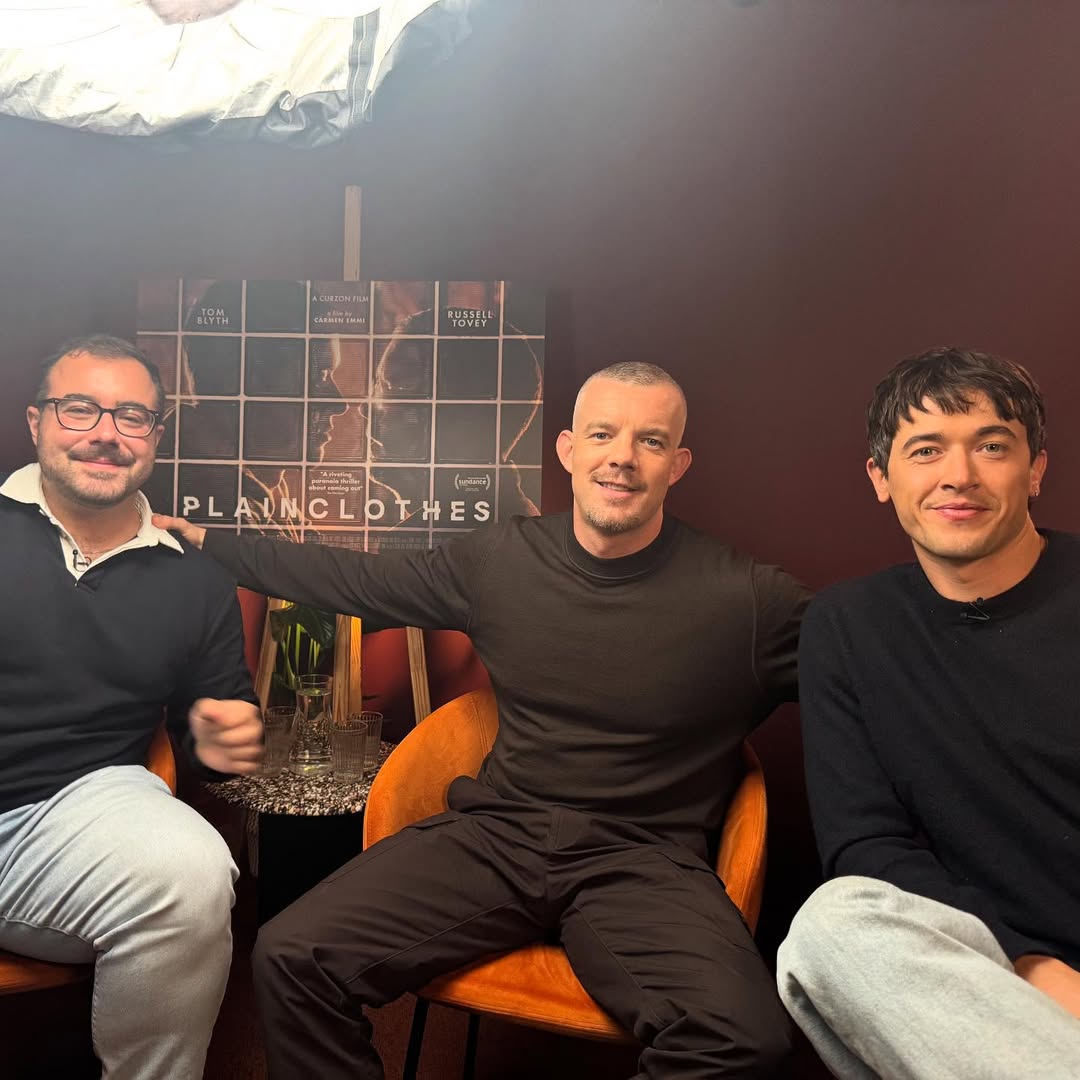
The real takeaway here? Versatility isn’t just a preference—it’s a power move. The flexibility to enjoy all aspects of a relationship, whether that’s emotionally or physically, is a game-changer. And considering the power shifts in Plainclothes, the parallel between their characters’ evolving dynamics and vers relationships feels like an intentional wink at how love (and sex) should be about mutual control, not power struggles. You heard it here first: vers is the new black.
Erotic Danger and the Politics of Shame
Plainclothes is much more than a thrilling queer romance—it’s a deep dive into shame, power, and the dangerous allure of the unknown. Pedro Pascal, the king of saying deep things while still looking hot as hell, explains that the film taps into a nostalgic vibe reminiscent of ’90s queer cinema. “You have a priest, you have a cop, so there’s all this fantasy there,” he says, before getting real about the “eroticism of danger” that runs through the movie. “And then beneath all of that, the grief of shame, and the poison of shame, and the liberation from it, which is really, really beautiful.”
Tovey adds, “I like ‘shame’ as a theme, and how we can be highly functioning and full of shame.” Yes, honey, this is the realness. Being queer and functioning in a world that’s not built for us can leave us filled with internalized shame that we try to hide behind our big, beautiful, shiny lives. But, as both actors point out, these emotions and power dynamics don’t have to be the end of the story—they can be part of our liberation.
Tovey reflects on his own experience coming of age as a gay man, sharing that he felt unsafe and burdened by that ever-present, gnawing shame. “I just didn’t feel like I was safe, and I think I had inherent shame,” he admits. His character, Andrew, is no different—he’s full of shame, but knows how to navigate the world while carrying it. But it all gets flipped when he meets Lucas, and suddenly emotions aren’t just something to push down—they’re a force to be reckoned with.
Power Shifts, Dirty Secrets, and Safe Sex
The power dynamics in Plainclothes are a beautiful mess. At first, Andrew holds all the cards: older, more experienced, and seemingly in control. But once the truth about Lucas being a cop comes to light, the power pendulum swings fast and hard.
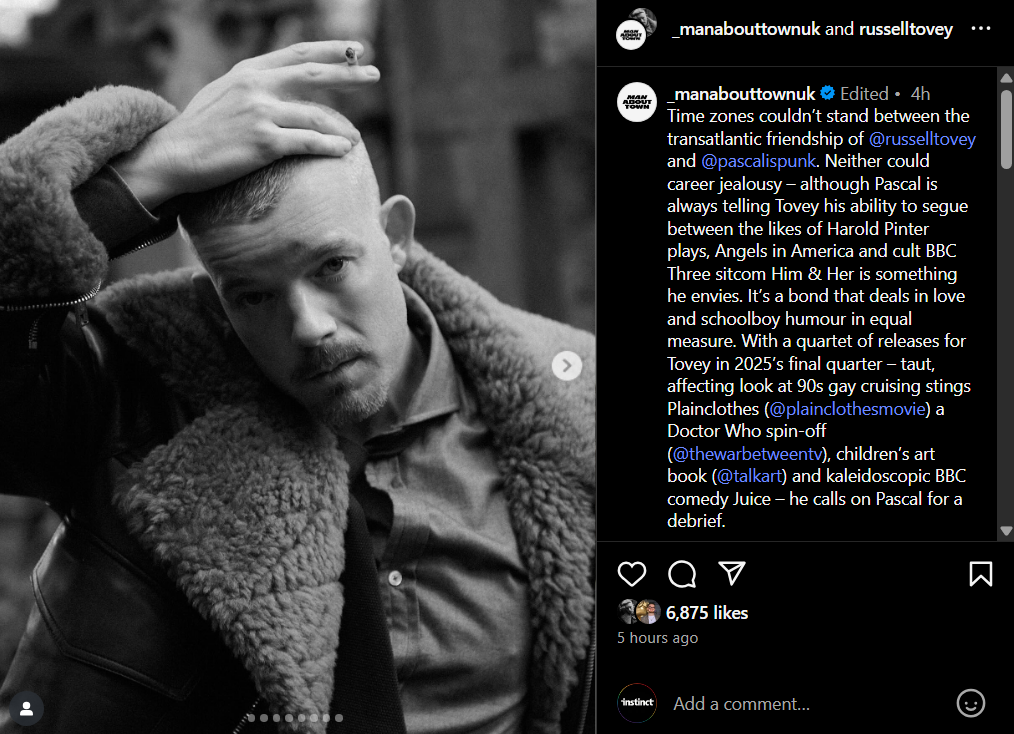
Tovey shares how he wanted his character to be not just safe, but considerate: “I wanted Andrew to be someone that, when Lucas walks away from it, he can be like, ‘I practiced safe sex.’” Because being a top doesn’t just mean top energy—it means top-notch responsibility. “It’s a power dynamic where I have all the power. I’m the older man, I’m the more experienced. Then you find out suddenly that [Lucas is] a cop, and the power shifts incrementally in a second,” Tovey explains, before adding that the movie flips everything on its head, much like a sexy thriller should.
And in case you missed it, this isn’t just a tale of sexual tension and forbidden romance. It’s about two men who are both navigating the shifting sands of control, vulnerability, and the risky business of opening up emotionally. But the movie makes it clear: power isn’t static—it’s fluid, much like the best of queer relationships.
1997, George Michael, and the Cops
The movie’s setting in 1997—around the time when George Michael was arrested for public lewdness—also serves as a clever reminder of how little has changed when it comes to queer vulnerability in public spaces. Pascal points out how ridiculous the entire situation with George Michael felt, suggesting that the whole arrest was an example of “targeting.” “It resonates,” Tovey says, as they both reflect on how dangerous and vulnerable the world was for queer people back then. Not that it’s perfect now, but the conversation feels like a subtle nod to how far we’ve come in certain ways, even if there’s still work to do.
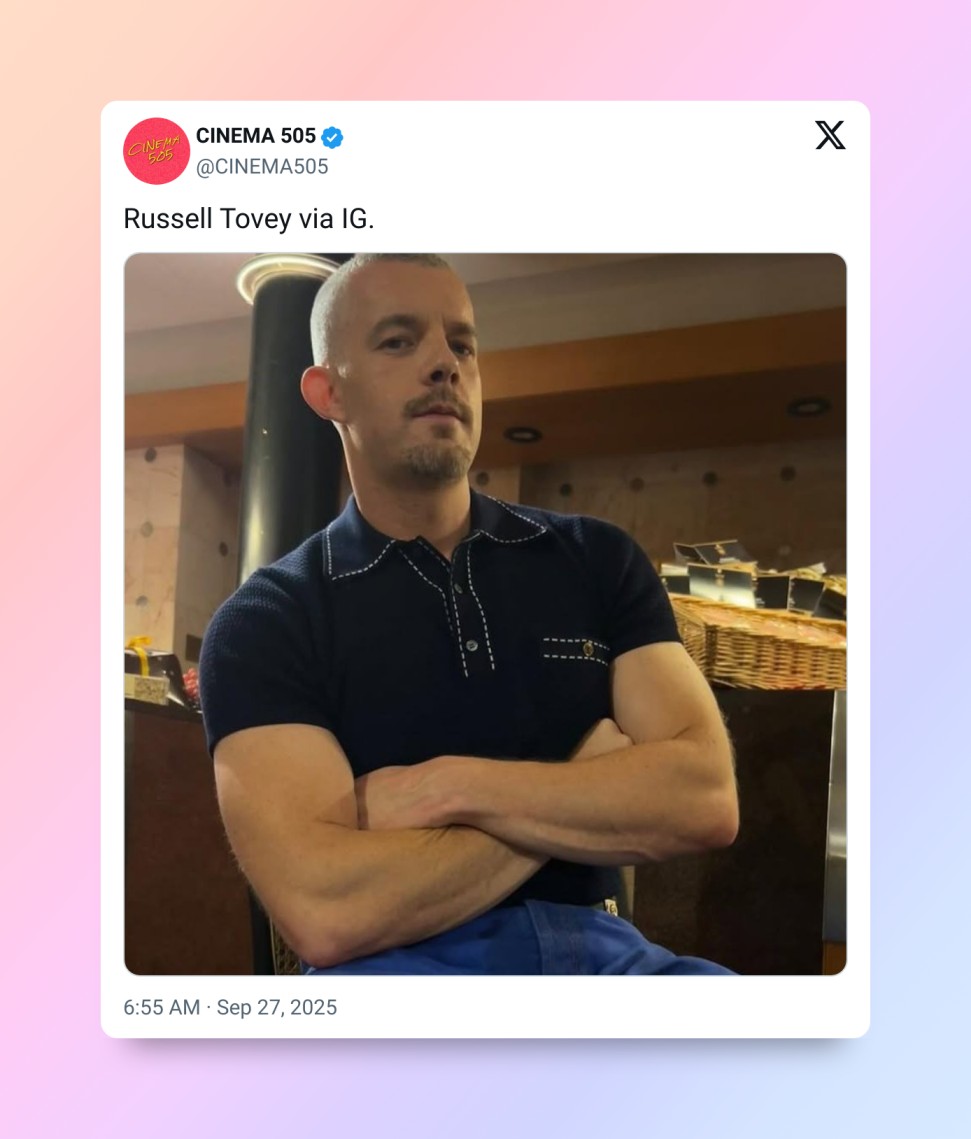
And because this is Russell Tovey we’re talking about, Pascal couldn’t resist teasing him. “And we know you’ve been busted 100 times,” he quips. Tovey, ever the good sport, laughs. “Yeah, this [Plainclothes] is a documentary.”
You love to see it.
Russell Tovey’s Drag Name: Syra-Cutie?
The interview takes a delightful turn when Pascal and Tovey start talking about Tovey’s not-so-great pronunciation of “Syracuse” (because, obviously, it’s a conversation that needed to happen). After some back-and-forth on the issue, Tovey finally comes up with his new drag name: Syra-cutie.
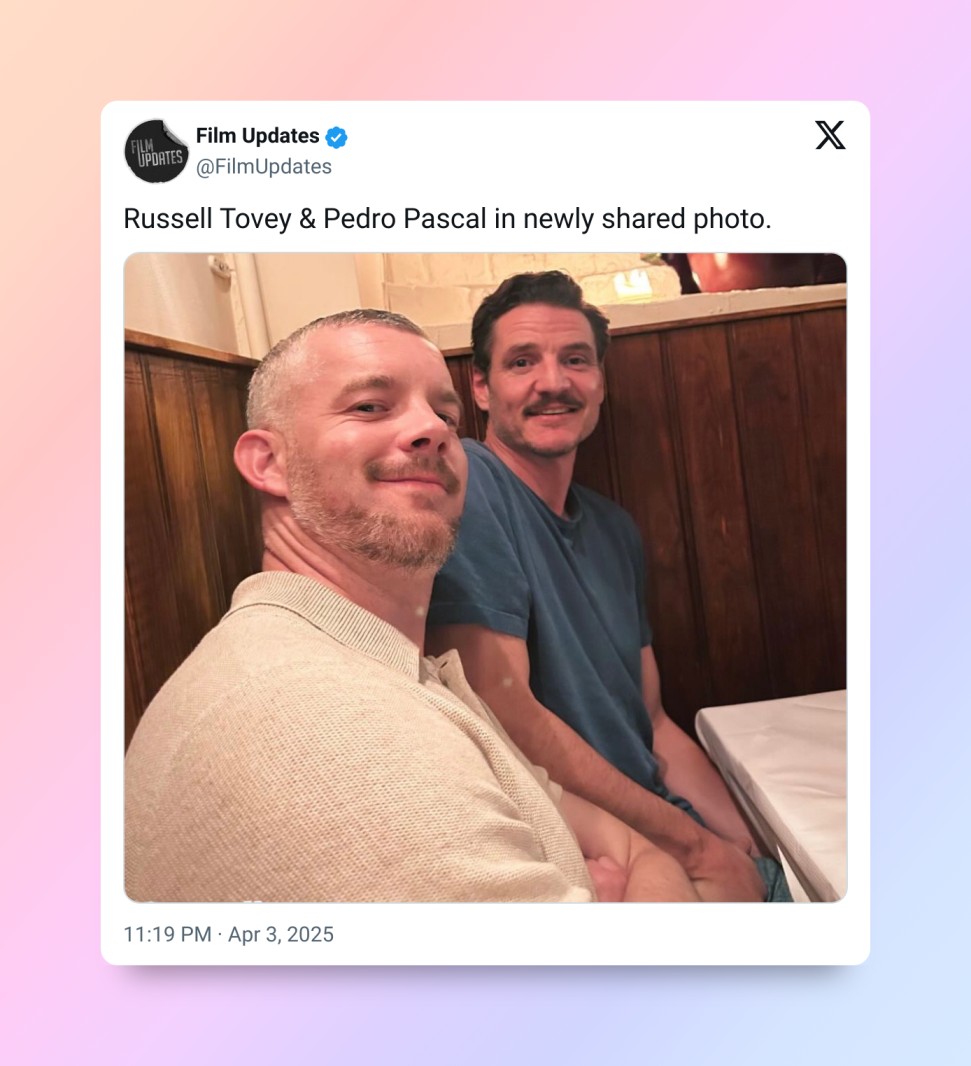
“Syra-cutie?!” Pascal exclaims. “That’s your drag name.” Tovey nods, deadpan: “That’s my drag name.”
Well, it’s official. Syra-cutie is already the drag queen we never knew we needed.
Conclusion: Versatility, Power, and Drag Names
So, what have we learned from this delightful chat between Tovey and Pascal? First, that “vers” isn’t just a preference—it’s a philosophy. Power dynamics in relationships are as fluid as Plainclothes itself, and queer shame doesn’t have to be the end of the story. The film flips everything we think we know about vulnerability, identity, and control, just like our beloved Russell Tovey, who is definitely ready for his drag debut as Syra-Cutie.
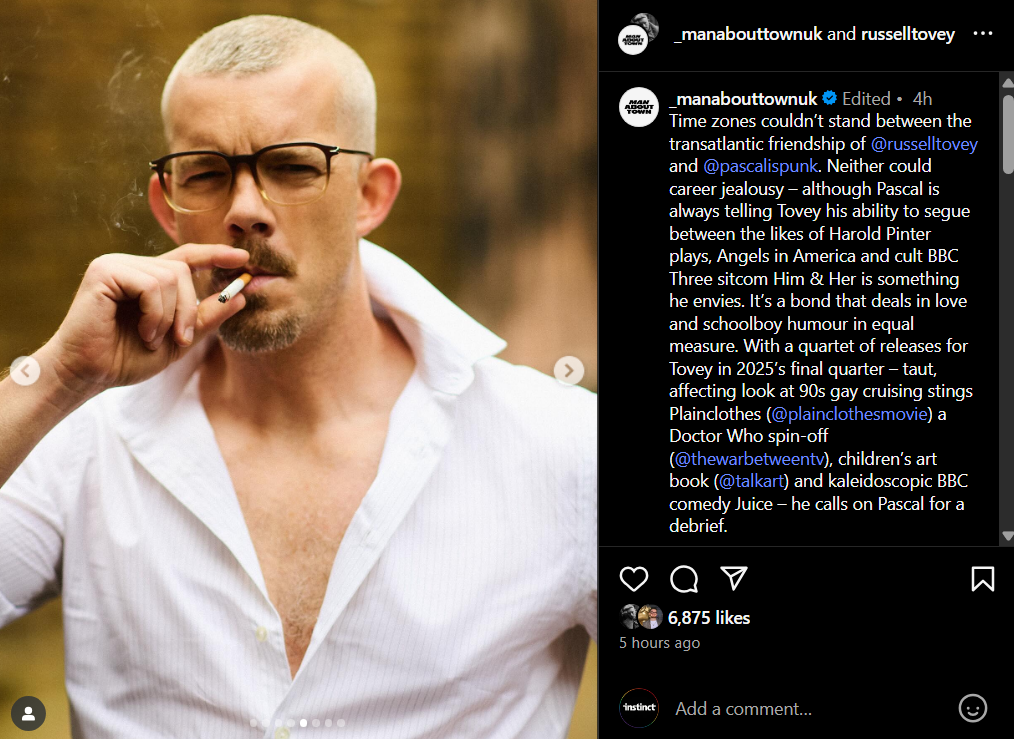
Let’s give it up for versatility, for real.
Source: Man About Town