

We’ve all had those moments: your gut doing flips before a first date, or maybe a Pride parade that was more ‘nervous sweats’ than ‘fun floats.’ Turns out, there’s more to those gut feelings than just too much tequila or excitement. According to a new study, gay and bisexual men are significantly more likely to experience gut-brain disorders—think irritable bowel syndrome (IBS), chronic constipation (CC), and functional diarrhea (FD)—than their straight counterparts. It’s like your gut is giving you a side-eye, and it knows exactly when you’re stressed out.
RELATED: Affordable HIV Protection Arrives: Why Lenacapavir Is a Game-Changer
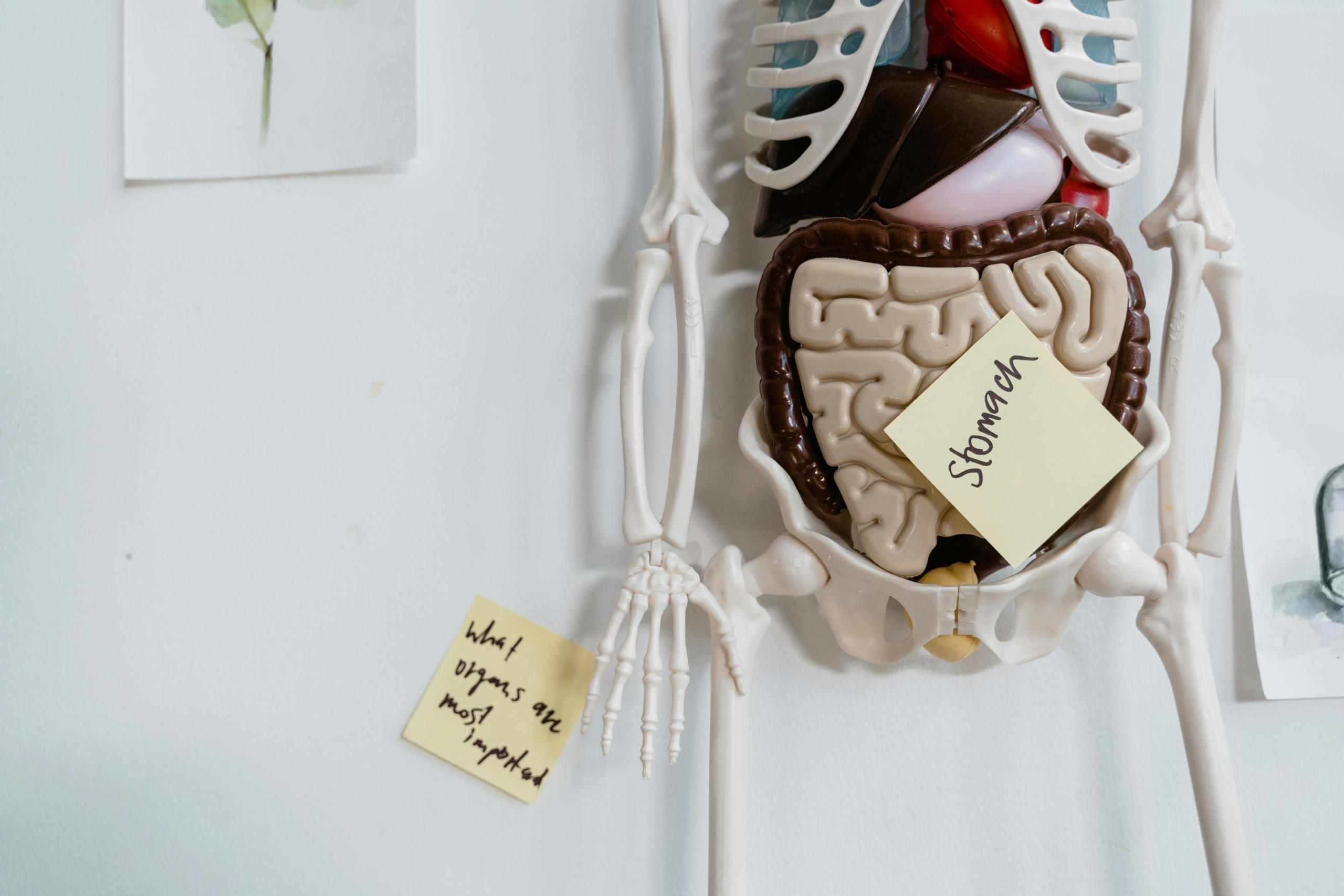
Published in Clinical Gastroenterology and Hepatology, the study sheds light on a lesser-known truth: our bodies are often reacting not just to what we eat, but also to how the world treats us. And the gut, as it turns out, is an excellent barometer for all that emotional chaos we’re constantly navigating.
Gut-Brain Drama: The LGBTQ+ Edition
Here’s the deal: DGBIs, or disorders of gut-brain interaction, are often triggered or exacerbated by psychological distress. And guess what? Members of the LGBTQ+ community, especially gay and bisexual men, are dealing with a lot of it. Whether it’s microaggressions, the weight of social stigma, or the joy of navigating family holidays, mental and emotional stress can easily translate into a very unhappy gut.
The study, which took data from the National Institutes of Health’s All of Us research program (a cool-sounding initiative with nearly 400,000 participants), found that SGM (sexual and gender minority) men were way more likely to have gut issues. So, if you’ve ever found yourself clutching your stomach before a big event—like, say, the “you’re-gay-what?” family dinner—this study might explain why your gut is the first one to freak out.
Stomach Trouble: The Numbers Don’t Lie
Okay, let’s talk numbers. Gay and bisexual men reported higher rates of IBS (2.71% vs 1.83%) and FD (0.59% vs 0.35%) than their straight peers. No surprise, right? After all, we’ve all had our fair share of stress—whether it’s navigating a homophobic boss or just trying to figure out the perfect outfit for your queer Zoom call.
RELATED: Trump Admin to Gut HIV Prevention Funding—Putting ALL Lives at Risk
But here’s the kicker: The study found no significant difference in chronic constipation rates between SGM and straight men (so you’re not alone in your bathroom struggles, no matter what your sexual orientation is). Still, the higher rates of IBS and FD among SGM men speak to the toll emotional distress can have on the gut.
More Than Just a Gut Feeling: Mental Health’s Role
Let’s get real for a second. It’s not just the tacos you ate last night—gay and bisexual men are more likely to struggle with mental health conditions like anxiety, depression, and PTSD, which are known to mess with your digestive system. And let’s not even get started on fibromyalgia, which showed up more frequently in SGM men than in heterosexual men. If stress were an Olympic sport, we’d probably win the gold.
The study pointed out that mental health issues definitely have a part to play in those stomach issues, but the emotional baggage we carry often goes deeper than just feeling “down” or “nervous.” Internalized homophobia, rejection from family and friends, societal stigma—these things accumulate over time and show up in ways we may not even realize, like in a bloated belly or those unexpected bathroom sprints.
Bisexual and Gay Men: Gut Trouble Doesn’t Discriminate
Here’s where it gets interesting: the study found that men who identified as gay or bisexual had more significant gut issues than their straight counterparts, but among women, the results weren’t the same. SGM women had slightly lower rates of IBS, FD, and CC compared to heterosexual women. Why the difference? The study doesn’t quite have all the answers, but it does suggest that gender-specific experiences play a huge role in our health—and that healthcare needs to catch up and tailor its strategies to address these differences.
So, for all you SGM men out there, remember: your gut’s not just complaining about your questionable food choices—it might actually be reacting to the stress you’re under just by being who you are. And that’s not something your average bottle of Pepto-Bismol can fix.
Time for a Gut Check: What’s Next for Health Care?
Here’s the bottom line: it’s time to start seeing healthcare as a whole-person experience. It’s not just about your stomach—it’s about how your mental, emotional, and physical health are all connected. And for the healthcare community, it’s time to pay attention to the needs of SGM individuals, who are often dealing with a unique set of challenges that can affect everything from our minds to our guts.
So, if you’re feeling a little “off” in the digestive department, don’t just blame the tacos you had last night. Take a moment to consider what other emotional or psychological stressors might be playing a role. And please—if you’re seeing a healthcare provider who doesn’t ask you about your mental health or your sexual orientation, it might be time to have a gut check with them too.
Wrapping It Up: Your Gut, Your Mind, Your Health
So, what can we do about it? First, let’s keep the conversation going. Mental and physical health are deeply intertwined, and it’s time we gave both the attention they deserve. This means acknowledging that gut issues aren’t just about food—they’re about the broader emotional context we live in, especially as LGBTQ+ individuals.
And hey, next time your stomach feels a little “off” before a big event, maybe it’s not just the nerves. It might be your body telling you it’s time to take care of yourself. So, take a deep breath, give yourself some grace, and remember: your gut, your mind, and most importantly, your queer self, deserve care.
Source: Gastroenterology