


Trinidad and Tobago has scored a major LGBTQ+ rights victory after its highest court ruled against a colonial-era gay sex ban. But does this mean gay travelers can finally let their guard down?
RELATED: LGBTQ+ Candidates Are Taking Over Politics? The List is Growing!
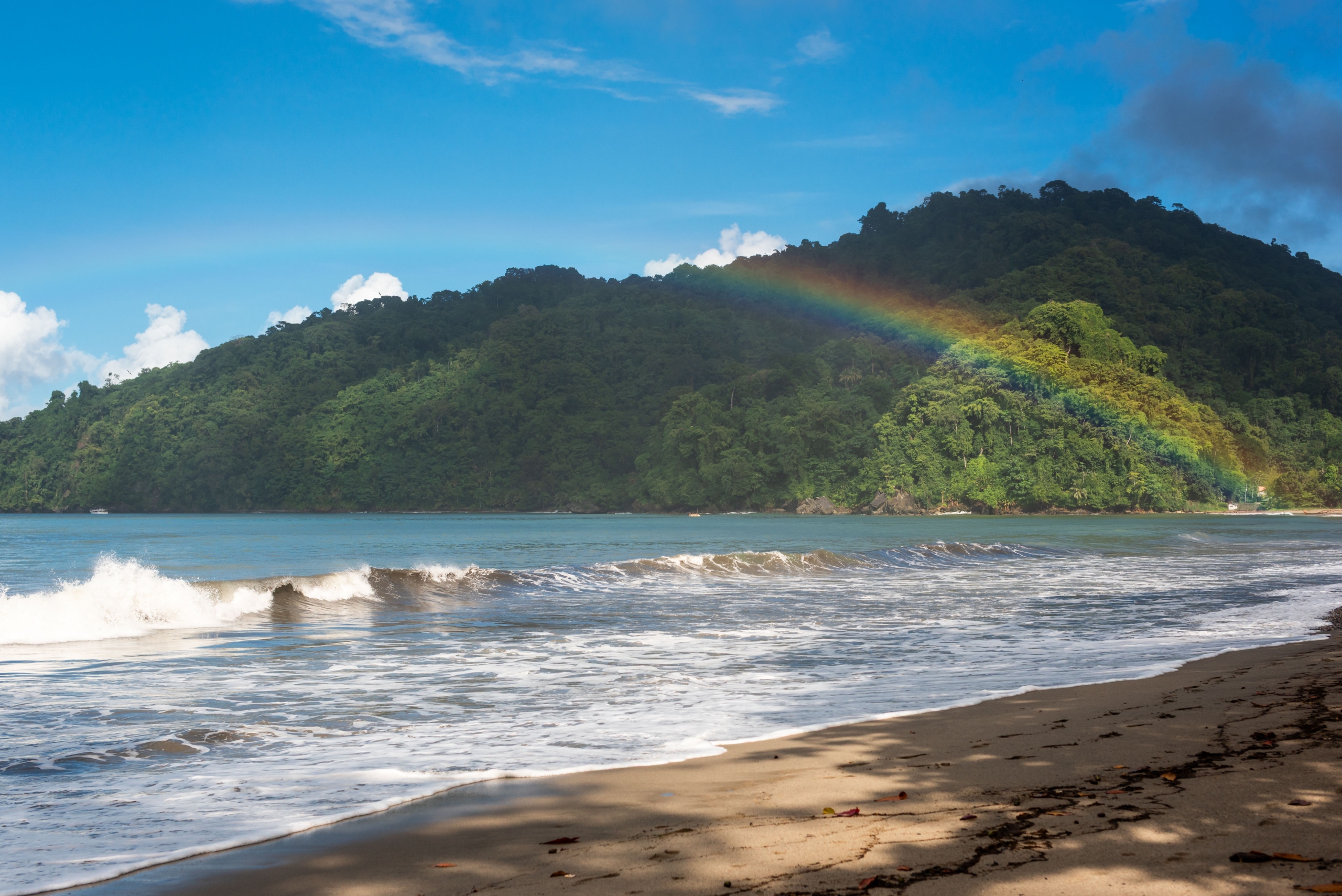
A Caribbean holiday should involve worrying about sunburn, overpriced cocktails and whether your resort has enough attractive men by the pool. Having to wonder whether your sexuality could land you in legal trouble is considerably less appealing.
That’s why Trinidad and Tobago’s latest legal victory deserves attention. The twin-island nation has just taken a major step away from criminalizing same-sex intimacy, giving LGBTQ+ travelers a very good reason to look at the destination a little differently.
On November 10, the Judicial Committee of the Privy Council in London unanimously ruled that Trinidad and Tobago’s colonial-era laws criminalizing private, consensual same-sex relations between adults could not be justified. The decision followed years of legal battles led by activist Jason Jones, who challenged the provisions on constitutional grounds.
RELATED: Virginia Backs Gay Marriage, But LGBTQ+ Families Face Another Fight
It’s a significant victory for LGBTQ+ rights in the Caribbean, and certainly better news than another destination making headlines for treating gay people like a public nuisance. But before anyone starts browsing beachfront hotels and planning a romantic escape, there’s something worth remembering: getting rid of a discriminatory law doesn’t automatically get rid of discrimination.
A Colonial Hangover Trinidad and Tobago Finally Needed to Shake Off
The laws at the center of the dispute were part of the country’s Sexual Offences Act 1986, which criminalized certain sexual acts between men under provisions concerning “buggery” and “serious indecency.” The legislation carried prison sentences, including a maximum of five years under the provisions restored by the Court of Appeal in 2025.
Even without regular enforcement, their existence sent an unmistakable message about how the country viewed same-sex relationships. A law doesn’t need to put people behind bars every day to make them feel threatened. Its mere presence can encourage stigma, discrimination and the idea that someone’s sexuality is something the state has a right to police.
Jones challenged the legislation in 2017, initially winning in the High Court in April 2018. However, the fight took another turn in March 2025 when the Court of Appeal partially reversed that ruling, restoring criminal penalties for consensual same-sex intimacy.
Rather than accept that outcome, Jones pursued the case before the Privy Council, Trinidad and Tobago’s final court of appeal. This time, the decision went in his favor.
Judge Philip James Sales made the court’s position clear, stating: “Those laws cannot be regarded as reasonably justifiable in a society that has a proper respect for the rights and freedom of the individual.”
It’s difficult to argue with that. Nobody should need a legal defense just to have a private relationship with another consenting adult.
The Privy Council allowed Jones’s appeal and dismissed the government’s cross-appeal. It also said the provisions must be interpreted in accordance with the constitution so that private, consensual sexual relations between adults of the same sex are not criminalized. The court is still receiving further submissions before settling the precise wording of its final remedial order.
Does This Make Trinidad and Tobago a Gay-Friendly Holiday Destination?
Now for the question that matters to anyone considering a visit: Does this mean gay tourists can finally relax?

The ruling removes a major legal threat surrounding consensual same-sex intimacy. That’s an important distinction, particularly for gay men who might otherwise have worried about the country’s criminal laws when traveling there.
But legal protection isn’t the same as being openly welcomed. LGBTQ+ travelers can still encounter prejudice, and public displays of affection may attract unwanted attention.
There’s also an important legal complication that deserves more attention. Trinidad and Tobago’s Immigration Act contains a separate provision that lists homosexuals among categories of people prohibited from entering the country. This restriction was not part of Jones’s challenge to the Sexual Offences Act, so the Privy Council’s latest decision does not automatically resolve it.
The UK government’s travel advisory continues to warn LGBTQ+ foreign nationals about this immigration provision. However, the advisory also still describes consensual same-sex activity as criminal, despite the November 10 ruling. That particular information has not yet caught up with the latest judgment, so travelers should be careful not to mistake outdated guidance for the current legal position.
The UK government also warns about dating-app-related robberies and assaults, including incidents involving Grindr. These are practical safety concerns that deserve attention regardless of the country’s changing legal landscape.
In other words, Trinidad and Tobago has made an important legal change, but it would be premature to declare it the Caribbean’s next carefree gaycation hotspot.
A Better Future for LGBTQ+ Travelers?
Still, this is the kind of progress worth celebrating. For years, Trinidad and Tobago’s criminal laws gave legitimacy to discrimination, even when prosecutions were uncommon. Removing the threat of criminal penalties for private, consensual same-sex intimacy is an important step toward treating LGBTQ+ people with the dignity and rights they deserve.

And there’s plenty of room for the country to build on that progress. A genuinely welcoming destination isn’t just somewhere gay travelers won’t be arrested for being themselves. It’s somewhere they can enjoy their holiday, meet people, show affection and experience the local culture without constantly calculating how much of themselves they should hide.
Trinidad and Tobago has cleared one major hurdle. Whether it can turn that legal victory into a more welcoming experience for LGBTQ+ visitors is the next test.
We’ll happily take a Caribbean holiday without the criminal-law anxiety, thank you very much. Now, about those beachside cocktails…
Source: Gov.UK, Independent, and UKSC