

Identity is at the heart of what queer means today. The term has come a long way. If you’ve ever wondered exactly what it means—or why it’s still so important—you’re not alone. This word has more layers than your favorite podcast, and it’s packed with history. Once a term used to dismiss and insult, queer is now one of the most inclusive, versatile words in the LGBTQ+ lexicon. But, like anything with a complicated past, it’s a little more nuanced than just ‘gay’ or ‘different.’ Let’s break it down.
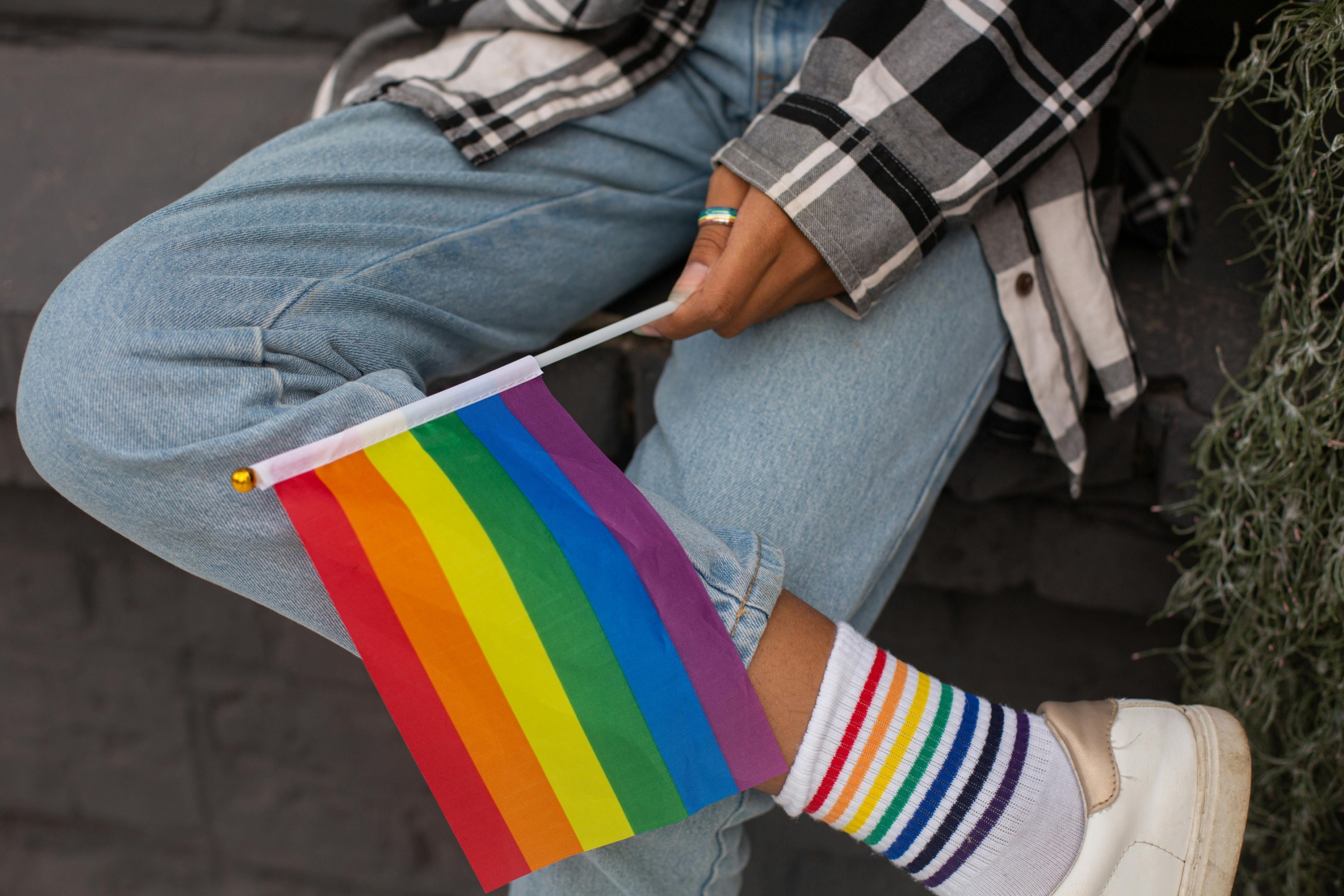
The Rocky Origins: From Insult to Identity
Back in the 19th century, queer wasn’t a term of empowerment—it was a derogatory insult used to describe people who didn’t fit the mold. In 1894, during a notorious trial, Lord Alfred Douglas and his lover Oscar Wilde were called “Snob Queers” by none other than the 9th Marquis of Queensberry. And that was just the beginning. Over time, the press took the term and used it as a way to belittle gay men, solidifying its reputation as a slur.
RELATED: Pack Your Pride (and Caution): Traveling Trump’s America in 2026
Fast forward to the 1969 Stonewall Riots—an iconic moment in LGBTQ+ history where the community said enough is enough. Activists began reclaiming queer in the same way people took back “gay” during the civil rights movements. It wasn’t just about personal identity; it was about resistance, visibility, and collective power. The word, once used to insult, was now being used as a rallying cry.
Queer Goes Mainstream: From Reclamation to Pop Culture
By the ‘90s, queer wasn’t just an in-group term—it was starting to break through to mainstream pop culture. The show Queer as Folk in 1999 did more than just introduce gay storylines on TV; it helped normalize the word queer and cemented its shift from negative to neutral (and sometimes even positive). At the same time, more and more LGBTQ+ organizations were adopting the term, from community centers to pride parades. It wasn’t just a word—it was an identity marker.
What Does Queer Mean Today?
Today, queer is commonly used as an umbrella term to describe anyone who doesn’t fit into conventional ideas about sex, gender, or sexuality. It’s not just about being gay or lesbian anymore—it’s a broad spectrum of people, identities, and experiences that fall outside of the binary male/female, gay/straight boxes. It’s flexible, it’s fluid, and it’s personal.
But let’s not kid ourselves: even though it’s become more mainstream, the term still carries baggage. For older generations, especially, it can be tough to shake off the historical weight of queer as a slur. For younger generations, though, it’s a term of pride. It’s all about owning the word and using it as a way to push back against societal norms.
The Complicated Nature of Queer Theory
The word queer also has an academic side—yes, we’re talking about queer theory. In the world of academia and activism, queer isn’t just a descriptor; it’s a framework for challenging rigid ideas of gender and sexuality. Queer theory argues that society’s fixed categories of male/female, gay/straight, masculine/feminine aren’t just outdated—they’re harmful. The goal? To break down these barriers and allow for a more expansive understanding of gender and sexuality. It’s not about fitting into predefined labels; it’s about embracing the spectrum of possibilities.
Queer Globally: A Term with Many Meanings
It’s important to note that while queer has become widely used in Western contexts, its meaning and application don’t always translate across cultures. In many parts of the world, the concept of queerness is still heavily shaped by Western ideals, which doesn’t always align with local views on gender and sexuality. Scholars argue that using the term queer without considering its global context can erase important cultural nuances. So, while queer is a powerful label in the West, its meaning might look a little different in other parts of the world.
The Genderqueer Shift: Rethinking the Binary
And then there’s genderqueer—a term that emerged in the ‘90s alongside the queer movement, designed to challenge the traditional male/female binary. Genderqueer people don’t fit neatly into either category. They may identify as both, neither, or somewhere in between. Some may transition, while others reject the idea of transition altogether. Genderqueer is about rejecting the notion that gender has to fit into a box.
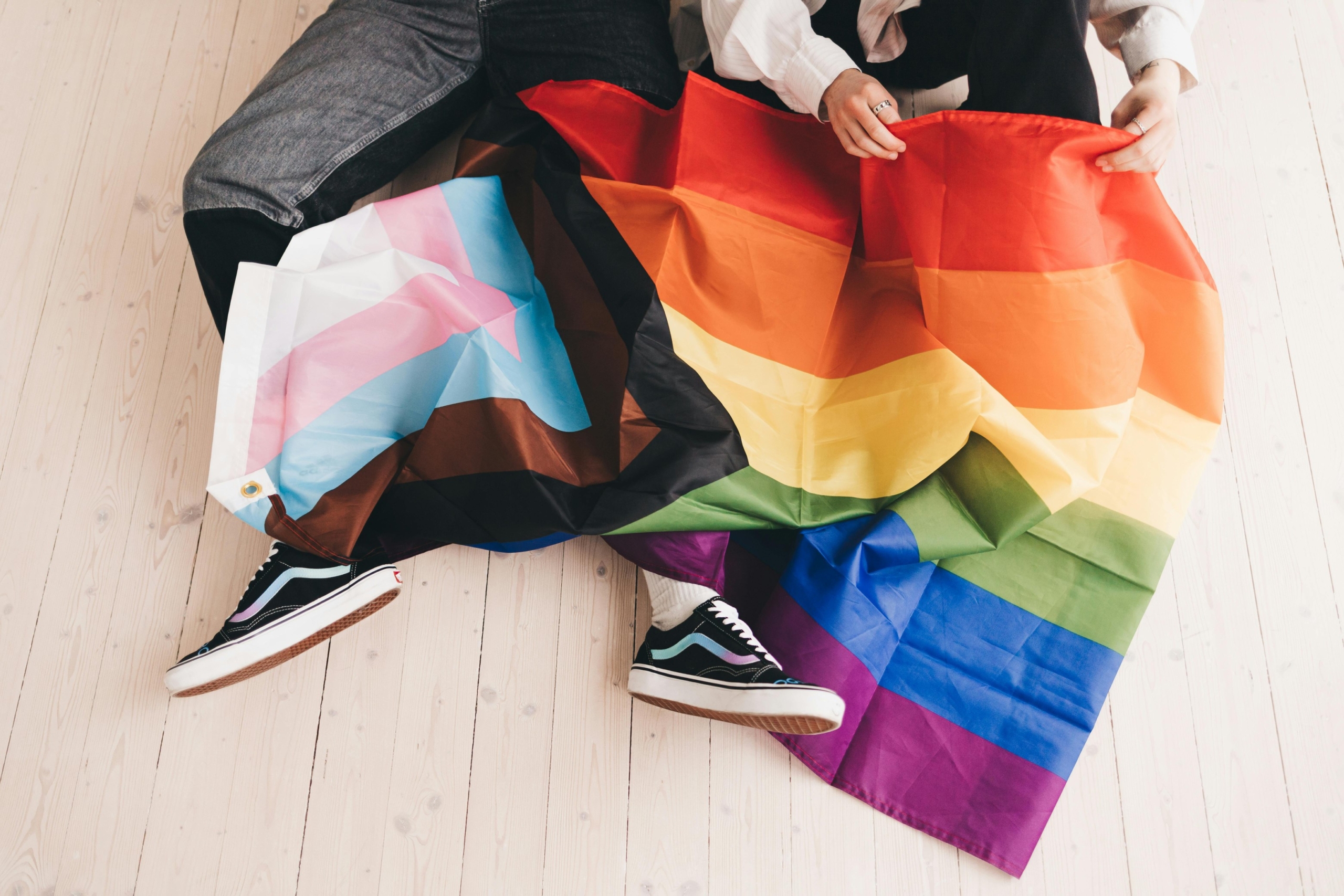
The term also embraces a range of expressions. Some genderqueer individuals use pronouns like “they/them,” while others might choose new, gender-neutral pronouns. It’s not just about identity; it’s about the freedom to express yourself in whatever way feels authentic.
However, genderqueer individuals often face significant challenges. Even today, those who don’t fit the traditional mold still experience higher levels of violence, harassment, and discrimination. Genderqueer identities may be gaining visibility, but they’re far from universally accepted.
In Conclusion: Queer as a Constant Work in Progress
At its core, queer is about fluidity—fluid identities, fluid sexualities, and fluid expressions of gender. It’s a word that’s still evolving, still being reclaimed, and still challenging societal norms. Whether you wear it proudly as an identity marker, or just see it as a handy shorthand for the LGBTQ+ community, queer represents a break from tradition, a rejection of binaries, and a celebration of everything that doesn’t quite fit.
RELATED: A Guide to Gay Hookup Apps & Sites: What Each One Does Best
The word has come a long way from its negative roots, and it’s continuing to shape how we talk about identity. Whether it’s empowering or complicated, queer is here to stay.
It’s frustrating this has happened. Not everyone is okay with this “reclamation”. It is not inclusive when it’s a trigger word for some. It should not be used as a default umbrella term because not everyone accepts it.