

There are two kinds of people in this world: those who sit with their feelings… and those who pull a tarot card and demand a one-word answer. If you’re here, you already know which one you are. Because sometimes you don’t need a full spiritual breakdown—you need clarity. A yes. A no. Something that tells you if you’re about to make a great decision or a very memorable mistake. Tarot can do that, but it will still insist on adding a little personality to the process, like a friend who technically answers your question but also gives you a side-eye.
RELATED: Happy Dating & Happy Halloween? Aligning Zodiac Signs & Serial Killers
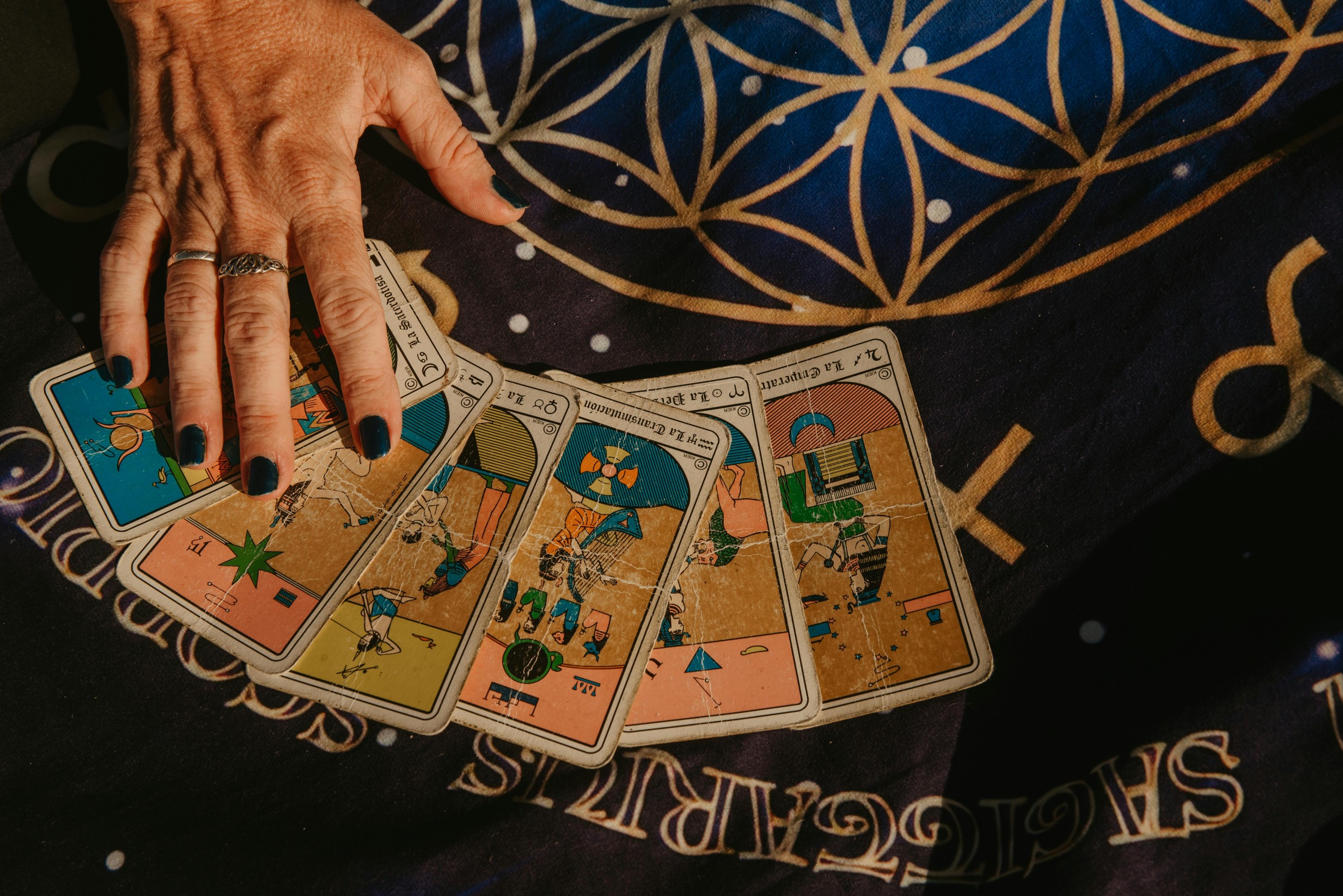
Let’s be honest—most of us aren’t pulling cards to unlock ancient wisdom about our soul’s journey. We’re asking things like: Should I text him? Is this job actually worth it? Am I about to embarrass myself? And tarot, dramatic as it is, will answer. The trick is knowing how to read it without spiraling into five follow-up questions and a mild identity crisis.
The Major Arcana: Big Energy, Big Answers
According to MysticMag, tarot divides into major and minor arcana, and the major arcana is where things get serious—22 cards tied to major life shifts, turning points, and moments that feel bigger than you planned for. Think of these as the headline moments of your life, the kind that don’t just pass quietly but leave a mark. If you want a quick yes/no, this is the deck to pull from because these cards rarely whisper—they announce.
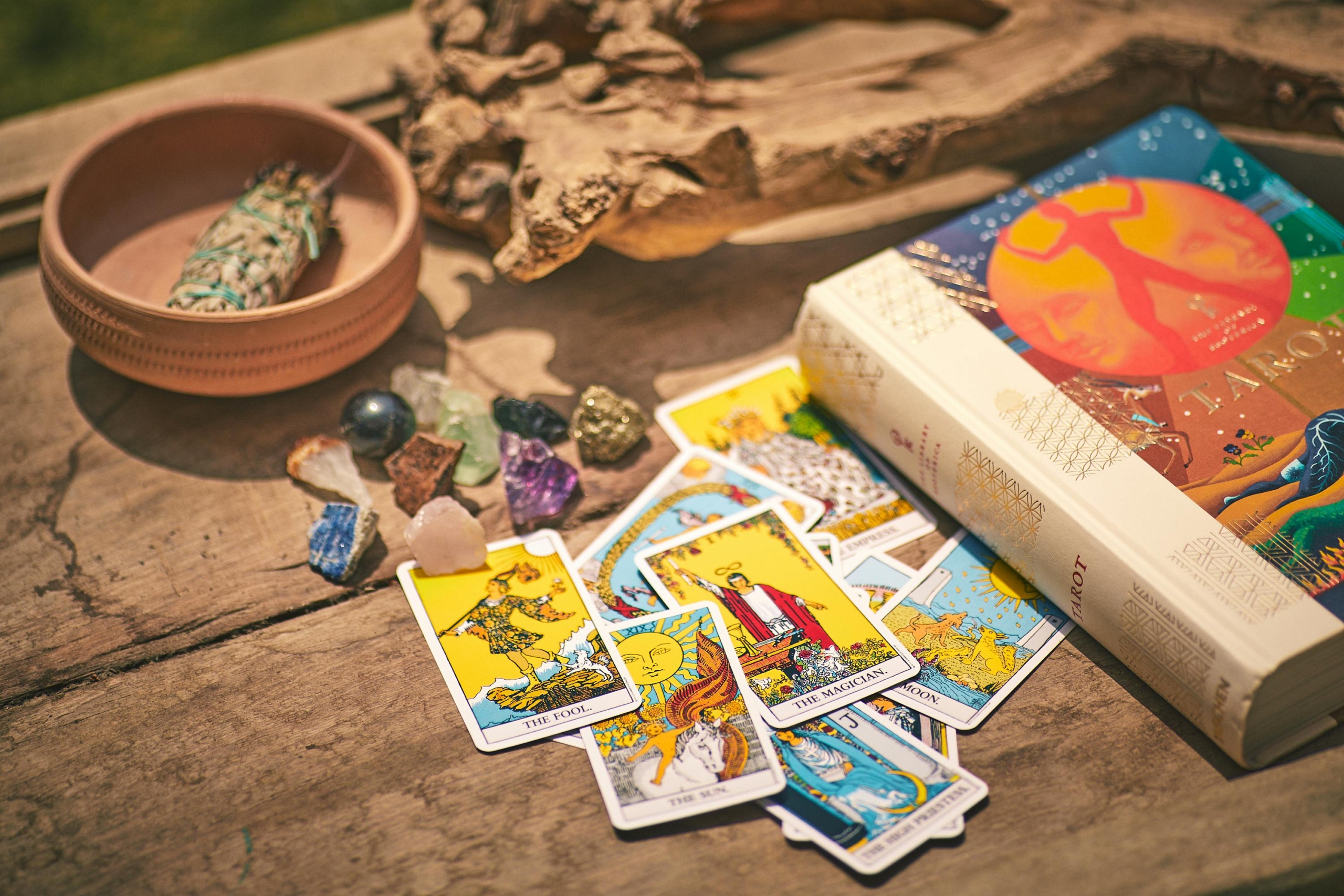
Some cards are basically a confident YES, the kind that makes you sit up a little straighter:
- The Fool — chaotic but promising, like saying yes before overthinking kicks in and somehow it works out
- The Magician — everything you need is already in your hands, you just need to use it
- The Sun — happiness, clarity, the rare moment where things actually go your way
- The Star — hope, healing, things finally aligning after a long stretch of “what is happening”
- The Empress / The Emperor — power, stability, stepping into control instead of waiting around
- The World — completion, success, a full-circle moment that feels earned
These are the cards that say go for it. Not recklessly, but with confidence. They don’t promise perfection, but they do suggest momentum in your favor.
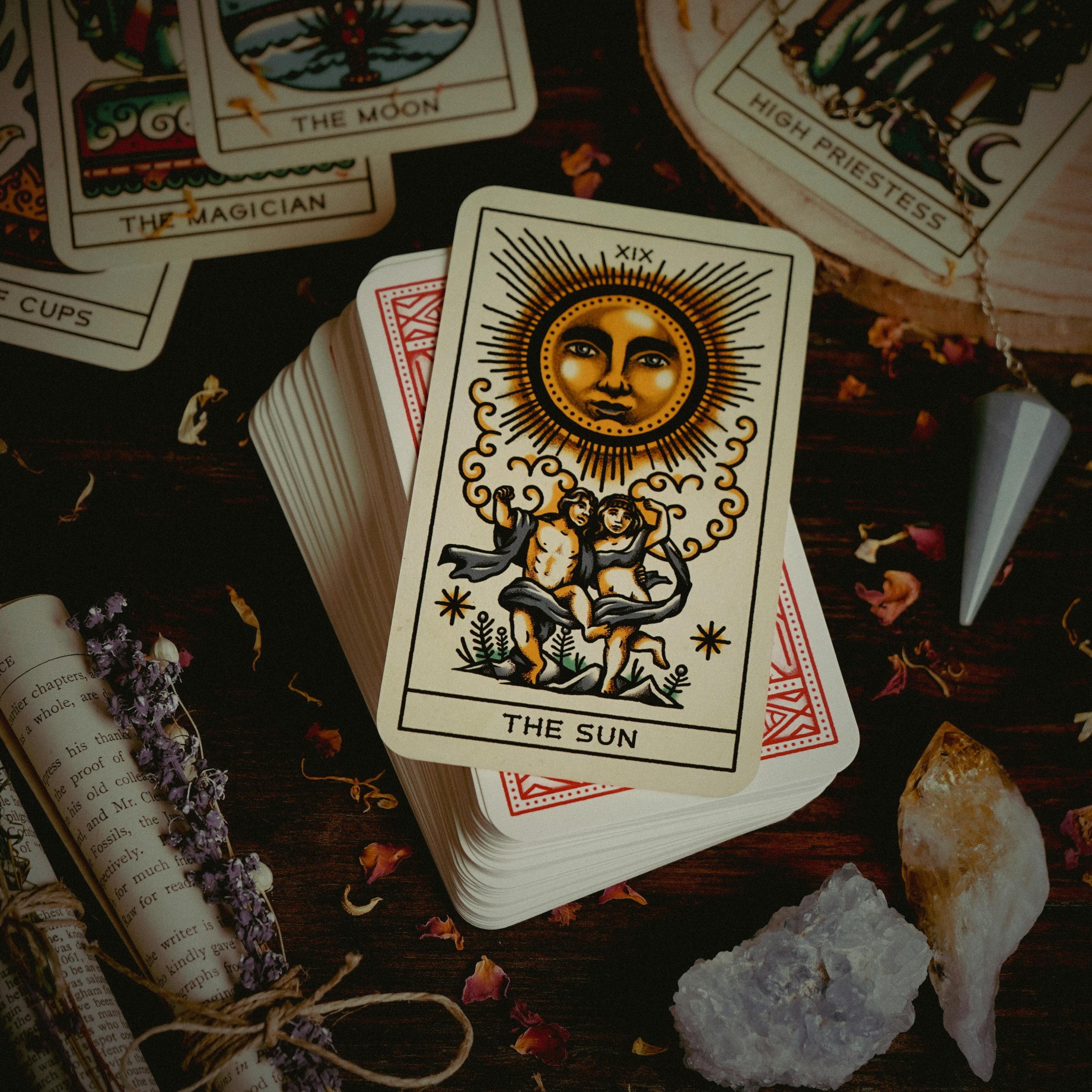
Others are less encouraging and lean firmly NO, sometimes gently, sometimes like a hard reality check:
- Death — an ending, no loopholes, no soft launch version of closure
- The Devil — temptation that looks good now but comes with strings attached
- The Tower — sudden chaos, things falling apart so something else can take its place
- The Moon — confusion, mixed signals, not enough information to trust the situation
These cards don’t exist to ruin your day—they exist to stop you from walking into something you’ll regret. They’re the equivalent of a friend grabbing your arm and saying, “Maybe don’t.”
And then there are the cards that refuse to pick a side—the MAYBE category, where tarot fully leans into its love of ambiguity:
- The Hanged Man — pause, think, don’t rush into anything yet
- The Hermit — step back, reflect, maybe log off for a second
- Justice — consider consequences carefully, actions matter here
- The Lovers — a choice is required, and it’s not just about feelings
- Judgment — a decision is coming, whether you feel ready or not
These cards aren’t indecisive—they’re telling you the situation itself isn’t settled. The outcome depends on what happens next, and more often than not, that “what” is you.
The Minor Arcana: Everyday Decisions, Emotional Chaos
If the major arcana is your life’s big cinematic moments, the minor arcana is everything else—the daily choices, the conversations, the situations that feel small until they’re suddenly not. These 56 cards reflect ordinary situations shaped by your own decisions, which means this is where free will really shows up. Less destiny, more “you did this.”
Each suit has its own personality:
- Cups — feelings, love, emotional spirals
- Wands — passion, energy, impulsive ideas
- Swords — logic, conflict, brutal honesty
- Pentacles — money, work, real-world stability
Cups are where your heart lives, for better or worse. They’ll give you romance, connection, and also the occasional emotional overreaction. Wands are fast, fiery, and a little impulsive—the energy of saying yes first and thinking later. Swords are sharp and honest, sometimes to the point of discomfort; they’ll tell you what you need to hear, not what you want to hear. Pentacles are grounded, practical, focused on things you can actually build or lose in the real world.
When it comes to yes/no readings, patterns start to emerge. Aces often signal a yes—new beginnings, fresh opportunities, a door opening where there wasn’t one before. Cards tied to success, celebration, or forward motion lean positive. Meanwhile, cards heavy with conflict, endings, or burnout tend to lean no. And then there are the in-between cards that depend heavily on context, timing, and your own interpretation.
This is also where things can get messy. Court cards—the Pages, Knights, Queens, and Kings—don’t always translate cleanly into yes or no. They often represent people, personalities, or energies rather than outcomes. Some readers keep them in and interpret them intuitively; others remove them entirely for yes/no readings just to keep things simple. Because sometimes, you don’t need to unpack someone’s emotional maturity level—you just want to know if this situation is going somewhere.
The Real Trick: It’s You
According to Tarot Elements, one of the simplest ways to approach yes/no tarot is also the most revealing: pull one card and decide whether it feels positive or negative to you. No overcomplication, no second-guessing, just your immediate reaction.

A card like the 6 of Wands might feel like a clear yes—success, recognition, things going your way. The 10 of Swords? That’s a no you can feel in your chest. But then you’ll hit a card that doesn’t lean clearly either way, and that’s where intuition comes in.
Sometimes a neutral card means the outcome isn’t decided yet. Other times it means you already know the answer but aren’t fully ready to admit it. Tarot doesn’t create your instincts—it reflects them. It just does it in a way that’s harder to ignore.
Ask Better Questions or Expect Messy Answers
A lot of the frustration people feel with tarot doesn’t come from the cards—it comes from the way the question is asked. Yes/no tarot only works if your question can actually be answered with a yes or no. That sounds obvious, but it’s where things fall apart fast.
“Will I get promoted, and will I land a new job?” is two questions competing for one answer.
“Should I do this?” is asking for permission instead of insight.
“When will this happen?” isn’t even a yes/no question to begin with.
Clear questions get clearer answers. Keep it focused. One question at a time. And maybe most importantly—don’t keep asking the same thing over and over just to get a different result. That’s not tarot failing you; that’s you negotiating with the outcome.
Tarot Will Answer… Exactly What You Asked
One of the most underrated things about tarot is how literal it can be. If you ask, “Will I see him again?” you might get a yes—and that yes might technically be correct in the least satisfying way possible. Seeing someone again could mean anything from a meaningful reunion to an awkward passing moment in public years later.
That’s why specificity matters. What do you actually want to know? What outcome are you asking about? When do you expect it to happen? The clearer you are, the less room tarot has to answer in a way that leaves you confused.
It’s not about controlling the answer—it’s about making sure you’re asking the right question in the first place.
And No, It’s Not Here to Make Decisions for You
There’s a certain comfort in asking, “Should I do this?” It feels like you’re handing the decision over to something wiser, something more objective. But tarot isn’t here to take responsibility for your choices.
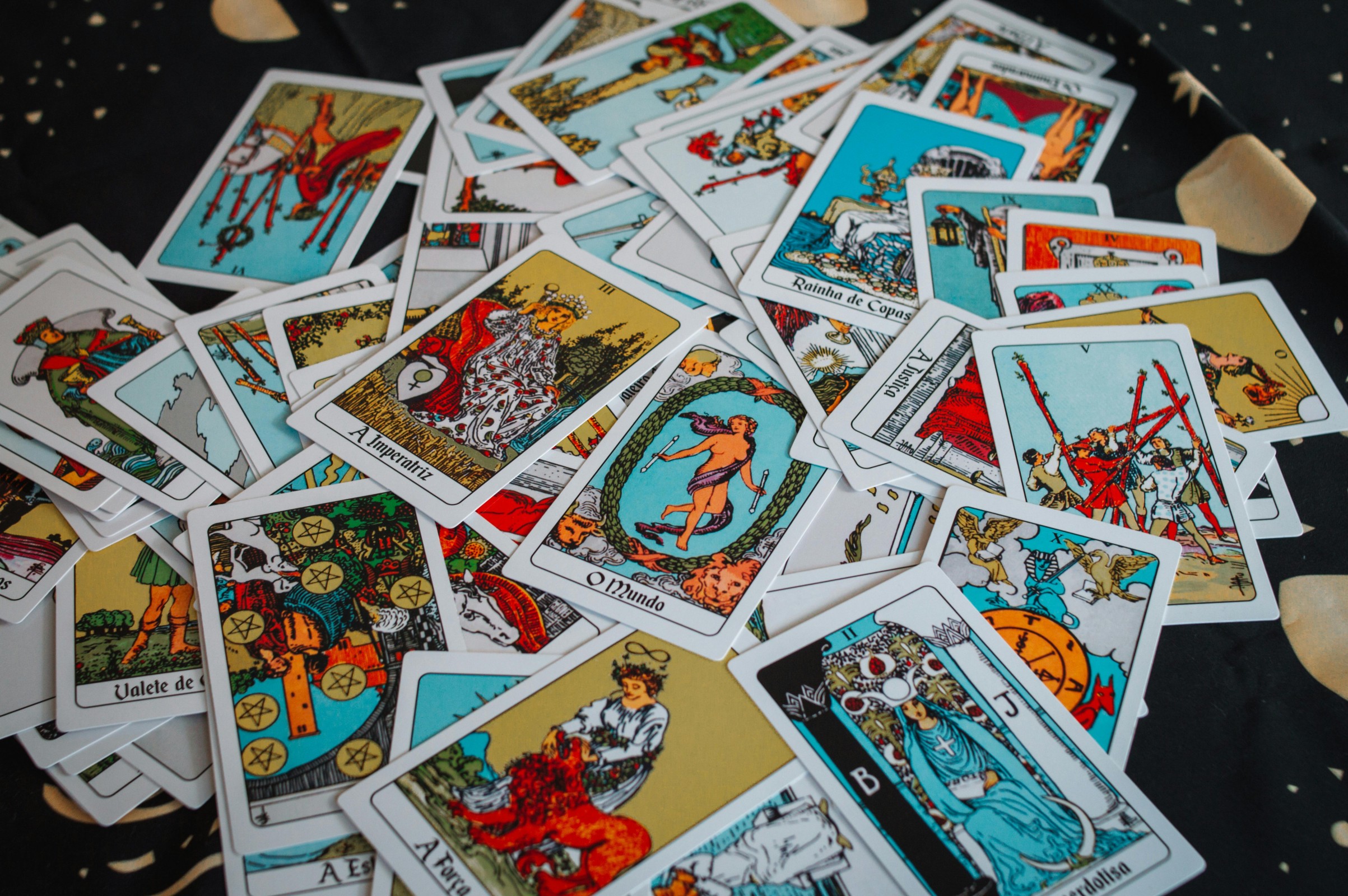
Should questions are really about seeking permission. And if things go wrong, it becomes very easy to blame the cards instead of acknowledging your own role in the outcome.
Tarot can show you possibilities. It can highlight energy, direction, potential outcomes. But it won’t—and shouldn’t—make the decision for you. That part still belongs to you, even if you’d rather outsource it.
The Gray Area: When Yes and No Blur Together
One of the most interesting parts of yes/no tarot is how often answers shift depending on how the question is framed. The same card can feel like a yes in one context and a no in another. A hopeful question might turn a card into encouragement, while a fear-based question can highlight its warning side.
This doesn’t mean tarot is inconsistent—it means life is. Outcomes aren’t always fixed, and sometimes the cards reflect that uncertainty. A “maybe” isn’t a failure to answer; it’s an honest response to a situation that hasn’t fully formed yet.
And if we’re being real, those are often the situations we care about most.
Final Card Pull
Tarot can absolutely give you a yes or no. It can be direct, clear, even blunt when it needs to be. But more often than not, it adds layers—context, tone, a little bit of emotional realism you didn’t ask for but probably needed.
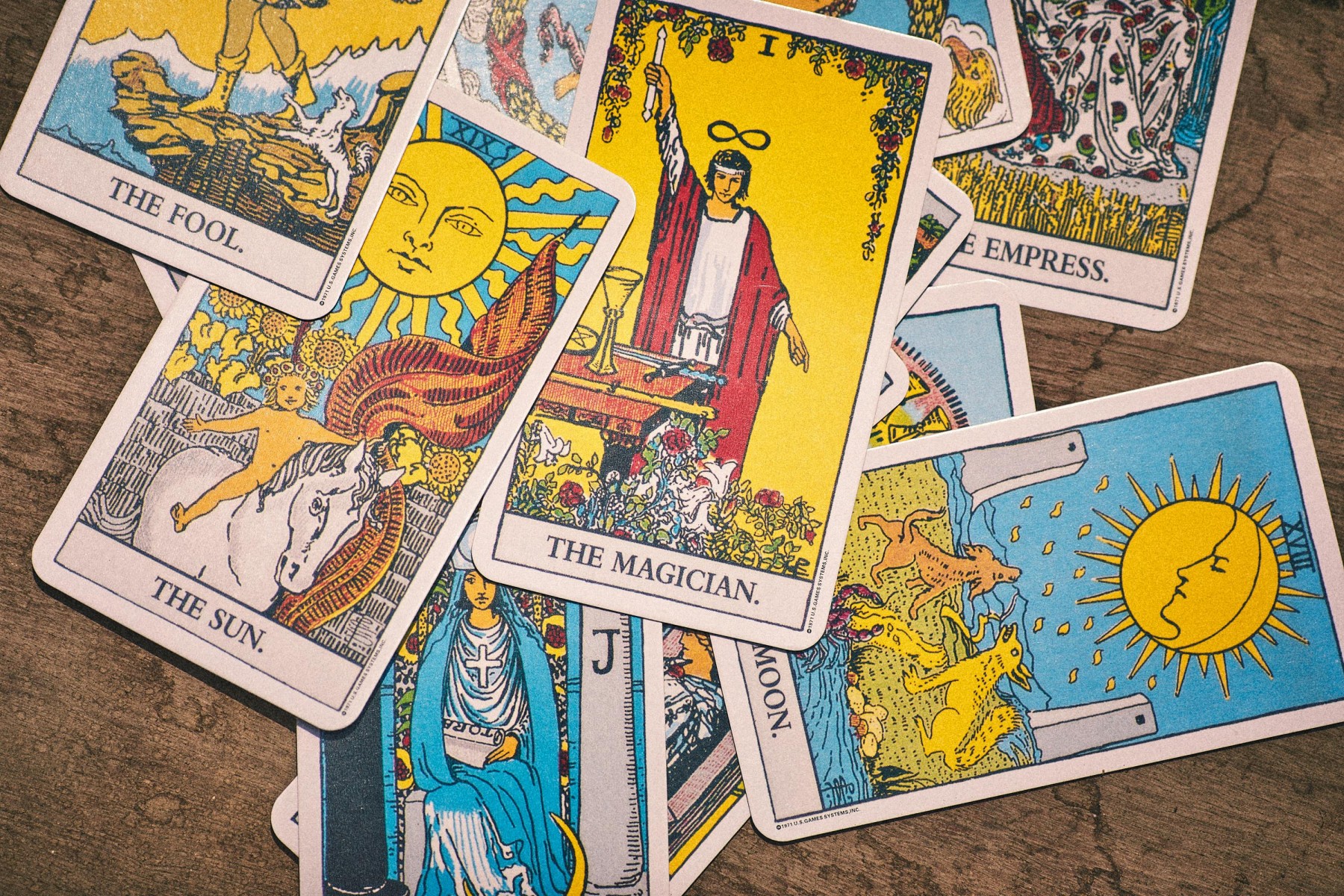
Because once you see the answer—whether it’s a yes, a no, or something frustratingly in between—you also see your reaction to it. And that reaction? That’s where the real clarity lives.
So pull the card. Ask the question. Be specific. Be honest. And when the answer lands, pay attention—not just to what the card says, but to what you were hoping it would say all along.