


Could 988’s “Press 3” LGBTQ+ youth crisis option be coming back?
For many LGBTQ+ young people, the words “Press 3” represented something powerful: the chance to speak with someone who understood their experiences.
Now, nearly a year after that specialized support option was removed from the 988 Suicide & Crisis Lifeline, there are signs it could be making a return.
The development has been welcomed by many mental health advocates, though questions remain about what a restored service would ultimately look like.
What Was the LGBTQ+ Youth Option?

The 988 Suicide & Crisis Lifeline serves as a nationwide mental health crisis resource available 24 hours a day, seven days a week.
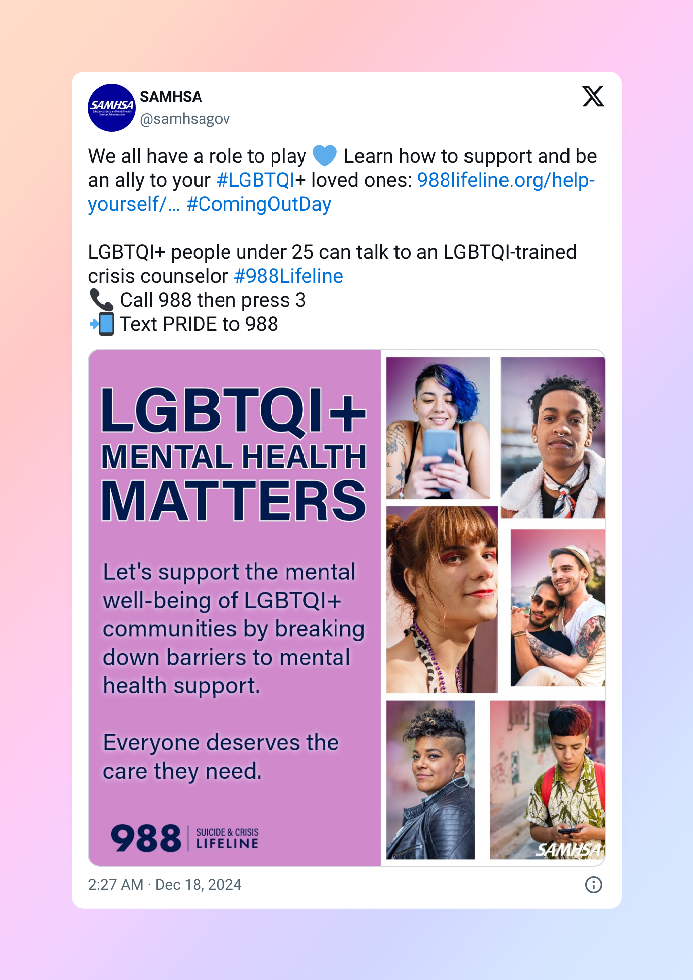
In 2022, a specialized LGBTQ+ youth subnetwork was launched as part of the service. Created through bipartisan congressional support, the program connected LGBTQ+ young people with counselors specifically trained to understand issues related to sexual orientation, gender identity, family rejection, bullying, discrimination, and other challenges that can affect mental health.
Callers could access the service by selecting the dedicated “Press 3” option.
During its operation, the subnetwork provided support to more than 1.3 million young people seeking help during difficult moments.
RELATED: Press 3 for Help? Trump Administration Says Not After July 17
Why Its Removal Sparked Concern
On July 17, 2025, the specialized LGBTQ+ youth subnetwork on 988 was officially removed.
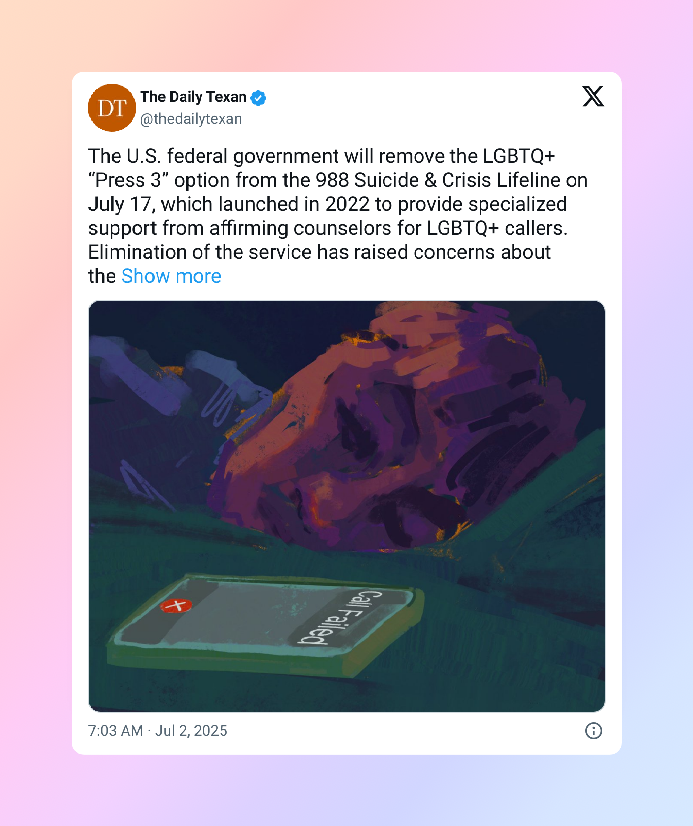
While the broader 988 Lifeline continued to operate, callers could no longer access counselors specifically trained in LGBTQ+ issues through the dedicated option.
The decision generated significant backlash from mental health professionals, LGBTQ+ organizations, and community advocates.
Jaymes Black, CEO of The Trevor Project, one of the organizations involved in operating the service, called the decision devastating back in 2025.
Black argued that suicide prevention should be guided by evidence and public health needs rather than political considerations, pointing to the program’s extensive record of helping vulnerable young people during moments of crisis.
For many LGBTQ+ people, the loss of the specialized option felt particularly painful because it came at a time when the community was already facing heightened political debates and legislative challenges across the United States.
RELATED: Gay Gamer Faces Family Rejection After Coming Out, Friend Builds Rainbow Castle
A Possible Return
Now, there is reason for cautious optimism.
According to information reported by The Advocate, the U.S. Department of Health and Human Services has indicated that it is evaluating how to restore the 988 Lifeline’s specialized LGBTQ+ youth services following congressional direction included in fiscal year 2026 funding legislation.
The agency stated that the Substance Abuse and Mental Health Services Administration is reviewing pathways to bring back the service, commonly known as the “Press 3” option.
If successful, the restoration could happen before the end of the year.
For LGBTQ+ advocates, the possibility represents an important acknowledgment that specialized support can play a critical role in suicide prevention efforts.
Why Some Advocates Remain Cautious
Despite the encouraging news, some advocates are approaching the announcement carefully. Any restored service would likely need to operate within the framework of Executive Order 14168, which recognizes only two genders, male and female. Critics argue that this could create challenges for transgender and nonbinary young people seeking affirming support through the system.
As a result, many organizations will be watching closely to see how any reinstated program is structured and whether it can adequately serve the full LGBTQ+ community.
For Now, Help Is Still Available
While the future of the LGBTQ+ youth option continues to develop, one important fact remains unchanged: 988 is still available 24 hours a day, seven days a week for anyone experiencing emotional distress, mental health challenges, or thoughts of self-harm.
The debate over Press 3 highlights a broader truth. Access to compassionate, informed mental health support matters. For LGBTQ+ young people navigating some of life’s most difficult moments, having someone who understands can make an enormous difference.
And for many advocates, that is exactly why the possibility of restoring the service remains worth fighting for.