


It’s hard to believe that 50 years ago, The Jeffersons made its grand debut, and with it, one of the most iconic sitcoms in television history. A bold spin-off of All in the Family, it would go on to become a cultural landmark, running for an impressive 11 seasons and showcasing rich, unapologetic depictions of Black life on television. The Jeffersons wasn’t just about a wealthy couple navigating the upper crust of society, it was a satire that pushed boundaries—no small feat at a time when portrayals of Black life on TV often involved hardship, struggle, or stereotypes. But the show’s success wasn’t just due to its witty writing or controversial moments; it was largely thanks to the remarkable performances of its cast—chief among them, Sherman Hemsley.
RELATED: Harvey Fierstein Defends LGBTQ+ on 20/20 in 1983
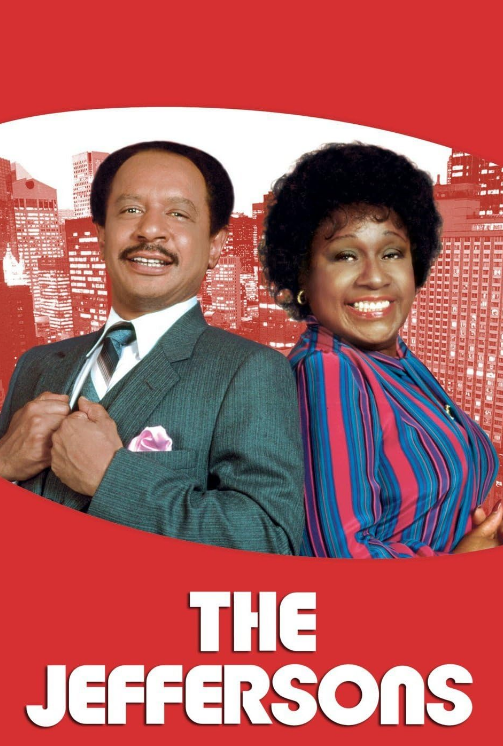
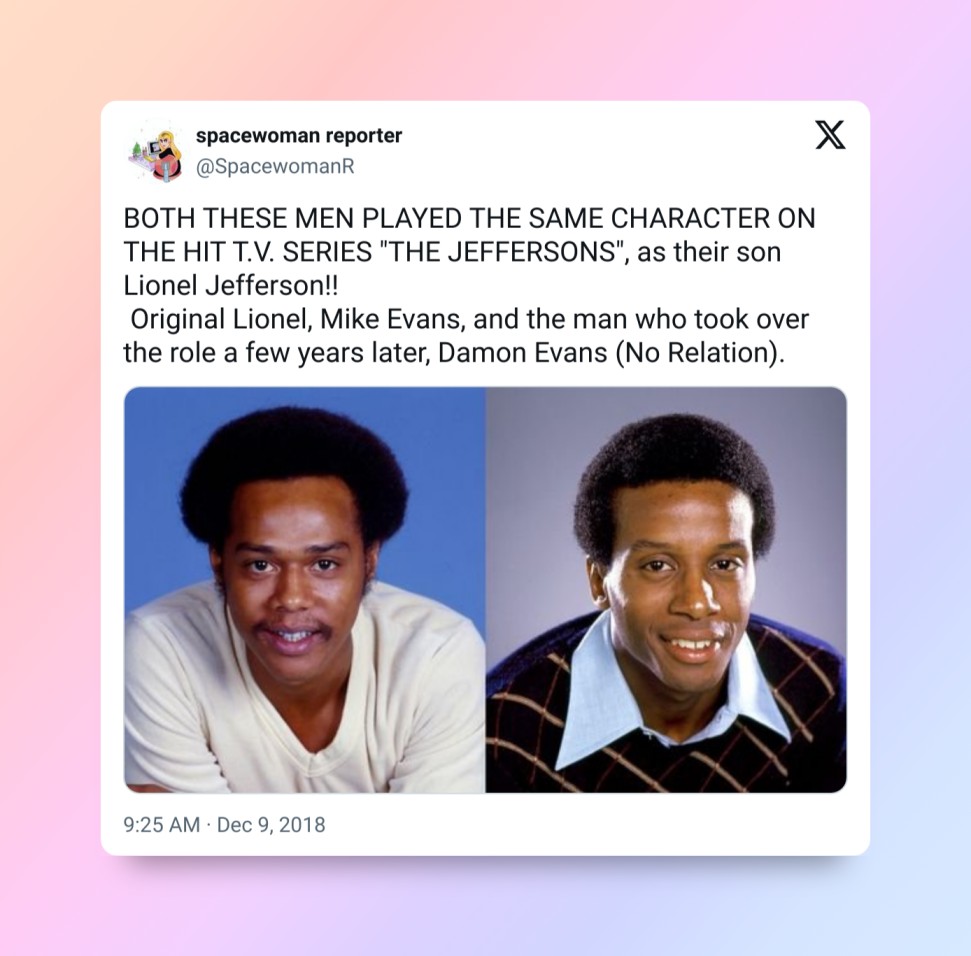
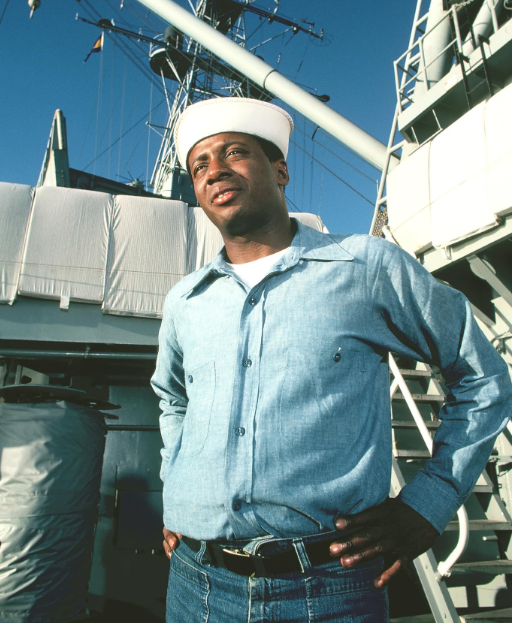
As the show celebrates its 50th anniversary, one thing remains clear: while The Jeffersons changed television forever, many of its key players have remained on the margins. One of those players is Damon Evans, who portrayed Lionel Jefferson—the Jeffersons’ son—for three seasons. Evans, who replaced original actor Mike Evans (no relation) after just one season, went on to a successful career in classical music and theater, but now, as he reflects on his time with The Jeffersons, he’s ready to reveal more than ever about his time with the show. Most notably, Evans is shedding light on his late costar, Sherman Hemsley, who portrayed the unforgettable George Jefferson.
“There wouldn’t have been a Jeffersons without Sherman,” Evans says flatly. “And yet, even after 11 seasons, he was only nominated once for an Emmy.” That’s right—despite his iconic role as the outspoken, hilariously abrasive George Jefferson, Hemsley, a man whose performances had viewers howling, was criminally under-recognized.
But the story of Hemsley’s life and legacy goes far beyond his career. Evans has been outspoken about what he perceives as the industry’s deep-seated disregard for the actor, particularly regarding his sexuality.
“I was at the Stonewall Riots in 1969,” Evans recalls, “and there were more Black and brown people there than people realize.” That’s a critical piece of history that often gets left out of the narrative. The Stonewall Riots, which sparked the modern LGBTQ+ rights movement, were a multi-racial, multi-ethnic event. Evans, like many of his contemporaries, understood the need for a space where people could be themselves, without fear of persecution.
But what Evans wants to bring attention to now, more than ever, is the legacy of Sherman Hemsley—the man behind George Jefferson. He says that Hemsley’s quiet refusal to seek out fame or accolades led to an industry that took his brilliance for granted. “Sherman wasn’t bothered by anything that may have appeared derogatory,” Evans explains. “But I remember one episode with a cheap gay joke. I felt so uncomfortable. But Sherman, he just rolled with the punches.”
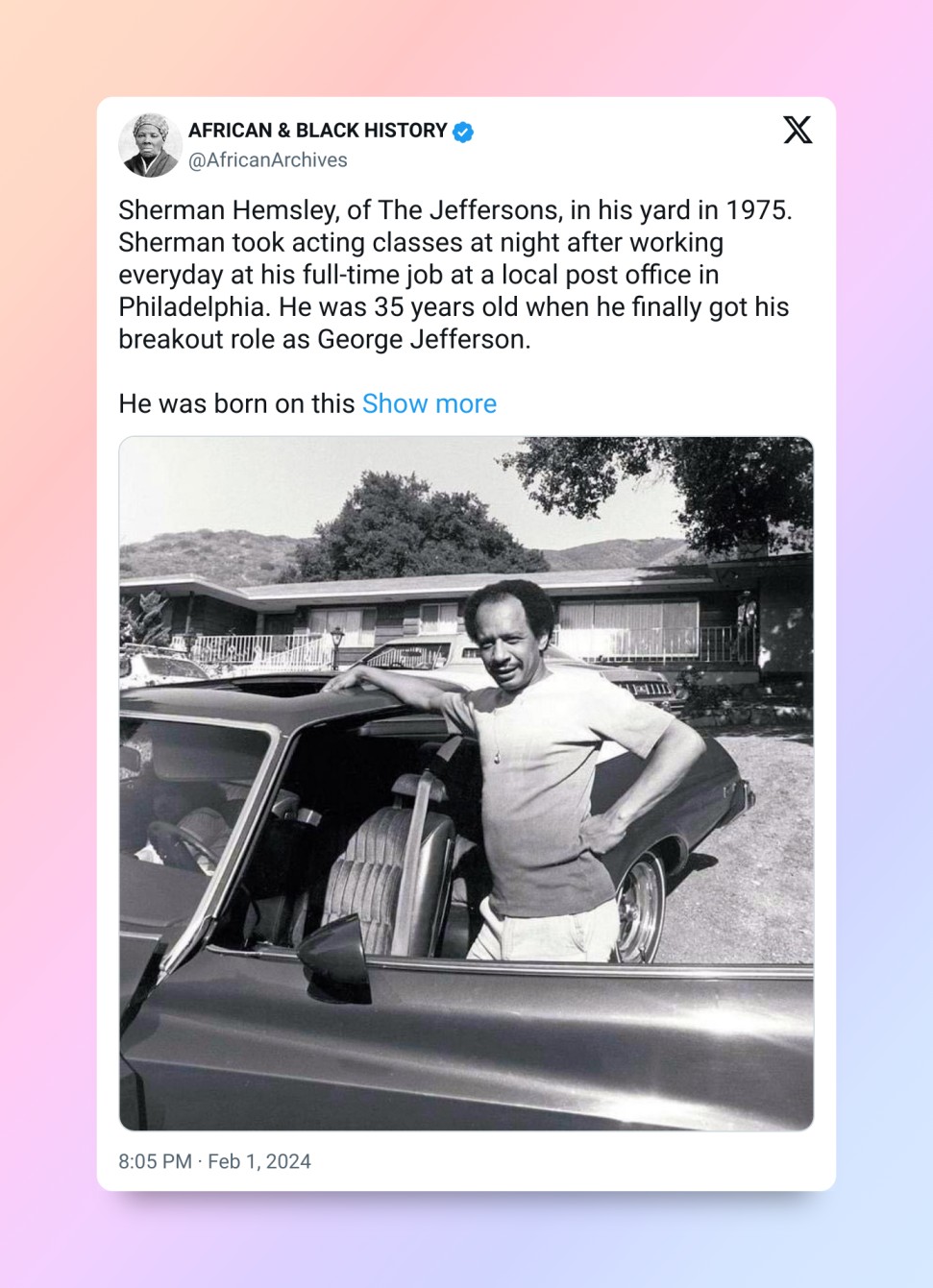
There are long-standing rumors about Hemsley’s sexuality that were never confirmed during his lifetime. Even after his death in 2021, speculation persists. But Evans, who shared both a personal and professional bond with Hemsley, is clear: “I’m sure Sherman was gay,” Evans says. “We cruised the same places, went to the same parties. The same bars. But it wasn’t something we talked about.” The unspoken camaraderie between the two is powerful. It speaks to the closeted reality many actors of the time had to navigate—especially for a Black man in Hollywood, where the stakes were higher and the risks of being open about one’s identity felt insurmountable.
Although Hemsley never publicly acknowledged his sexuality, Evans notes that Hemsley was always private about his life—he had a long-term Puerto Rican partner who often attended the show’s tapings, and the two even performed together in Vegas during breaks. “That was Sherman,” Evans says. “He just marched to the beat of his own drum.”
But for Hemsley, privacy wasn’t just about shielding his personal life; it was about maintaining the quiet dignity he valued. He never craved attention, nor did he play the star. “I think the industry viewed him as saying, ‘F*** you,’” Evans reflects. “But I don’t think he was trying to be rebellious. That just wasn’t his style.”
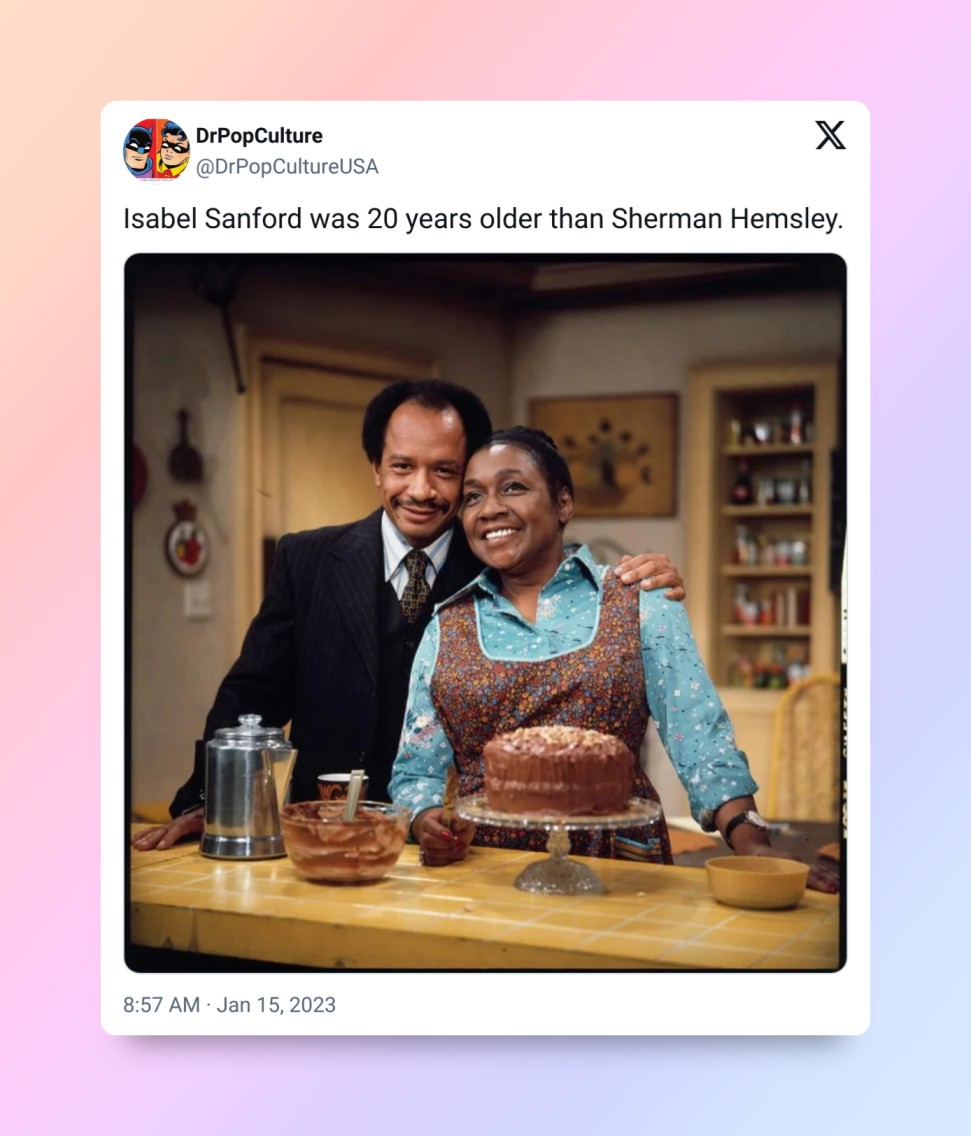
What’s truly tragic is how the accolades passed him by. While his co-star Isabel Sanford won an Emmy for her role as Louise Jefferson (and was nominated multiple times), Hemsley only received one Emmy nomination during the show’s entire run. Evans calls this “outrageous,” but, unsurprisingly, Hemsley didn’t seem to care. “When he got his first NAACP Image Award, he told me to go accept it for him,” Evans shares. “He didn’t even attend.” To Sherman, awards didn’t define his worth—his work did.
Still, Evans can’t shake the feeling that Hemsley’s contributions to television and American culture remain undervalued. “How do you commemorate The Jeffersons and talk about its history without citing Sherman as the reason for its success?” Evans asks, and it’s a question worth pondering. While the show touched on race, class, and identity in bold ways, it was Sherman’s performance that made George Jefferson such a beloved, complex character.
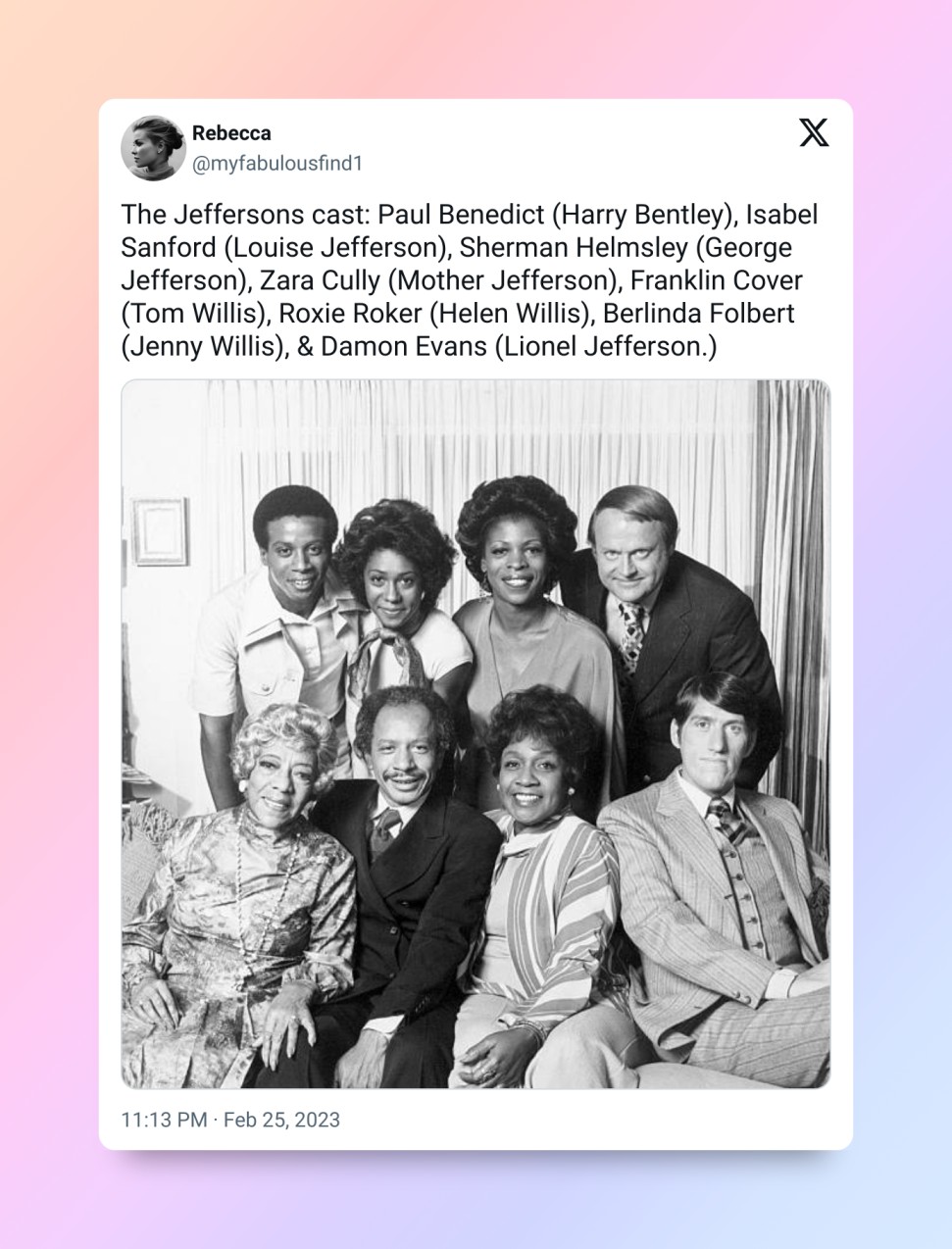
And yet, the world never truly gave Sherman Hemsley the credit he was due—especially not for making space for LGBTQ+ representation in ways that were decades ahead of their time. As Evans recalls, The Jeffersons had the first depiction of a Black trans character on mainstream television—something that hadn’t been done before.
“We need to give Sherman the posthumous recognition he deserved,” Evans insists. “He didn’t care about awards, but the world needs to understand just how groundbreaking he was.”
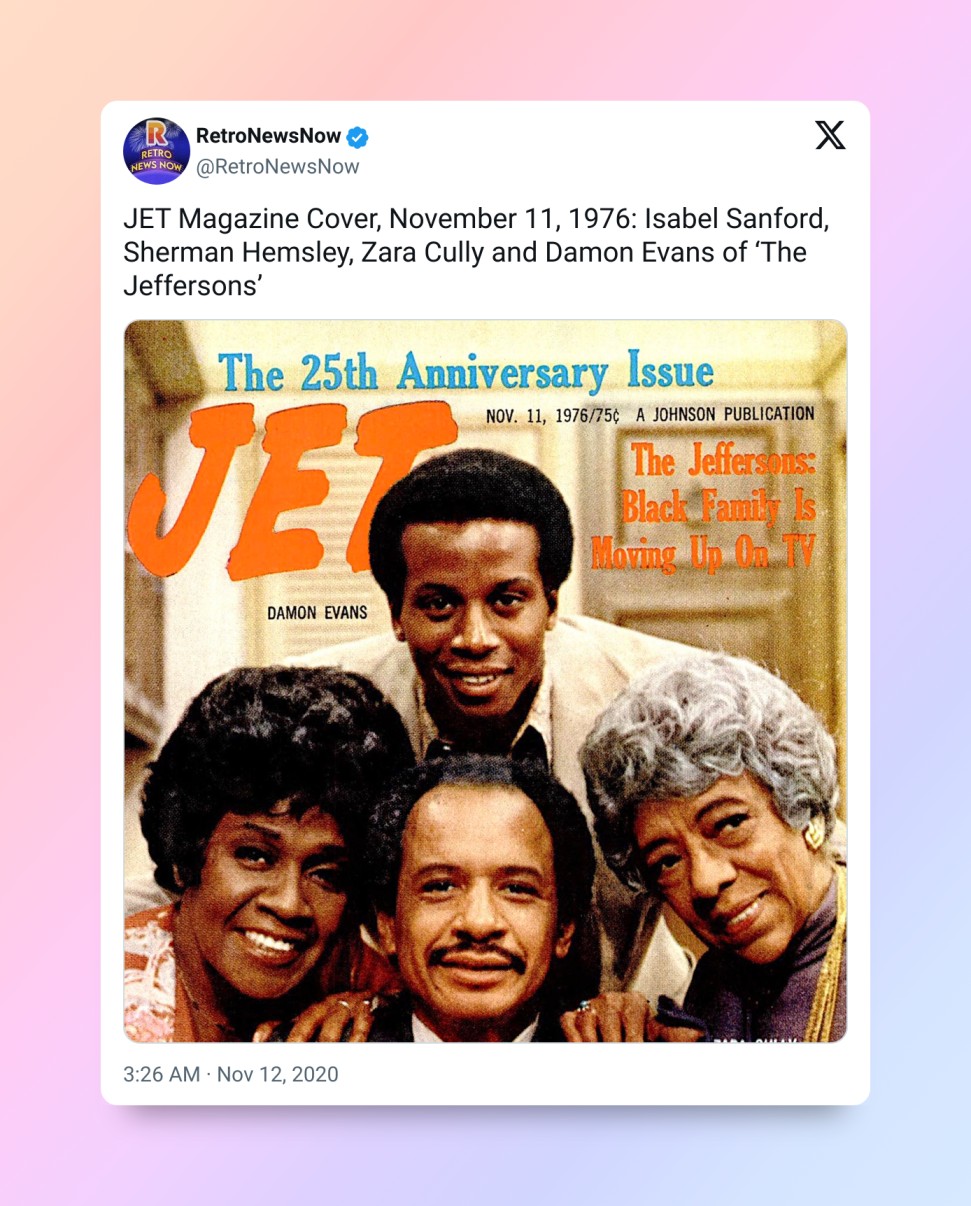
In the years since The Jeffersons ended, Hemsley’s legacy has often been overshadowed by the show’s more visible stars. But Evans is determined to change that, starting with a campaign for a posthumous Emmy for Hemsley.
“Maybe Sherman didn’t need the recognition. But we do. We need to celebrate his genius, his bravery, and his quiet revolution. It’s long overdue.”
And maybe, just maybe, in the process, the world will finally understand why Sherman Hemsley—the humble, funny, fearless man behind George Jefferson—deserves his rightful place in the pantheon of television greatness.
Source: Advocate
He was the man dat made the show for wat it was!💯without him (George) there wouldn’t be no Jeffersons. He was quite a actor.🥰🥰made he RIL.🙏🏽🙏🏽🙏🏽🙏🏽❣️❣️❣️❣️❣️I love u Sherman aka(George)
gay not gay ,who care,great actor,love his show
I remember the rumor back in the day he was said to be gay.
We didn’t have the internet search bar to find proof.
Curious of any videos of him performing in Las Vegas and who is his Puertorican partner was he performed with
I remember reading Sherman was gay a while back after he passed. In fact quite a few sitcom leaders were gay back then. We’ve been around since the beginning 🙂